
Font size
 Worksheets
I/O PSYCHOLOGY
Total questions: 72
Worksheet time: 1hrs 12mins

The field of study that concentrates on the selection and evaluation of employees.
(a)

Concentrate on workplace design, physical fatigue and stress.
(a)

Concerned with the issues of leadership, job satisfaction, employee motivation, and conflict management.
(a)

Determining the competencies to perform a job and increasing those competencies through training.
(a)

Motivate employees to perform well, provide working conditions that are safe and result in an enjoyable and satisfying work environment.
(a)

To 'enhance the dignity and performance of human beings, and the organizations they work in, by advancing the science and knowledge of human behavior'.
(a)

On World War I, this test are for military recruits who could not read.
(a)

A test that was used for military recruits who could read.
(a)

On what year Walter Dill Scott published Increasing Human Efficiency in Business?
(a)

On what year Walter Dill Scott published The Theory of Advertising?
(a)

On what year Hugo Münsterberg published Psychology and Industrial Efficiency (German version published in 1910)?
(a)

Anong taon unang pinublished ang Journal of Applied Psychology?
(a)

World War I provides I/O psychologists with first opportunity for large-scale employee testing and selection. Anong year to?
(a)

First Ph.D. in I/O psychology awarded to Bruce Moore and Merrill Roam at Carnegie Tech. What year?
(a)

First I/O lext written by Morris Viteles. What year?
(a)

Hawthorne studies published. What year?
(a)

American Association for Applied Psychology established. What year?
(a)

Society for Industrial and Business Psychology established as Division 14 of the American Psychological Association (APA) with 130 members. What year?
(a)

Marion Bills elected as the first woman president of Division 14. What year?
(a)

Division 14 renamed as Society for Industrial Psychology; membership exceeds 700. What year?
(a)

➢ Civil Rights Act passed ➢ First issue of The Industrial-Organizational Psychologist (TIP) published. What year?
(a)

Division 14 membership exceeds 1,100. When was this?
(a)

B.F. Skinner publishes Beyond Freedom and Dignity. When was this?
(a)

Division 14 membership exceeds 1,800. What year?
(a)

Division 14 renamed Society for Industrial and Organizational Psychology (SIOP). What year?
(a)

Society for Industrial and Organizational Psychology (SIOP) holds first annual national conference separate from APA meeting. What year?
(a)

Supreme Court sets conservative trend and becomes more "employer friendly.” When was this?
(a)

➢ Americans with Disabilities Act passed ➢ SIOP membership exceeds 2,832. What year?
(a)

Civil Rights Act of 1991 passed to overcome 1989 conservative Supreme Court decisions. What year?
(a)

SIOP membership exceods 4,500. What year?
(a)

SIOP celebrates golden anniversary at its annual conference in St. Loui. What year?
(a)

SIOP membership exceeds 5,700. When was this?
(a)

➢ Office of Federal Contract Compliance Programs (OFCCP) and Equal Employment Opportunity Commission (EEOC) become more aggressive in fighting systematic discrimination ➢ SIOP membership exceeds 5,900. What year?
(a)

The journal Industrial and Organizational Psychology: Perspectives on Science and Practice begins publication as an official journal of SIOP. What year?
(a)

Lilly Ledbetter Fair Pay Act and Americans with Disabilities Act Amendment Act (ADAAA) passed. What year?
(a)

SIOP membership exceeds 8,000; SIOP members narrowly vote to keep the name Society for Industrial Organizational Psychology rather than change the name to the Society for Organizational Psychology. What year?
(a)

OFCCP issues new regulations affecting the hiring of military veterans and individuals with disabilities. What year?
(a)

SIOP membership exceeds 8,300. What year?
(a)
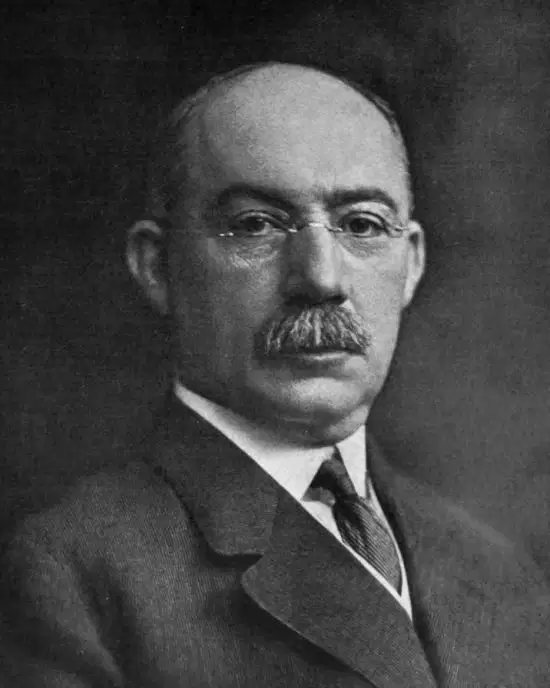
He is responsible for increasing the efficiency with which cargo ships were built, repair and loaded.
(a)

Major in US Army in WWI, developed perceptual and motor tests for potential pilots.
(a)
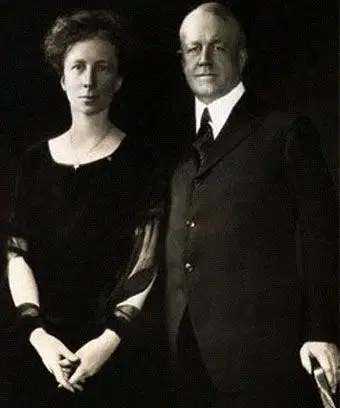
Scientists to improve productivity and reduce fatigue by studying the motions used by workers.
(a)
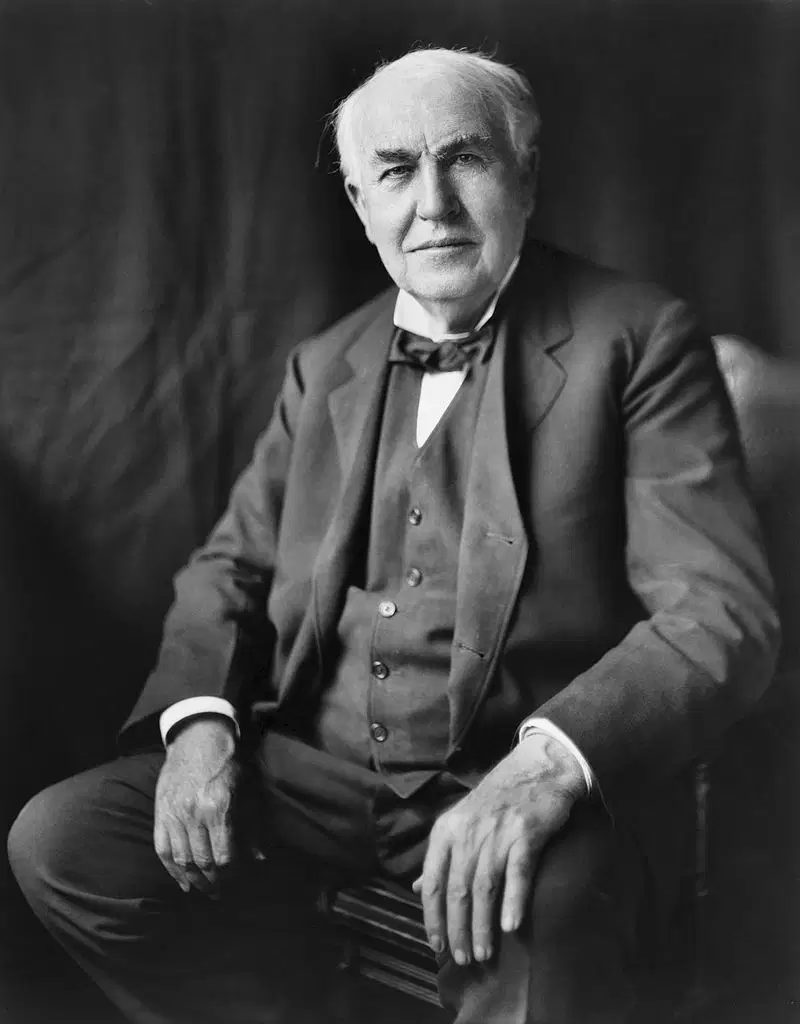
In 1920, he created a 150-item knowledge test that he administered to over 900 applicants. The test and passing score were so difficult that only 5% of the applicants passed.
(a)

A series of studies, conducted at the Western Electric plant in Hawthorne, Illinois, that have come to represent any change in behavior when people react to a change in the environment.
(a)

When employees change their behavior due solely to the fact that they are receiving attention or are being observed. Specifically, they become more productive.
(a)
Increased use of fairly sophisticated statistical techniques and method analysis. direct ➢ Example: MANOVa, path analysis, meta-analysis, and causal modeling.
THE 4 MAJOR CHANGES IN I/O PSYCHOLOGY 1980s TO 1990s
THE FUTURE CHALLENGES TO I/O PSYCHOLOGY IN THE 21st CENTURY
An interest in the application of cognitive psychology to industry.
THE FUTURE CHALLENGES TO I/O PSYCHOLOGY IN THE 21st CENTURY
THE 4 MAJOR CHANGES IN I/O PSYCHOLOGY 1980s TO 1990s
Increased interest in the effects of work on family and leisure activities.
THE 4 MAJOR CHANGES IN I/O PSYCHOLOGY 1980s TO 1990s
THE FUTURE CHALLENGES TO I/O PSYCHOLOGY IN THE 21st CENTURY
I/O psychologist took renewed interest in developing methods to select employees.
THE 4 MAJOR CHANGES IN I/O PSYCHOLOGY 1980s TO 1990s
THE FUTURE CHALLENGES TO I/O PSYCHOLOGY IN THE 21st CENTURY

This means that we need to study the problems of today, not those of yesterday. That is not to say that earlier research was misguided or "wrong," but rather that older research gives us a foundation for newer research and application.
(a)
The value the discipline adds is in putting our theories and research findings into action. I/O psychologists must always be thinking of ways to put our research into practice.
(a)

Stuart Carr explains, I/O psychology should be represented at the "table" where such issues are being debated. We know a great deal about work behavior, and work behavior is implicated in one way or another in virtually every pressing global challenge.
(a)
Beginning in the early 1990s, the courts have become more exacting about what testimony will be accepted as "scientific." This is further evidence of the importance of science and the scientific method in the larger world.
(a)
EMPLOYMENT OPPORTUNITIES OF AN I/O PSYCHOLOGIST:
1. Chairman and CEO
2. Industrial-organization psychologist
3. City manager
4. Manager of leadership and development
5. Compensation analyst
6. Personnel manager
7. Compensation manager
8. President
9. Consultant Professor
10. Director of assessment and selection
(a)
EMPLOYMENT OPPORTUNITIES OF AN I/O PSYCHOLOGIST
11. Recruiter
12. Director of organizational effectiveness
13. . Research analyst
14. Director of training and development
15. Research scientist
16. Director of workforce planning
17. Research psychologist
18. EEO/Diversity specialist
19. Senior partner
20. Employee relations manager
(a)
HOW TO BE AN I/O PSYCHOLOGIST?
1. UNDERGRAD - BS PSYCHOLOGY/AB PSYCHOLOGY
2. GRADUATE SCHOOL MAJOR IN I/O PSYCHOLOGY - COMPLETE AN INTERNSHIP PROGRAM
3. CONSIDER EARNING a Ph. D or Psy.D
(a)

"system in which individuals share meanings and common ways of viewing events and objects" (Ronen, 1997).
(a)

Asians have a very different understanding of time than Americans.
(a)

In considering who gets a bonus and how much, Chinese managers make decisions based more
on the personal needs of the individual, whereas in the United States, these decisions are based more on the performance of that individual.
(a)

Compared to American managers, Japanese managers are much more likely to solve a strategic problem by being cooperative and making sure that individuals share equally in rewards.
(a)

Japanese managers are much more likely to seek compromise solutions
than their American counterparts, who tend to follow win-lose strategies.
(a)

Shame as a result of a poor salesperson-customer interaction motivates salespersons from the Philippines but demotivates their Dutch counterparts.
(a)

American software engineers provide assistance to a colleague only when they expect to need that colleague's help
at some future time; Indian software engineers provide help to whoever needs
it without any expectation of future reciprocation.
(a)
WHY IS MULTI CULTURALISM IMPORTANT FOR I/O PSYCHOLOGY?
Hermans and Kempen (1998) dubbed this the "West versus the Rest" mentality. Not surprisingly, attempts to apply American theories to non-American situations are not always successful. It appears that culture may actually determine (or "moderate") the effectiveness of an HRM initiative (Earley & Erez, 1997). This is important information because it provides a roadmap for modifying a theory developed in one culture for application to a different culture.
(a)

A culture that minimizes distances between individuals.
(a)

A culture that accepts and depends upon distances between individuals.
(a)

Culture that values the group more than the individual.
(a)

A culture that values the individual more than the group.
(a)

The extent to which members of a culture expect immediate versus delayed gratification of
their material, social, and emotional needs.
(a)

The extent to which members of a culture feel comfortable in unstructured situations.
(a)

The degree to which individuals are expected to look after themselves versus remaining integrated into groups (usually the family).
(a)

The degree to which less powerful members of an
organization accept and expect an unequal distribution of power.
(a)

The distribution of emotional roles between the genders, with the masculine role being seen as "tough" and the feminine role seen as "tender." Masculine cultures tend to emphasize accomplishment and technical performance, while feminine cultures tend to emphasize interpersonal relationships and communication.
(a)

