
Font size
 Worksheets
Astro Unit 2 Sun-Earth-Moon System
Total questions: 83
Worksheet time: 1hrs 15mins
Which statement about the seasons is true?
Earth gets warmer in the summer because it is closer to the sun.
The seasons are based on changes in Earth's average temperature.
Every location on Earth experiences the same seasons at the same time.
The seasons are caused by Earth's tilt, which causes sunlight to spread out.
When are the changes between high tide and low tide the smallest?
When the sun and moon are on the same side of the Earth.
When the sun and moon are on opposite sides of the Earth.
When the sun and moon are at a 90-degree angle from one another.
When the moon passes closest to Earth.
Which statement about the tides is true?
High tides occur when the moon is closest to Earth.
The moon is the only celestial body that affects tides on Earth.
Earth's spin keeps tides balanced on both sides of the planet.
The height of the tides depends on the positions of both the sun and the moon
If the days are getting longer and there is still more daytime than nighttime, what season is it?
Spring
Summer
Fall
Winter
What happens during totality in a solar eclipse?
The moon temporarily disappears from view.
The sun temporarily disappears from view.
The moon temporarily turns a dark red.
The sun's corona is visible around the moon.


A solar eclipse can occur during a
new moon
first moon
full moon
3rd quarter moon
What is the name of the moon phase that comes after the waxing crescent?
new moon
full moon
1st quarter
3rd quarter
What is the difference between rotation and revolution?
Rotation is movement around an axis, revolution is the orbit of one body around another
Rotation is the orbit of one body around another, revolution is movement around an axis
Rotation always takes a longer period of time than revolution
Rotation and revolution are synonyms
What is an axis?
An imaginary line around which an object revolves
The plane of an object's orbit
The invisible path of an object's orbit
An imaginary line around which an object rotates
How long is a lunar cycle?
24 hours
29.5 days
365 days
24 hours 50 minutes
What is the difference between the Umbra and Penumbra?
The Umbra is the darkest part of the eclipse shadow, the Penumbra is the lighter part of the shadow
The Penumbra is the darkest part of the eclipse shadow, the Umbra is the lighter part of the shadow
The Penumbra is larger than the Umbra
The Umbra is larger than the Penumbra
Which of the following statements about a Lunar Eclipse is TRUE?
Moon moves into the Earth's shadow
Moon is between the Earth and the Sun
It is only visible from the daylight side of the Earth
It only occurs during a New Moon phase
Why are eclipses so rare?
Moon's orbit is tilted compared to Earth's
Moon is smaller than the Earth
The Sun is further away than the Moon
The Earth, Moon, Sun almost never align
What happens during a Total Lunar Eclipse?
The Moon turns into a black circle, similar to a New Moon
The Moon turns red
The Moon is totally blocked by the Sun
The Moon's orbit is at 0 degrees
Which of the following statements about Solar Eclipses is FALSE?
The Earth moves into the Moon's shadow
The Earth is between the Moon and the Sun
Only occur during a New Moon phase
Only occur over a small area of the Earth
What is the difference between the Summer and Winter Solstice?
The Summer Solstice is the shortest day of the year, the Winter Solstice is the longest day of the year
The Summer Solstice is the longest day of the year, the Winter Solstice is the shortest day of the year
The Summer Solstice is the longest day of the year, the Winter Solstice has the same amount of day and night
Both the Summer and Winter Solstices have the same amount of day and night

Name the phase of the Moon
Waxing Gibbous
Waxing Crescent
Waning Gibbous
Waning Crescent

Name the phase of the Moon
Waxing Gibbous
Waxing Crescent
Waning Gibbous
Waning Crescent

Name the phase of the Moon
Waxing Gibbous
Waxing Crescent
Waning Gibbous
Waning Crescent

Name the phase of the Moon
Waxing Gibbous
Waxing Crescent
Waning Gibbous
Waning Crescent

Name the Phase of the moon
First quarter
Half moon
First quarter/half moon
Third quarter / last quarter moon

Name the Phase of the moon
First quarter
Thrid quarter moon
First quarter/half moon
Third quarter / last quarter moon

Name the phase of the moon
New Moon
Half moon
Full moon
quarter moon

Name the phase of the moon
New Moon
Half moon
Full moon
quarter moon
Find the waxing gibbous


Find the waning crescent
Find the waning gibbous
Find the waxing crescent

The moon phase would you see from Earth.
New Moon
Full Moon
1st Quarter Moon
3rd Quareter Moon

The moon phase would you see from Earth.
New Moon
Full Moon
1st Quarter Moon
3rd Quareter Moon

The moon phase would you see from Earth.
Waning Crescent
Waxing Crescent
Waning Gibbous
Waxing Gibbous

The moon phase would you see from Earth.
Waning Crescent
Waxing Crescent
Waning Gibbous
Waxing Gibbous

The moon phase would you see from Earth.
Waning Crescent
Waxing Crescent
Waning Gibbous
Waxing Gibbous

Tide that occurs when the sun, Earth and the moon line up.
High Tide
Neap Tide
Spring Tide
Low Tide

Type of eclipse occuring and the phase of the moon
New moon - lunar eclipse
New moon - solar eclipse
Full moon - lunar eclipse
Full - moon solar eclipse

Type of eclipse occuring and the phase of the moon
New moon - lunar eclipse
New moon - solar eclipse
Full moon - lunar eclipse
Full - moon solar eclipse

What is the BEST definition of apparent motion?
movement that actually happens across the sky
movement that appears to happen across the sky caused by Earth's REVOLUTION
movement that appears to happen across the sky caused by Earth's ROTATION
Motion's mother and father

In which hemisphere do we live (in US)?
Northern
Southern
When daylight hours are almost equal to night time hours, it is called
Equinox
Solstice

First day of fall
Autumnal Equinox
Summer Solstice
Winter Solstice
Vernal Equinox
What causes the moon to shine?
The sun
Its red-hot surface
Pixie dust
Electricity


This is a student's diagram from space science. What would you call this?
Orion
Ursa Major
Ursa Minor
Taurus
Gemini
In winter and in summer, people in a given location see
Only a few constellations
The same constellations
Different constellations
None of these
Why do stars move across the sky each night?
The stars are all moving from east to west relative to the Earth
Earth is rotating on its axis
The universe is expanding due to the Big Bang
All of these


Shadow when the sun is partially blocked
umbra
penumbra
overshadow
undershadow
Shadow when the sun is totally blocked
overshadow
ultishadow
penumbra
umbra
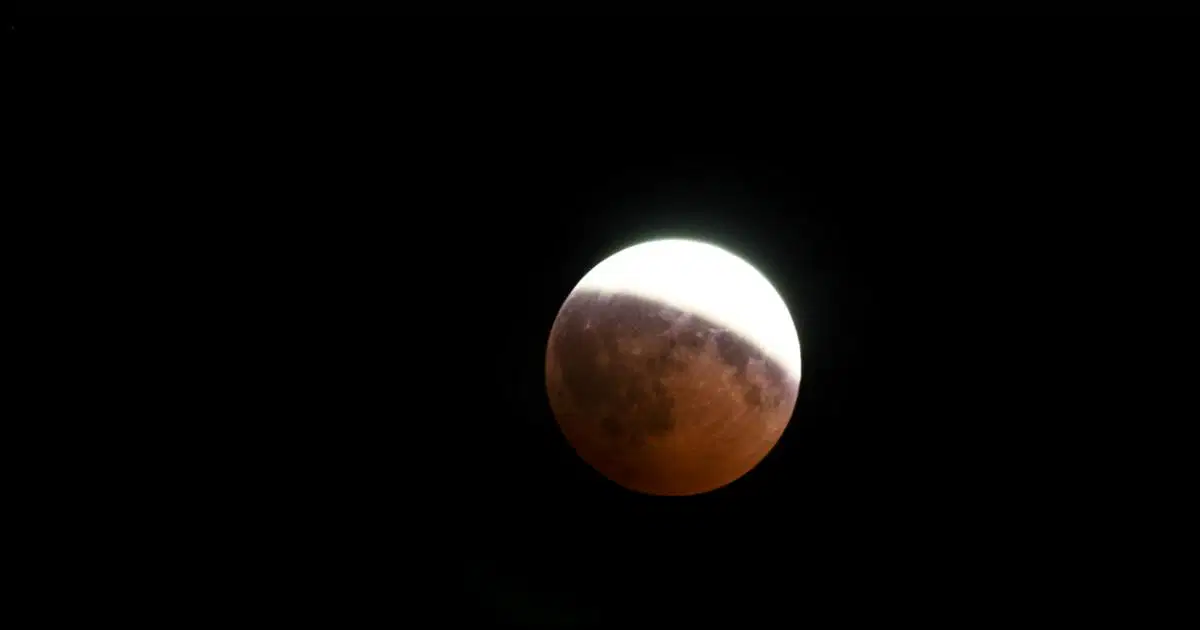
What kind of eclipse of this?
Penumbral Lunar
Partial Lunar
Partial Solar
Annular Lunar
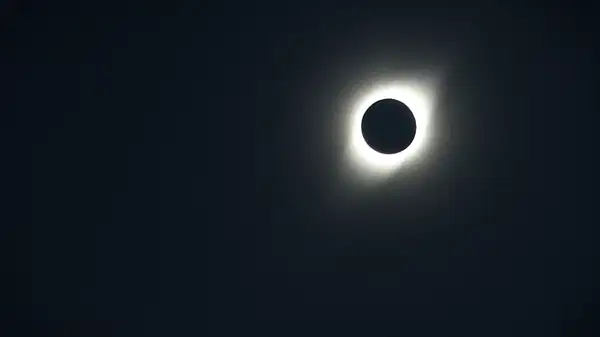
Name the eclipse type. Give the most ACCURATE answer.
Solar Eclipse
Total Lunar Eclipse
Annular Solar Eclipse
Total Solar Eclipse
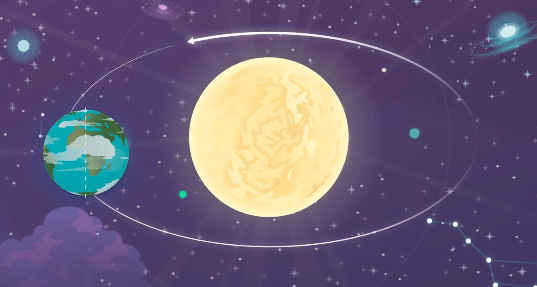


The Earth sits straight up and down (NO TILT).
true
false

The Earth is rotating AND revolving.
True
False

The Earth’s rotation and revolution happen at the same time.
True
False
Constellations that are visible year round (they do not rise or set), are known as:
Ecliptical
Celestial
Circumpolar
Seasonal
If an astronomer informs you that a constellation is at the zenith, where would you look for it?
northern horizon
southern horizon
directly overhead
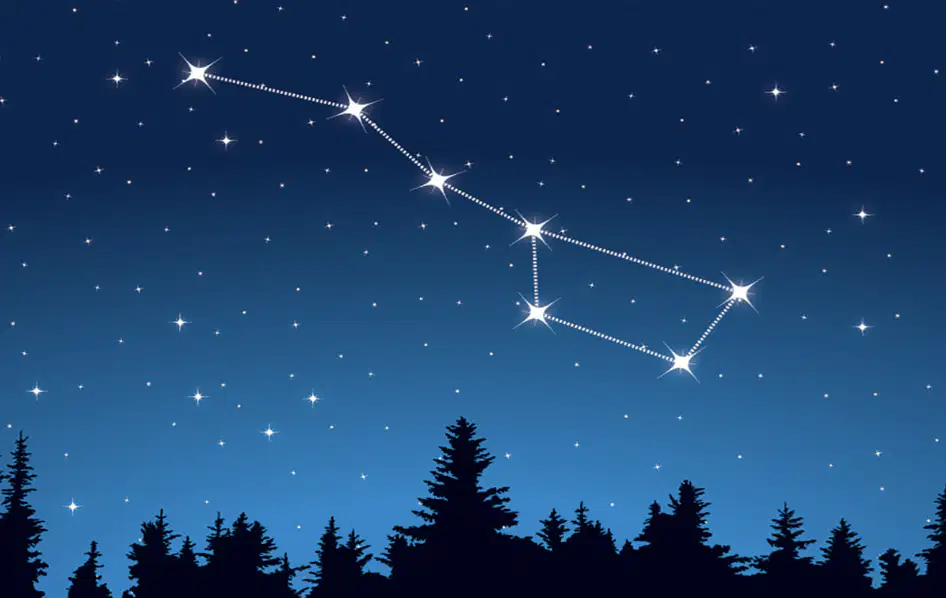
What is an asterism?
A grouping of stars that is not an official constellation
A small constellation
A constellation that is used for navigation
An unofficial name for a constellation
During a lunar eclipse...
The earth is in-between the sun and the moon.
The sun is in-between the earth and the moon.
The moon is in-between the sun and the earth.
The sun is perpendicular to the earth and moon.
Why are neap tides less extreme than spring tides?
The sun and moon are perpendicular on the earth, so their gravitational pulls are not as strong on the earth.
The sun and moon are parallel to the earth, so their gravitational pulls are not as strong on the earth.
The sun and moon are farthest away from the earth, so their gravitational pulls are not as strong on the earth.
The sun and moon are closest to the earth, so their gravitational pulls are strongest on the earth.

