wayground logo

Free Printable Worksheets

NEW

Font size

S
M
L
XL
Worksheets

Unit 2 Test Review

Total questions: 36

Worksheet time: 1hrs 12mins

Name
Class
Date
1.
Why does ice float?
a)
As water freezes, it expands and its density decreases.
b)
As water freezes, it takes up more hydrogen from the atmosphere, causing it to have a greater buoyancy.
c)
As water freezes, air becomes trapped between the hydrogen bonds of water molecules.
d)
As water freezes, it takes up more oxygen from the atmosphere, causing it to have a greater buoyancy.
2.
Large bodies of water, such as lakes and oceans, do not quickly fluctuate in temperature. What is the reason for this phenomenon?
a)
Water is an acid.
b)
Water is a versatile solvent.
c)
Water has a high heat capacity.
d)
 Water acts as a buffer.
3.
When water molecules stick easily to other water molecules, this is called what?
a)
cohesion
b)
adhesion
c)
solution
d)
polar molecule
4.

What characteristic is shown in the image?

a)

Polarity

b)

Hydrogen Bonds

c)

Cohesion

d)

Adhesion

5.

What do the green bonds represent?

a)

Covalent Bond

b)

Hydrogen Bond

c)

Ionic Bond

6.
Why does water move from the roots to the leaves of plants?
a)
Water is pushed by solutes
b)
Capillary action pulls the water molecules like a chain
c)
Water is pulled by gravity
d)
Water’s cohesion causes it to “pull” towards the leaves
7.

When you step out into the cold, your body shivers in order to keep its temperature at 98.6F. Which characteristic of life does this represent?

a)

All living things use energy

b)

All living things contain cells

c)

All living things maintain homeostasis

d)

All living things grow

8.

Green plants produce their own food through the process of photosynthesis. Which characteristic of life does this represent?

a)

All living things use energy

b)

All living things contain cells

c)

All living things maintain homeostasis

d)

All living things grow

9.

Over three years, Tim's height has increased from 5'4" to 5'11". Which characteristic of life does this represent?

a)

All living things contain cells

b)

All living things maintain homeostasis

c)

All living things use energy

d)

All living things grow

10.
The roots of a plant grow towards a source of ground water.
a)
All living things use energy
b)
All living things reproduce
c)
All living things respond to their environment
d)
All living things grow
11.
YOU are a multi-celled organism but an amoeba is a single celled organism.
a)
All living things have cells
b)
All living things grow
c)
All living things use energy
d)
All living things respond to their environment
12.
In order for something to be considered a living organism, it must display _____ of the eight characteristics of living things.
a)
one
b)
some
c)
all
d)
more than half
13.
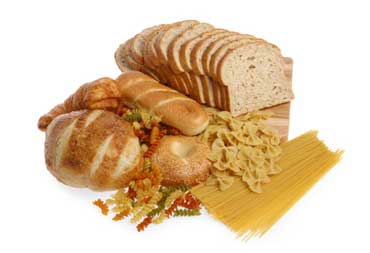
Which biomolecule is found in pasta and bread?
a)
Lipid
b)
Protein
c)
Nucleic Acid
d)
Carbohydrate
14.
Which biomolecule is a main source of quick energy?
a)
Nucleic Acid
b)
Protein
c)
Lipid
d)
Carbohydrate
15.
Which biomolecule is found in fats, oils, and waxes and is a source of long-term energy
a)
Proteins
b)
Nucleic Acid
c)
Lipids
d)
Carbohydrate
16.
What is the function of a nucleic acid?
a)
Stores genetic information
b)
Stores energy
c)
Quick source of energy
d)
Builds structures
17.
Carbon, Hydrogen, Oxygen and Nitrogen are elements in what biomolecule?
a)
Carbohydrate
b)
Lipid
c)
Protein
d)
Nucleic acid
18.
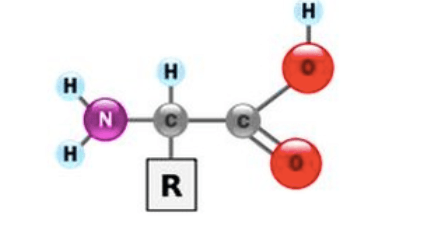
Which biomolecule is this a picture of?
a)
Protein
b)
Nucleic Acid
c)
Lipid
d)
Carbohydrate
19.
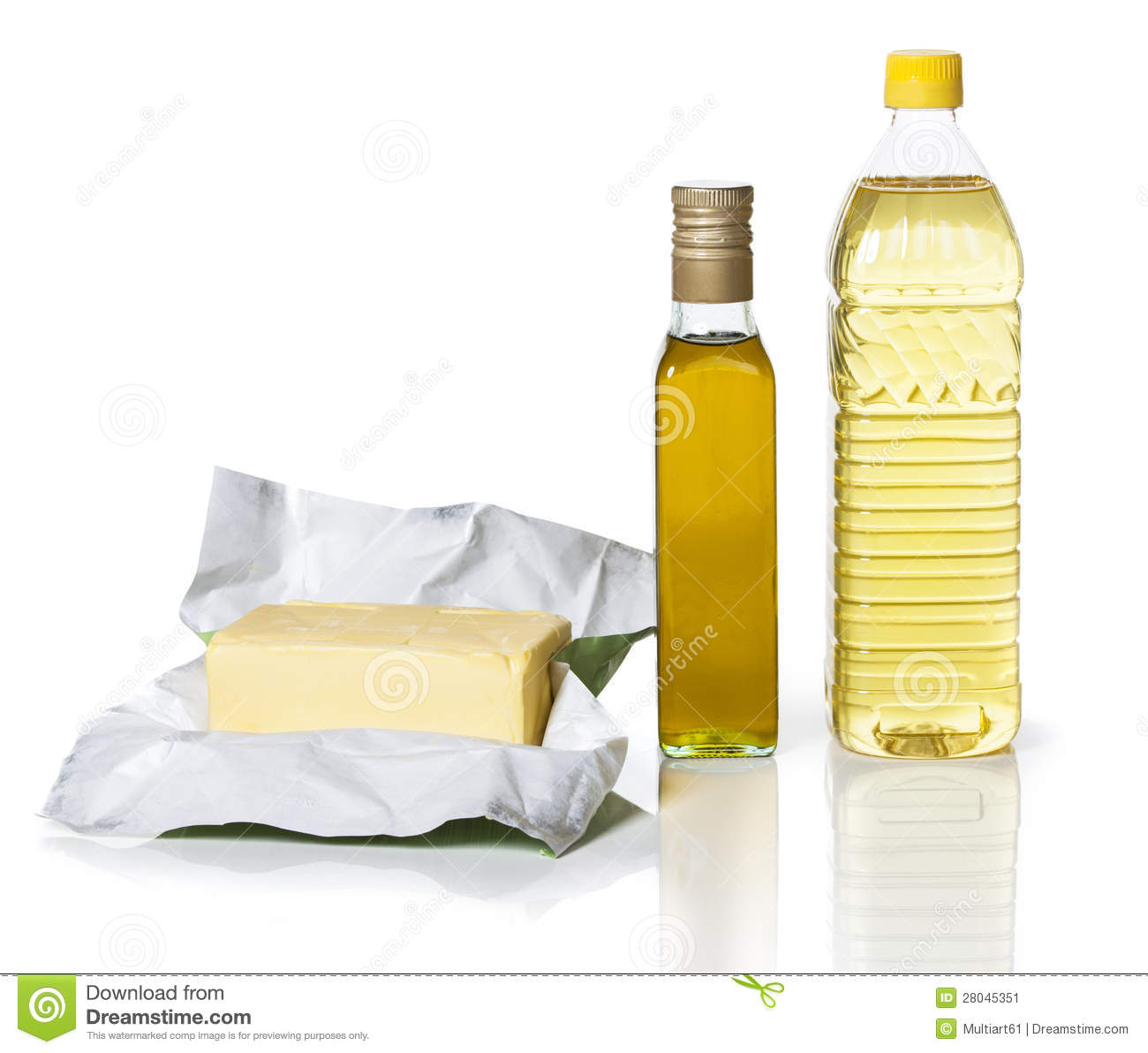
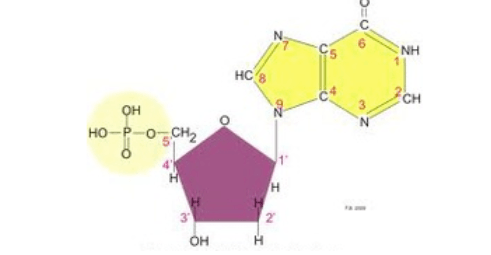
Which biomolecule is this a picture of?
a)
Protein
b)
Nucleic Acid
c)
Lipid
d)
Carbohydrate
20.
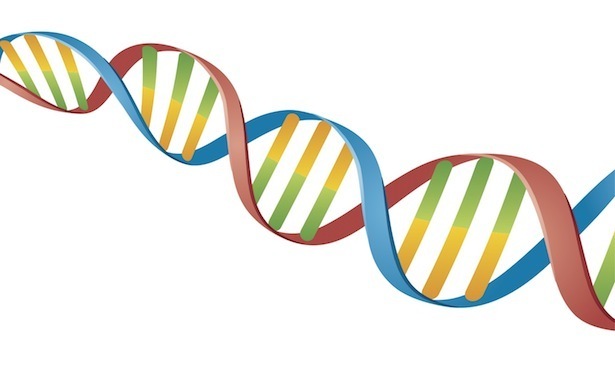
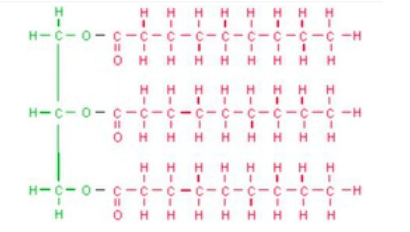
Which biomolecule is this a picture of?
a)
Protein
b)
Nucleic Acid
c)
Lipid
d)
Carbohydrate
21.
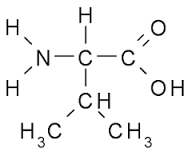
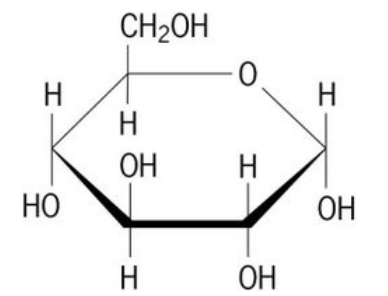
Which biomolecule is this a picture of?
a)
Protein
b)
Nucleic Acid
c)
Lipid
d)
Carbohydrate
22.

What is a function of lipids?

a)

To provide short term energy to living organisms

b)

The provide the structure in muscles

c)

To provide long term storage of energy

d)

Storing your genetic information

23.

Which of the following is a carbohydrate?

a)

DNA

b)

Protein

c)

Sugars

d)

Fats

24.

Which biomolecule is responsible for insulation and energy storage?

a)

Protein

b)

Nucleic Acid

c)

Lipid

d)

Carbohydrate

25.

Which biomolecule helps form muscles?

a)

Nucleic Acid

b)

Carbohydrate

c)

Protein

d)

Lipids

26.

Which biomolecule has sugars and starches?

a)

Lipids

b)

Proteins

c)

Carbohydrates

d)

Nucleic Acid

27.

Which biomolecule contains your genetics?

a)

Carbohydrate

b)

Lipid

c)

Nucleic Acid

d)

Protein

28.
Which biomolecule is this a picture of? (Hint: it is made of amino acids)
a)
Proteins
b)
Nucleic Acids
c)
Lipids
d)
Carbohydrates
29.
The monomer (building block) of a nucleic acid is
a)
Monosaccharide
b)
Amino Acid
c)
Nucleotide
d)
Polysaccharide
30.
Lipids can be digested into what smaller subunits?
a)
nucleic acids
b)
amino acids
c)
fatty acids
d)
glucose
31.
Which 2 molecules contains the elements C-H-O and function pertains to energy?
a)
Lipids and Protein
b)
Carbohydrates and Nucleic Acids
c)
Protein and Carbohydrates
d)
Carbohydrates and Lipids
32.

Changes in pH and temperature can ___________________ an enzyme which causes it to lose its shape and affects its function.

a)

puncture

b)

denature

c)

double

d)

delete

33.

What is the purpose of an enzyme?

a)

control how many reactions occur

b)

raise activation energy

c)

give permission for the reaction

d)

speed up chemical reactions

34.

Enzymes are _______________ that _____________________ chemical reactions by ____________ the amount of activation energy required to start the reaction.

a)

carbohydrates, slow down, lowering

b)

proteins, speed up, increasing

c)

lipids, speed up, lowering

d)

proteins, speed up, lowering

35.
What happens when enzymes are heated to a high temperature?
a)
The enzymes die.
b)
The shapes of the enzyme are altered denature
c)
The enzymes' amino acid sequence changes.
d)
The enzymes remain the same
36.

What does an enzyme need in order to work properly?

a)

The right amount of oxygen & CO2

b)

The right temperature & amount of water

c)

The right temperature & pH

d)

The right temperature & pressure