
 Worksheets
Origins of Civilization (part 1)/Geography
Total questions: 62
Worksheet time: 50mins
How did fire help early people? Select all that apply.
Light- to scare off dangerous animals
To cook food
Warmth- They can now live in colder climates
Advanced New Technology
What is a person who moves from place to place without a permanent home called?
Civilzation
Culture
Environment
Nomad
The discovery of ______ led scientists to believe that ancient people developed skills to survive.
transportation
tools
communities
fire
Which pre-history era appears to have been the period of the most significant development?
New Stone Age (Neolithic Period)
Old Stone Age (Paleolithic Period)
Medieval Period
Jurassic Period
Early writing was done in the form of:
pictures or drawings
communication
code bars
alphabet
What is the meaning of 'complex'?
traditional or established religious beliefs
movement of people from one place to another
having many related parts, not simple
your surroundings
objects made and used by humans. for example: tools, pottery, or weapons
fossils
agriculture
a scientist who studies human life in the past by examining the things that people left behind.
the study of how human beings behave, how they act together, where they came from, and what makes one group of people different from another.
chemistry
Geology
archeology
early humans that lived
by hunting small animals and gathering plants.
nomads
nomad-gathers
the hardened remains or imprints of living things that existed long ago, such as plants, feathers, bones, and even footprints that are millions of years old.
the time before written records
modern history
post history
Which of the following words means to walk on two feet?
hominin
civilization
bipedal
savanna
Which of the following words refers to an animal group that includes humans?
hominin
civilization
bipedal
savanna
Which is not a trait that humans and other hominins share?
Can stand and walk upright
Decreased brain size
Uses language to communicate
Knows how to use tools for a specific purpose
Why did early humans begin to migrate out of Africa about 80,000 years ago?
They were constantly under attack from outsiders.
They believed there were riches to be found in other places.
An ice age led to the drying up of water sources and turned grasslands into desert.
A massive earthquake made them leave.
Besides weapons, for what other reasons did humans use animal bones? (Choose ALL that apply.)
To make sewing needles
To make writing instruments
To make sports equipment.
To make hooks for fishing
What is the "out of Africa" theory.
People originated in South America and slowly moved to Africa.
People originated in Africa and slowly migrated to other continents.
People originated in Australia and slowly moved to Africa.
People originated in North America and slowly moved to Africa.
Which of these describes the Paleolithic Age?
People lived as nomads and had tools made of stones.
People lived in permanent settlements and farmed.
People worked jobs, such as welders and seamstresses.
People domesticated animals.


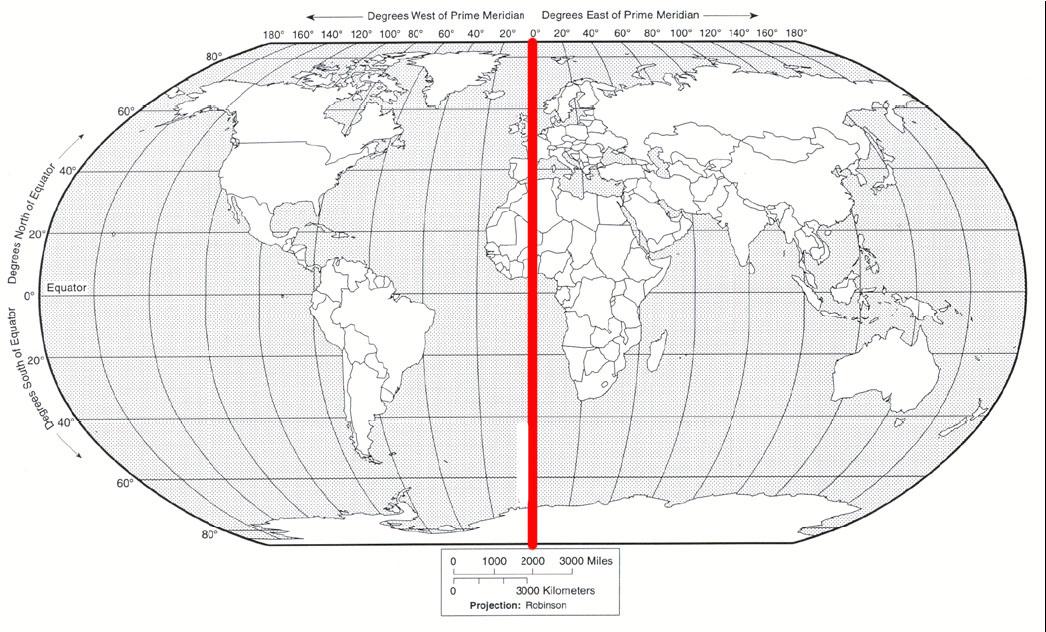
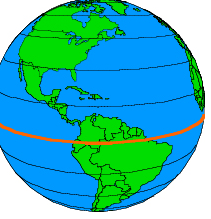


the weather pattern of an area over a long period of time
weather
climate
global grid

Which is a famous line of Latitude?
Prime meridian
Equator

Which continent is highlighted?
Asia
Africa
Europe
Antarctica

Which continent is highlighted?
Asia
Africa
Europe
Antarctica

Which continent is highlighted?
North America
Africa
Europe
Antarctica

Which continent is highlighted?
North America
Africa
Asia
Antarctica

Which continent is highlighted?
North America
Africa
Asia
Australia

Which continent is highlighted?
North America
Africa
South America
Australia


On average, the higher the elevation of a place, the _______ it will be.
hotter
colder
What do we use to find absolute location?
latitude and longitude
the equator and international dateline
a GPS and an XLP
landmarks and distances


The spread of Goods, People, and Ideas
Movement
Human-Environment Interaction
Location
Place
Region

Depend on, Adapt to, and Modify/Change the Environment
Movement
Human-Environment Interaction
Location
Place
Region
What makes it unique/different than other areas?
Movement
Human-Environment Interaction
Location
Place
Region

The Paleolithic began with...
The appearance of the first human beings.
Dinosaurs.
Lucy.
The discovering of America.

During the Paleolithic Age, people were...
Scientifics.
Nomads.
Hunters.
Gatherers

How did they live?
In tribes.
In towns.
In small groups formed by families.
In caves.
What type(s) of evidence do historians have to verify that events in prehistory actually occurred?
Tools.
All of these.
Pictures.
Fossils.

What are artifacts?
Are remains of living things (plants, animals, people).
They are a type of food.
Are remains of things that were made (tools).

What are fossils?
Are remains of living things (plants, animals, people).
They are a type of food.
Are remains of things that were made (tools).

What did they do inside the caves?
They talk about the weather.
They watch TV.
They drew paintings on the walls.

The Paleolithic humans made...
Metal tools.
Wooden tools.
Stone tools.

Paleolithic people discovered...
Metal
Fire
Water
Electricity

The Paleolithic people used fire to...
Cook.
To light the dark caves.
To keep dangerous animals away.
To paint.

