wayground logo

Free Printable Worksheets

Font size

S
M
L
XL
Worksheets

CHEM 160 Exam 1!!!!

Total questions: 36

Worksheet time: 28mins
Name
Class
Date
1.
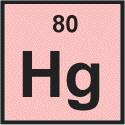
What is the atomic number of this element?
a)
4
b)
80
c)
79
d)
8
2.
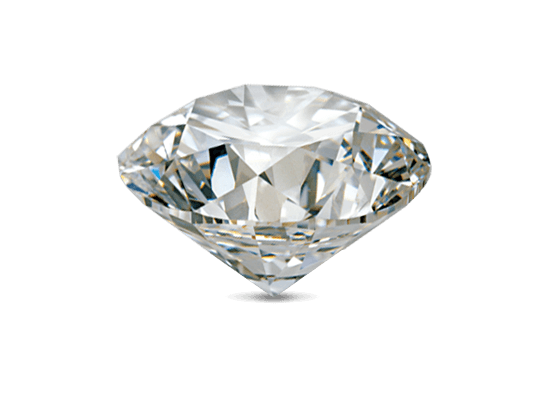
What element primarily makes a diamond?
a)
Hydrogen
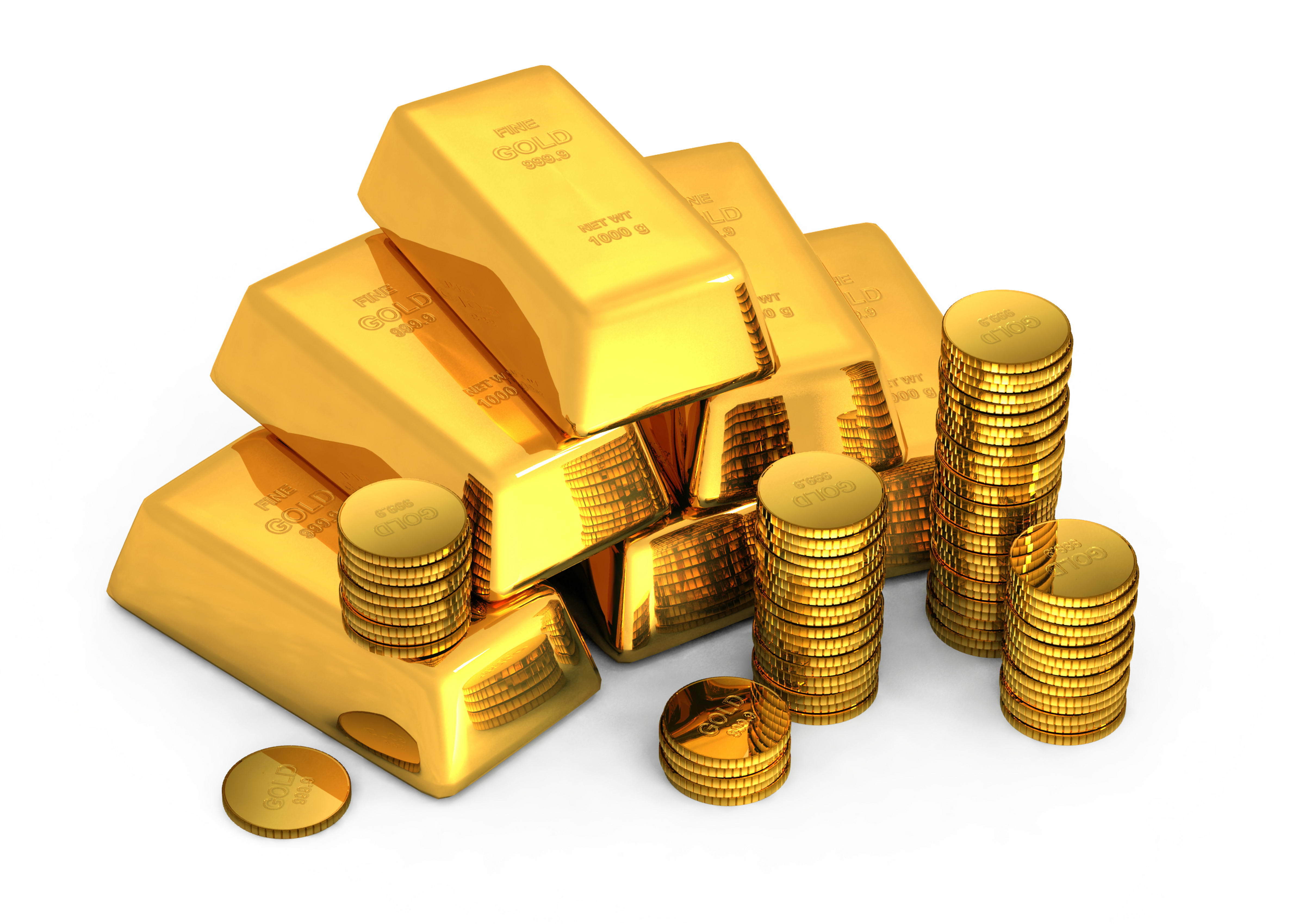
b)
Silver
c)
Carbon
d)
Calcium
3.
What is the symbol for Potassium?
a)
P
b)
K
c)
Pb
d)
Pd
4.
What is the symbol for Carbon?
a)
C
b)
Ca
c)
Cl
d)
H
5.
What is the name of this element?
a)
Helium
b)
Rubidium
c)
Hydrogen
d)
Mercury
6.
Which one of these is not a noble gas?
a)
Helium
b)
Radon
c)
Iodine
d)
Krypton
7.

Which does the prefix mega (M) mean numerically?

a)

10^6

b)

100

c)

3.14

d)

10^9

8.

What is the value of Planck's constant?

a)

6.022 x 10^23

b)

3.00 x 10^8

c)

6.626 x 10^-34

d)

fart

9.
Which one of these is the symbol for lead?
a)
Rb
b)
Pb
c)
Li
d)
Au
10.

Is Dr. Greene-Johnson a Grammy winner?

a)

yes she's iconic

b)

nah

11.
What family is Sodium a part of?
a)
Transition Metals
b)
Halogens
c)
Alkali Metals
d)
Alkaline Earth Metals
12.
What two elements come together to make this substance in the picture?
a)
Oxygen and Carbon
b)
Sodium and Calcium
c)
Sodium and Chlorine
d)
Helium and Nitrogen
13.
If you were working out you would be "pumping _______."
a)
I
b)
Fe
c)
Mg
d)
Y
14.
What family is silver a part of?
a)
Transition Metals
b)
Noble Gases
c)
Alkali Metals
d)
Alkaline Earth Metals
15.
What family is Cadmium a part of?
a)
Noble Gases
b)
Metalloids
c)
Transition Metals
d)
Actinoids
16.
Silicon is a 
a)
Metal
b)
Nonmetal
c)
Metalloid
d)
Halogen
17.
__________ would have some characteristics of metals and some characteristics of nonmetals.
a)
Gold
b)
Sodium
c)
Arsenic
d)
Bismuth
18.

What is your SI's star sign?

a)

caprisun

b)

pisces

c)

scorpio

d)

yo momma

19.
Which element that starts with a B is an Alkaline Earth Metal?
a)
Barium
b)
Boron
c)
Bread
d)
Bromine
20.
What element is this?
a)
Silver
b)
Silicon
c)
Sulfur
d)
Selenium
21.
Most of the elements on the periodic table are classified as _____.
a)
Metals
b)
Nonmetals
c)
Metalloids
d)
Periods
22.

Metals are found on the ______________ side of the periodic table.

a)

nonmetals

b)

left

c)

right

d)

metals

23.

This group of elements sit along a stair step line on the periodic table and have properties of both metals and nonmetals. _________________________

a)

luster

b)

metals

c)

nonmetals

d)

metalloids

24.

What is the name of group number 2?

a)

transition metals

b)

halogens

c)

metaloids

d)

alkaline earth metals

25.

What group number are the halogens found?

a)

18 (8A)

b)

1

c)

2

d)

17 (7A)

26.

Protons are located in the nucleus of the atom. A proton has

a)

No charge

b)

A negative charge

c)

A positive and a negative charge

d)

A positive charge

27.

Neutrons are in the nucleus of the atom. A neutron has

a)

A positive charge

b)

No charge

c)

A negative charge

d)

Twice as much positive charge as a proton

28.

What is the chemical symbol for gold?

a)

Hg

b)

Ca

c)

Au

d)

Ag

29.

Which of the following examples provides evidence of a PHYSICAL change?

a)

Wood is burned and releases ash and smoke

b)

Iron rusts over time

c)

When mixed, baking soda and vinegar form gas bubbles

d)

A piece of paper changes shape when you rip it up

30.

Is this an example of a physical or chemical change?

a)

Physical

b)

Chemical

31.
What is the atomic number?
a)
the number of protons
b)
the number of protons and neutrons
c)
the number of neutrons
d)
the number of protons and electrons
32.
What is the mass number defined as?
a)
the number of protons
b)
the number of protons and neutrons
c)
the number of neutrons
d)
the number of protons and electrons
33.
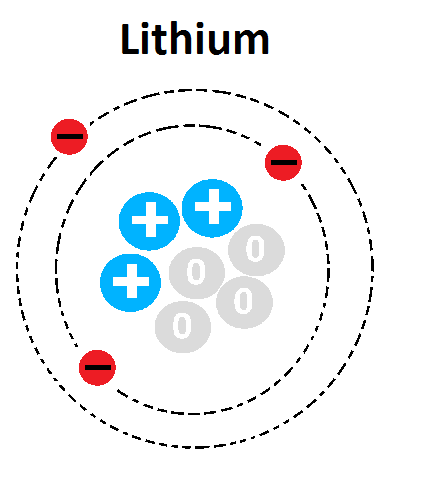
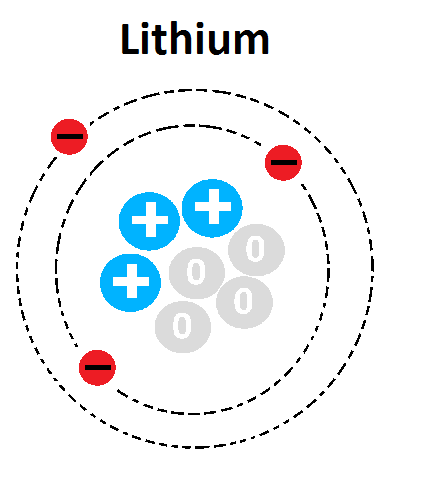
What is the atomic number of this atom?
a)
1
b)
3
c)
4
d)
7
34.

What is the mass number of this atom?

a)

1

b)

3

c)

4

d)

7

35.

ALL atoms of the same element have:

a)

same number of proton

b)

same number of nucleon

c)

different number of neutron

d)

different number of electron

36.
What do these isotopes of carbon all have in common?
a)
neutrons & mass number
b)
atomic number and neutrons
c)
atomic number and electrons
d)
protons, atomic number, and mass number