
NEW
Font size
 Worksheets
American Government and Civics (7th Period) Unit 2 Review
Total questions: 40
Worksheet time: 44mins

What does the political cartoon represent?
3/5 Compromise: every 5 slaves = 3 people for representation & taxation in Congress
5/3 Compromise: every 3 slaves = 5 people for representation & taxation in Congress
3/5 Compromise: every 3 slaves = 5 people for representation in the slave trade taxes
10/8 Compromise: every 10 slaves = 8 people for representation in the Appalachian Mountains
This Federalist is know as the "Father of the Constitution"
Thoas Paine
Thomas Jefferson
James Madison
How did Federalists and Anti-Federalists "compromise" to ratify (approve) the U.S. Constitution?
they added the Bill of Rights (first 10 amendments)
ensured due process of law
they outlawed cruel and unusual punishment
the Federalists threatened the Anti-Federalists with war
They thought the Constitution gave the national government too much power.
federalist
antifederalist
This group was in favor of a strong central government to protect the nation.
Anti-Federalists
Patriots
Federalists
The 1st amendment protects which of the following?
Freedom from unreasonable searches and seizures.
Freedom of religion, speech, press assembly and petition.
Right to trial by jury.
No quartering of soldiers.
The 6th amendment protects which of the following rights?
No quartering of soldiers.
Right to due process of law, freedom from self-incrimination, and double jeopardy.
Powers reserved to the states.
Rights of accused persons (speedy and public trial).
Article 2 deals with
Congress
President
Supreme Court
Amendments
Article 3 deals with
President
Supreme Court
Congress
Amendments
Article 6 deals with
Supremacy clause
Elastic Clause
Necessary and Proper Clause
Amendments
What was the purpose of the Supremacy Clause?
National laws take priority over state laws
State Laws are above National Laws
To be supreme in every single way.
The national and state laws serve no purpose.
Who delivers the State of the Union Address?
The President of the United States
The Vice President of the United States
Congress
How many amendments are there?
21
10
75
27
What amendments tell how the government is organized?
First 2
First 5
First 7
First 10
Amendments are proposed by a 2/3rds vote of
state legislatures
counties
Senate
Senate and the House of Representatives
Amendments must be ratified by a __________ vote by state legislatures.
2/3
3/4
1/2
1/4
A military draft was last utilized during the Vietnam War. The draft is an example of what type of power?
Reserved Power
Enumerated Power
Concurrent Power
Implied Power
The case Brown v. Board of Education was famous because the court ruled that it is illegal to...
Segregate schools
Allow children to attend white schools
Allow children to work on schools
Keep schools equal

Collecting taxes
Delegated/Enumerated
Reserved
Concurrent
The "Elastic Clause allows Congress to establish laws that are ________ & _______ to carry out vested duties.
constitutional and rational
necessary and proper
proper and rational
constitutional and proper
What population did the 24th Amendment ensure suffrage to?
poor people of all races.
women.
immigrants.
Native Americans.

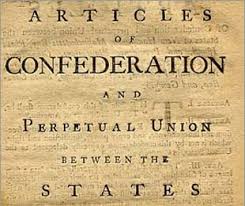
What was the main weakness of the Articles of Confederation?
the federal government was too weak
It had no legislative branch
The judicial was too powerful
The executive was too powerful
Federal law is supreme over state law.
Contracts Clause
Elastic Clause
Supremacy Clause
Commerce Clause
This Clause gives congress the power to regulate trade with foreign nations and between the state.
The Elastic Clause
The Full faith and Credit Clause
The Supremacy Clause
The Commerce Clause

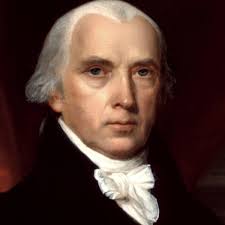
Who is known as the "Father of the Constitution"?
George Washington
Alexander Hamilton
James Madison
Benjamin Franklin
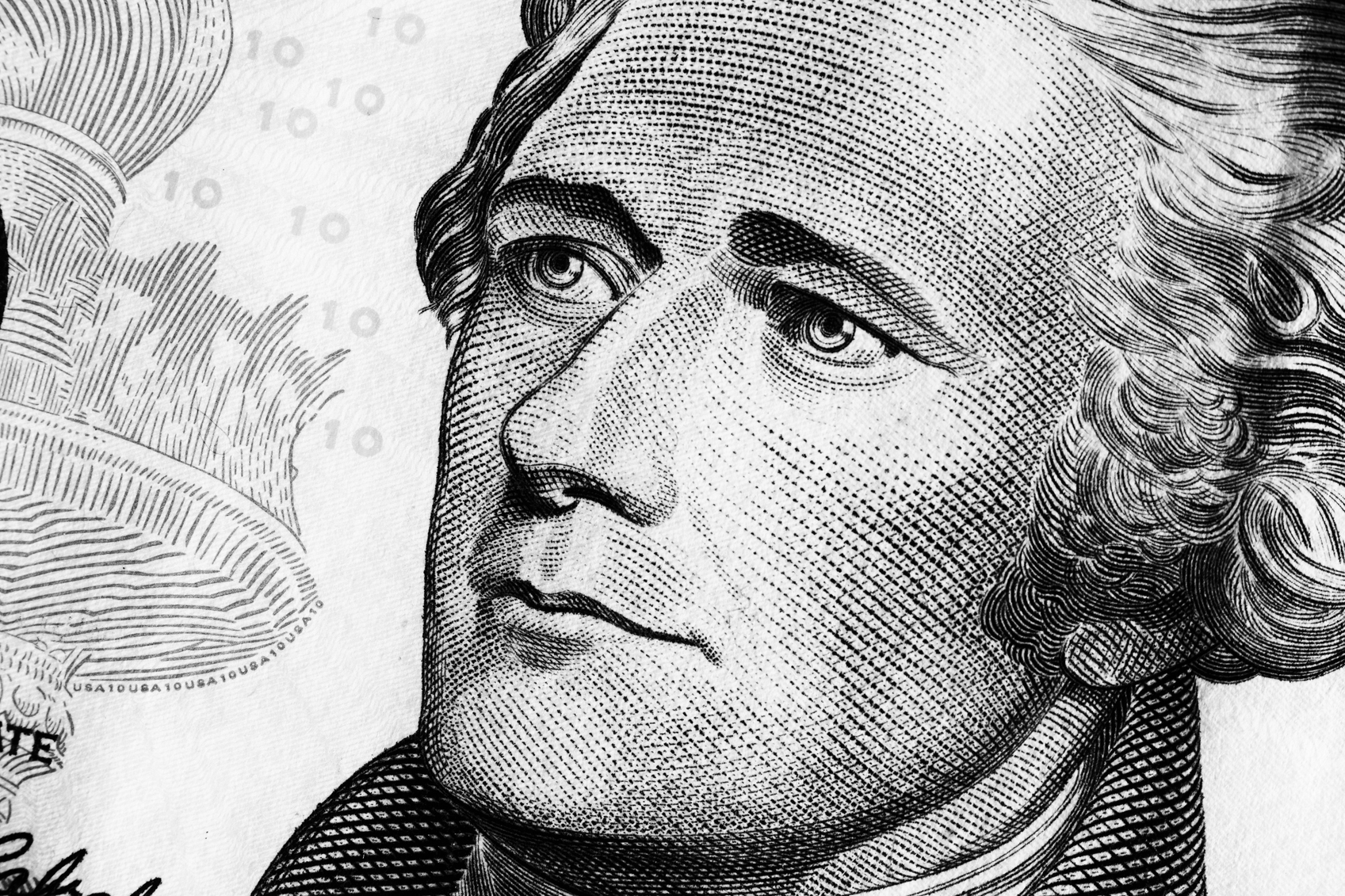
Who is known as the leader of the Federalists?
Alexander Hamilton
John Adams
Patrick Henry
Benjamin Franklin
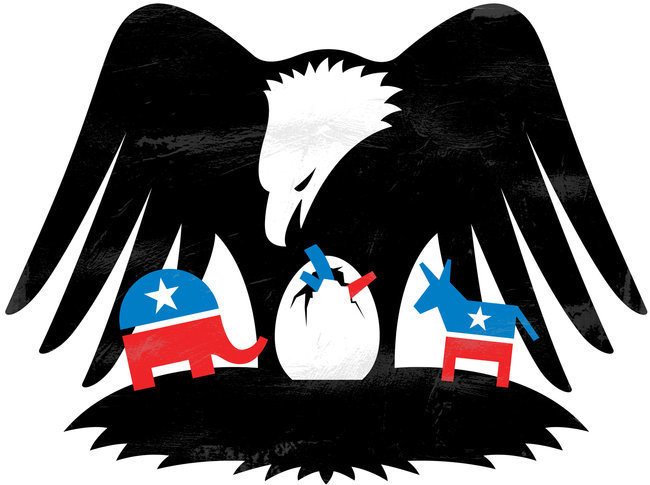
The Federalist and Anti-Federalists groups are known as _______________.
Governing Groups.
Political Parties.
Militia's.
Delegates.

The ___________ are for the ratification (approval) of the U.S Constitution.
Federalists
Anti-Federalists
Whiggs
Representatives
The ___________ are NOT for the ratification (approval) of the U.S Constitution.
Anti-Federalists.
Federalists.
Whiggs.
Supreme Court Justices.
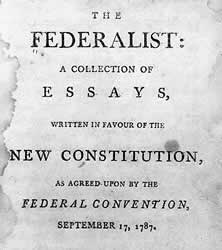
The "Federalist Papers" were written to:
Explain and convince the people into supporting the new U.S Constitution.
spark a new revolution among the American people against their government.
oppose a strong centralized government.
create a new monarchy.
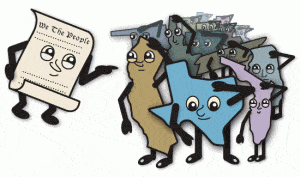
Anti-Federalists were in favor of:
States Rights and the protection of individual rights.
A strong Central Government.
A Monarchy (King & Queen) to rule over the country.
a powerful National Government
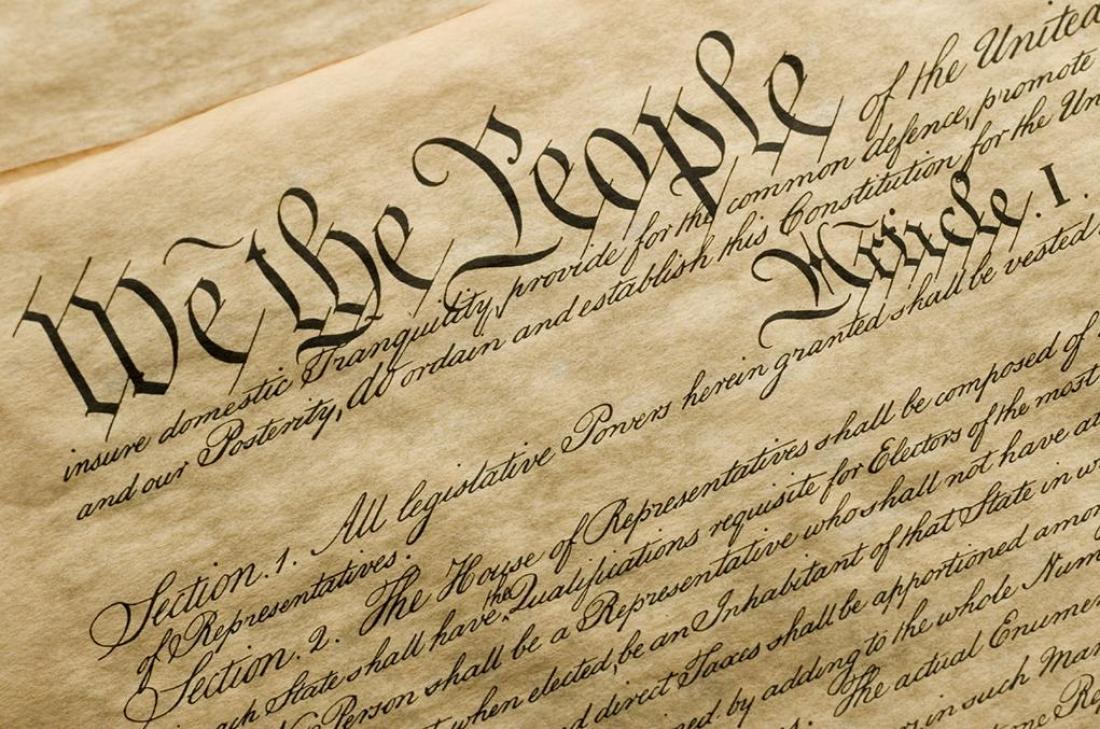
How did the Federalists and Anti-Federalists "compromise" to ratify (approve) the U.S Constitution?
The added the Bill of Rights (First 10 Amendments)
They outlawed cruel and unusual punishment.
Ensured due process of the law.
The Federalists threatened the Anti-Federalists to war.

