
 Worksheets
Animal Taxa
Total questions: 21
Worksheet time: 13mins
This phylum has no symmetry and no tissues.
Cnidaria
sponges
Molluscs
Crustaceans
This phylum has radial symmetry and hunts prey using special "stinging"cells
Earthworms
Chelicerata
Cnidaria
Bivalves
This phylum features some parasites, and some non parasites.Most animals in this group have a single opening
that serves as mouth and anus.
Insects
Leeches
Earthworms
Flatworms
This phylum features segmented animals that do not molt,
and circulate nutrients using the heart and arteries.
Annelids
Bivalves
Flatworms
Flukes
This phylum contains segmented animals that have a exoskeleton and
require molting for growth.
Molluscs
Arthropods
Leeches
Jellyfish
This phylum contain animals which have circulatory systems,
as well as a protective covering called a mantle.
Snails/slugs
Annelids
Molluscs
Sponges
This group is part of phylum flatworms.These animals lack a digestive system
and appear to have segments.They are parasites.
Insects
Corals
Cnidaria
Tapeworms
This group is part of phylum Flatworms.They are leaf shaped,parasitic animals
with a branched digestive cavity.
Crustaceans
Flukes
Sea Anemones
Jellyfish
These cnidarians are small and always live in colonies.They often form relationships
with algea.
snails/slung
jellyfish
Corals
sponges
These cnidarians are poly shaped, and may live on their own or in colonies.
Sea Anemones
polychaetes
cephalopods
annelids
These cnidarians are medusa shaped as adult.They can swim freely
around the ocean to hunt.
bivalves
millipedes and centipedes
Jellyfish
leeches
The most diverse group of molluscs featuring animlas that
may live on land or in the water.
(a)
A group of molluscs featuring animals with 2 shells joined at a hinge.
(a)
An intelligent group of molluscs featuring animals with arms
or tentacles.
(a)
Arthropods that are mostly marine or aquatic.They feature more than 3
pairs of legs and 2 pair of antennae.
(a)
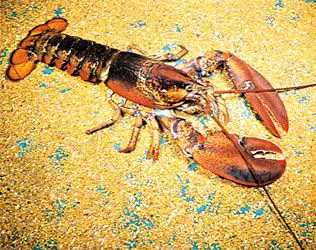
Arthropods that includes spiders and horsehoe crabs.They feature
tiny pincer like structures around their mouth.
(a)
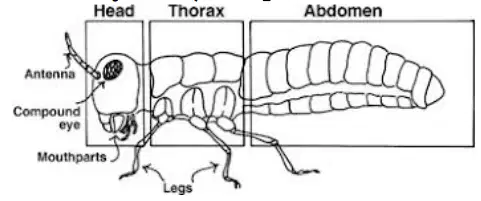
Arthropods with 3 body segments and 3 pairs of legs.
cnidaria
Insects
Tapeworms
bivalves
Arthropoda that only live on land and feature many body segments
and sets of legs.
chelicerata
polychaetes
Millipedes and centipedes
snails/slug
Annelids that are terrestrial and move through the soil
using small bristles called setae.
Earthworms
flatworms
Tapeworms
Flukes
Parasitic Annelids
Corals
Sponges
Insects
Leeches
Annelids that live in water and feature visible,
bristle like legs.
sea anemones
Polychaetes
Molluscs
millipedes and centpedes

