
 Worksheets
Basic Canine & Feline Anatomy Review
Total questions: 42
Worksheet time: 2hrs 8mins


The atria is the...
top two chambers
bottom two chambers
The ventricles are the--
top two chambers
bottom two chambers
Arteries carry ___ ___ from the heart.
(a)
What transports blood from the heart throughout the body and back to the heart?
Arteries
Veins
Capillaries
All of the above
Which of the following are parts of the small intestine?
Duodenum
Jejunum
Ileum
All of the above
Smooth muscles are involuntary.
True
False
Which organ system removes waste from the body?
excretory
cardiovascular
endocrine
skeletal
Insulin is a hormone produced by the ___________________.
liver
bladder
pancreas
heart
Endocrine glands secrete _
Hormones
Neurotransmitters
A wide range of chemical substances
What are the main functions of the excretory system?
deliver oxygen to the body
deliver nutrients to the body
remove water and waste from the body
remove disease from the body
Which organ filters blood?
Kidneys
Large Intestine
Lungs
Bladder
Which organ(s) absorb excess water and store solid waste?
Bladder and kidneys
Large Intestine
Lungs
What are the main functions of the excretory system?
deliver oxygen to the body
deliver nutrients to the body
remove water and waste from the body
remove disease from the body
True or False:
Kidneys filter waste from blood.
True
False
What are the two parts of the immune system
Innate and Adaptive
Passive and Aggressive
Innate and Non-Specific
Adaptive and Acquired
What is the scientific name of the causes of infectious diseases?
Germ
Pathogen
Intruder
Disease
This sticky fluid traps any pathogens that try and get into the body
Mucous Lining
Blood
Stomach Acid
Skin
What does the Skeletal System do?
Pumps blood to the heart
Triggers the brain
Does NOT support the body
Supports the body
Fun Fact: How many muscles do cats have in just one ear?
5
20
22
32
Muscles can be divided into:
voluntary
involuntary
smooth
skeletal
cardiac

An example of voluntary movement would be:
Dancing
heart beat
digestion
breathing

The nervous system is composed of the ___, ___, and ___.
heart, brain, kidneys
lungs, liver, stomach
brain, spinal cord, nerves
Two major branches of the nervous system
central and peripheral
peripheral and motor
motor and sensory
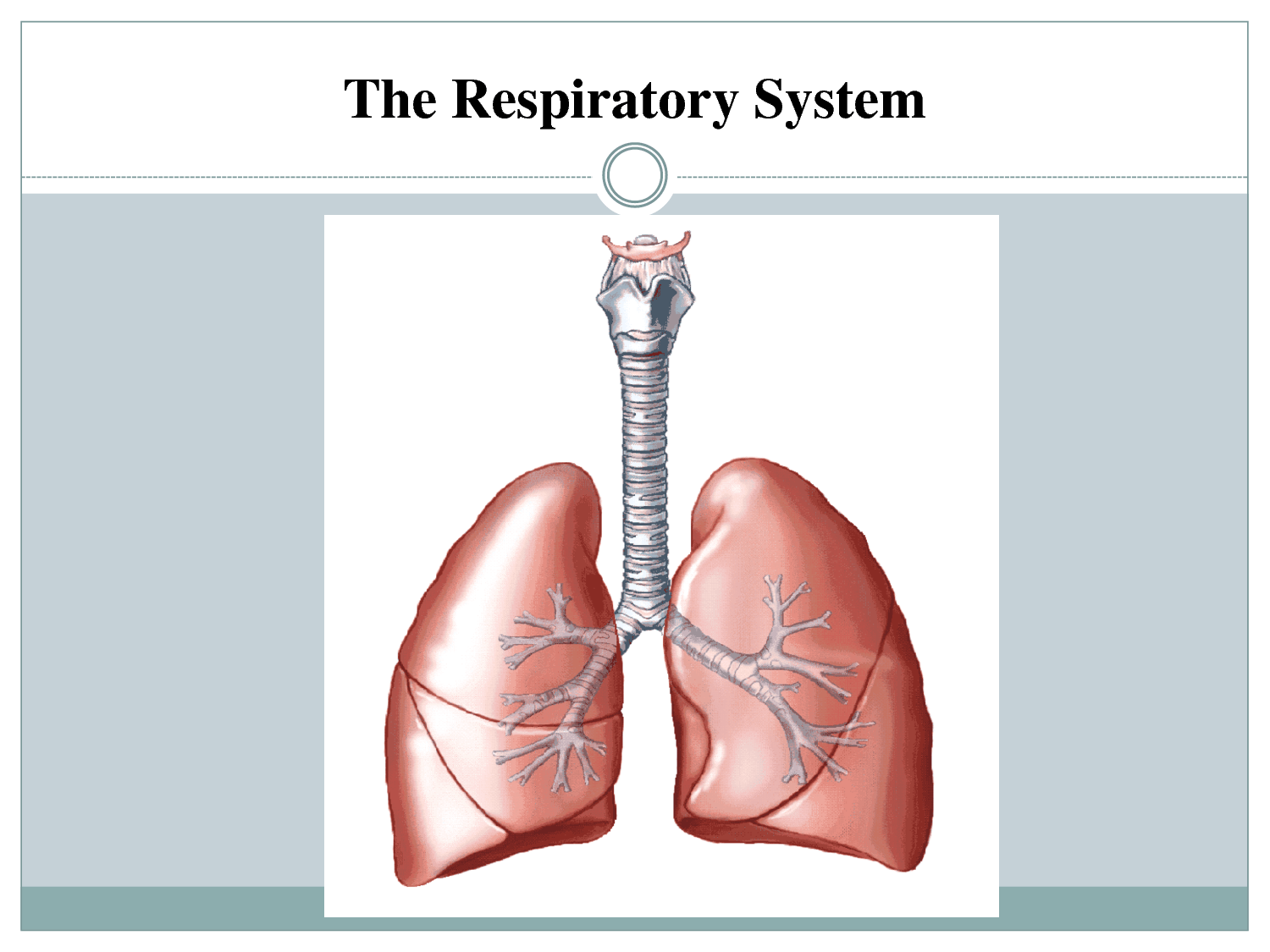
Which is NOT a respiratory structure found in animals?
Lungs
Gills
Skin
Fur
................. give structure to the body and allow it to move.
Mouth
Bones
Skin

Which skeletal section is shaded blue?
Axial Skeleton
Appendicular skeleton
Bones that surround the spinal cord are classified as ________ bones.
irregular
sesamoid
flat
short
The axial skeleton includes
scapula, humerus, radius
pelvis, femur, tibia
carpal bones
Skull, vertebrae, ribs

What bone shape is the humerus?
Long
Short
Sesamoid
Irregular

What bone shape are the thoracic vertebrae?
Long
Short
Irregular
Sesamoid

