
 Worksheets
URTICARIA, EKZEMA
Total questions: 10
Worksheet time: 4mins
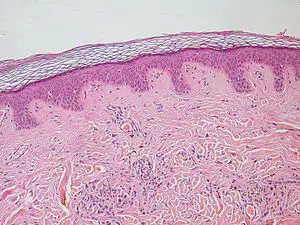
In which layer are the blood vessels located that cause the vasodilatation of urtica?
/Mely rétegben találhatók azon erek, melyek vasodilatatioja urtica jelenségét okozzák?
epidermis
papillaris dermis
germinative layer
subcutis

Which symptom is not characteristic of anaphylaxis?/ Melyik tünet nem jellemző anaphilaxiára?
urticaria
hypotensio
diarrhoea
hypothermia
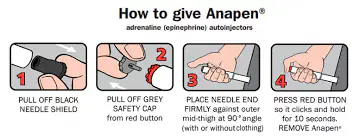
Dose and route of administration of adrenaline in anaphylaxis: / Adrenalin dózisa és alkalmazási módja anaphylaxia esetében:
0,01 mg/ttkg iv.
0,03 mg/ttkg im.
0,01 mg/ttkg im.
0,015 mg/ttkg sc.
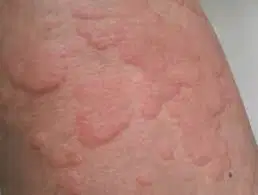
Which therapy is not used in the treatment of urticaria? /
Milyen terápiát nem alkalmaznak urticaria kezelésében?
Antihistmaines / Antihisztaminok
adalimumab
omalizumab
anti-IgE antibody / IgE ellenes antitest

Melyik ekzema típus nem minősül exogén eredetűnek? /
Which type of eczema is not considered to be of exogenous origin?
fototoxic / fototoxikus
irritative / irritatív
atopic / atópiás
contact / kontakt
Which secondary elementary lesion is seen in atopic dermatitis? Melyik secunder elemi jelenség látható atópiás dermatitisben?
Lichenification / lichenificatio
Bulla
Vesicle / vesicula
Ulcer / ulcus
When does acute urticaria become chronic?
after 4 weeks
after 2 weeks
after 6 weeks
after 8 weeks
What other diseases are commonly present in patients with atopic dermatitis?
Food allergies and emphysema.
Hay fever and emphysema.
Emphysema, rhinitis, conjunctivitis.
Conjunctivitis, rhinitis, bronchial asthma, food allergies.
Which is the most common allergen causing allergic contact dermatitis?
Titanium
Parabens
Formalaldehyde
Nickel
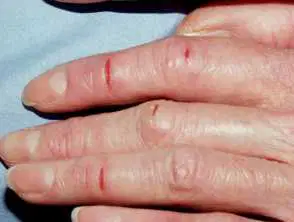
Which elementary lesion is shown in the photo?
Fistula
Fissure
Lichenification
Ulcer

