
 Worksheets
Ecology Quiz 1 Review
Total questions: 42
Worksheet time: 44mins
Abiotic means
living
nonliving
What is the difference between the biotic and abiotic factors?
Biotic factors are living things and abiotic factors are nonliving things.
Biotic factors are nonliving things and abiotic factors are living things.
What is a example of a abiotic factor?
Panda
Bacteria
Butterfly
Weather

Identify all of the following that are living.
Volcano
Tree
Sun
Fungus

What does this picture represent?
All living things are made of cells.
All living things grow.
All living things reproduce.
All living things need energy.

What does this picture represent?
All living things are made of cells.
All living things reproduce.
All living things are made of DNA.
All living things need energy.

What does this picture represent?
All living things grow.
All living things respond to stimuli.
All living things reproduce.
All living things are made of DNA.

Biome with many different species of cacti and reptiles and very little rainfall.
Desert
Temperate Rainforest
Tropical Rainforest
Arctic Tundra

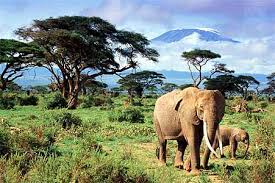
Which biome contains large populations of grazing herbivores, few species of birds, and deep, rich soil?
tropical rain forest
desert
deciduous forest
grassland


What biome is this
tundra
deciduous forest
desert
grassland
One of a species.
Organism
Population
Community
Ecosystem
Biome
Made up of a community AND the abiotic environment. All the living and nonliving things in the same area.
Biosphere
Population
Community
Ecosystem
Biome

What part of the environment is this group of seagulls?
Organism
Population
Community
Ecosystem
Biome

What part of the environment are these plants, different types of fish, jellyfish, and water?
Biosphere
Population
Community
Ecosystem
Biome
large geographic areas that can be found on separate continents; they share common plant, animal and climate.
biome
ecosystem
Frogs, fish, water striders, and reeds all live in the same pond and interact with one another. They are part of the same ___________.
community
niche
habitat
population
Made up of a community AND the abiotic environment. All the living and nonliving things in the same area.
Biosphere
Population
Community
Ecosystem
Biome
Example of a consumer
flower
tree
algae
hawk
Where does all energy in food web originate from?
Earth's Core
Water
Plants
The Sun
Organisms that make their own food, often through photosynthesis.
Producers
Primary Consumers
Secondary Consumers
Tertiary Consumers
Organisms that must eat to gain energy, and eat producers.
Producers
Primary Consumers
Secondary Consumers
Tertiary Consumers
Organisms that must eat to gain energy, and eat primary consumers.
Producers
Primary Consumers
Secondary Consumers
Tertiary Consumers
Organisms that must eat to gain energy, and eat secondary consumers.
Producers
Primary Consumers
Secondary Consumers
Tertiary Consumers

In this food web, the berries would be a _________.
Producer
Primary Consumer
Secondary Consumer
Tertiary Consumer
In this food web, the mouse would be a _________.
Producer
Primary Consumer
Secondary Consumer
Tertiary Consumer
What is a Carnivore?
Animal that eats only plants
Animal that eats only meat
Animal that eats both plants and meat
What is an Omnivore?
Animal that eats only plants
Animal that eats both plants and meat
Animal that eats only meat
What is a Herbivore?
Animal that eats only plants
Animal that eats both plants and meat
Animal that eats only meat

