
Font size
 Worksheets
5th Grade Life Science so Far
Total questions: 71
Worksheet time: 2hrs 27mins

What is this body part?
Small Intestine
Large Intestine
Lungs
Bladder

What is this body part?
Small Intestine
Large Intestine
Stomach
Brain

What is this body part?
Liver
Heart
Intestine
Pancreas

What body part is shown here?
Muscles
Skeleton
Skin
Intestines

What body part is shown here?
Muscles
Skin
Bones
All the above

What body part is shown here?
Brain
Stomach
Bladder
Kidneys

Which body part is shown here?
Brain
Kidneys
Bladder
Heart

Which body part is this?
Lungs
Stomach
Skin
Muscles

Which body part is this?
Brain
Heart
Liver
Pancreas

Which body part is this?
Heart
Lungs
Stomach
Kidneys

Which body part is this?
Stomach
Brain
Bladder
Lungs

Which body part is this?
Stomach
Pancreas
Liver
Intestines

Which body part is this?
Liver
Stomach
Pancreas
Heart

Which part of the body is this?
Brain
Sensory Organs
Muscles
Bones

What is the function of structure B?
It absorbs water from digested food.
It breaks down food into small parts.
It secretes juices to break down food.
It releases nutrients into the bloodstream.

Organ C has become damaged and part of it has to be removed. Which of these is a lifestyle change one needs to make to stay healthy?
Reduce the amount of fat in their diet.
Increase the amount of water a person drinks.
Increase the amount of protein a person consumes.
It releases nutrients into the bloodstream.

How does a similar structure in fish compare in the function to this organ in humans?
Both organisms control all bodily functions in the organisms.
Both organs break down food and provide energy.
Both organs are responsible for exchanging gases.
Both organs move blood and nutrients throughout the body.

What is the organ on the right (with the star)?
The liver
a lung
a kidney
the stomach
What do plants need? Choose 3 answers.

What part of the plant is this?
leaf
stem
roots
flower


Which part is this?
Roots
Leaves
Stem
fruit
Which part makes food for the plant?
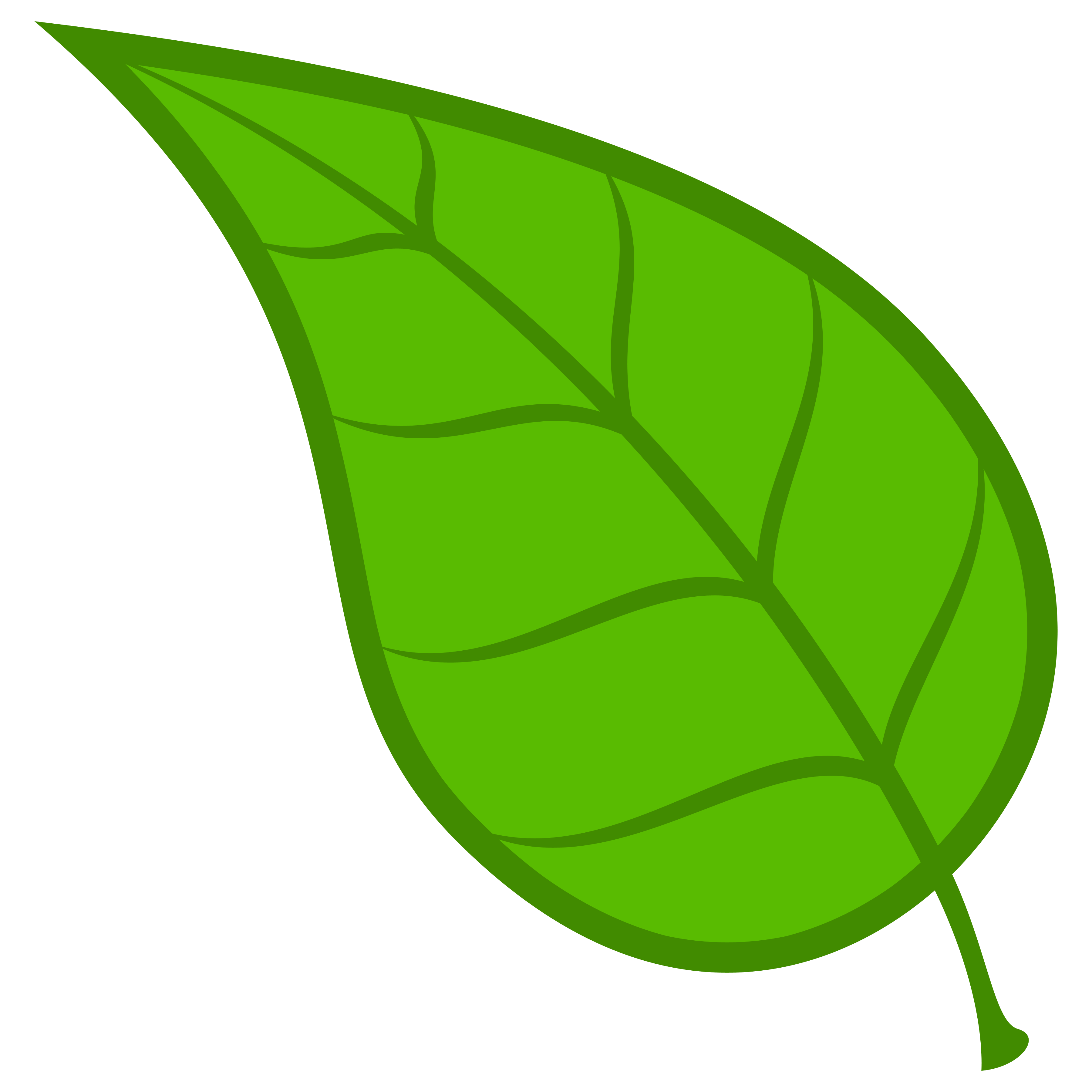
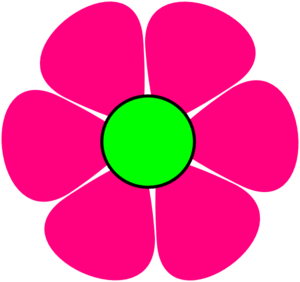
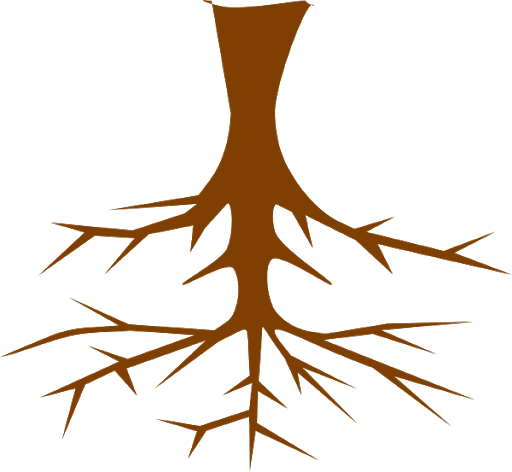
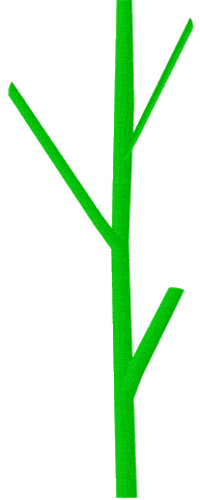
Which parts hold the plant in the ground and take in water?
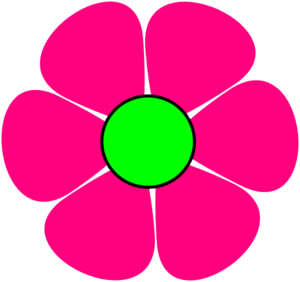
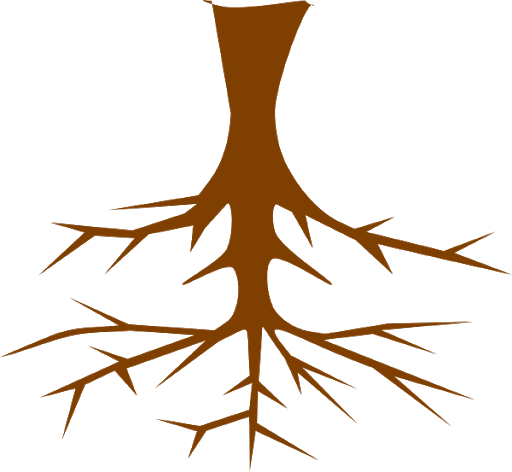
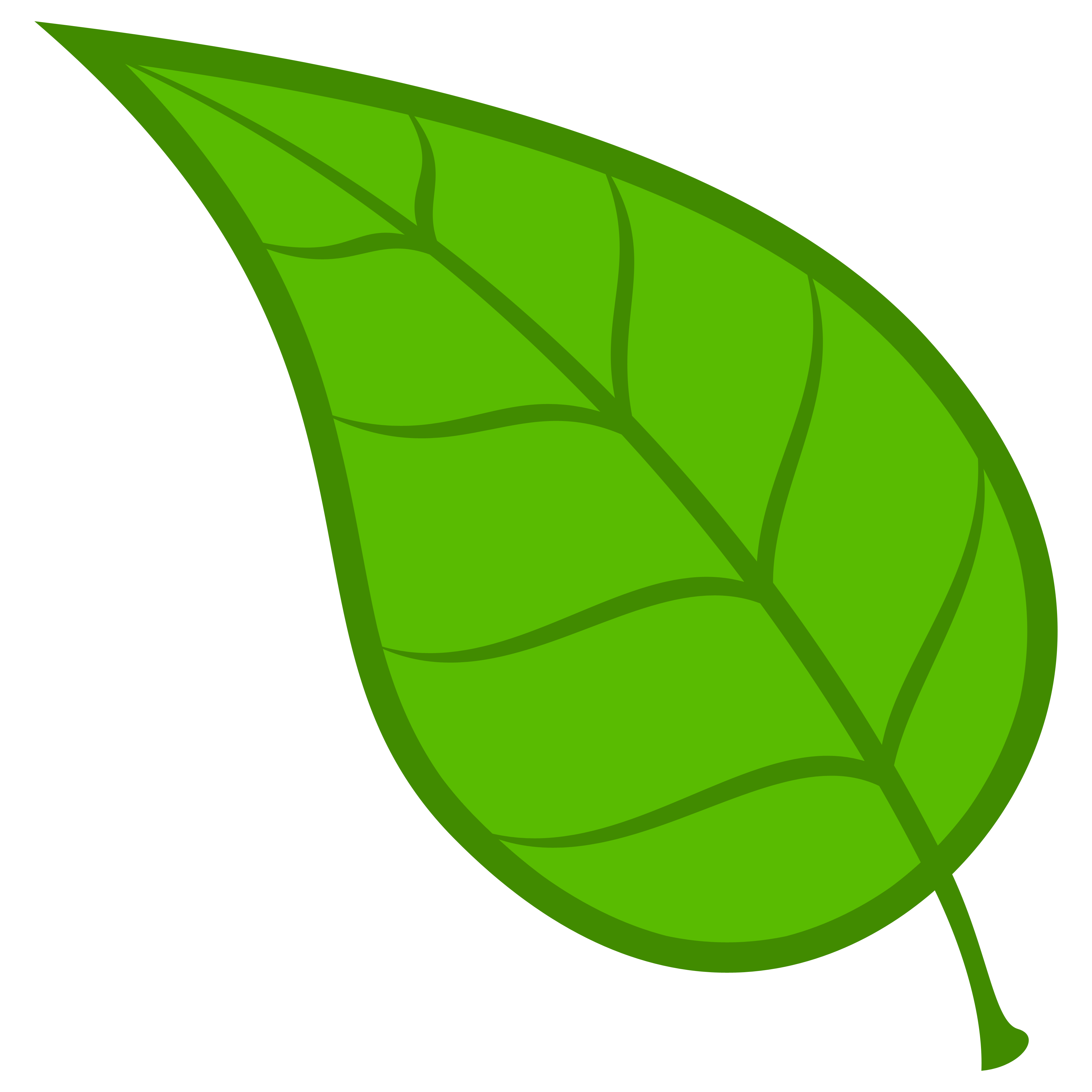
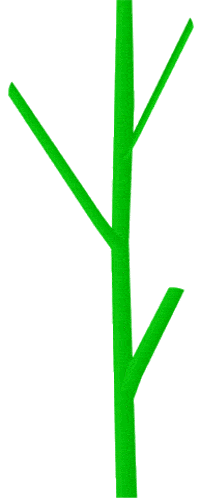
Which parts hold up the plant and move water and food to other plant parts?
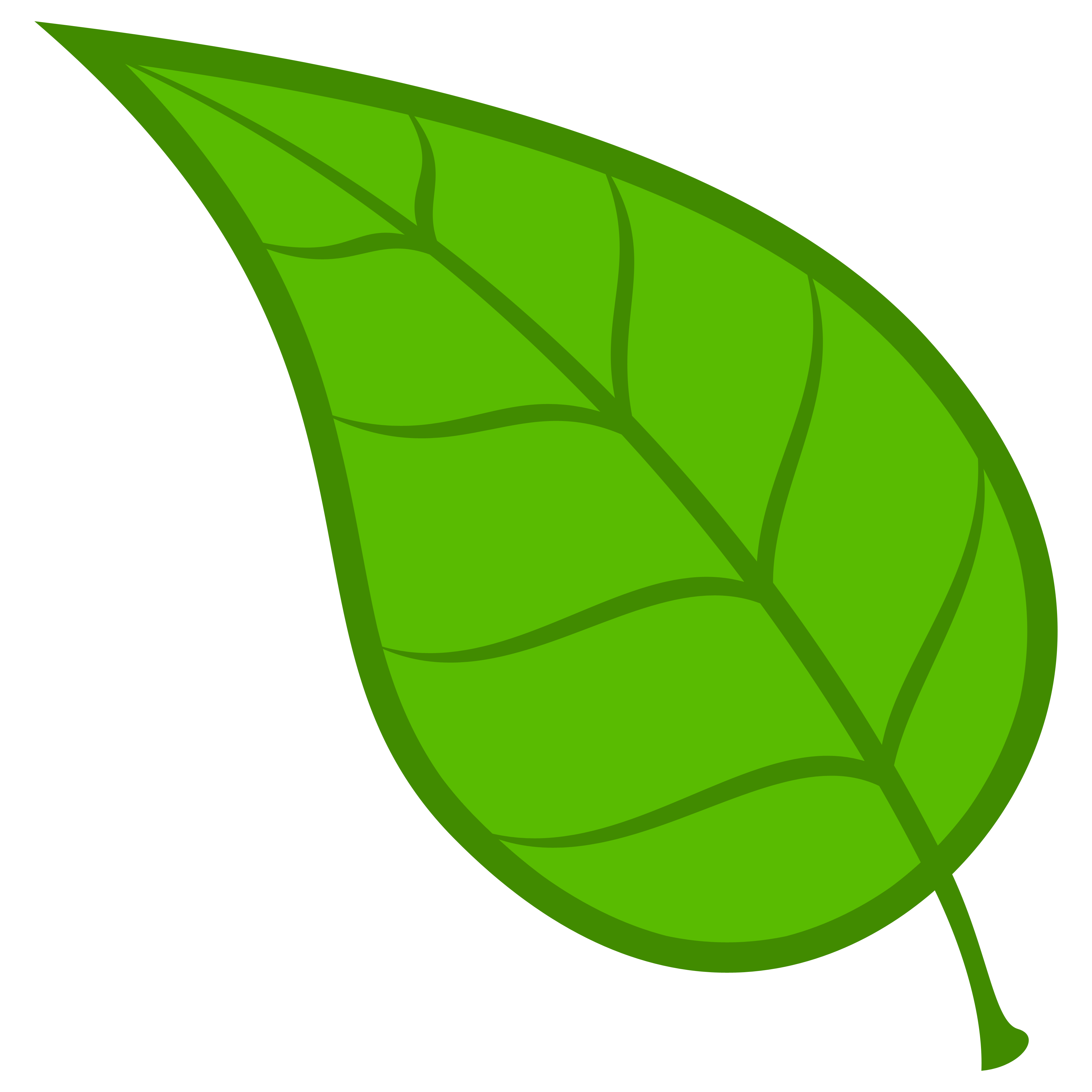
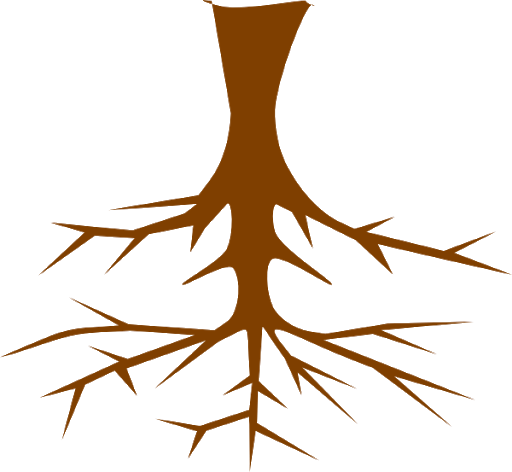
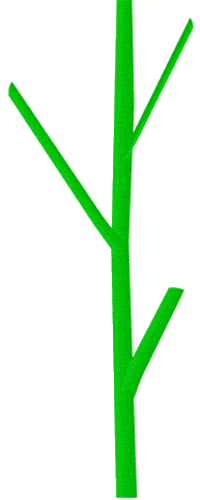
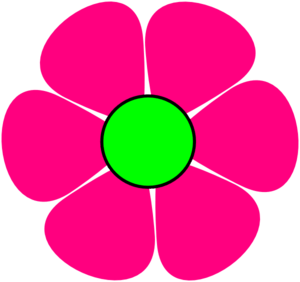
Which part of plant makes seeds?
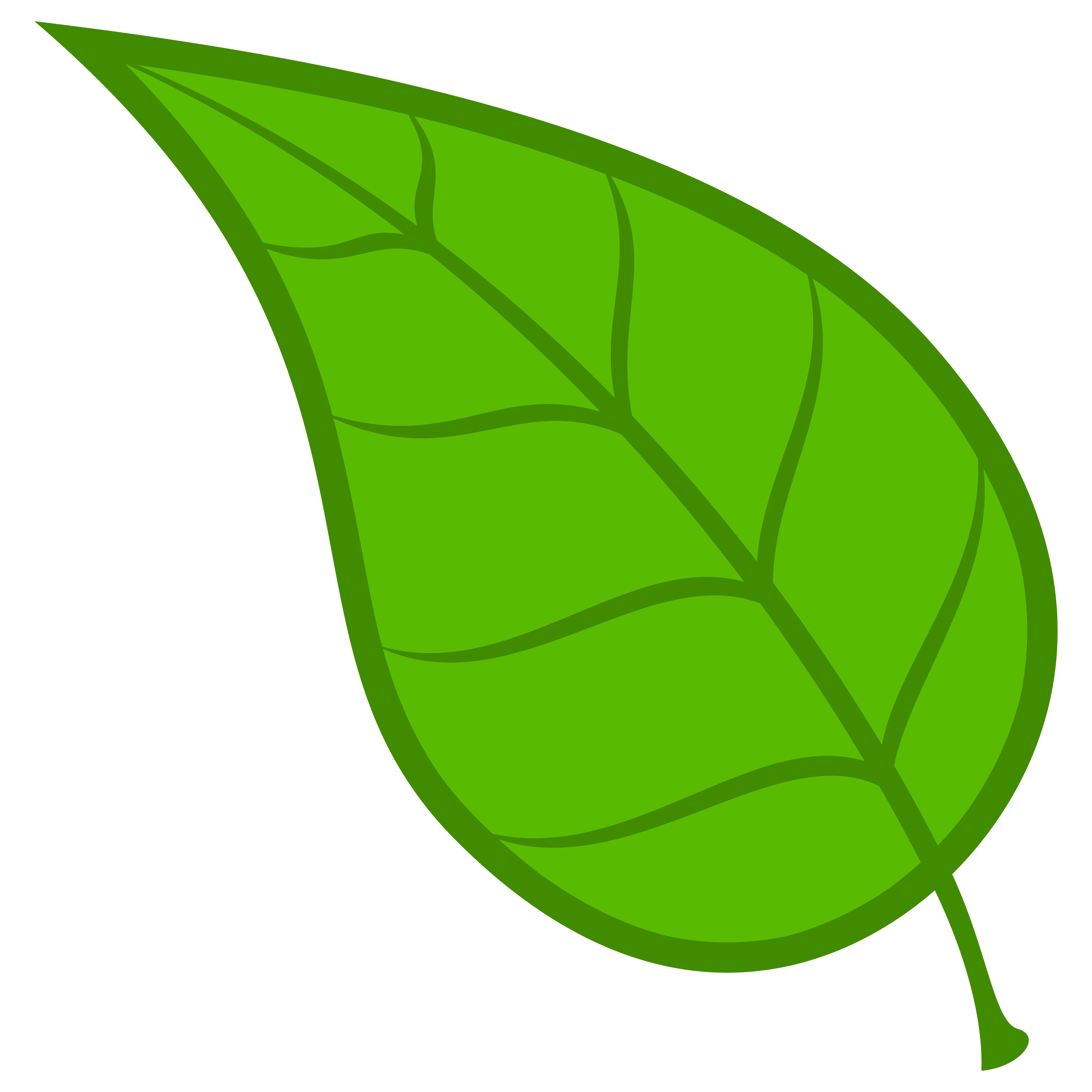

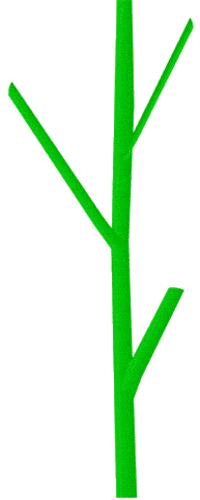
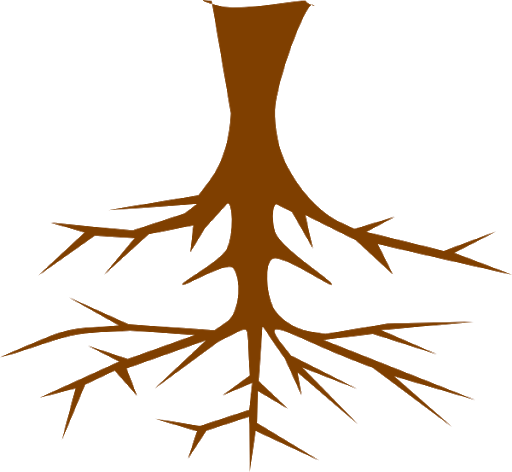
What does the stem of the plant do?
It makes food for the plant.
It takes in the water from the ground.
It moves water and food to other plant parts.
What do the leaves of a plant do?
They make the food for the plant.
They take in the water from the ground.
They hold up the plant.


Plants can be divided into two groups. What are they?
seeds and flowering
seedless and nonflowering
flowering and nonflowering
spores and seeds
Non-flowering plants are best described as:
Plants that make cones and do not make flowers
Plants that make flowers and fruits.
Plants that produce spores instead of seeds, but make fruits
Plants that only use the wind to reproduce.
Choose a group of plants that are flowering
roses, fruit trees, daisies
evergreen trees, mosses, pine
roses, fruit trees, mosses
pine, daisies, ferns
Choose a group of plants that are non-flowering.
grass, roses, ferns
roses, lilies, daisies
grass, mosses, ferns
pine, spruce, cedar trees

What type of plant is shown in the picture?
nonflowering
flowering
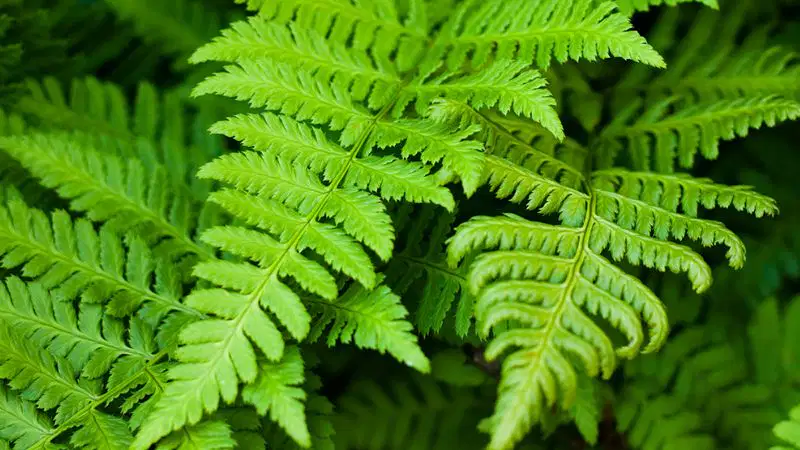
What type of plant is shown in the picture?
nonflowering
flowering


Flowering
Non-flowering
Which of the following are nonflowering plants?


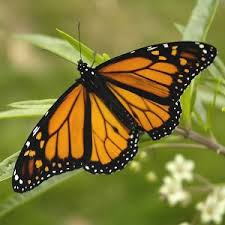
List the four stages of the complete metamorphosis life cycles in the correct order.
Egg, Pupa, Larva, Adult
Egg, Larva, Pupa, Adult
Adult, Egg, Larva, Pupa
Adult, Egg, Pupa, Larva

Look at this cycle! Choose the correct stages!
Adult Butterfly -> Larva -> Egg -> Pupa
Egg -> Pupa -> Larva -> Adult Butterfly
Egg -> Larva -> Pupa -> Adult Butterfly
Butterfly -> Egg -> Pupa -> Larva
The life cycle of a cockroach has three stages, they are . . . .
Egg -> larva -> adult cockroach
Egg -> pupa -> adult cockroach
Egg -> adult cockroach
Egg -> Nymph -> Adult cockroach

How is the young of a grasshopper different from the adult? Click all correct answers.
It has no wings.
It is smaller than the adult.
It is larger than the adult.
It lives in water but the adult lives on land.

Which of the following are stages of the life cycle of a chicken?
egg, pupa, adult
egg, larva, chicken
egg, young, adult

Which of the following shows the stages in the life cycle of the grasshopper?
egg, young, adult
egg, nymph, grasshopper
egg, nymph, adult

Which of the following are stages of the life cycle of a butterfly?
egg, nymph, adult
egg, larva, pupa, adult
egg, pupa, larva, adult

Which one of the following statements is true about the pupa stage?
It does not eat at this stage.
It has stopped growing.
It does not breathe at this stage.
The animal has a three-stage life cycle.

*Remember Humans are on the top of all food chains because we do not get hunted.


Which of these completes the food chain correctly?
a rock
a fox
a plant
an egg

Which organism is getting energy from the mouse?
cricket
grass
fox
Sun

Which of these best completes the food chain shown?
a shark
a tree
a rock
a bird


You ate steak and salad for dinner last night.
What does that make you?
a herbivore
a carnivore
an omnivore
a producer

