
Font size
 Worksheets
4-Cell Membrane
Total questions: 32
Worksheet time: 31mins
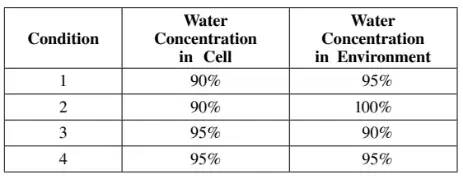
The table below lists the concentrations of water inside and outside a cell under four different conditions. Select the condition in which the cell will experience a net loss of water to its environment.
condition 1
condition 2
condition 3
condition 4
Enzyme is the best classification of the chemical ribulose bisphosphate carboxylase
True
False

The cell membrane consists of a lipid bilayer that is semipermeable. The cell membrane regulates the transport of materials entering and exiting the cell. The diagram shows a section of a cell membrane that includes a channel protein. The function of this protein is to -
allow lipids to enter or leave the cell.
allow atom to enter or leave the cell.
allow certain substances to enter or leave the cell.

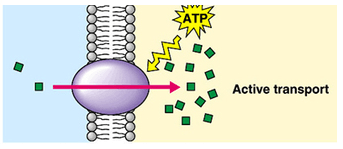
This picture is a representation of what type of transport?
Osmosis because it is diffusing through a protein from an area of high concentration to low concentration.
Facilitated diffusion because it is diffusing through a protein from an area of high concentration to low concentration.
Facilitated diffusion because it is diffusing through a protein from an area of low concentration to high concentration.
Simple diffusion because it is diffusing through a protein from an area of high concentration to low concentration.

The best classification of biomolecules in the Ribulose biphosphate carboxylase is (a) .
A cell membrane that includes a channel protein. The function of this protein is to
allow certain substances to enter or leave the cell.
allow molecule substances to enter or leave the cell.
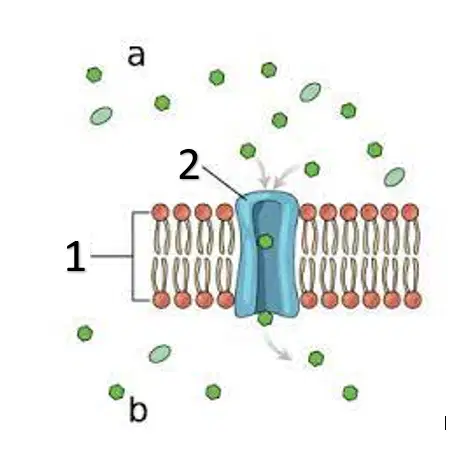
What is the name of label 1?
(a)
It transports the particle
active transport
phospholipids
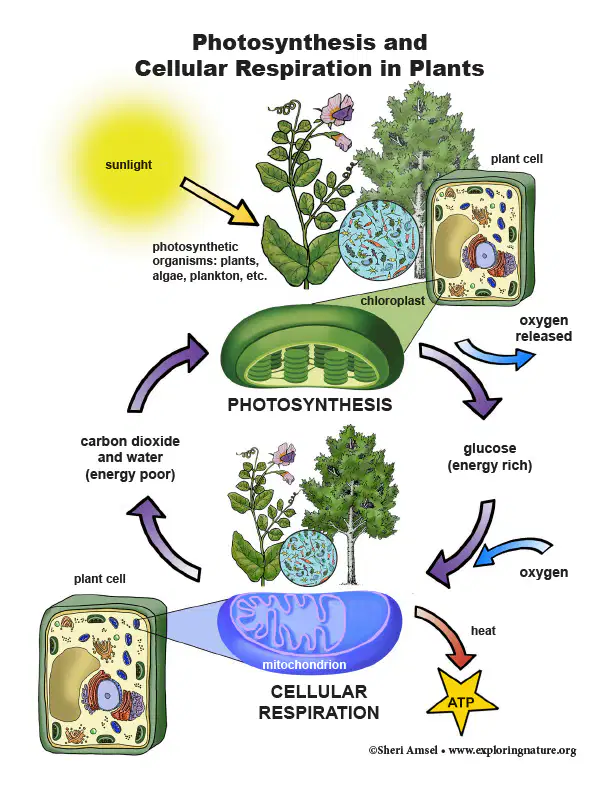
Click the image. The image describes that carbohydrates are converted into ATP by the mitochondrion.
True
False
The best biomolecule classification of the ribulose bisphosphate carboxylase is __________________________.
atom
nucleic acid
Enzyme
molecules
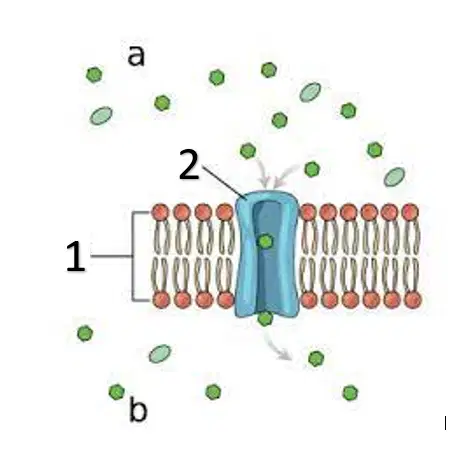
What is the name of label 2?
(a)
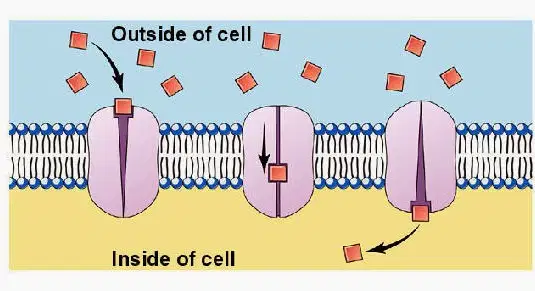
Mr. Pablo asks his students about the meaning of particle transport is shown in the figure below?
cellulose
cell membrane
active transport
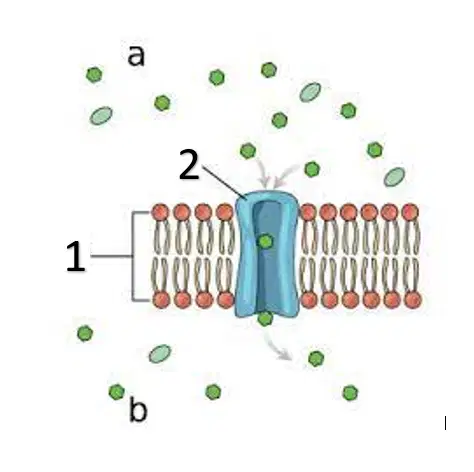
Click the image. Identify the label 1 and label 2?
Label 1 lipid, Label 2 protein
Label 1 molecule, Label 2 protein
Label 1 lipid, Label 2 atom
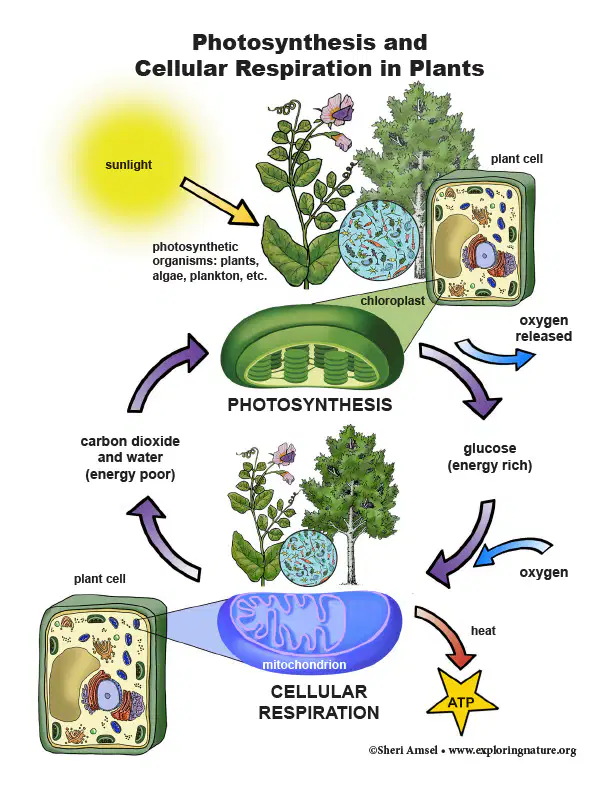
Click the image. Carbohydrates are converted into ______________________ by the _____________.
ATP; mitochondrion
molecules; atom
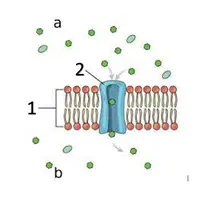
The students in Mr. Pablo's biology class study several molecules involved in the maintenance and metabolic processes of living organisms. These biomolecules are comprised of carbohydrate, lipid, protein, and nucleic acid. Cell transport is a process in which biomolecules are involved. The diagram below shows a small section of a cell membrane that is being transported.
Label 1-atom, Label 2-protein
Label 1-lipid, Label 2-nucleic acid
Label 1-H2O, Label 2-O2
Label 1-lipid, Label 2-protein
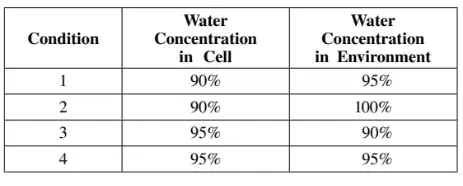
Your teacher has asked you to choose the condition where the cell will experience a net loss of water to its environment.
In four different conditions, the table below displays the concentrations of water inside and outside a cell. What is the correct condition?
1
2
3
4

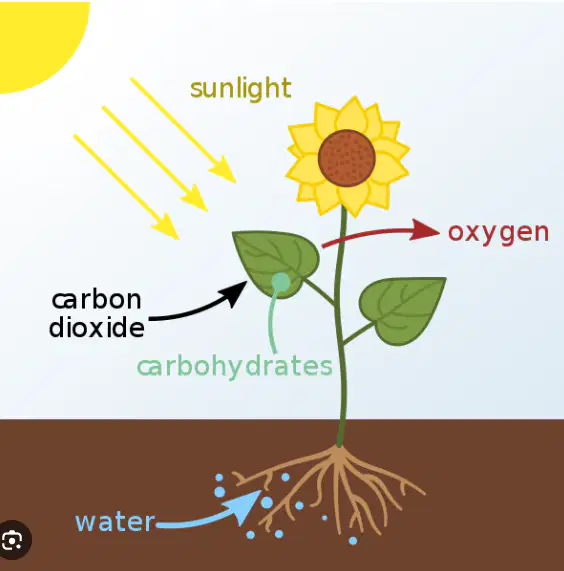
Base your answer to the question on the information and diagram below and on your knowledge of Biology. Since oxygen gas is being released, it can inferred that the plant is
releasing atom
Producing glucose
photosynthesis
Animal cells use only (a) .
Which of these is the correct statement?
Plant use photosynthesis
Plants use respiration only
Animals use both photosynthesis and respiration
Animals use only respiration, while plants use both photosynthesis and reparation
TRUE or FALSE.
Animals use only respiration.
True
False
TRUE or FALSE
Click the image, inside the stacks of thylakoids, light energy is captured, H2O molecules are broken down, and O2 is released as a waste product.
True
False
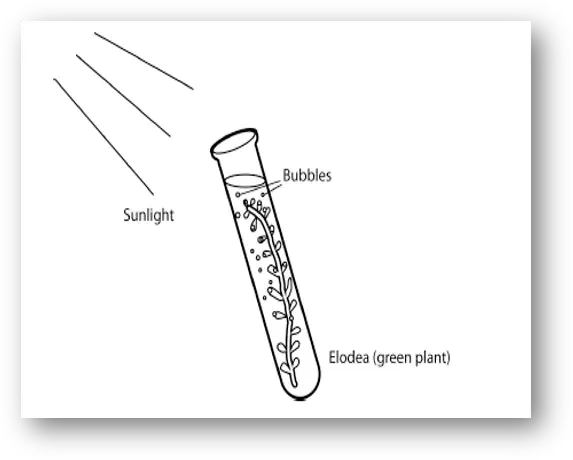
Click the image. Oxygen gas is being released, it can be inferred that the plant is (a) .
In anaerobic condition, an animal cell undergoes (a) to produce small amount of ATP
In the thylakoids the light energy is captured and these molecules are broken down. What molecules they are?
O2
H20
H2OO2
B2HO
Mr. Pablo asks his student about the function of fermentation. Which of these is the function of fermentation?
Animal cell undergoes fermentation to produce small amounts of ATP
Animal cell undergoes fermentation to collect small amount of molecules
Animal cell undergoes fermentation to break down small amount of cytoplasm
Mr. Pablo asks the group of students to describe what are endocytosis and exocytosis. Which is one is the correct answer?
•Eukaryotic cells import large molecules through the process of exocytosis and export large molecules by endocytosis.
•Eukaryotic cells import large molecules through the process of endocytosis and export large molecules by exocytosis.
None of the avove
H2O means
water
oxygen
O2 means
water
oxygen
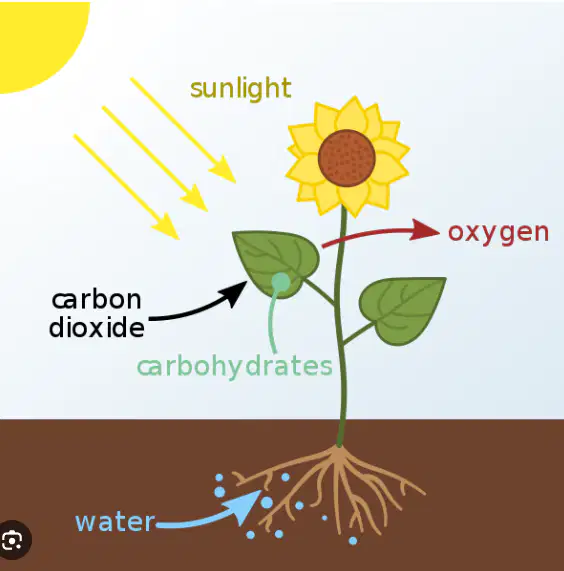
Click the diagram. Complete the statement. The carbohydrates are converted into __________________ and by the mitochondrion.
ATP; mitochondrion
ATP; cells
They are converted into ATP by the mitochondrion.
carbohydrates
molecules

