
 Worksheets
Atomic Structure Quiz
Total questions: 50
Worksheet time: 25mins
Subatomic particles with a negative charge
Electrons
Neutrons
Protons
Quarks
These are found in the nucleus and have a neutral charge.
proton
electron
neutron
Determines the identity of an atom
In an neutral atom, the number of protons is equal to the number of ____________.
energy levels
neutrons
neurons
electrons
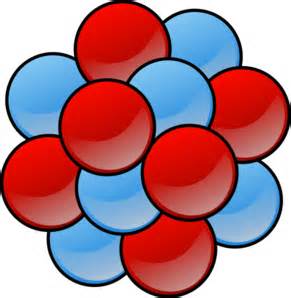

Which 2 particles have about the same mass and contribute the entire mass of the atom?
protons & neutrons
neutrons and electrons
protons and electrons

Which of the following represent an atom containing 9 protons, 10 neutrons, and 6 electrons?


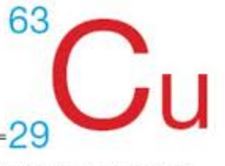
One isotope of sodium is 25Na
How many neutrons are there in one atom of this isotope?
11
14
25
36

What do these isotopes of carbon all have in common?
neutrons & mass number
atomic number and neutrons
atomic number and protons
protons, atomic number, and mass number

How many electrons does this isotope of beryllium have?
9
5
4
2
What determines the chemical and physical properties of an atom?
The arrangement of the protons
The number of neutrons
The number and arrangement of the electrons
The total number of subatomic particles
1s22s22p63s23p64s23d10
Each row on the periodic table represents:
an energy level
a sublevel
an electron
an orbital


Which of the following is written correctly?
A
B
C
D
Electronegativity
the arrangement of electrons in an atom
a measure of the ability of an atom in a chemical compound to attract electrons
reformulated the periodic table based on atomic number better fitting the periodic law and pattern seen by scientists.
the energy required to remove an electron from an atom or ion
Periodic Law
a region of an electron subshell where there is a high probability of finding electrons.
a vertical column of elements in the periodic table; elements in the same group share chemical properties
The physical and chemical properties of the elements are periodic functions of their atomic numbers
a horizontal row of elements in the periodic table
Periodic Properties
recurring trends in physical and chemical characteristics of elements.
an electron that is found in the outermost shell of an atom and that determines the atom’s chemical properties.
The energy level at which electrons orbit the nucleus of an atom.
a subdivision of electron shells. Broken into s,p,d,f subshells
Valence Electron
recurring trends in physical and chemical characteristics of elements.
an electron that is found in the outermost shell of an atom and that determines the atom’s chemical properties.
The energy level at which electrons orbit the nucleus of an atom.
a subdivision of electron shells. Broken into s,p,d,f subshells
Atomic radius generally ________ down a group because _____.
increases; the nucleus becomes more positive
decreases; because higher energy levels are being added closer to the nucleus
decreases; the nucleus becomes more positive
increases; because higher energy levels are being added further to the nucleus
A group of elements that are the most reactive nonmetals are called the -
alkali metals
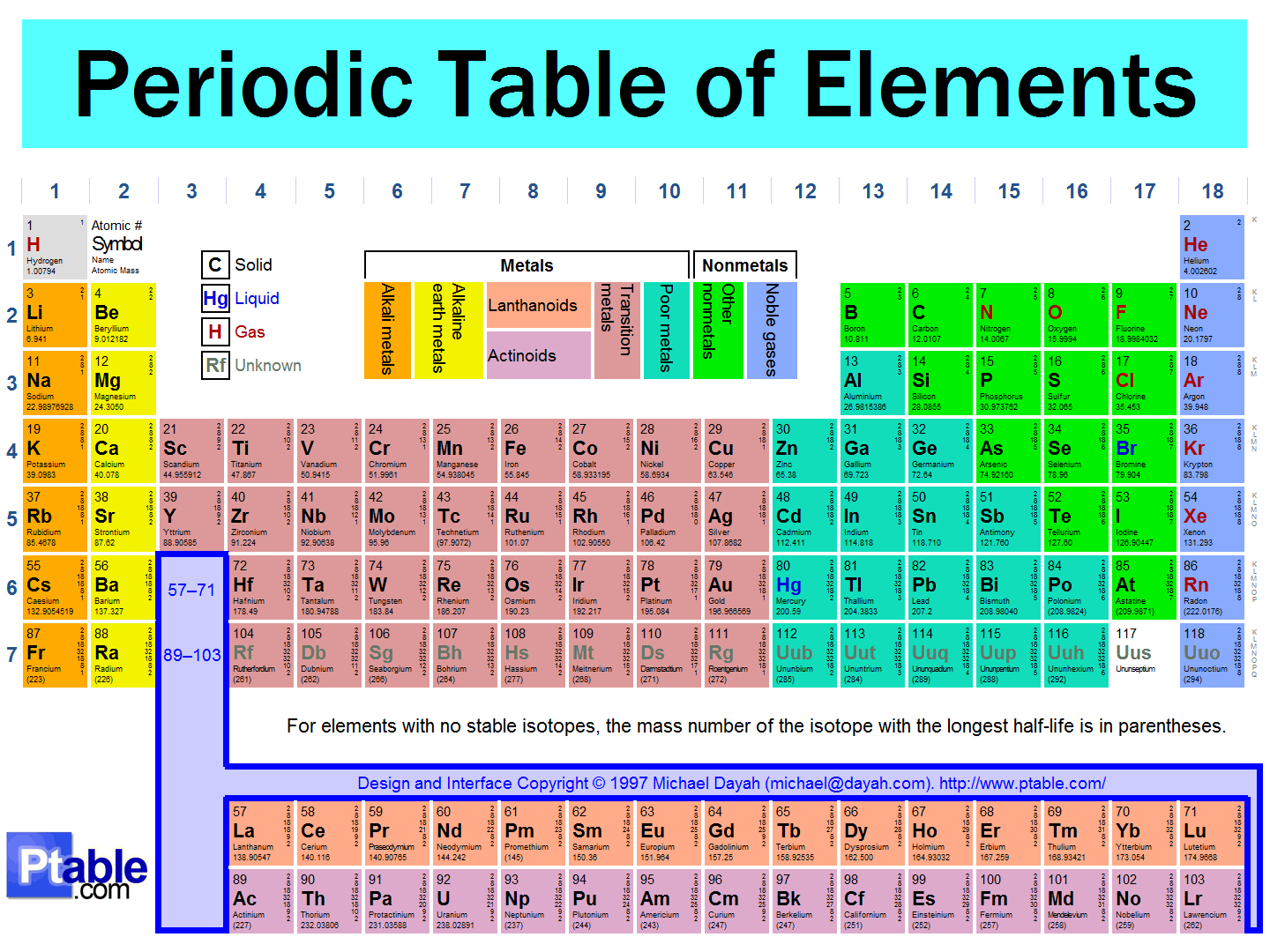
How do we identify metals on the periodic table?
they are all on the right hand side
They are to the left of the staircase line
They are in group 18
They are all in period 3
Which of the following is not a metal?
H
K
Cu
Fe
What is significant about group 18 elements
They are all metals
They will combine with any element
They have a full Valence electron shell
They do not have Valence electrons

How many valence electrons do group 1 elements have?
1
2
3
8
How many valence electrons do group 14 elements have?
2
4
6
8



Which words best describe NON-METALS?
ductile, shiny, brittle
malleable, dull, brittle, ductile
brittle, dull, insulators

I am a good conductor of electricity and/or heat
Metals
Nonmetals
Metalloids

I am malleable
Metal
Nonmetal
Metalloid
Electronegativity _______ as you move down a group because ___________.
increases, it is harder to add an electron further from the nucleus
Decreases, electrons are being added further from the nucleus, so it is harder to attract them
increases; it is easier to remove an electron further from the nucleus
decreases; it is harder to remove an electron further from the nucleus
Electronegativity _____ from left to right across a period because _____________.
Increases; the nucleus becomes more positive, so it is easier to attract electrons
Increases; the nucleus becomes more positive, so it is harder to lose electrons
Decreases, electrons are being added futher from the nucleus, so it is harder to attract them
Decreases, electrons are easier to remove further from the nucleus.

