
NEW
Font size
 Worksheets
Biology Test 1 Review
Total questions: 36
Worksheet time: 23mins
Homeostatic Mechanisms
keep living systems at a static point
help to keep a relatively constant internal environment in organisms
usually operate by positive feedback
allow organisms to operate under extreme conditions

According to the model, what is the response to HIGH blood glucose (sugar)?
Pancreas releases insulin into blood
Pancreas releases glucagon into blood
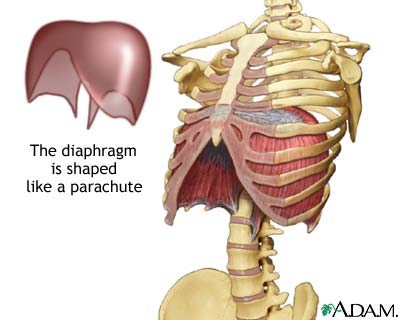
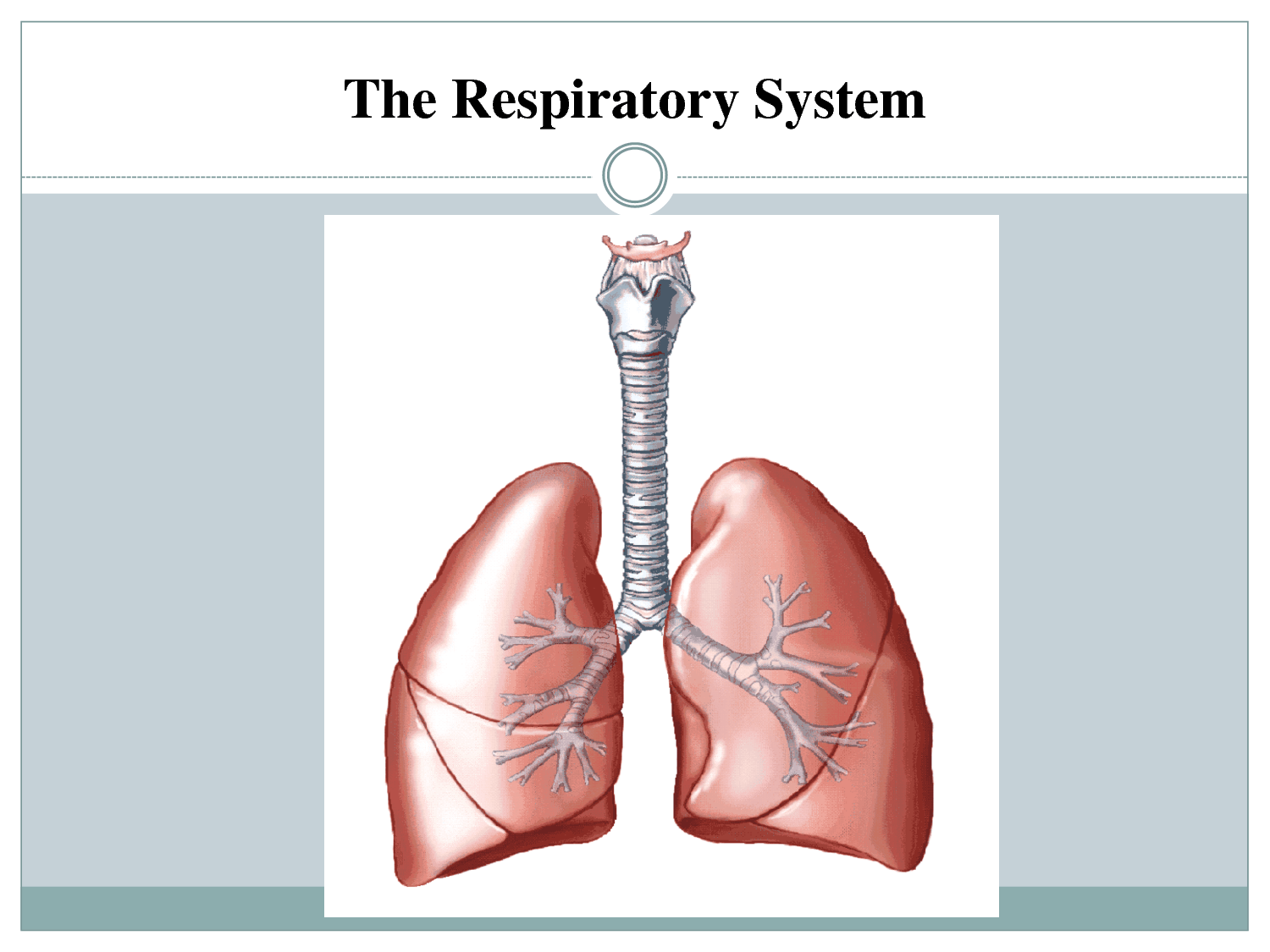
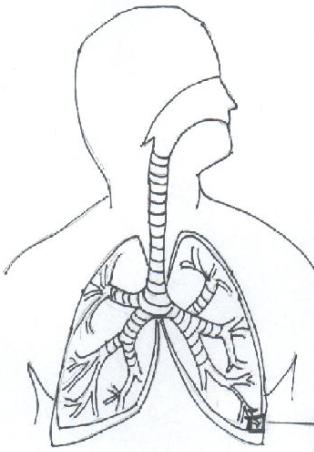


1. larynx
2. nasal cavity
3. pharynx
4. trachea
Which of the following is the correct order that air would flow during inhalation.
Why does oxygen travel through the alveoli to the blood?
There is less oxygen in the alveoli and oxygen is going from highest concentration to lowest
There is less oxygen in the alveoli and oxygen is going from lowest concentration to highest
There is more oxygen in the alveoli and oxygen is travelling from lowest concentration to highest
There is more oxygen in the alveoli and oxygen is going from highest concentration to lowest
The function of valves in the human circulatory system is to
stimulate the heart beat.
accelerate the flow of blood.
prevent the backward flow of blood.
serve as a cushion to prevent friction
If a blood vessel has valves, it is probably a(n)
vein.
artery.
capillary

Aorta
1
2
4
5

Left ventricle
1
2
3
4

Pulmonary Veins
A
C
F
I

The bar chart shows the concentration of oxygen in blood sampled at four places in the circulatory system of a human.
Which blood sample was taken from the pulmonary vein?
A
B
C
D

What is the function of the blood vessel labelled D?
To transport blood from the heart to the lungs
To transport blood from the heart to the rest of the body.
To transport blood from the rest of the body to the heart.
To transport blood from the lungs to the heart.
Humans feel hungry when their empty stomachs contract and glucose levels in their body drop. Both of the situations stimulate neurons that send messages to the brain which are interpreted as hunger. What body systems are involved in this process as described?
digestive, muscular, integumentary, and respiratory
digestive, excretory, integumentary, and skeletal
circulatory, excretory, nervous, and skeletal
circulatory, digestive, muscular, and nervous
What makes up the Central Nervous System?
Blood and Heart
Spinal Cord
Nerves
Brain and Spinal Cord
Select the VOLUNTARY action.


Select the INVOLUNTARY action.


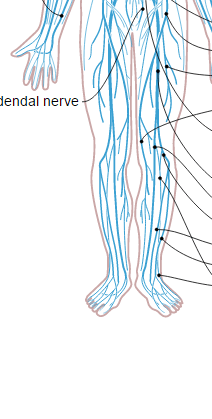

The part of the neuron that receives messages from other neurons
axon
dendrite
cell body
Schwann cell


If I step on a nail...what type of neuron take that signal TO the CENTRAL NERVOUS SYSTEM?
interneurons
motor
sensory
receptors

If I step on a nail...what type of neurons send the response from the brain to my muscles?
motor
interneurons
sensory
not neurons, muscle tissue sends the response
Select the best answer.
When blood is brought to the lungs ____.
It releases carbon dioxide to the lungs
It releases oxygen and collects carbon dioxide
It releases oxygen to the lungs
It releases carbon dioxide and collects oxygen
The human heart has ___ chambers.
3
5
4
2
True or False:
The left side of the heart contains oxygenated blood.
True
False
After a red blood cell delivers its oxygen to a muscle, the correct pathway back to the heart is
Muscle, veins, capillaries, heart
Muscle, capillaries, veins, heart
Muscle, capillaries, arteries, heart
Muscle, arteries, capillaries, heart
What is the correct pathway for inhaled oxygen to get to a muscle?
Mouth, lungs, trachea, capillaries, heart, arteries, muscles
Mouth, trachea, lungs, heart, capillaries, arteries, muscles
Mouth, trachea, lungs, capillaries, heart, veins, muscles
Mouth, trachea, lungs, capillaries, heart, arteries, muscles
Which is the correct order for levels of organization from simple to complex?
cell, organ , tissue, organ system, organism
organism, organ system, tissue, cell, organ
cell, tissue, organ, organ system, organism
organ, tissue, cell, organism, organ system
Which type of cell carries oxygen throughout the body?
Muscle cell
Nerve cell
Red blood cell
Skin cell
What are the immediate effects of exercise on the body?
Heart beats faster, Temperature decreases, Breathing increases
Heart beats faster, Temperature Increases, Breathing decreases
Heart beats faster, Temperature Increases, Breathing increases
Heart beats faster, Cramp, Breathing increases

