
 Worksheets
Intermolecular Forces
Total questions: 20
Worksheet time: 13mins
ability of an atom in a particular molecule to attract bonding electrons to itself.
ionisation energy
electron affinity
electronegativity
atomic size
the product of the magnitude of the charge (δ) and the distance (d )
that separates the centre of positive and negative charge.
ionisation energy
electron affinity
dipole moment
atomic size
differences in electronegativity of the bonded atoms
polar bonding
non-polar bonding
electron-electron repulsion
effective nuclear charges

This molecule is
Polar
Non-Polar

This molecule is
Polar
Non-Polar
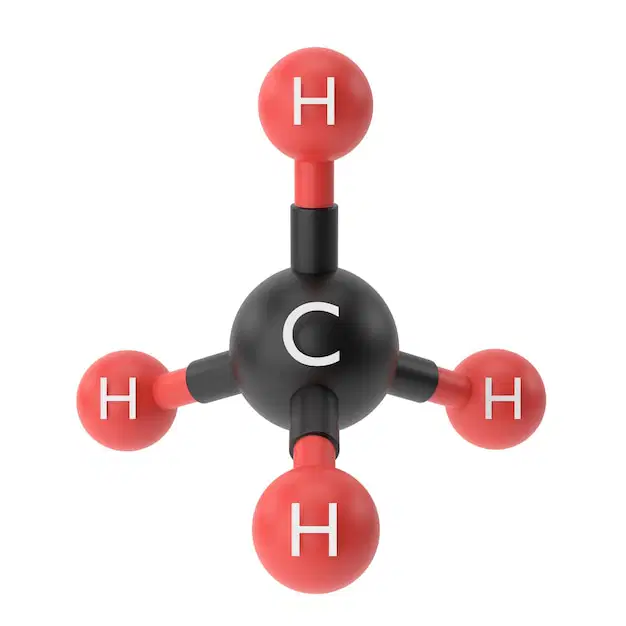
This molecule is
Polar
Non-Polar
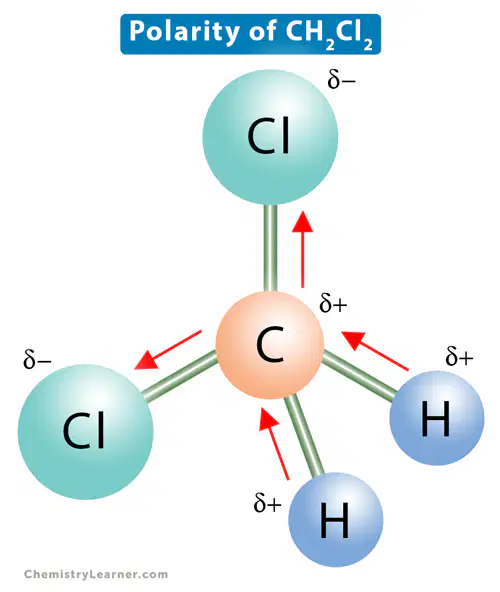
This molecule is
Polar
Non-Polar
Two type of intermolecular forces (a) and (b)
Polar covalent molecules are sometimes described as “dipoles” molecules as it has 2 poles.
metallic bond
Results from instantaneous non-permanent dipoles created by random electron motion. The distribution of electrons at a given instant in time, may not be equal around an individual atom. This gives rise to a temporary dipole.
metallic bond
attraction between a hydrogen atom attached to a highly electronegative atom (F, O and N) and a nearby small electronegative atom (F,O and N) in another molecule.
metallic bond
Two type of van der waals forces (a) and (b)
Two type of van der waals forces (a) and (b)
H2O, NH3 and HF is example of molecule that has
metallic bond

The picture is example of...
metallic bond

The picture is example of...
metallic bond

The picture is example of...
metallic bond
strongest Intermolecular forces is
covalent bond
weakest Intermolecular forces is
covalent bond
generally this forces exist in all compound
covalent bond

