
 Worksheets
Hydrosphere Test Review
Total questions: 50
Worksheet time: 1hrs 2mins
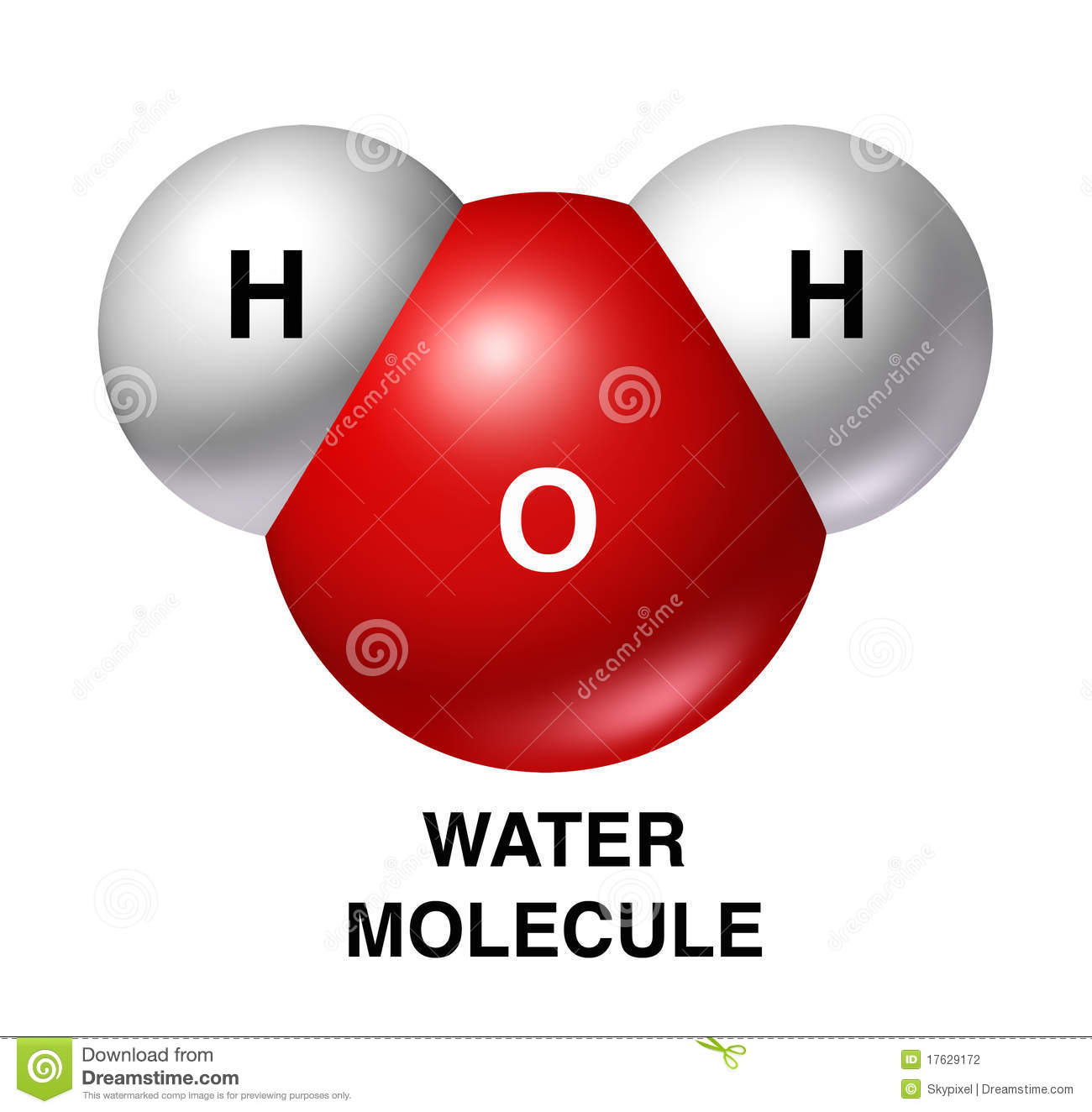
Which part of a water molecule has a Positive Charge?
The Hydrogen
The Oxygen
The Top
The Bottom
Water is polar. What does that mean?
it is a molecule with opposite charges on opposite ends
it is a molecule with no charge
it is a molecule with identical charges on opposite ends
it is a molecule with too many protons

A partly enclosed body of water along the coast where one or more streams/rivers enter and mix freshwater with saltwater
Bay
Estuary
Barrier island
Sea stack
What is groundwater?
all the bodies of fresh water, salt water, ice, and snow that are found above the ground
the water that is beneath Earth's surface
the area of land that is drained by a river system
a body of rock or sediment that stores groundwater and allows the flow of groundwater
What is an aquifer?
a body of permeable rock which can contain or transmit groundwater.
a well in which water is under pressure especially : one in which the water flows to the surface naturally.
confining layer
solid rock underlying loose deposits such as soil or alluvium.
What is an confined aquifer?
a well in which water is under pressure especially : one in which the water flows to the surface naturally.
solid rock underlying loose deposits such as soil or alluvium.
an aquifer below the land surface that is saturated with water with layers of impermeable material are both above and below.
water that collects on the surface of the ground.
unconfined aquifer
a large natural stream of water flowing in a channel to the sea, a lake, or another such stream.
an aquifers into which water seeps from the ground surface directly above the aquifer.
aquifers with which an impermeable dirt/rock layer exists that prevents water from seeping into the aquifer from the ground surface located directly above.
a large body of water surrounded by land.
During the process of infiltration, water seeps through the ground and into an aquifer. Which of the following terms best describes this process?
Recharge
Discharge
Depletion
Surcharge

The location where a river begins is called the...
High elevation
Headwaters
River start
Mouth
When liquid water is turned into a gas called water vapor, caused by the sun, it is called...
evaporation
condensation
precipitation
run-off
Which process forms clouds, dew, and fog?
evaporation
condensation
precipitation
run-off
By which process do clouds form?
evaporation
condensation
precipitation
run0off

Look at the picture. What process is happening in Y?
evaporation
condensation
precipitation
run-off

Look at the picture. What process is happening in W?
evaporation
condensation
precipitation
run-off
Pollution that cannot be traced to one specific source is known as?
Point-source pollution
Non point-source pollution
Non target pollution
Public pollution
T/F: Point-source pollution can be traced to a specific site, like a drain pipe.
True
False
Plants giving off moisture and releasing water into the air
Precipitation
Evaporation
Transpiration
Runoff
Marine biomes are made up of more than ____% salt.
1%
2%
3%
4%
The gross primary productivity of an ecosystem is
the biomass of the producers.
the energy capured after accounting for respiration
the total amount of biomass.
the total energy captured by photosynthesis.
the energy available to primary consumers.

The (a) is where temperature changes most rapidly with depth.

This is the zone where the water is constantly changing and moving.
Neritic
Intertidal
Oceanic
Abyssal
Which of the following is NOT an example of point-source pollution
oil that is escaping from a damaged tanker
heavy metals that are leaching out of an underground mine
water runoff from residential lawns
untreated sewage that is accidentally released from a wastewater treatment plant
The build up of nutrients in a lake is a process called -
pond death
algae buildup
volcanic eruption
eutrophication
A industrial powerplant dumps its heated wastewater straight from a pipe into a stream. This is an example of -
thermal pollution
oil spills
groundwater pollution
eutrophication
There is only _________ percent of freshwater on earth.
2
3
4
5
Some water on Earth’s surface will absorb into ground. This is called
condensation
runoff
collection
infiltration
Which best explains the importance of pH in determining the health of a water system?
Most organisms living in water are able to adapt to changing water pH.
Variations in the pH of water can indicate the presence of toxic substances.
A low pH in ground water encourages the growth of photosynthetic organisms.
Variations in the pH of water can affect the ability of water to absorb atmospheric gases.
Many waste lagoons from pig farms are found along the Neuse River. Which may happen if those lagoons are flooded and spill into the local water supply?
Water upstream may be polluted.
Water downstream may be polluted.
Only water in the immediate area may be affected.
The populations of fish and plants in the river would increase.
Which best explains what happens to nutrients in the ocean as a result of upwelling?
Upwelling carries nutrients to coral reefs.
Upwelling carries nutrients to the ocean bottom.
Upwelling carries nutrients to the intertidal zone.
Upwelling carries nutrients to the surface of the ocean.
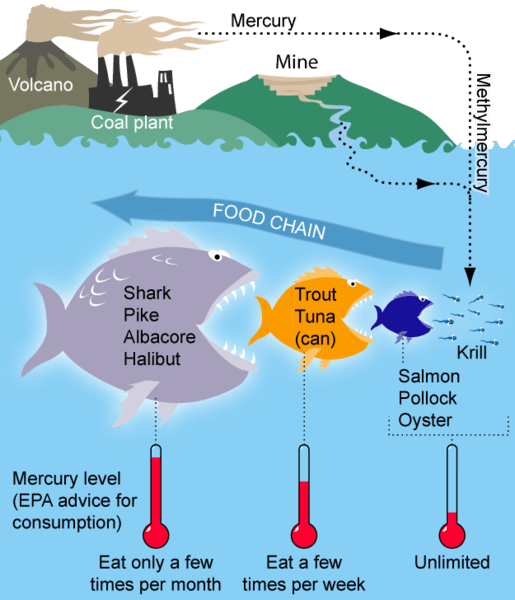
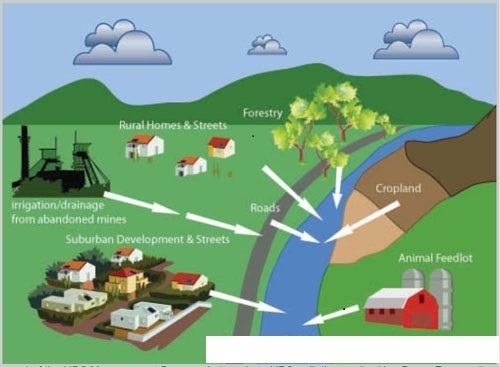

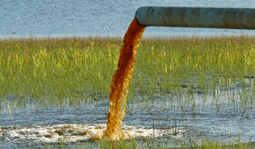
What are examples of toxins? (choose all that apply)
water
salt
pesticides
mercury
insecticides

In what year were the most toxins present in smallmouth bass?
2000
2002
2004
2005
Pesticides and herbicides eventually show up in higher-level consumers (i.e. as you go up the food chain) due to
biomagnification
climate change
habitat destruction
bioaccumulation
It is acceptable to flush "Flushable wipes" and paper towels down a toilet.
True
False
In which of the following zones of an oxygen sag curve, would you expect to see the lowest biodiversity?
clean zone
decomposition zone
septic zone
recovery zone
In which of the following zones of an oxygen sag curve, would you expect to find trashy fish like carp, gar, and leeches?
clean zone
decomposition zone
septic zone
recovery zone

