
 Worksheets
شابتر 3 عناصر
Total questions: 29
Worksheet time: 27mins
chemical element that exists as a gas at room temperature.
العنصر الكيميائي الموجود كغاز في درجة حرارة الغرفة.
hydrogen
When hydrogen gas burns in air, it forms ______.
عندما يحترق غاز الهيدروجين في الهواء، فإنه يتشكل ______.
French chemist Antoine Lavoisier named hydrogen from the Greek words for “_______.”
الكيميائي الفرنسي أنطوان لافوازييه أطلق اسم "الهيدروجين" على العنصر، وذلك بناءً على الكلمات اليونانية التي تعني "…"
خصائص الهيدروجين
has the smallest atoms of any element.
الهيدروجين لديه أصغر ذرات بين جميع العناصر
A hydrogen atom contains one proton, and only one electron.
ذرة الهيدروجين تحتوي على بروتون واحد فقط وإلكترون واحد فقط.
The proton is the center, or nucleus, of the hydrogen atom, and the electron travels around the nucleus
البروتون هو المركز، أو النواة، لذرة الهيدروجين، والإلكترون يتحرك حول النواة
T
F
the first element in the periodic table of the
elements and is represented by the symbol H.
هو العنصر الأول في الجدول الدوري للعناصر ويُرمز له بالرمز H.
• with only one proton, is the simplest element.
It is usually placed in Period 1 and Group 1 of the periodic table.
، بما لديه من بروتون واحد فقط، هو أبسط العناصر. يتم وضعه عادة في الفترة الأولى والمجموعة الأولى في الجدول الدوري.
• can combine chemically with almost every other element and forms more compounds than does any other element.
These compounds include water, minerals, and hydrocarbons—compounds made of hydrogen and carbon—such as petroleum and natural gas.
يمكن أن يتحد كيميائياً مع معظم العناصر الأخرى ويشكل مركبات أكثر من أي عنصر آخر.
تشمل هذه المركبات الماء والمعادن والهيدروكربونات - المركبات المكونة من الهيدروجين والكربون - مثل البترول والغاز الطبيعي.
METALLIC HYDRIDES:
1) These are formed by many d-block & f-block elements.:
تتشكل هذه المركبات من عناصر البلوك d والبلوك f.
2) The metals of group 7, 8 & 9 do not form hydrides , These hydrides conduct heat & electricity though not as efficiently as their parent metals do.
المعادن في المجموعات 7 و 8 و 9 لا تتشكل عندها مركبات الهيدريد. توصل هذه المركبات الحرارة والكهرباء على الرغم من عدم كفاءتها بنفس فعالية المعادن الأم الخاصة بها.
3) Unlike saline hydrides, they are almost non-stoichiometric,
being deficient in hydrogen. For e.g. LaH2.87 & YbH2.55.:
على عكس مركبات الهيدريد الملحية، فإنها تكاد تكون غير متجانسة من حيث التركيب، حيث تكون ناقصة في الهيدروجين. على سبيل المثال،
LaH2.87 و YbH2.55.
Dihydrogen forms molecular compounds with most of the p-block elements. For e.g. CH4, NH3, H2O & HF. Hydrogen compounds of nonmetals have also been considered as hydrides.
Being covalent they are volatile compounds.
الهيدروجين الثنائي يتشكل مركبات جزيئية مع معظم عناصر البلوك بي
على سبيل المثال CH4، NH3، H2O و HF. تم اعتبار مركبات الهيدروجين لغير المعادن أيضًا كهيدريدات
بوجود روابط تساهمية، فإنها مركبات قابلة للتطاير.
Covalent
or
MOLECULAR HYDRIDE
• These are stoichiometric compounds of dihydrogen formed with most of the s-block elements which are highly electropositive in character.
• هذه هي مركبات متجانسة من الهيدروجين الثنائي تتشكل مع معظم عناصر البلوك س والتي تتميز بكونها عالية الكهروإيجابية.
IONIC OR SALINE HYDRIDES
COVALENT OR MOLECULAR HYDRIDE

• The hydrides are classified into three categories:
1.Ionic or saline or saltlike hydrides.
2.Covalent or molecular hydrides.
3.Metallic or non-stoichiometric hydrides.
1- Ionic or saline or saltlike hydrides.
2- Covalent or molecular hydrides.
3- Metallic or non-stoichiometric hydrides.
1- هيدريدات أيونية أو مالحة أو شبيهة بالملح.
2- هيدريدات تساهمية أو جزيئية.
3- هيدريدات معدنية أو غير متكافئة.
Dihydrogen also forms ionic bonds with some metals, at a high temperature, creating a compound called a _____
الهيدروجين الثنائي يتشكل أيضًا روابط أيونية مع بعض المعادن، عند درجة حرارة عالية، مكونًا مركبًا يسمى .
hydride
If M is the symbol of an element then hydride can be expressed as ——- (e.g. MgH2 ) or —— (e.g. B2H6 ).
إذا كان M هو رمز عنصر ما، فيمكن التعبير عن الهيدريد على أنه MHX (على سبيل المثال MgH2) أو MmHn (على سبيل المثال B2H6 ).
Preparation Of Hydrogen / تحضير الهيدروجين
Most often H2 is produced from water.
غالبا ما يتم إنتاج الهيدرجين 2 من الماء
T
F
Preparation Of Hydrogen / تحضير الهيدروجين
1) Water – gas reaction :




Preparation Of Hydrogen / تحضير الهيدروجين
2) Water gas shift reaction :
Preparation Of Hydrogen / تحضير الهيدروجين
3) Reforming of methane – major source of H2 :
Preparation Of Hydrogen / تحضير الهيدروجين
4) Electrolysis of water :
Preparation Of Hydrogen / تحضير الهيدروجين
4) Electrolysis of water :
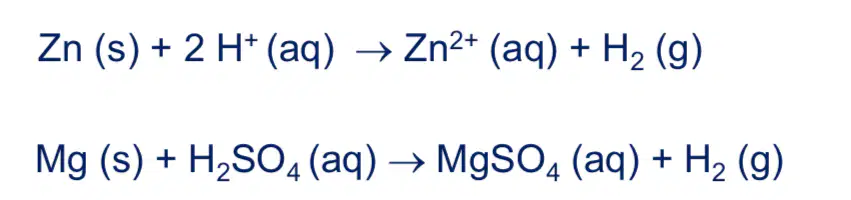
Laboratory Preparation Of Hydrogen / التحضير المختبري للهيدروجين
The most common reaction is that of a ____________.
التفاعل الأكثر شيوعا هو …
Reaction of a moderately active metal with a strong acid
تفاعل معدن متوسط النشاط مع حمض قوي
Reaction of a highly active metal with a strong acid
تفاعل معدن نشط مع حمض قوي
Reaction of a moderately active metal with a weak acid
تفاعل معدن متوسط النشاط مع حمض ضعيف
Dihydrogen is a :
Colourless , Odourless Tasteless Combustible gas Lighter
than air Insoluble in water It’s melting point – 18.73 K & boiling
point – 23.67 K
عديم اللون، عديم الرائحة لا طعم له غاز قابل للاحتراق أخف من الهواء غير قابل للذوبان في الماء
درجة انصهارها – 18.73 كلفن
& نقطة الغليان – 23.67 كلفن
T
F
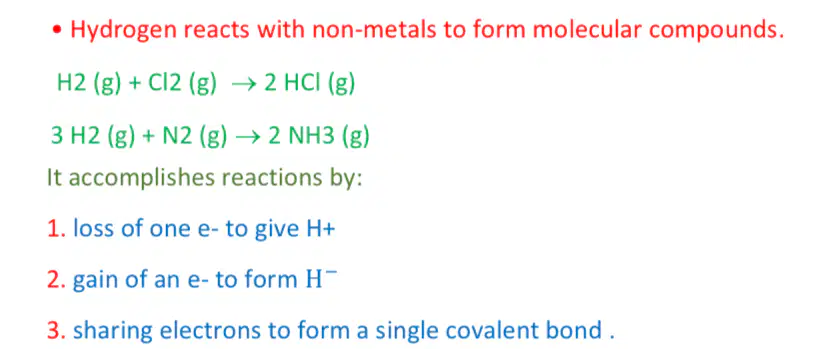
Hydrogen gas does not usually react with other chemicals at room temperature, because the bond between the hydrogen atoms is very strong and can only be broken with a large amount of energy.
• Since its orbital is incomplete with 1s 1 electronic configuration, it does combine with almost all the elements .
غاز الهيدروجين عادة لا يتفاعل مع المواد الكيميائية الأخرى عند درجة الحرارة العادية، نظرًا لأن الرابطة بين ذرات الهيدروجين قوية جدًا ويمكن كسرها فقط بوجود كمية كبيرة من الطاقة.
• نظرًا لأن المدار الإلكتروني للهيدروجين غير مكتمل بتكوين إلكتروني 1s 1، فإنه يتفاعل مع معظم العناصر تقريبًا.
ً

ً
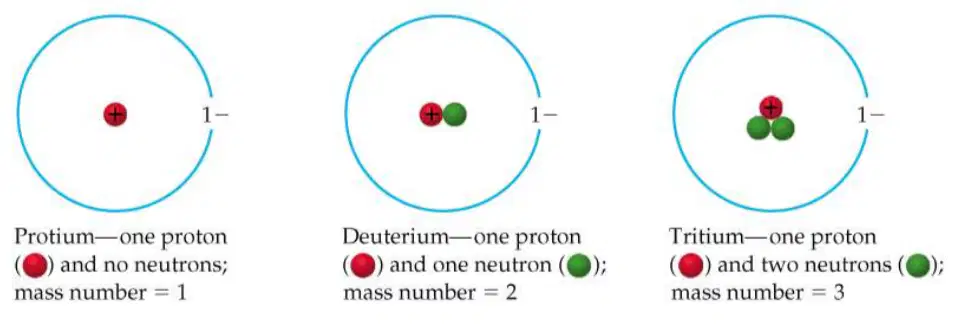
Hydrogen has three naturally occurring isotopes, denoted __________
يحتوي الهيدروجين على ثلاثة نظائر تحدث بشكل طبيعي، ويشار إليها
1H, 2H, 3H
is the most common hydrogen isotope with anabundance of more than 99.98%. Because the nucleus of this isotope consists ofonly a single proton, it is given the descriptive but rarely used formal name ________.
هو نظير الهيدروجين الأكثر شيوعًا بنسبة وفرة تزيد عن 99.98%. نظرًا لأن نواة هذا النظير تتكون من بروتون واحد فقط، فقد أُعطي الاسم الرسمي الوصفي ولكن نادرًا ما يستخدم
protium
¹H
tritium
³H
deuterium
²H
the stable hydrogen isotope, is known as _____ and contains one proton and one neutron in its nucleus .
نظير الهيدروجين المستقر، المعروف باسم ….. ويحتوي على بروتون واحد ونيوترون واحد في نواته
protium
¹H
helium
tritium
³H
deuterium
²H
is not radioactive, and does not represent a significant toxicity hazard.
its compounds are used as a non-radioactive label in chemical experiments and in solvents for
1H-NMR spectroscopy.
ليست مشعة، ولا تمثل خطر سم كبير
يتم استخدامه ومركباته كعلامة غير مشعة في التجارب الكيميائية وفي المذيبات للتحليل الطيفي
1H-NMR.
protium
¹H
helium
tritium
³H
deuterium
²H
It contains one proton and two neutrons in its nucleus.
It is radioactive, decaying into helium-3 through beta decay with a half-life of 12.32 years.
ويحتوي على بروتون واحد ونيوترونين في نواته
وهو مشع، ويتحلل إلى الهيليوم 3 من خلال اضمحلال بيتا بنصف عمر يبلغ 12.32 سنة
protium
¹H
helium
tritium
³H
deuterium
²H
Water enriched in molecules that include deuterium instead of normal hydrogen is called
الماء المخصب بالجزيئات التي تحتوي على الديوتيريوم بدلاً من الهيدروجين العادي يسمى
Heavy water is used as a neutron moderator and coolant for nuclear reactors.
Deuterium is also a potential fuel for commercial nuclear fusion
يستخدم الماء الثقيل كوسيط نيوتروني ومبرد للمفاعلات النووية.
ويُعد الديوتيريوم أيضًا وقودًا محتملًا للاندماج النووي التجاري
T
F

