
 Worksheets
Nervous, Cardiovascular, Respiratory - Rehab
Total questions: 59
Worksheet time: 41mins
How many chambers does the heart have?
3
4
5
6

________ take blood away from the heart.
veins
arteries

________ carries blood toward the heart.
Veins
Arteries

Arthersclerosis is when:
Arteries become narrowed and hardened
Arteries become widened and softened
Veins become closed off
Veins die off

A Heart attack is call what?
Myocardial Infarction
Chest pain
lymphoma
What prevents blood from flowing back into the atria when the ventricles contract?
semilunar valves
sinoatrial node
atrioventricular node
tricuspid and bicuspid valves
What is the main function of the heart?
exchange gases
circulate blood throughout the body
produce red blood cells
remove waste materials from the body
Blockage in one of the arteries of the body due to a blood clot that has broken off from another location in the body.
a pleural effusion
an embolism
pulmonary edema
a pneumothorax
A hereditary disease in which the blood clots slowly or abnormally. This causes prolonged bleeding with even minor cuts and bumps
Anemia
Hemophilia
Embolism
Atherosclerosis
High blood pressure
Heart Failure
Atherosclerosis
Myocardial Infarction
Hypertension
The ballooning out of an artery, accompanied by the thinning arterial wall, caused by weakening of the blood vessel
Aneurysm
Hematoma
Sickle cell anemia
Coronary Artery Disease

Letter D is pointing to
Aorta
Right Pulmonary Artery
Superior Vena Cava
Pulmonary Trunk

Letter G is pointing to
Right atrium
Left Atrium
Right ventricle
Left ventricle

What letter is pointing to the aorta?
D
K
C
B

Which letter is pointing to the tricuspid valve?
M
N
L
O
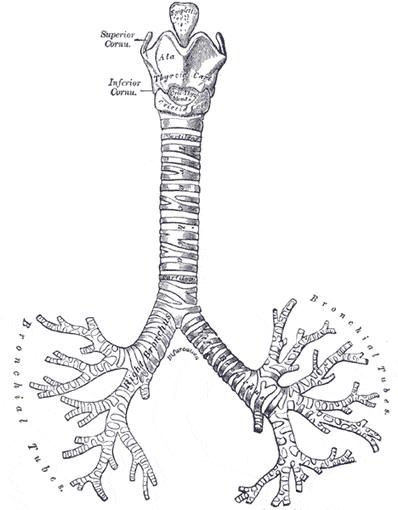
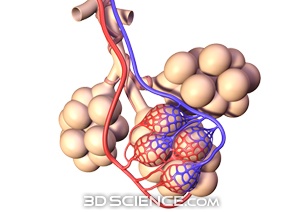

Name the organ label # 6.
alveoli
bronchi
trachea
lungs
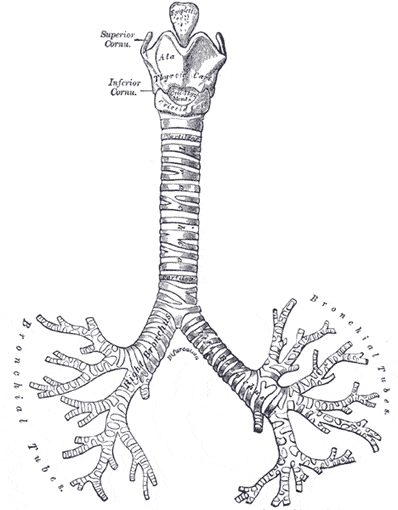

Name the structure labeled 8
lungs
trachea
diaphragm
alveoli
The exchange of oxygen and carbon dioxide in the alveoli is through a process called
active transport
conduction
convection
diffusion
This structure is also known as the voice box?
Trachea
Larynx
Pharynx
Nasal conchae
Where in the respiratory tract does the exchange of oxygen and carbon dioxide take place?
Alveoli
Bronchi
Larynx
Trachea
1. larynx
2. nasal cavity
3. pharynx
4. trachea
Which of the following is the correct order that air would flow during inhalation.
A fast pulse is also called...
tachycardia
tachypnea
bradycardia
bradypnea
the area of the body where you take a carotid pulse is...
the neck
the groin area
the wrist
the inside of your elbow
The first "thump" you hear when taking a blood pressure is....
the systolic blood pressure
the diastolic blood pressure
the lowest number
What is a "normal" blood pressure
120/110 mmHg
120/80 mmHg
100/80 mmHg
140/80 mmHg
The normal range of pulse in an adult:
12-20
90-120
60-100
120-160
The brain and spinal cord make up the
central nervous system
peripheral system
autonomic nervous system
efferent nervous system
The correct conduction pathway of a nerve impulse is...
Cell body, axon, dendrites, axon terminal
Dendrites, axon, cell body, axon terminal
Dendrites, axon terminal, cell body, axon
Dendrites, cell body, axon, axon terminal
point of close "contact" between 2 neurons
stimulus
astrocyte
glial cells
synapse
The purpose of the myelin sheath is ...
to carry nerve impulses toward the CNS
to carry nerve impulses away from the CNS
to insulate the axon of a neuron
the engulf "germs" near the neuron

the dendrites are labeled
A
B
C
D
the axon terminals are labeled
A
B
C
D
the axon is labeled
A
B
C
D
Imagine you are studying the structure of a neuron under a microscope. Which part of the neuron would you identify as the one that receives signals from other neurons?
dendrites
axon
cell body
synapse
Imagine you are a scientist studying the nervous system. You come across the myelin sheath in your research. What would you say is its function?
The function of the myelin sheath is to insulate and speed up the transmission of electrical signals along nerve fibers.
The function of the myelin sheath is to protect nerve fibers from damage.
The function of the myelin sheath is to regulate the production of electrical signals in nerve fibers.
The function of the myelin sheath is to store and release neurotransmitters.

A group of brain disorders characterized by repeated seizures over time
epilepsy
dementia
meningitis
cerebral palsy

An infection induced inflammation of the meninges surrounding the brain and the spinal cord
epilepsy
meningitis
dementia
cerebral palsy
death of brain tissue that occurs when an arterial blockage or arterial rupture prevents blood flow to the brain; also called a stroke
amyotrophic lateral sclerosis (ALS)
multiple sclerosis
cerebrovascular accident (CVA)
vertigo
You´re giving a speech in front of the entire school body
parasympathetic nervous system
sympathetic nervous system
The autonomic nervous system is divided into
Motor and Sensory
Peripheral and Central
The Brain and Spinal cord
Sympathetic and Parasympathetic
Division of the Autonomic Nervous System that is FIGHT OR FLIGHT
Decrease heart rate
sympathetic
parasympathetic
throat
-pharynx
laryng/o
rhin/o
py/0
windpipe
laryng/o
pharyng/o
trache/o
rhin/o
surgical puncture
-pharynx
py/o
-centesis
-ecstasis

brain stem
cerebrum
Center of reasoning, thought, and memory
mid brain
pons
cerebellum
cerebrum
Conducts impulses between brain parts and controls some eye reflexes
cerebellum
cerebrum
pons
mid brain
A respiratory disorder caused by a sensitivity to an allergen is ____.
bronchitis
chronic obstructive pulmonary disease
asthma
emphysema
A noninfectious, chronic respiratory condition that occurs when the walls of the alveoli deteriorate and lose their elasticity is ____.
asthma
chromic obstructive pulmonary disease
emphysema
pleurisy
The correct term for a nosebleed is ____.
epistaxis
rhinitis
sinusitis
pleurisy
A CPAP device is mainly used for the disorder known as ____.
emphysema
sleep apnea
pleurisy
epistaxis

