
 Worksheets
Animal and Plant Classification
Total questions: 50
Worksheet time: 30mins

Vertebrates are animals with ____.
special tubes
no special tubes
backbones
no backbones
What is the major difference between vertebrates and invertebrates?
Invertebrates are smaller than vertebrates.
Invertebrates live in water and vertebrates do not.
Invertebrates have a backbone and vertebrates do not.
Vertebrates have a backbone and invertebrates do not.
Mammals, fish, birds, reptiles and amphibians are all ___.
vertebrates
invertebrates
Crabs, lobsters, and shrimp with hard exoskeletons are ___.
vertebrates
invertebrates

Which group does it belong to?
vertebrate
invertebrate

Which group does it belong to?
vertebrate
invertebrate

Which group does it belong to?
vertebrate
invertebrate

Which group does it belong to?
vertebrates
invertebrates
What is an invertebrate?
an animal with a backbone
an animal without a backbone
mammals
birds
Are there more vertebrates or invertebrates on Earth?
vertebrates
invertebrates
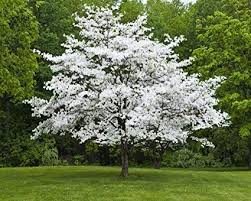
Dogwood Tree
Seed Producing
Non Seed Producing

Is a fern classified as a seed or non-seed plant?
seed plant
non-seed plant

How would scientists classify this plant?
seed plant
non-seed plant

Classify this plant
nonvascular, seed producing
nonvascular, nonseed producing
vascular, seed producing
vascular, nonseed producing

Mammal
Bird
Fish
Reptile
Amphibian

Mammal
Bird
Fish
Reptile
Amphibian

Mammal
Bird
Fish
Reptile
Amphibian

Mammal
Bird
Fish
Reptile
Amphibian

Mammal
Bird
Fish
Reptile
Amphibian
Have scaly skin
Live on land
Are cold-blooded
Usually lay leathery eggs
Mammal
Bird
Fish
Reptile
Amphibian
Breathe with gills
Have fins and scales
Live in water
Are cold-blooded
Usually lay gelatinous eggs
Mammal
Bird
Fish
Reptile
Amphibian
Live in water when they are young (breath with gills)
Live on land when they are adults (breath with lungs)
Are cold-blooded
Have smooth, moist skin
Lay jellylike eggs without shells
Mammal
Bird
Fish
Reptile
Amphibian
Have two legs, feathers, and wings
Breath with lungs
Eat with a bill or beak
Are warm-blooded
Have hollow bones and most can fly
Lay hard-shelled eggs
Mammal
Bird
Fish
Reptile
Amphibian
Have hair or fur
Are warm-blooded
Feed milk to their young
Usually have live births
Mammal
Bird
Fish
Reptile
Amphibian
ferns are classified as vascular plants that are _____________ producers
Seed
Non-seed
Pine trees are classified as ____________________ producers without using flowers
Seed
Non-seed

Mammal
Bird
Fish
Reptile
Amphibian

This is a seed-bearing tree because it has pine cones to help it reproduce.
True
False

A fern is a vascular plant that is a non-seed producer.
True
False

What group would this plant be classified under?
Vascular Flowering
Vascular Nonflowering
Vascular Seedless
Non-Vascular
I am cold blooded and live both on land water. I have moist skin, a backbone and lay jelly coated eggs in the water. What am I?
A reptile
An amphibian
A mammal
A fish
Animals that usually have the same body temperature, regardless of their surroundings are called:
terrestrial
aquatic
warm-blooded
cold-blooded
What does the word classify mean?
to name an object
to study a nonliving thing
to group things together using a set of rules
to find differences between plants and animals
Plants are classified by whether they are
vertebrates/invertebrates
uni-cellular/ multi-cellular
seed producers/non-seed producers
warm-blooded/ cold-blooded
Conifers protect their seeds in cones.
True
False

Does this plant reproduce with seeds or spores?
Seeds
Spores

Does this plant reproduce with seeds or spores?
Seeds
Spores

Does this plant reproduce with seeds or spores?
Seeds
Spores
Seeds grow into plants. Some flowering plants produce fruits. What does the fruit contain?
water
roots
seeds
other plants
Brooke made a list of organisms and classified them into two groups, What would be the best titles for these groups?
Group 1: fish, amphibians, reptile
Group 2: mollusks, arthropods, insects
Group 1: Exoskeleton
Group 2: Endoskeleton
Group 1: Vertebrates
Group 2: Invertebrates
Group 1: Mammals
Group 2: Invertebrates
Group 1: Invertebrates
Group 2: Endoskeleton
Which two types of animals share these characteristics?
cold-blooded
hatch from eggs
born with gills
insect and fish
amphibians and reptiles
fish and amphibians
reptiles and insects
Which list includes only plants classified as non-seed porducers?
pine tree, carrot, tomato
carrot, fern, tomato
moss, fern, liverwort
oak tree, moss, water lily
Sally classified a list of plants into two groups. What two titles could be used for Groups 1 and 2?
Group 1: moss, fern, liverwort
Group 2: pine tree, sunflower, cucumber
Group 1: Non-vascular
Group 2: Non-seed Producers
Group 1: Non-seed Producers
Group 2: Seed Producers
Group 1: Seed Producers
Group 2: Non-vascular
Group 1: Vascular
Group 2: Non-vascular
Groups of Animals
Group 1: giraffe, elephant, tiger
Group 2: penguin, ostrich, eagle
Group 3: crocodile, alligator, lizard
Group 4: flea, butterfly, bee
Group 5: tree frog, toad, salamander
Which group of animals contains warm-blooded vertebrates that lay eggs and have feathers?
Group 1
Group 3
Group 5
Group 2
I am cold blooded and live both on land water. I have moist skin, a backbone and lay jelly coated eggs in the water. What am I?
A reptile
An amphibian
A mammal
A fish
I have dry scales, am cold blooded, lay leathery shelled eggs, and have a vertebrate. What am I?
a bird
a fish
a mammal
a reptile
If an animal maintains a constant body temperature it is
Warm blooded
Cold blooded
If an animal's body temperature changes with its surroundings it is
Warm blooded
Cold blooded
Which animals are warm blooded
Mammals
Birds
Fish
Reptiles
Amphibians

