
NEW
Font size
 Worksheets
Body Systems
Total questions: 46
Worksheet time: 54mins
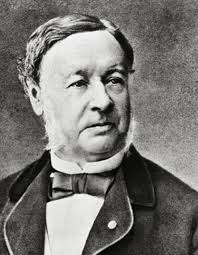

Which of the following scientists was the first to observe bacteria under a microscope?
Anton van Leeuwenhoek
Matthais Schleiden
Robert Hooke
Theodor Schwann

Robert Hooke
Matthias Schleiden
Robert Hooke named the small compartments that made up the cork __________after the rooms monks lived in.
organelles
membranes
mocroscopes
cells
What is the largest, most complex level of organization in living things?
Organism
The nervous system is an organism.
True
False
Which is an example of an organ?
What are organs made of?
Tissues
Organs are made up of tissues that perform a specific function.
True
False
The correct order of levels from lowest to highest is...
organs, tissues, cells, organism, organ system
organism, organ system, organ, tissue, cells
cells, tissues, organ, organ systems, organism
cells, organs, tissues, organism, organ systems
Organ systems are made up of multiple organs working together to perform a function or job.
True
False
Organism is the smallest, most simple level of organization.
True
False
Which is not an example of an organism?
Sunflower
The correct order from largest/most complex to smallest/most simple is...
cells, tissues, organ systems, organism, organs
cells, tissues, organ, organ systems, organism
organisms, organ, organ systems, cells, tissues
organisms, organ system, organs, tissue, cells
Tissues are made up of cells that are...
Similar
Different
____ are the building blocks of all living things.
Organs
Tissues
What is an organ system?
More than one tissue working together to perform a function
More than one organ working together to perform a function
A composition of similar cells that perform a specific function
What are tissues made of?
The basic unit of life
tissue
organism
cell
organ
Different tissues that perform a task
tissue
organism
cell
organ
Group of cells that work together
Tissue
Organism
Cell
Organ
A living being
Tissue
Organism
Cell
Organ
The stomach, small intestine, and large intestine are all organs. When they work together to process food, they form a functional unit known as -
an organism
an organ system
a tissue
a cell
Which of the following correctly orders the organization in plants and animals from least to most complex?
Organisms → Organ Systems → Organs → Tissues → Cells
Tissues → Cells → Organs → Organisms → Organ Systems
Organs → Tissues → Organisms → Cells → Organ Systems
Cells → Tissues → Organs → Organ Systems → Organisms
Which option shows the levels of organization for plants and animals in their proper hierarchical order from smallest to largest?
A. organism, organ system, organ, tissue, cell
B. cell, tissue, organ, organ system, organism
C. cell, organ, organ system, tissue, organism
D. organism, organ, organ system, tissue, cell
Which correctly describes cells, tissues, organs, and organ systems?
The smallest unit of organization is a cell, a group of cells working together for a specific purpose is an organ, and a group of tissues working together makes up an organ system.
The smallest unit of organization is a tissue, a group of tissues working together for a specific purpose is an organ, and a group of organ systems working together is a cell.
The smallest unit of organization is a tissue, a group of tissues working together for a specific purpose is a cell, and a group of organ systems working together is an organ.
The smallest unit of organization is a cell, a group of tissues working together for a specific purpose is an organ, and a group of organs working together is an organ system.
Which of the following is not an organ within the hierarchical organization of a plant?
Stems
Flowers
Roots
Petals

The image shows cells with different appearances, sizes, and shapes. Why do different types of cells have different shapes and sizes?
Different cells are specialized to perform different functions. The shape and size will form specialized tissue based on the structure of the cell.
Cells have different sizes and shapes due to environmental conditions.
Different sizes and shapes help provide cells with the ability to morph from one cell to another.
Sizes and shapes are impacted by the amount of nutrition the cell has received.
The hierarchical organization in plants is similar to the hierarchical organization in animals in that both have:
a single level of organization
a complex structure with multiple levels
no organization
only one type of cell
In a plant, how does tissue differ from an organ? How are they similar?
Tissues are made of similar cells, while organs are made of different tissues working together. Both are essential for plant function.
Tissues are made of different tissues working together, while organs are made of similar cells. Both are essential for plant function.
Tissues and organs are both made of similar cells and perform the same function.
Tissues and organs are both made of different tissues working together and perform the same function.
Which cell theory is true?
Some organisms are composed of one or more cells
All cells are from preexisting cells
The organs are the basic unit of structure and organization in organisms
Animals are only from preexisting cells

