
 Worksheets
Unit 4 Test: Rocks & Minerals Study Guide
Total questions: 55
Worksheet time: 28mins
Rocks can be made from all of these EXCEPT for...
soils
plastic
minerals
organic material
During the rock cycle, which process comes AFTER erosion?
weathering
heat & pressure
deposition
crystallization
What causes sedimentary rocks to change into metamorphic rock?
heat & pressure
weathering & erosion
cooling
melting
What changes metamorphic rock into igneous rock?
heat & pressure
compaction & compression
weathering & erosion
melting & crystallization
Which statement BEST describes the rock cycle?
Rocks can be moved from place to place on earth without changing.
Rocks move in circles on earth as it rotates.
Rocks are always changing, and any type of rock can be turned into another type of rock by natural processes.
Sedimentary rocks may be remelted several times.
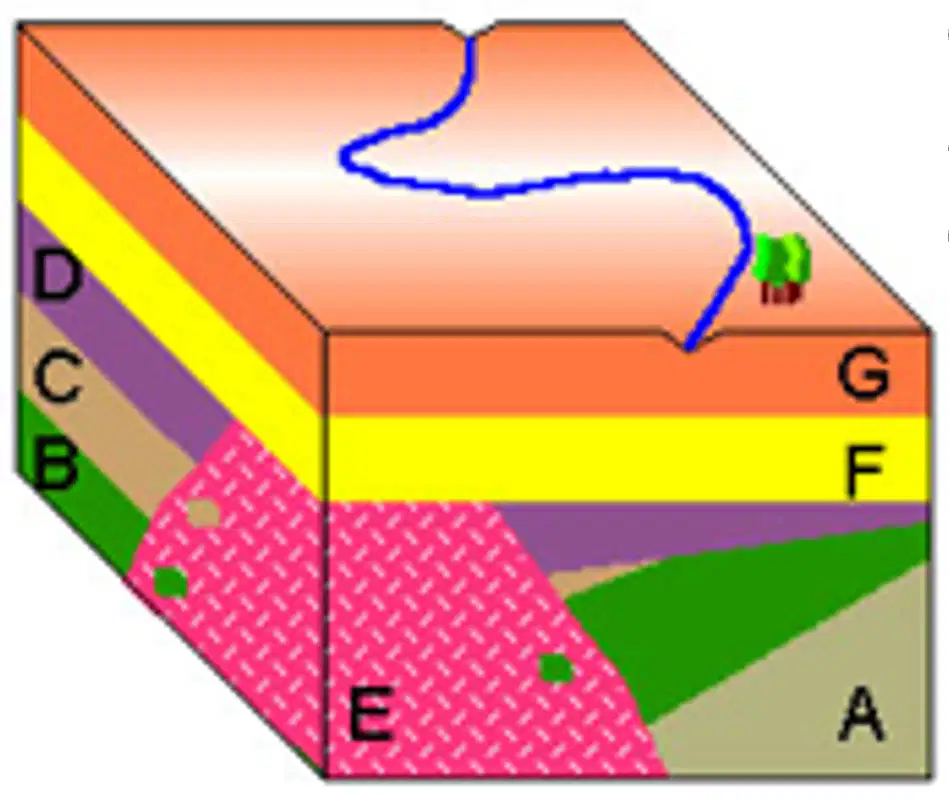
Once the magma found at location E cools and crystallizes, it will...
turn into lava
form igneous rock
sink back into Earth's deep interior
form igneous, metamorphic, and sedimentary rocks

This diagram shows one way rocks are formed. Which type of rock is formed by these processes?
Igneous rock
Metamorphic rock
Sedimentary rock
Crystal rock
Which type of rock forms under high heat and pressure, but is not melted?
Igneous
Metamorphic
Sedimentary
Volcanic
Granite is a hard material and forms from cooling magma. Which type of rock would granite be?
Lava stone
Metamorphic rock
Sedimentary rock
Igneous rock

A student looks at four unidentified rocks. She wrote a description of each rock under its picture. Which rock should the student classify as an igneous rock?
Rock #1
Rock #2
Rock #3
Rock #4
Which type of rock can form if a rock is melted down before crystallizing?
Mineral
Igneous
Metamorphic
Sedimentary
Which process can turn any rock into sediment?
Heat & pressure
Weathering & erosion
Melting & cooling
Compaction & cementation
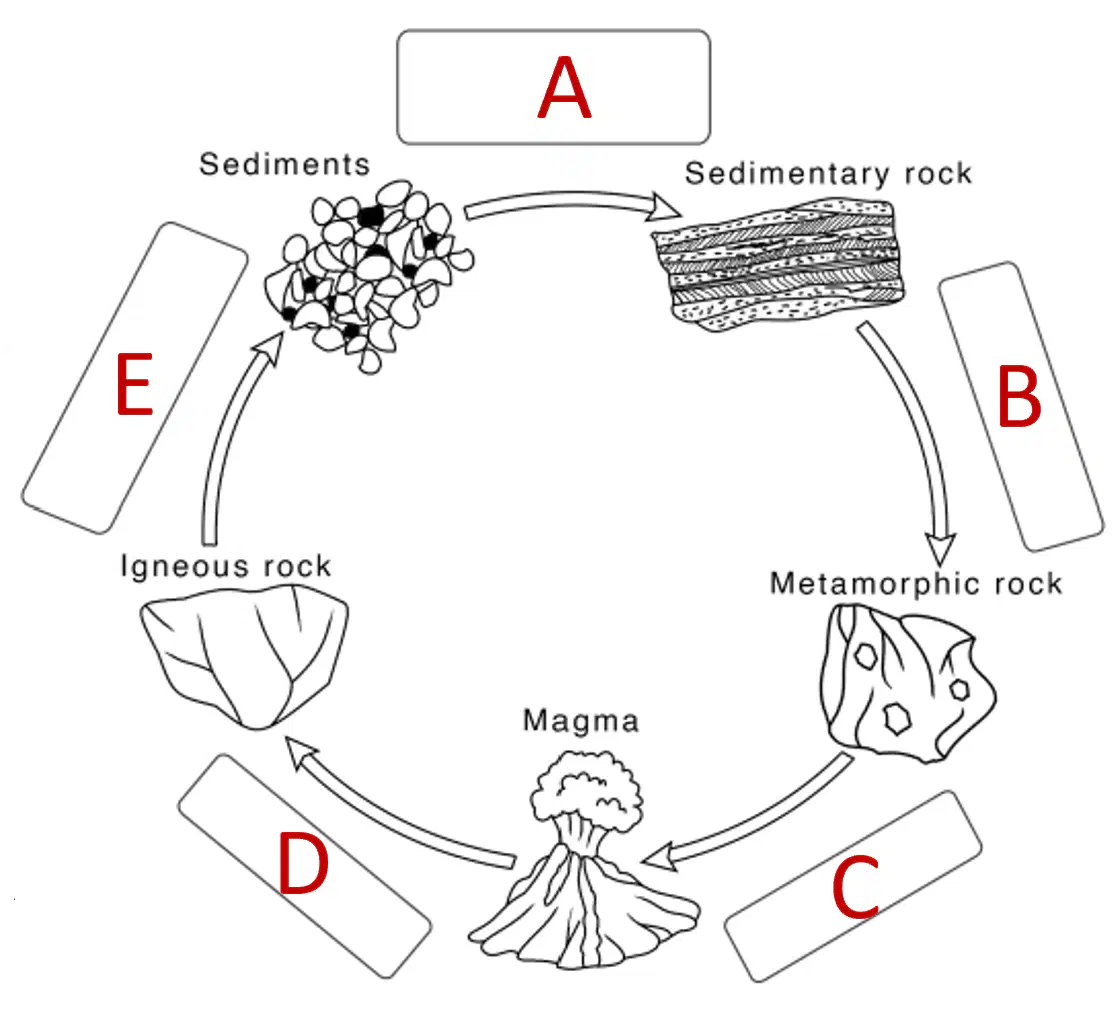
Which natural processes are happening at point D on this rock cycle diagram?
Cooling & crystallization
Heat & pressure
Weathering & erosion
Deposition, compaction, & cementation
Which natural processes are happening at point E on this rock cycle diagram?
Cooling & crystallization
Heat & pressure
Weathering & erosion
Deposition, compaction, & cementation
Which natural processes are happening at point A on this rock cycle diagram?
Cooling & crystallization
Heat & pressure
Weathering & erosion
Deposition, compaction, & cementation
Which natural processes are happening at point B on this rock cycle diagram?
Cooling & crystallization
Heat & pressure
Weathering & erosion
Deposition, compaction, & cementation
Which natural processes are happening at point C on this rock cycle diagram?
Cooling & crystallization
Heat & pressure
Melting
Deposition, compaction, & cementation
How do geologists classify rocks?
By how they are formed
By how they look
By the minerals that are in them
By their density
What is the difference between magma and lava?
Magma is melted rock, but lava is melted crystals.
Lava is hotter than magma.
Magma makes metamorphic rocks, but lava makes igneous rocks.
Lava is found on Earth's surface, but magma is found inside the Earth.
True or False: When a rock has gone through every stage of the rock cycle, it is done changing.
True
False
What is the difference between intrusive igneous rock and extrusive igneous rock?
Intrusive igneous rocks form from sedimentary rocks, but extrusive igneous rocks form from metamorphic rocks.
Extrusive igneous rocks show more crystals than intrusive igneous rocks.
Intrusive igneous rocks form from magma inside the Earth, but extrusive igneous rocks form from lava on Earth's surface.
Extrusive igneous rocks are glassy, but intrusive igneous rocks are dull.
Which type of rock is most likely to contain fossils?
Metamorphic
Igneous
Sedimetnary
Mineral
Luster is one of the physical properties that can be used to identify a mineral. A student finds a mineral that is shiny like polished metal. In which luster category does this mineral belong?
dull
glassy
pearly
metallic
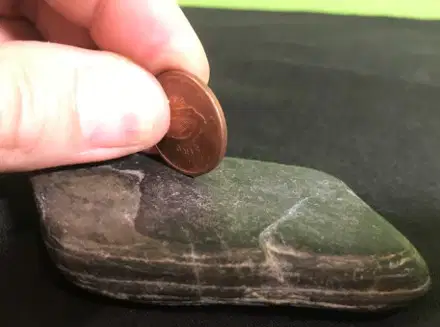
This picture shows a mineral sample being scratched by a copper penny. Which mineral property is being tested?
color
hardness
streak
luster
The mineral muscovite breaks along a single plane to form flat sheets. What do we call this property of breaking along smooth, flat planes?
cleavage
fracture
crystal structure
hardness
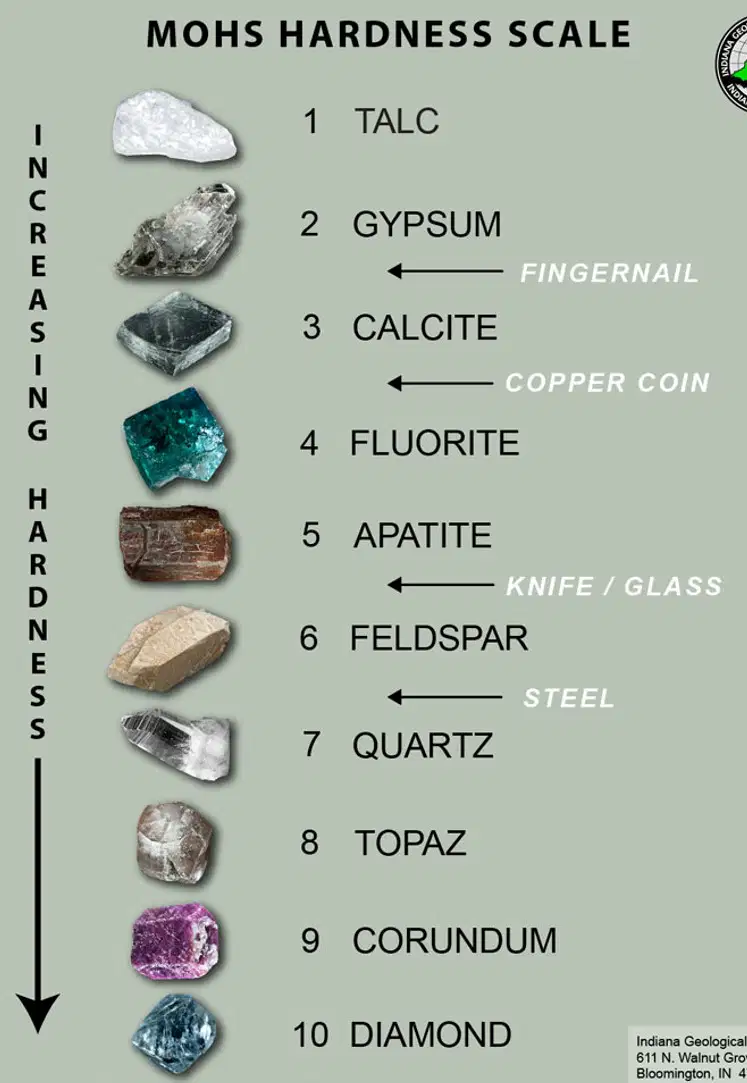
Meg's teacher asked her to do a scratch test to identify an unknown mineral. Meg discovers that feldspar can scratch the mineral, but fluorite cannot scratch it. Which mineral could it be?
Calcite
Apatite
Quartz
Gypsum
What is the softest mineral on the Mohs Hardness Scale?
Gypsum
Calcite
Talc
Fluorite
Bill finds a mineral that has the color and luster of gold. He rubs the mineral on a tile and sees that its streak is greenish-black, meaning it's really pyrite. What was the test that Bill used to determine if he had found real gold?
color test
plate test
streak test
scratch test
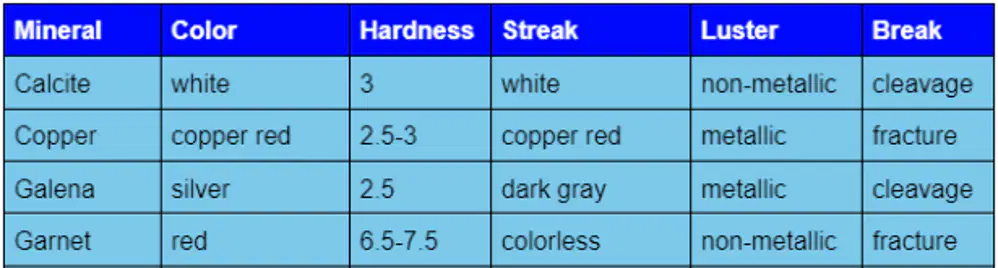
Mineral X is non-metallic and shows fracture. Scratch tests determine that its hardness is 7. The mineral is red, but the streak is white. What is Mineral X?
Calcite
Copper
Galena
Garnet
Mineral Y is metallic and shows cleavage. Scratch tests determine that its hardness is 2.5. The mineral is silver, and the streak is dark gray. What is Mineral Y?
Calcite
Copper
Galena
Garnet
Which of these is an example of a sedimentary rock?
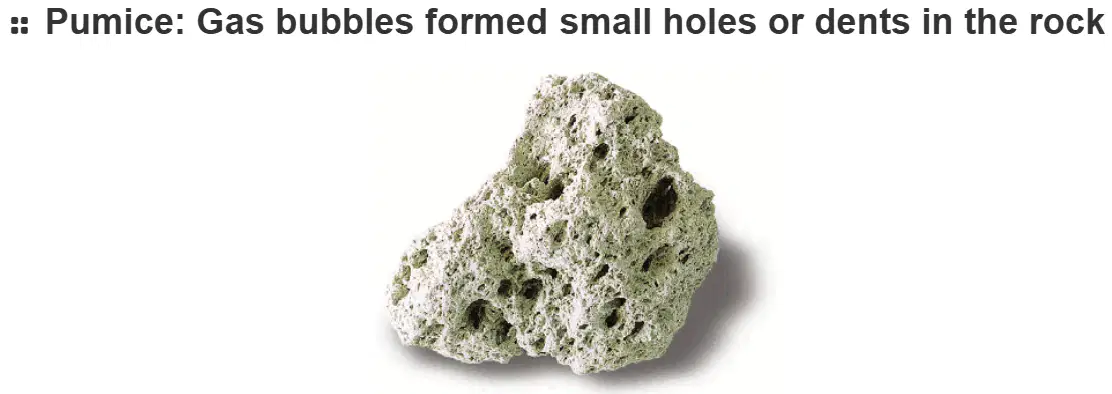
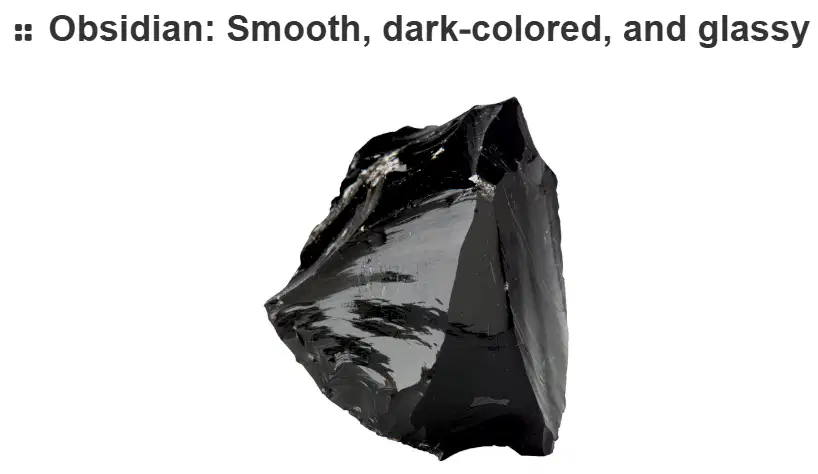
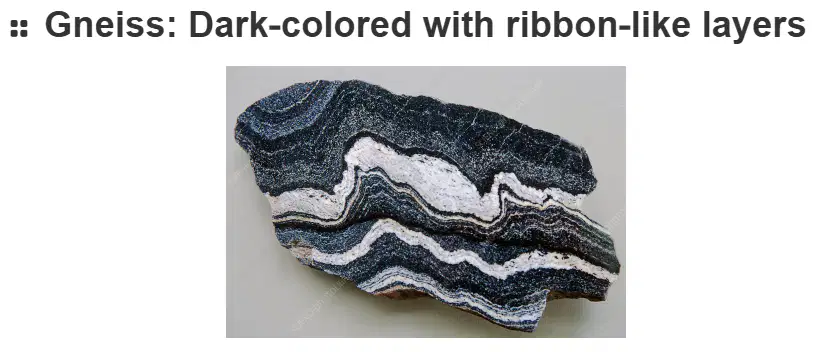
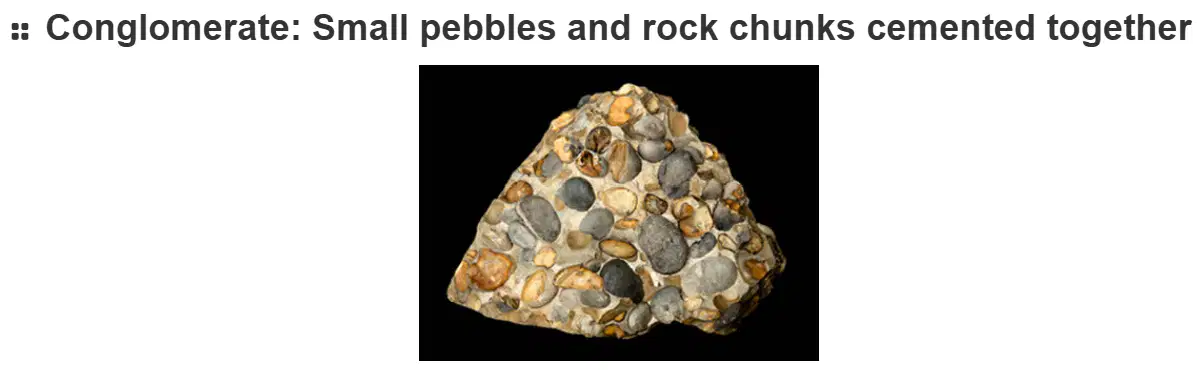
Which of these is an example of an igneous rock?
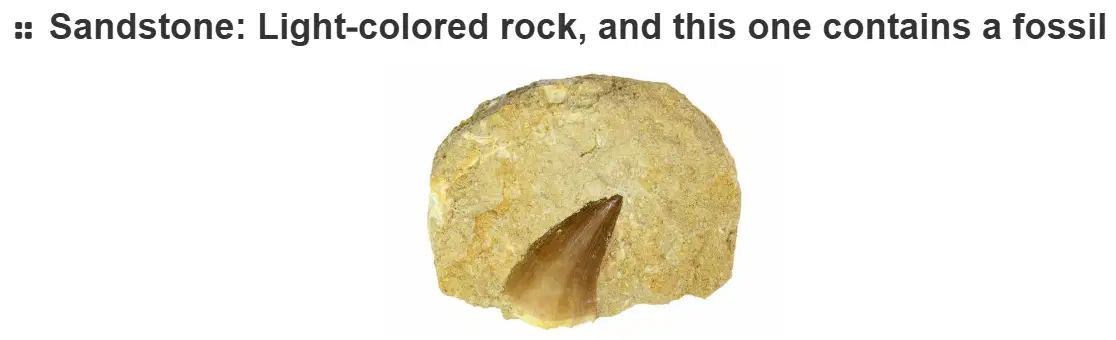
Which of these is an example of a sedimentary rock?
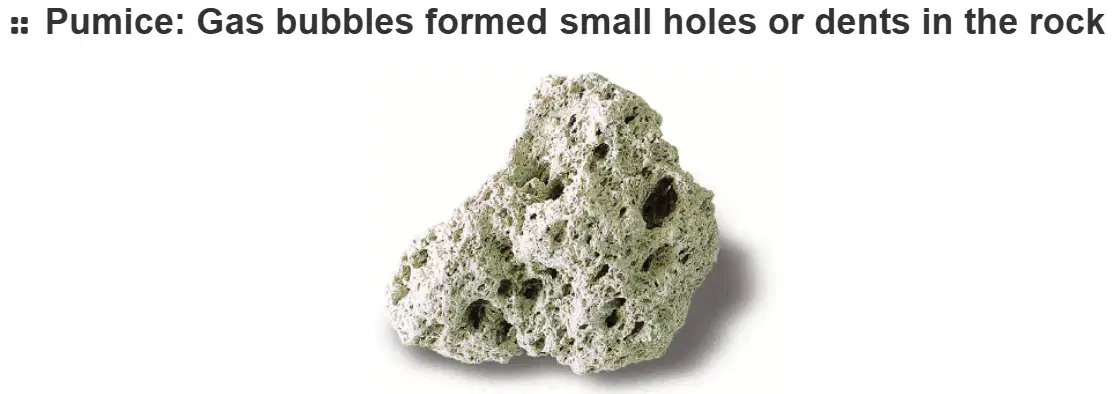
Which of these is an example of a metamorphic rock?
Which of these is an example of a metamorphic rock?
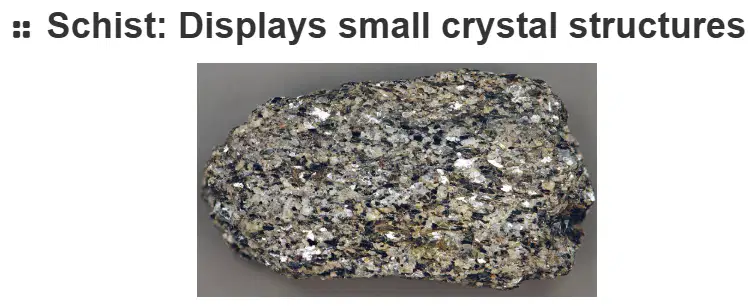
Which of these is an example of an igneous rock?
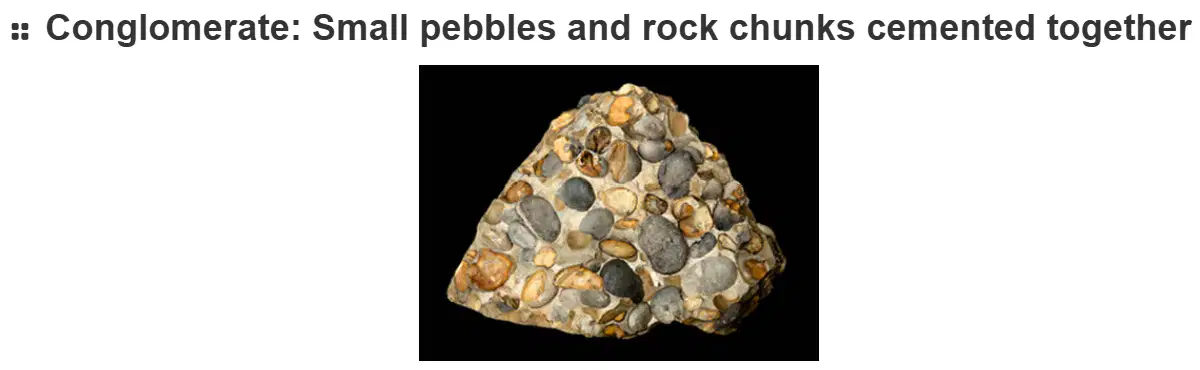
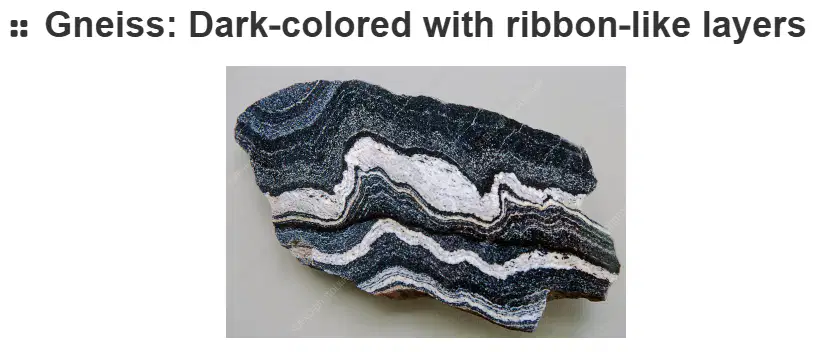
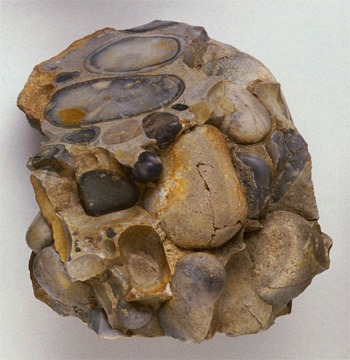
Hardness is...
A mineral's resistance to being scratched
A mineral breaks into smooth, flat planes
A mineral breaks into uneven, irregular patterns
The color of a mineral in its powdered form
Streak is...
A mineral's resistance to being scratched
A mineral breaks into smooth, flat planes
A mineral breaks into uneven, irregular patterns
The color of a mineral in its powdered form
Cleavage is...
A mineral's resistance to being scratched
A mineral breaks into smooth, flat planes
A mineral breaks into uneven, irregular patterns
The color of a mineral in its powdered form
Fracture is...
A mineral's resistance to being scratched
A mineral breaks into smooth, flat planes
A mineral breaks into uneven, irregular patterns
The color of a mineral in its powdered form
Luster is...
Most easily observed property, but unreliable for identification
How a mineral reflects light
The outward shape of a mineral determined by the arrangement of atoms
The color of a mineral in its powdered form
Crystal structure is...
Most easily observed property, but unreliable for identification
How a mineral reflects light
The outward shape of a mineral determined by the arrangement of atoms
The color of a mineral in its powdered form
Color is...
Most easily observed property, but unreliable for identification
How a mineral reflects light
The outward shape of a mineral determined by the arrangement of atoms
The color of a mineral in its powdered form
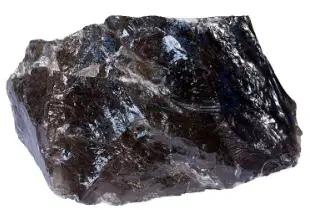
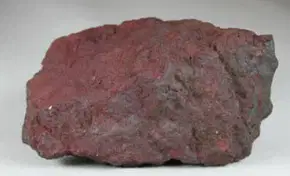
Which of these minerals is metallic?
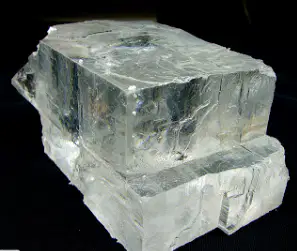
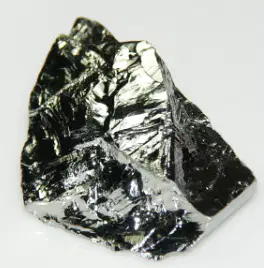
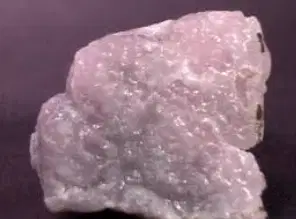
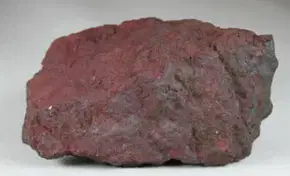
Which of these minerals is NON-metallic?
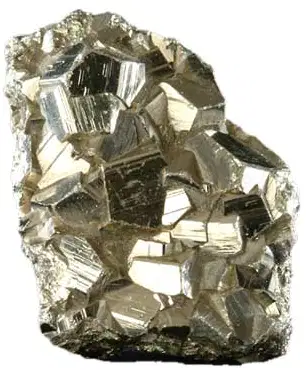
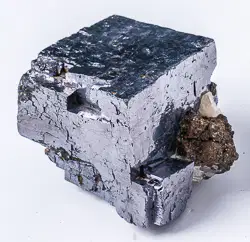
Which of these minerals is an example of fracture, with jagged, irregular edges?
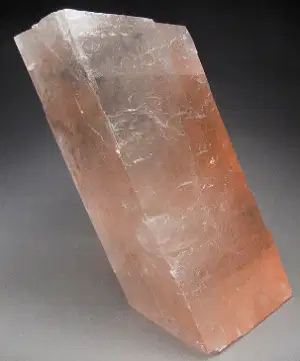
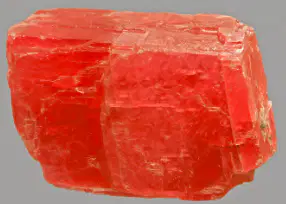
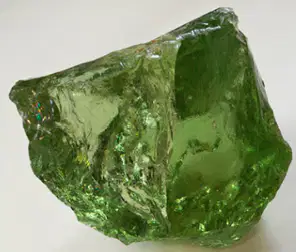
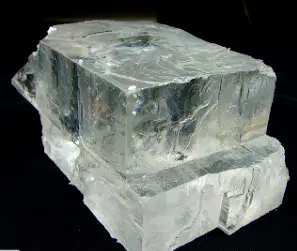
Which of these minerals is an example of cleavage, with smooth, flat planes?
Igneous rocks are formed when...
magma cools and hardens
layers of sediment are packed and hardened
they are exposed to heat and pressure
weathering and erosion breaks a rock into tiny pieces
Metamorphic rocks are formed when...
magma cools and hardens
layers of sediment are packed and hardened
they are exposed to heat and pressure
weathering and erosion breaks a rock into tiny pieces
Sedimentary rocks are formed when...
magma cools and hardens
layers of sediment are packed and hardened
they are exposed to heat and pressure
weathering and erosion breaks a rock into tiny pieces
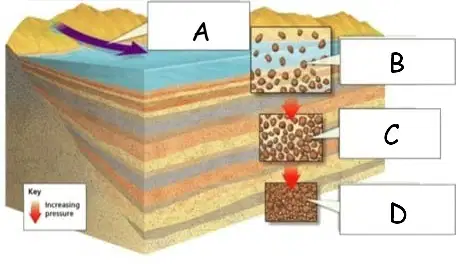
These processes form a sedimentary rock. What process is happening at A on the diagram?
compaction
cementation
weathering & erosion
deposition
These processes form a sedimentary rock. What process is happening at B on the diagram?
compaction
cementation
weathering & erosion
deposition
These processes form a sedimentary rock. What process is happening at C on the diagram?
compaction
cementation
weathering & erosion
deposition
These processes form a sedimentary rock. What process is happening at D on the diagram?
compaction
cementation
weathering & erosion
deposition

