
 Worksheets
Respiration 02
Total questions: 11
Worksheet time: 15mins
Filters, warms, and moistens inhaled air (a) .
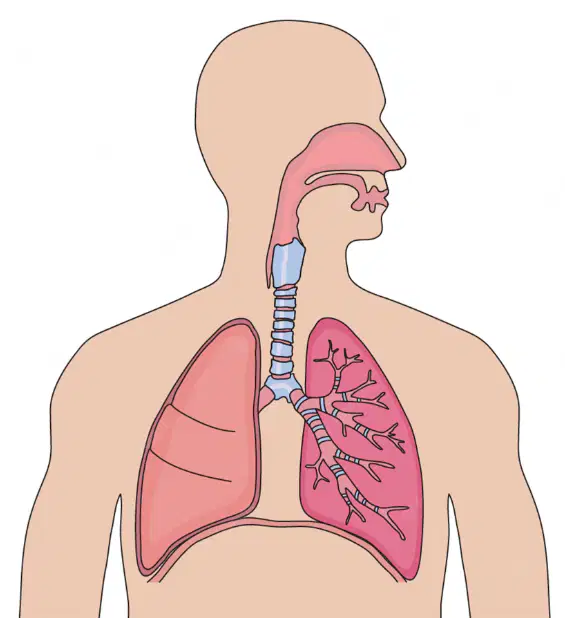
Label the structures of the respiratory system
epiglottis
nose
bronchus
bronchiole
alveoli
diaphragm
pharynx
trachea
lung

the functional respiratory units where gas exchange occurs are the (a)
The two branches at the end of the trachea are called _________
bronchus
bronchioles
bronchi
alveoli
The ________ keeps the windpipe open and is lined with fine hair called _______
trachea
bronchus
villi
cilia

provides and alterantive air passage
nose
pharynx
mouth
larynx

passage way for air; leads to the trachea
larynx
pharynx
nose
bronchus
which of the following is the correct formula for respiration in yeasts
C6H12O6 + 6 O2 → 6 CO2 + 6 H2O + Energy
C6H12O6 → 2 C3H6O3 (lactate) + Energy
C6H12O6 → 2 C2H5OH (ethanol) + 2 CO2 + Energy
6 CO2 + 6 H2O + Energy → C6H12O6 + 6 O2
Which sequence represents the correct flow of air from the nose to the alveoli in the respiratory system?
Nose - Pharynx - Larynx - Trachea - Bronchi - Bronchioles - Alveoli
Nose - Pharynx - Larynx - Trachea - Bronchioles - Bronchi - Alveoli
Nose - Larynx - Pharynx - Trachea - Bronchi - Bronchioles - Alveoli
Nose - Pharynx - Larynx - Bronchi - Trachea - Bronchioles - Alveoli
True or False: The exchange of gases in the alveoli is an entirely passive process, with no need for energy expenditure by the body.
(a)
Our lungs are incredible organs that allow us to breathe, and at the heart of this amazing process is a tiny structure called the alveoli. Alveoli are like little air sacs located deep within our lungs, and they play a crucial role in making sure our bodies get the oxygen they need and get rid of the waste product, carbon dioxide.
When we take a breath in, the air we inhale contains oxygen. This oxygen-rich air travels through our airways, finally reaching the alveoli. These tiny sacs have ultra-thin walls, which are essential for the exchange of gases.
Inside our bloodstream, we have red blood cells, and these blood cells contain a special protein called hemoglobin. Hemoglobin is like a taxi for oxygen; it grabs onto oxygen and carries it through our body.
At the alveoli, a fascinating exchange happens. The oxygen in the alveoli easily passes through the thin walls and enters our bloodstream. Hemoglobin in the red blood cells catches that oxygen, much like a catcher's mitt catches a ball in a baseball game. Now, our blood is loaded with oxygen, and it's ready to be transported to all our body's cells, giving them the energy they need to function properly.
But our bodies produce carbon dioxide as a waste product when we use oxygen for energy. This carbon dioxide must be removed to keep our bodies healthy. Luckily, the alveoli help with this too. The carbon dioxide in our blood moves from the bloodstream into the alveoli. When we breathe out, we release this waste product into the air, and it's expelled from our bodies.
In summary, the alveoli in our lungs act as tiny exchange points for oxygen and carbon dioxide. They let oxygen into our blood, which is essential for our cells to function, and they also help get rid of the waste carbon dioxide when we breathe out. This gas exchange process is vital for our survival and allows us to stay active and healthy. So next time you take a deep breath, remember the incredible work happening in your alveoli, ensuring your body gets the oxygen it needs and disposes of the waste it doesn't.
What is the main role of alveoli in our lungs?
To produce oxygen
To transport carbon dioxide to our cells
To exchange oxygen and carbon dioxide between the air and our bloodstream
o store extra oxygen in the lungs
Which protein in our red blood cells helps carry oxygen throughout our body?
Hemoglobin
Insulin
Collagen
Melanin
Why is the exchange of gases in the alveoli important for our bodies?
To remove oxygen from our bloodstream
To keep our blood red
To provide energy to our body's cells and remove waste carbon dioxide
To release carbon dioxide into the bloodstream
The primary role of the alveoli in our lungs is to exchange (a) between the air and our bloodstream.
How does the intricate process of gas exchange in the alveoli illustrate the remarkable efficiency of our respiratory system and its vital role in sustaining human life?"

