
 Worksheets
SCIENCE FORM 3: STIMULI AND RESPONSE
Total questions: 77
Worksheet time: 40mins

Human nervous system. Label A.
Brain
Spinal cord
Cranial nerves
Spinal nerves

Human nervous system. What is B?
Brain
Spinal cord
Cranial nerves
Spinal nerves

Human nervous system. What is C?
Brain
Spinal nerves
Cranial nerves
Spinal cord

Human nervous system. What is D?
Brain
Spinal nerves
Cranial nerves
Spinal cord

What is labeled Z?
Nervous system
Central nervous system
Peripheral system
Peripheral nervous system
What is labeled Y?
Nervous system
Central nervous system
Peripheral system
Peripheral nervous system
The human nervous system is able to detect ______________.
rsponses
stimuli
impulses
information
Human nervous system send _________________ in the form of __________________.
responses, impulses
information, impulses
stimuli, impulses
fear, impulses
A human nervous system can produce an appropriate _____________.
answers
responses
interpretation
stimuli

Voluntary actions are taken under _________________ control.
conscious
unconscious
semi-conscious
caution
Involuntary actions are taken under _________________ control.
conscious
unconscious
semi-conscious
caution
Example of involuntary action is ____________________.
reading
talking
breathing
writing
Example of voluntary action is ____________________.
peristalsis
heartbeat
breathing
reading
Which one below is CORRECT in describing voluntary action?
Affector > brain > effector > response
Affector > effector > response
Affector > effector > spinal cord > response
Effector > Affector > spinal cord > response
Which one below is CORRECT in describing involuntary action?
Affector > brain > effector > response
Affector > effector > response
Affector > effector > spinal cord > response
Effector > Affector > spinal cord > response

In an experiment, when a torch is shined towards a student's eye, the pupil will become smaller.
Explain the sequence on the pathway of this impulse?
Affector > brain > effector > response
Affector > brain > effector
Affector > effector > response
Affector > effector > spinal cord > response

What is the response in the above activity?
catching the ruler
voluntary action
release the ruler
involuntary action
The above experiment shows ______________ action and is done _________________.
voluntary, consciously
voluntary, unconsciously
involuntary, consciously
involuntary, unconsciously
Response is very important in our lives so that we can _____________________.
coordinate our brain during certain time only.
coordinate and control body organs to function efficiently in the time required.
coordinate study, resting and sleeping time.
to protect ourselves from harms.

The figure above explains a pathway of impulse in human nervous system during hot object experiment. This pathway explains ____________________.
a voluntary action
an involuntary action
a reflex anatomy
a relation between stimuli and response
Apakah komponen dalam sistem saraf periferi ?
What are the component of the peripheral nervous system ?
Otak dan saraf tunjang
Brain and spinal cord
Saraf spina dan saraf tunjang
Spinal nerve and spinal cord
Saraf spina dan saraf kranium
Spinal nerve and cranial nerve
Saraf tunjang dan saraf kranium
Spinal cord and cranial nerve
Saraf kranium menghubungkan
The cranial nerve connects
Saraf tunjang dengan otot rangka
The spinal cord to the skeletal muscle
Saraf tunjang dengan organ deria
The spinal cord to sensory organ
Otak dengan otot rangka
The brain to the skeletal muscle
Otak dengan organ deria.
The brain and sensory organs
Antara berikut, pernyataan yang manakah benar mengenai sistem saraf manusia ?
Which of the following statement is correct regarding the human nervous system ?
Mengesan rangsangan
Detects the stimuli
Menghantar maklumat melalui aliran darah
Send information through bloodstream
Memastikan pencernaan makanan yang lengkap
Ensure a complete digestion of food
Menghalang badan daripada menghasilkan gerak balas
Prevent the body from producing response
Kaji maklumat di bawah
Study the information below.
J- Otak K- Saraf spina
Brain Spinal nerves
L- Saraf tunjang M- Saraf kranium
Spinal cord Cranial nerves
Antara berikut, yang manakah mewakili sistem saraf pusat?
Which of the following represent central nervous system?
J dan K
J and K
J dan L
J and L
K dan M
K and M
J dan K
J and K

Gambar rajah 1 menunjukkan laluan impuls setelah rangsangan diterima oleh kulit.
The diagram 1 shows the path of an impulse after a stimulus is received by the skin.
Antara berikut yang manakah mewakili X, Y dan Z?
Which of the following represents X, Y and Z?
X - Otak/Brain, Y - Efektor/Effector, Z - Reseptor/Receptor
X - Reseptor/Receptor, Y - Efektor/Effector, Z - Otak/Brain
X - Otak/Brain, Y - Reseptor/Receptor, Z - Efektor/Effector
X - Reseptor/Receptor, Y - Otak/Brain , Z - Efektor/Effector
Antara berikut, yang manakah merupakan tindakan terkawal?
Which of the following is a voluntary action?
Peristalsis
Peristalsis
Menulis
Writing
Berpeluh
Sweating
Denyutan jantung
Heart beat
Antara berikut, yang manakah bukan tindakan luar kawal ?
Which of the following is not involuntary action?
Denyutan jantung
Heartbeat
Bersin apabila sejuk
Sneezing when cold
Bercakap dengan rakan
Talking to a friend
Rembesan air liur
Saliva secretion
Rajah 2 menunjukkan laluan impuls suatu tindakan.
The diagram 2 shows the impulse pathway of an action.
Reseptor/Receptor -->Saraf tunjang/Spinal cord --> Efektor/Effector
Antara tindakan berikut, yang manakah akan melalui impuls yang sama?
Which of the following actions will pass through the same impulse pathway?
Bernafas
Breathing
Berfikir
Thinking
Sentakan lutut
Knee-jerk reaction
Berjalan
Walking
Antara hubungan organ deria dengan rangsangan di bawah, yang manakah tidak benar?
Which pair of the sensory organ with stimulus below, is not true?
Mata/Eyes - Cahaya/Light
Hidung/Nose - Udara/Air
Lidah/Tongue - Bahan kimia/Chemical substances
Telinga/Ear - Bunyi/Sound

Shoots and leaves grow towards the direction of light.
Phototropism positive
Phototropism negative
Hydrotropism positive
Hydrotropism negative

Roots grow towards deep into the soil.
Geotropism positive
Geotropism negative
Thigmotropism positive
Thigmotropism negative

Roots grow towards the directtion of water.
Hydrotropism positive
Hydrotropism negative
Thigmotropism positive
Thigmotropism negative

Tendrils or twining stems cling onto objects to obtain support.
Thigmotropism positive
Thigmotropism negative
Geotropism positive
Geotropism negative
The sensory organ that involved in the mechanism of sight
ear
eye
skin
nose
tongue
The largest sensory organ
eye
tongue
ear
skin
nose
The type of taste
hot
cold
bitter

Determine which part of the tongue can taste it
sweet
salty
umami
sour
Smell receptors are located at the ........parts of nasal cavity
upper
lower
Other sense that is closely related to sense of the smell is the
sense of hearing
sense of taste
sense of touch
Retina of the eye contains two types of photoreceptors, which are
rod cells and cone cells
rod cells and square cells
triangle cells and cone cells
circle cells and square cells
Mechanism of sight
light-->lens-->brain-> retina
light-->retina-->brain-->lens
light-->brain-->retina-->lens
light-->lens-->retina--> brain
Mechanism of hearing
sound-->ear drum-->ossicles--> cochlea-->brain
sound-->ossicles-->ear drum--> cochlea-->brain
sound-->brain-->ossicles--> cochlea-->ear drum
sound-->ear drum--> cochlea-->ossicle-->brain
The older person is weaker their ability of hearing because
aging
range of hearing become larger
ear drum become more elastic
ear drum less elastic


Part of the eye that changes light into nerve impulse
Retina
Sclera
Iris
Aqueous Humor

Eye Problem where distant objects may be distorted or blurry
Astigmatism
long sightedness
short sightedness
Glaucoma

Eye Problem where close objects may be distorted or blurry
Astigmatism
long sightedness
short sightedness
Glaucoma
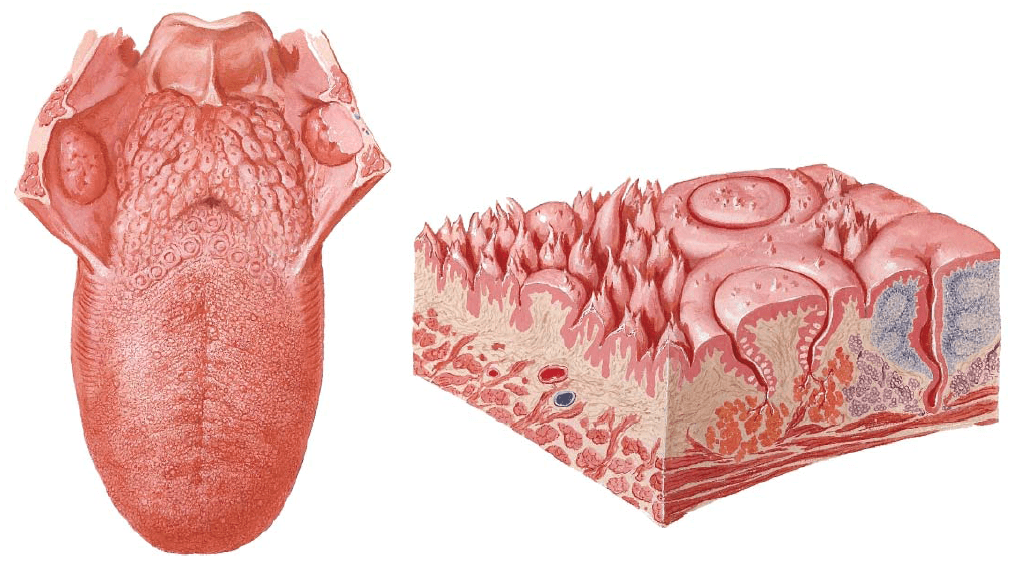
Small projections located on the tongue’s surface where taste buds are located are known as:
papillae
gustatory cells
olfactory epithelium
mucous producing glands
Which of these is a taste bud sensitive to meat flavoring?
sweet
salty
bitter
umami
Which of the following eye defects can be corrected by wearing suitable glasses?
(1) Astigmatism
(2) Short sight
(3) Long sight
(1) and (2) only
(1) and (3) only
(2) and (3) only
(1), (2) and (3)

What part of the ear is responsible for balance
Semicircular Canals
Vestibule
Cochlea
Auditory Nerve

Identify the stimulus..."A person shivers because it is cold outside"
Cold temperature
A person shivers
The sensitivity of skins towards stimuli depends on(tick 2)
Number of receptor
Surrounding temperature
Thickness of epidermis
Humidity of air

Which is NOT a function of the nervous system?
gathering information
responding to a stimulus
maintaining homeostasis
secreting hormones

What is a reflex?
an automatic movement in response to a stimulus
the gap between neurons where chemical reactions occur
the part of the brain responsible for involuntary movements
a muscle memory

Even though Khing loves to sleep, her heart still beats and lungs still breathe. What type of action is this?
Voluntary action
Involuntary action
Human nervous system send _________________ in the form of __________________.
responses, impulses
information, impulses
stimuli, impulses
fear, impulses
Which of the following body part is most sensitive to touch?
arm
sole
elbow
fingertips
Azhar has a cold and unable to taste the food properly. What sense is involved in detecting the taste of food?
sense of taste and sense of touch
sense of taste and sense of smell
sense of touch and sense of sight
sense of sight and sense of smell
X is an eye defect. X occurs due to too thick eye lens. What is X?
Glaucoma
astigmatism
long-sightedness
short-sightedness
which of the ear part function to detect and convert sound vibration to nerve impulses?
eardrum
ossicles
cochlea
ear canal
which of the following is the causes of long-sightedness?
eye ball too long
eyeball too short
eye lens too thick
image formed in front of retina

Name the organ
Tongue
Eyes
Skin
Nose

Which line is longer
A
B
Same length
Choose the correct equipment to overcome the limitation of hearing


Choose the correct equipment to overcome the limitation of sight


Stethoscope helps us to
amplifies sound so that it can be heard from far away
listen to the heartbeat
see far away objects

