
 Worksheets
UNIT 1 - We look after living things
Total questions: 70
Worksheet time: 2hrs 20mins
Nutrition, interaction and reproduction are the three...
life processes
human processes
living things
plant functions
animal functions
The three life processes are...
Nutrition
Movement
Interaction
Reproduction
Digestion
The process through which living things get energy from food is called...
Interaction
Respiration
Nutrition
Reproduction
Digestion

The process through which living things detect and respond to changes in the environment is called...
Interaction
Respiration
Nutrition
Reproduction
Digestion

The process through which living things make more living things of the same type (offspring) is called...
Interaction
Respiration
Nutrition
Reproduction
Digestion
Herbivores are the animals that...
eat other animals
eat both animals and plants
eat plants
don't eat any food
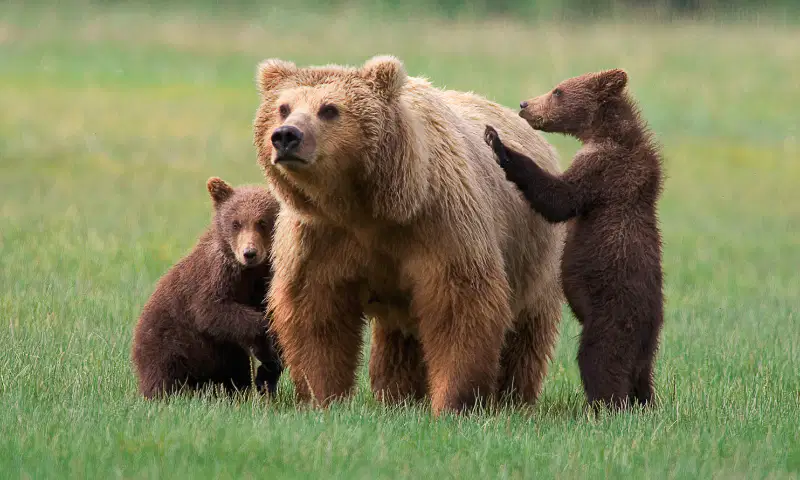
Animals that eat both plants and other animals are...
Omnivores
Herbivores
Carnivores
Viviparous
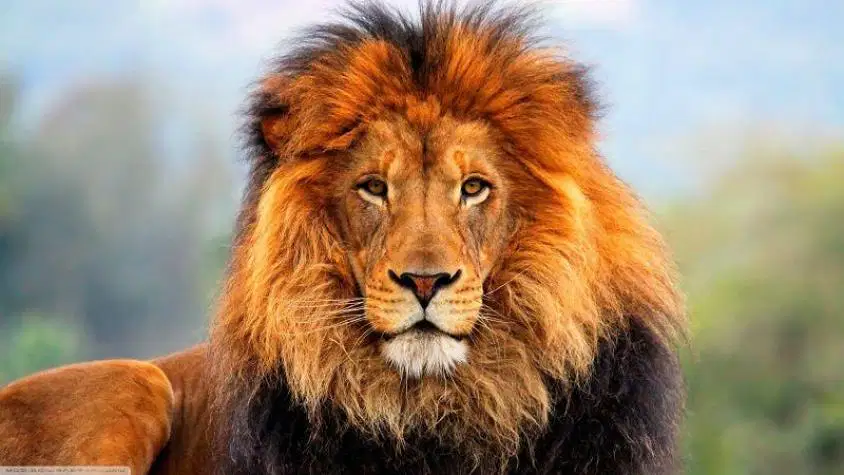
Animals that eat other animals are called...
Oviparous
Herbivores
Carnivores
Omnivores
Vertebrates
Plants make their own food from water, mineral salts, carbon dioxide and sunlight.


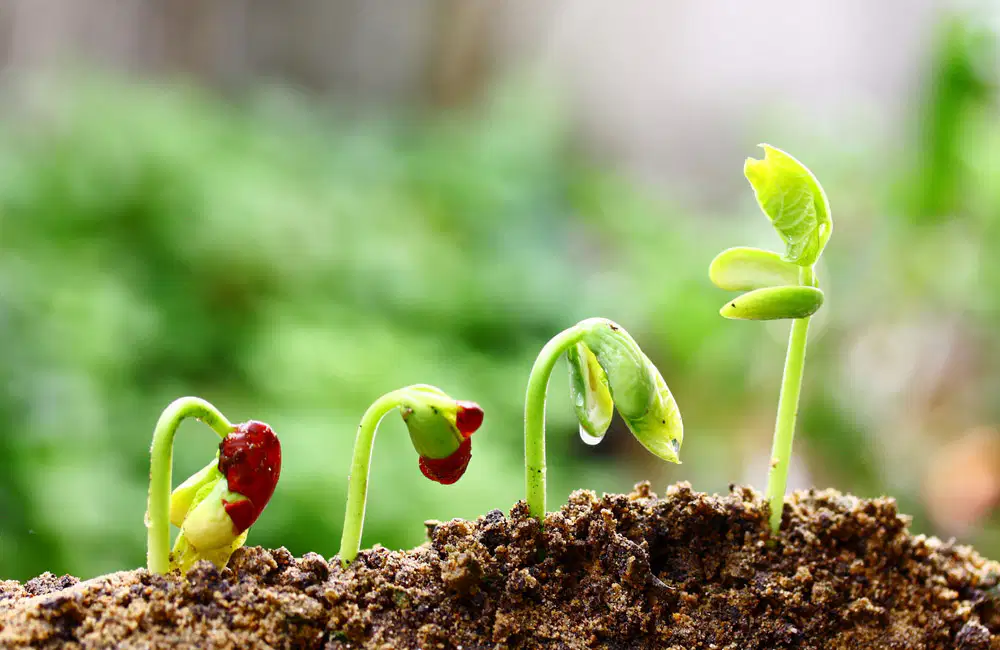
The process through which plants make their own food is called...
Carbon dioxide
Photosynthesis
Environment
Chloroplasts
Sensitivity
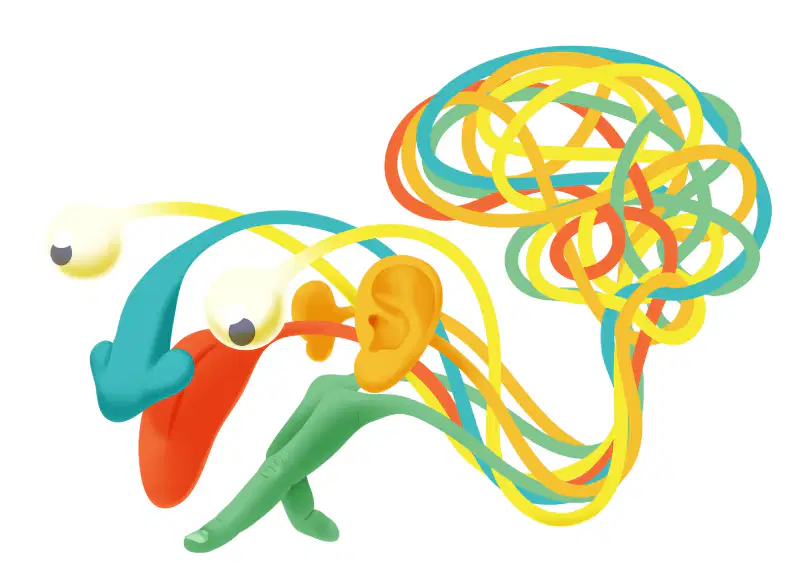
Animals detect information from their
environment through their...
reproductive system
cells
sense organs
heart
skeletal system
How many sense organs do we have?
2
3
4
5
6
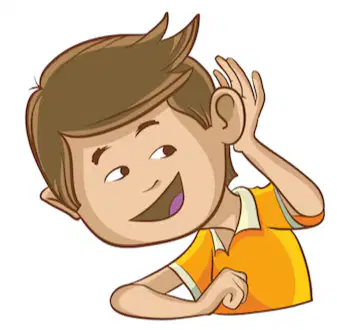
Select the sense organ: hearing
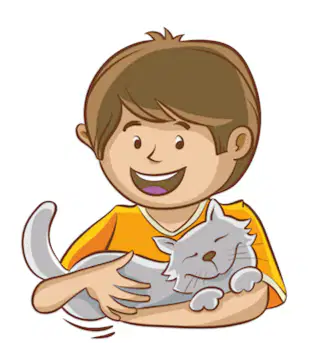
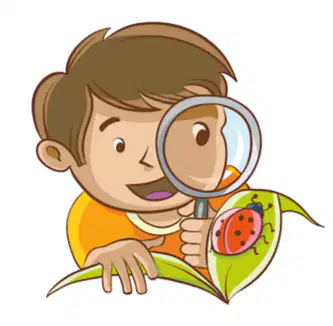
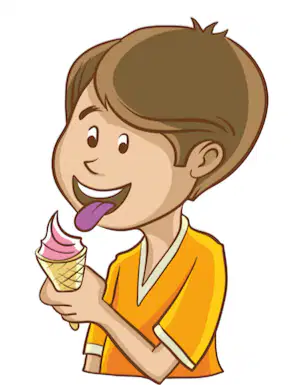
Select the sense organ: sight
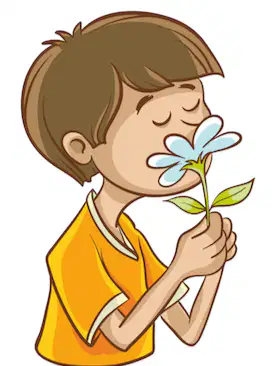
Select the sense organ: smell
Select the sense organ: touch
Select the sense organ: taste
Plants don't lose their leaves in autumn because they can't detect and respond to changes.
That's true. Plants don't detect nor respond to changes.
That's false. Plants detect and respond to changes too.
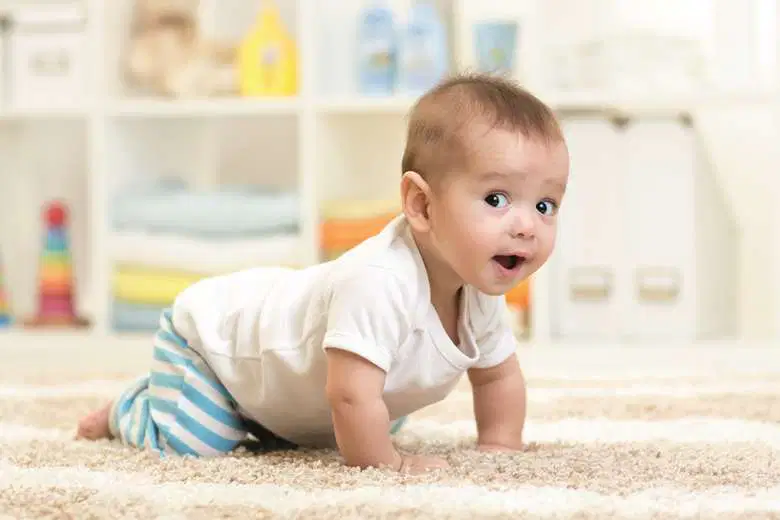
This type of reproduction involves two parents.
Sexual reproduction
Asexual reproduction
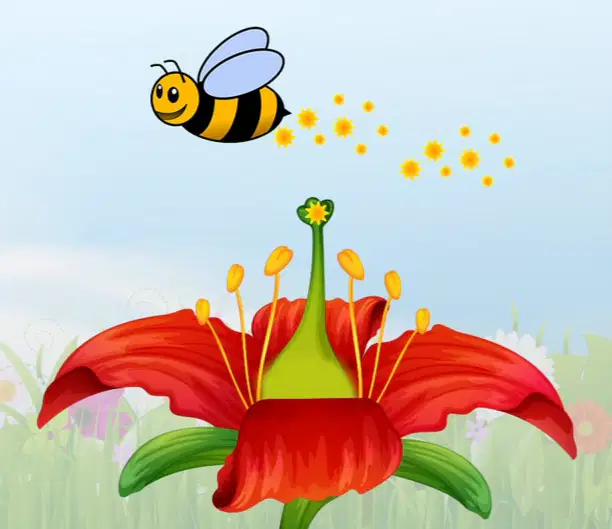
This type of reproduction involves only one parent.
It is more common in plants.
Sexual reproduction
Asexual reproduction
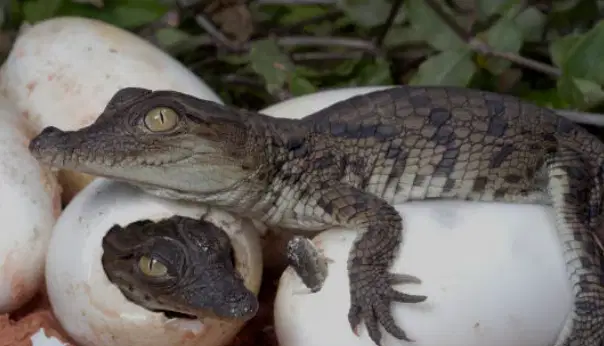
These animals lay eggs
Oviparous
Viviparous
Vertebrates
Herbivores
Protoctists
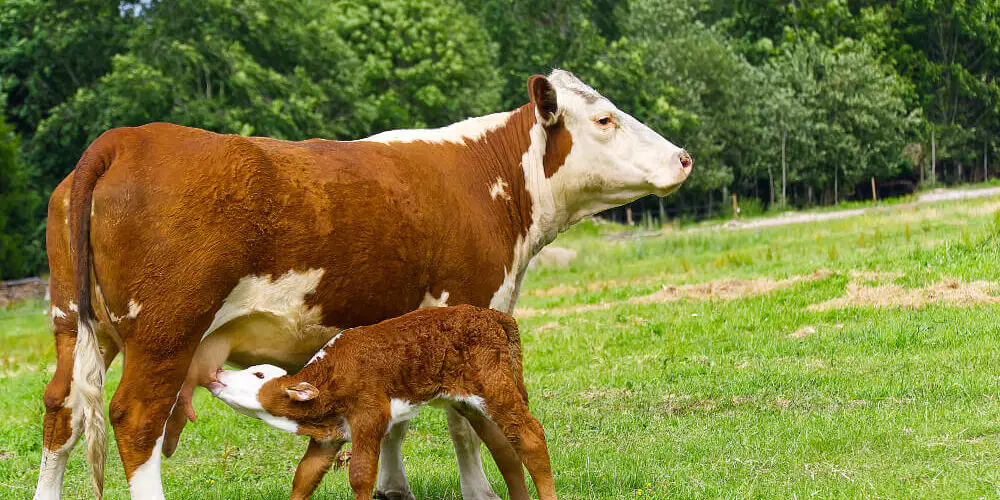
These animals give birth
Oviparous
Viviparous
Vertebrates
Herbivores
Protoctists
All living things are made up of cells.


Cells are the basic units of life.
They are so tiny that we can only see them through a microscope.
They are big so we can see them around us without a microscope.
Multicellular living things are made up of...
just one cell
more than one cell
no cells
Select the living thing that is unicellular
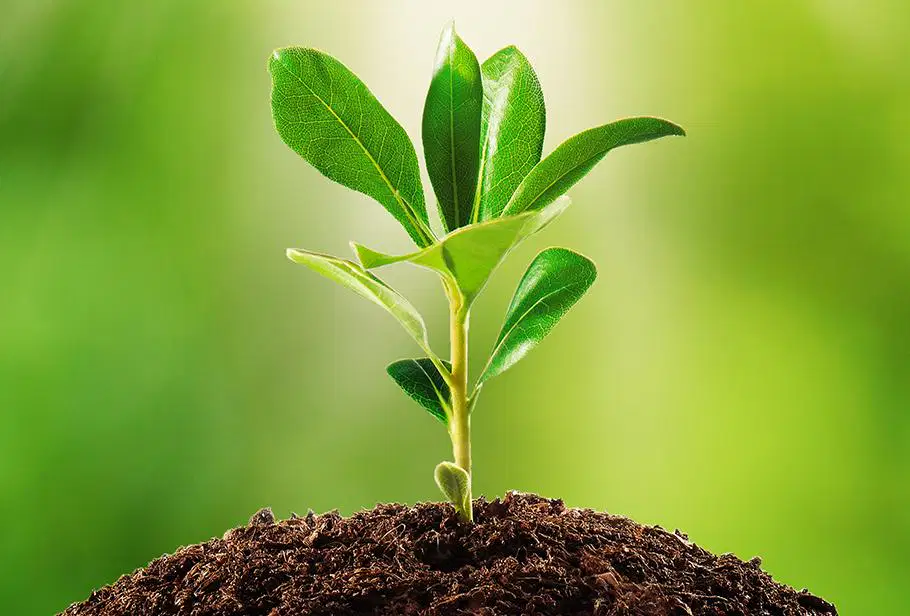

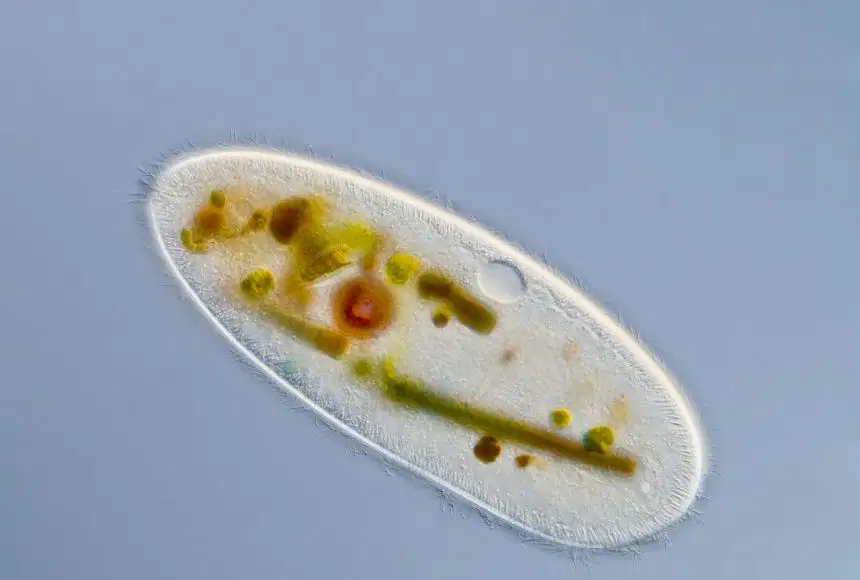


All cells carry out the three life processes: nutrition, interaction and reproduction
Yes. That's true!
No. That's false!
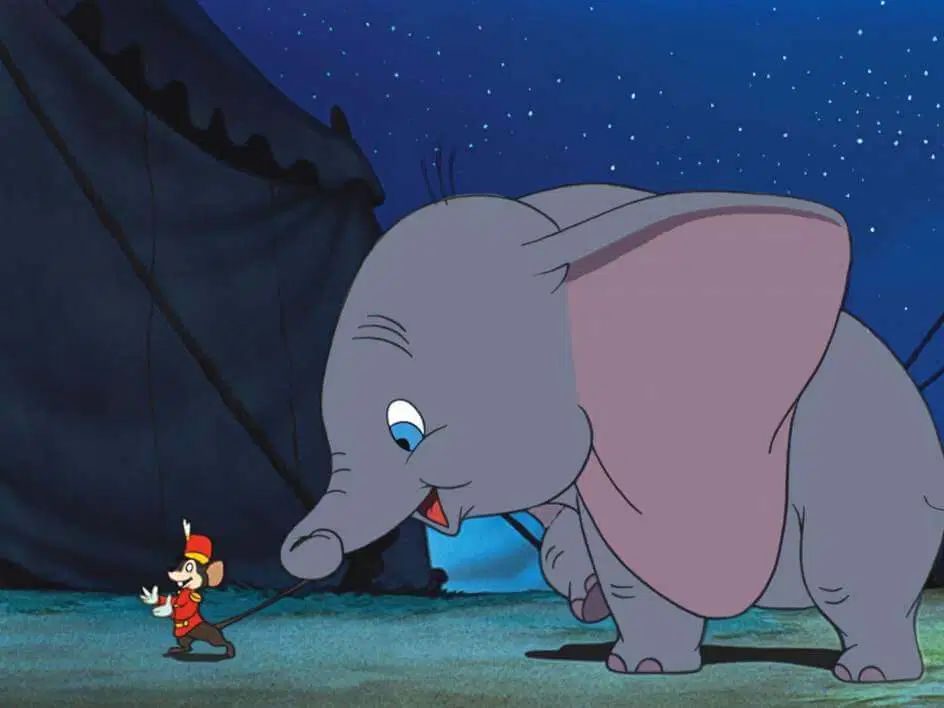
An elephant is much bigger than a mouse. Why do you think this is?
It is because
the elephant has more cells than the
mouse
it is because the elephant's
cells are bigger
than the
mouse's
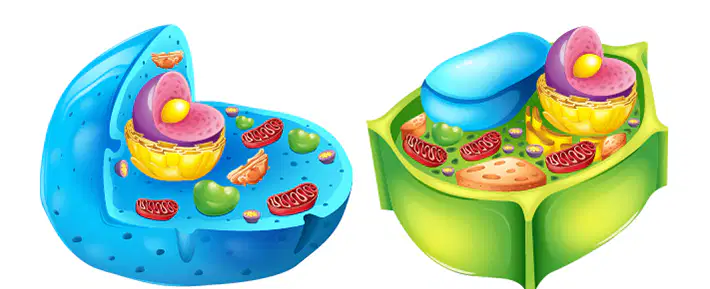
Animal cells and plant cells DON'T HAVE this part in common:
Nucleus
Cytoplasm
Cell membrane
Organelles
Cell wall
This part controls everything that happens in the cell
Nucleus
Cytoplasm
Cell membrane
Organelles
Cell wall
These are situated in the cytoplasm and carry out a variety of different functions.
Nucleus
Cytoplasm
Cell membrane
Organelles
Cell wall
This is is a thin and permeable layer that separates the inside of the cell from the outside.
Nucleus
Cytoplasm
Cell membrane
Organelles
Cell wall
This is a liquid that makes up most of the cell and it is mainly water.
Nucleus
Cytoplasm
Cell membrane
Organelles
Cell wall
This is situated around the cell membrane to strengthen
the shape and structure of the plant.
Nucleus
Cytoplasm
Cell membrane
Organelles
Cell wall
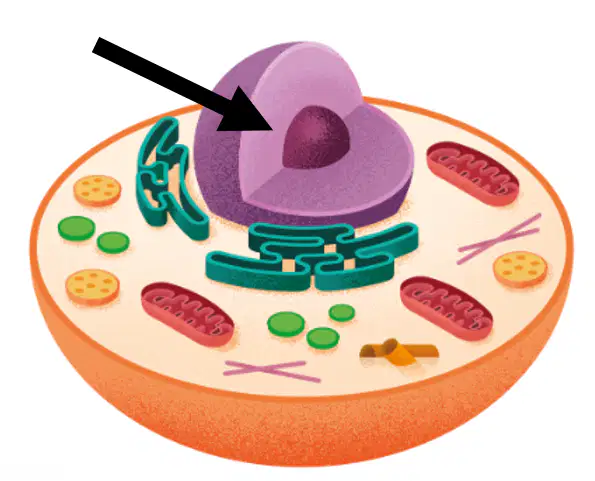
This is the...
Nucleus
Cytoplasm
Cell membrane
Organelles
Cell wall
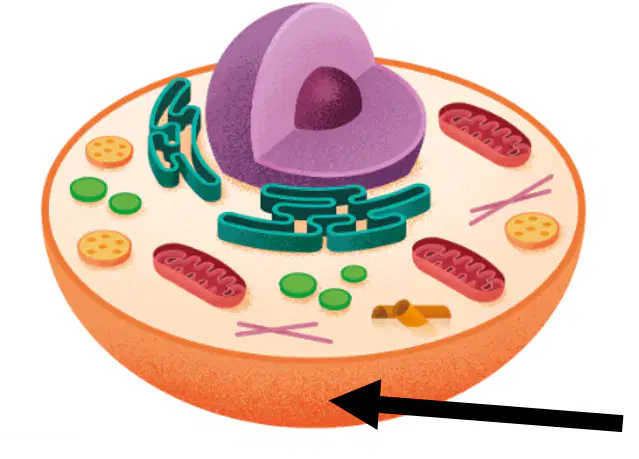
This is the...
Nucleus
Cytoplasm
Cell membrane
Organelles
Cell wall
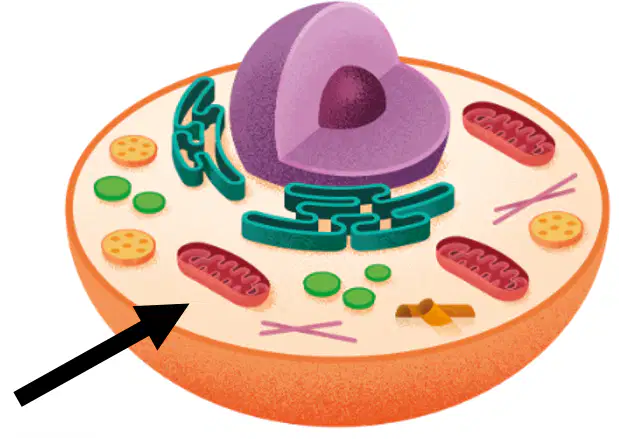
This is the...
Nucleus
Cytoplasm
Cell membrane
Organelles
Cell wall
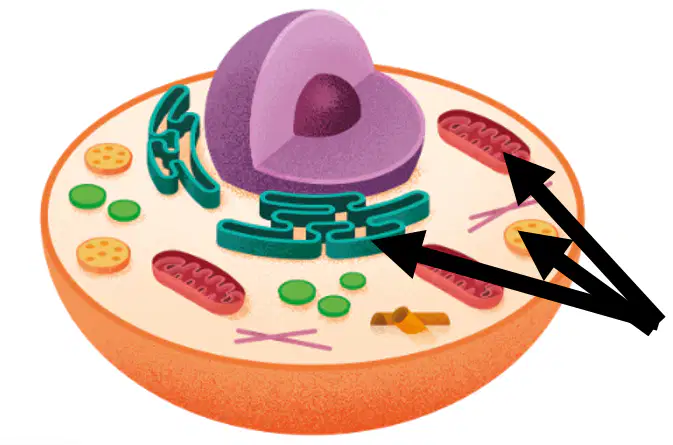
This are the...
Nucleus
Cytoplasm
Cell membrane
Organelles
Cell wall
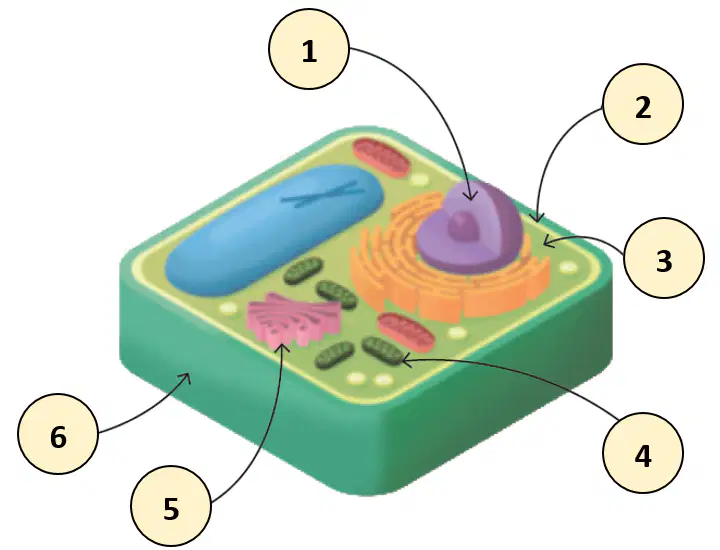
The nucleus corresponds to number...
1
2
4
5
6
The cell wall corresponds to number...
1
2
3
5
6
The cell membrane corresponds to number...
1
2
3
5
6
The organelle corresponds to number...
1
2
3
5
6
The cytoplasm corresponds to number...
1
2
3
4
4
The chloroplast corresponds to number...
1
2
3
4
8

Plant cells also have special organelles.
They contain a green substance called chlorophyll to carry out
photosynthesis.
They are called...
chloroplasts
membranes
intestines
brain
cytoplasm
Select the animal cell
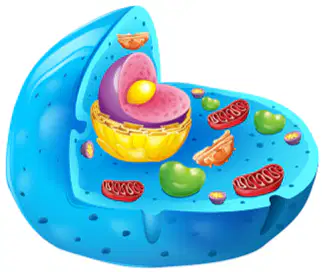
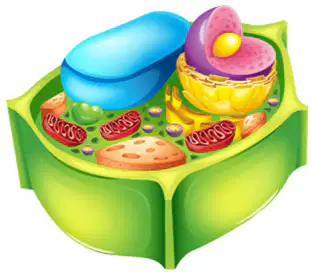
Select the plant cell
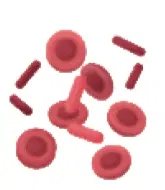
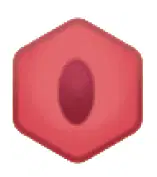
They are flat discs.
Blood cells
Bone cells
Brain cells
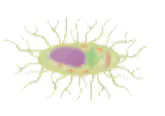
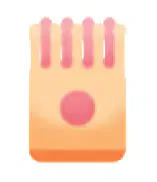
Intestinal cells
Livel cells
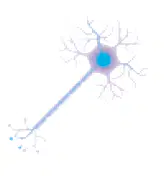
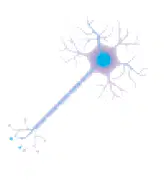
They are large and have many spider-like arms.
Blood cells
Bone cells
Brain cells
Intestinal cells
Livel cells
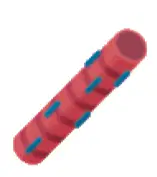
They are are very long.
Blood cells
Muscle cells
Brain cells
Intestinal cells
Livel cells
Select the liver cell.
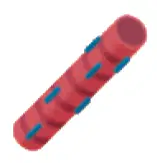
Select the intestinal cell.
Select the bone cell.

Plant cells are usually _________ than animal cells and they have
a regular shape.
smaller
bigger
Select the first (and most simple) level of organisation
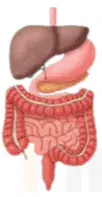
System
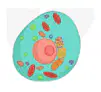
Cell
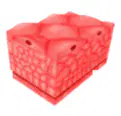
Tissue
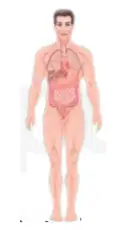
Organism
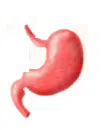
Organ
Select the last (and most complex) level of organisation
System
Cell
Tissue
Organism
Organ
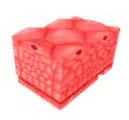
It is a group of similar cells with the same function.
Cell
Tissue
System
Organ
Organism
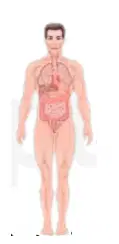
It is the complete living thing, made up of all the systems.
Cell
Tissue
System
Organ
Organism

How many kingdoms are there to classify living things?
1
2
3
4
5
Living things kingdoms:
Select the animals
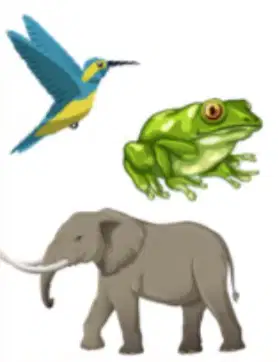
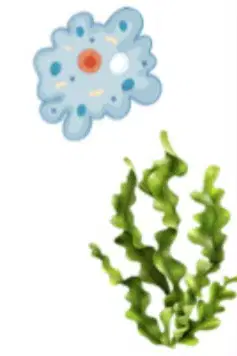
Living things kingdoms:
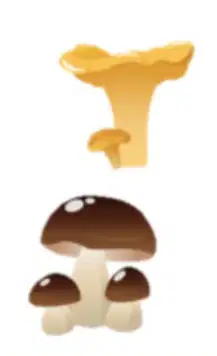
Select the fungi
Living things kingdoms:
Select the protoctists
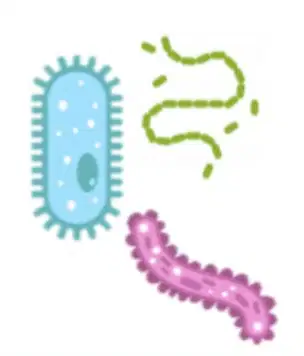
Living things kingdoms:
Select the bacteria
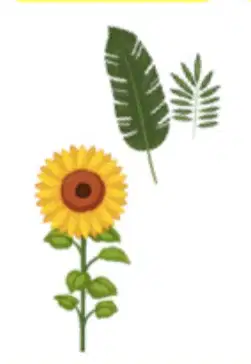
Living things kingdoms:
Select the plants
They are multicellular.
They take in food.
Most of them can move about.
They can be vertebrate or invertebrate.
Plants
Fungi
Bacteria
Animals
Protoctists
They are multicellular.
They make their own food.
They cannot move about.
They can be seed or seedless.
Plants
Fungi
Bacteria
Animals
Protoctists
They can be unicellular or multicellular.
They take in food.
They cannot move about.
They can be yeast, mould and mushrooms.
Plants
Fungi
Bacteria
Animals
Protoctists
They are classify into protozoa and algae.
They are aquatic.
Plants
Fungi
Bacteria
Animals
Protoctists
They are unicellular.
They are the smallest and simplest of all living things.
Most of them take in food.
Plants
Fungi
Bacteria
Animals
Protoctists

The process through which plants make their own food is called...
photosynthesis
disgestion
chlorophyll
bacteria

