
 Worksheets
Unit 3 Exam Review
Total questions: 39
Worksheet time: 3hrs 54mins

Matter is anything that has ____ and takes up _____.
volume; mass
energy; mass
mass; space
energy; volume
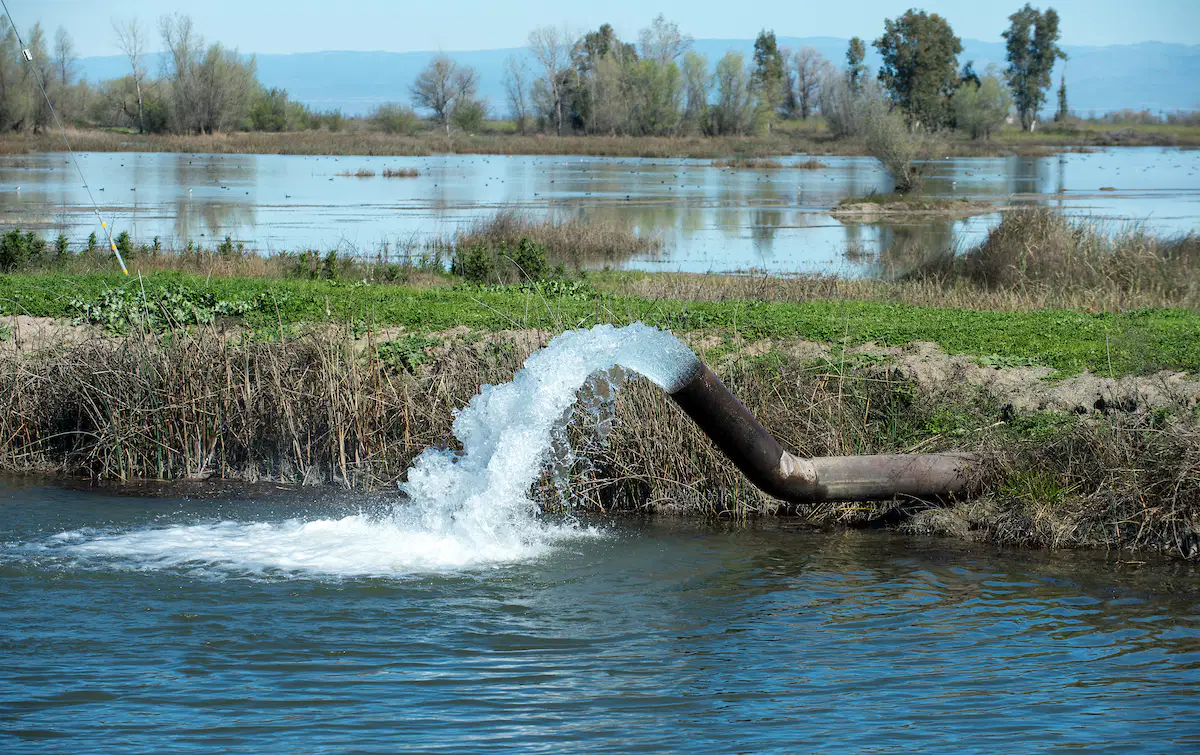
Precipitation that seeps into the soil and collects in an aquifer is called ________.
Groundwater
Surface runoff
transpiration
aquifers

Porous, water-saturated layers of sand, gravel, and water-bearing rock are called ________.
Groundwater
Surface runoff
transpiration
aquifers

Precipitation that falls on land and flows over land surfaces into streams, rivers, lakes, wetlands, and the ocean is called ________.
Groundwater
Surface runoff
transpiration
aquifers
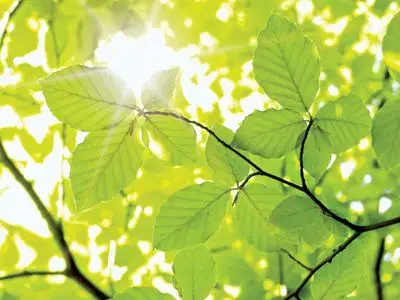
Plants pull water from the ______ which is evaporated from its leaves. This process is called ________.
Groundwater ; Photosynthesis
Surface runoff ; respiration
soil ; transpiration
aquifers ; respiration
Carbon is the backbone of life on Earth.
True
False

The main cause of the increase in the amount of CO2 (carbon dioxide) in Earth's atmosphere since the beginning of the Industrial Revolution is ______.
an increase in the amount of plants
increased worldwide disease
the burning of larger amounts of wood and fossil fuels
animal respiration
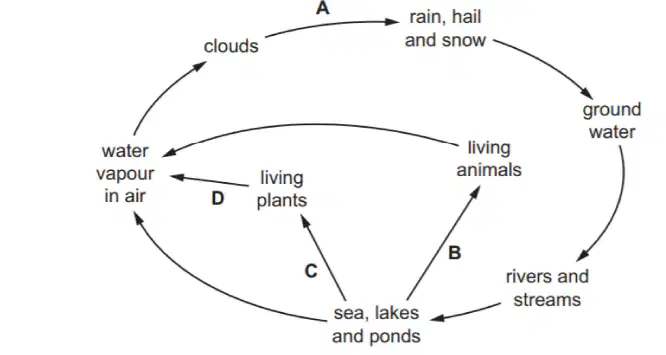
The diagram shows the water cycle. Which letter represents evaporation?
A
B
C
D
The diagram shows the water cycle. Which letter represents precipitation?
A
B
C
D
Carbon mainly cycles between the biotic (living) and abiotic (non-living) worlds through the processes of _________.
cellular respiration & transpiration
transpiration & photosynthesis
evaporation & photosynthesis
cellular respiration & photosynthesis
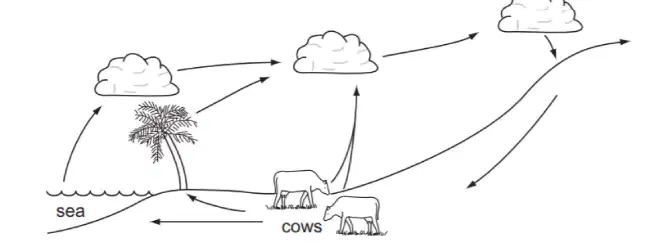
The diagrams shows part of the water cycle. What must occur for water in the sea to reach the cows?
condensation only
first condensation, then evaporation
first evaporation, then condensation, then precipitation
evaporation only

An _____ is the smallest building block of matter that an element can have that will still retain its chemical properties.
element
compound
atom
physical substance
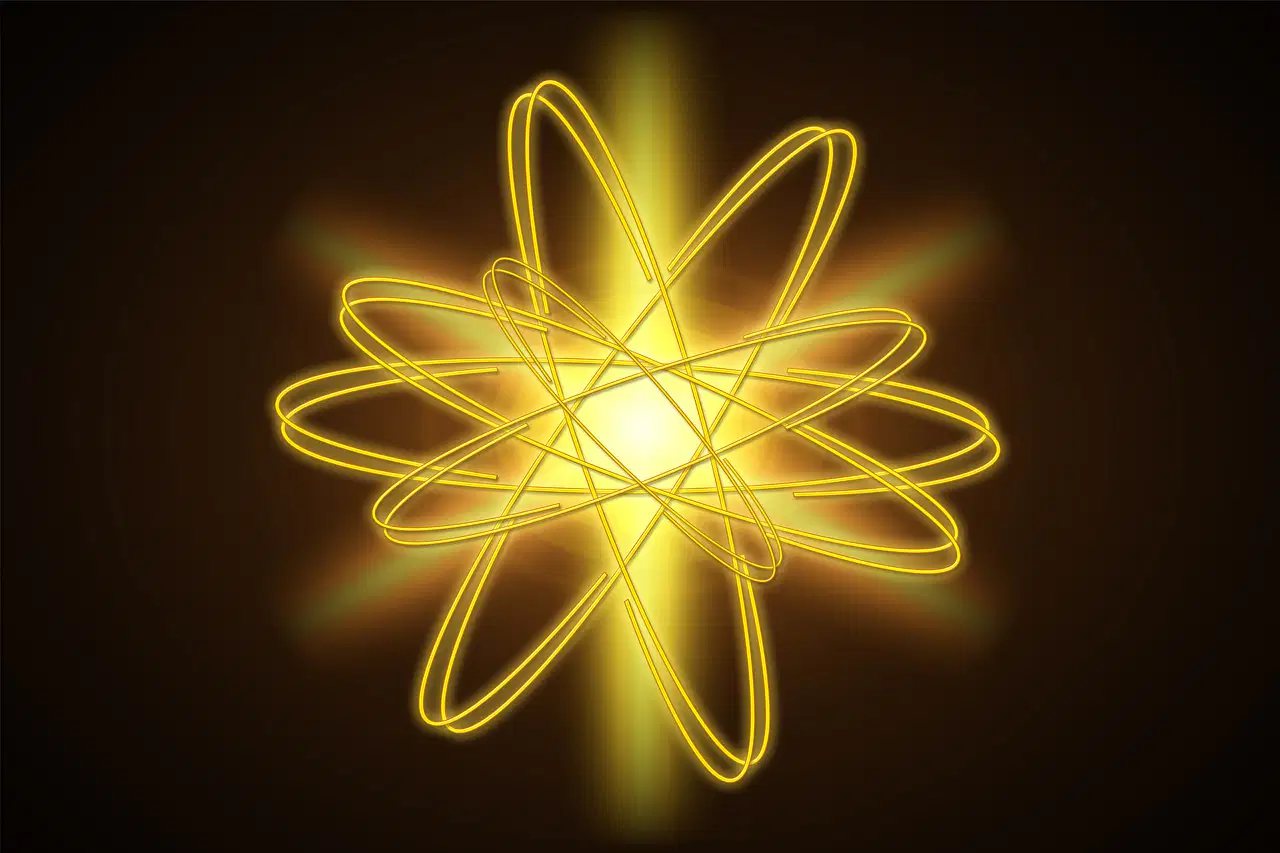
What type of charge does an electron have?
positive
negative
neutral
pizza
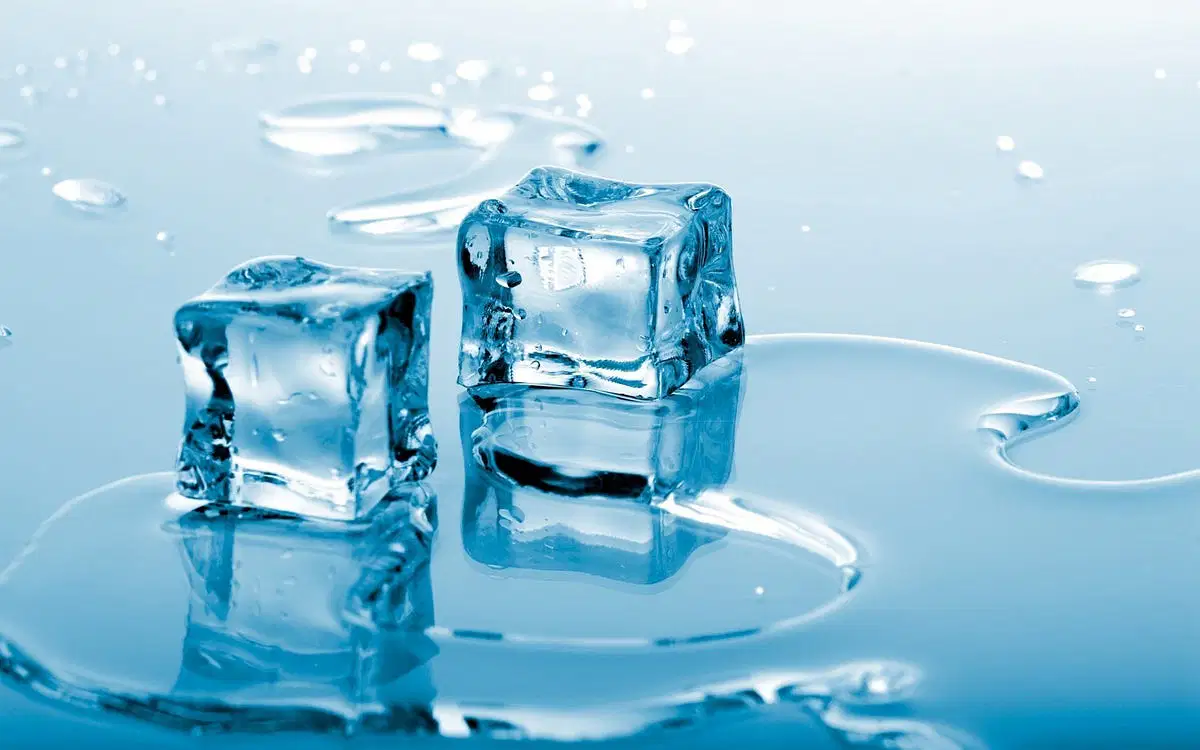
_________, such as changes in size or state (ice to water), do not involve changes in chemical composition.
Chemical changes
Physical changes
Neutral changes
Pizza
______ (reactions) involve changes in chemical composition of the substances involved.
Physical
Chemical
Neutral
Pizza
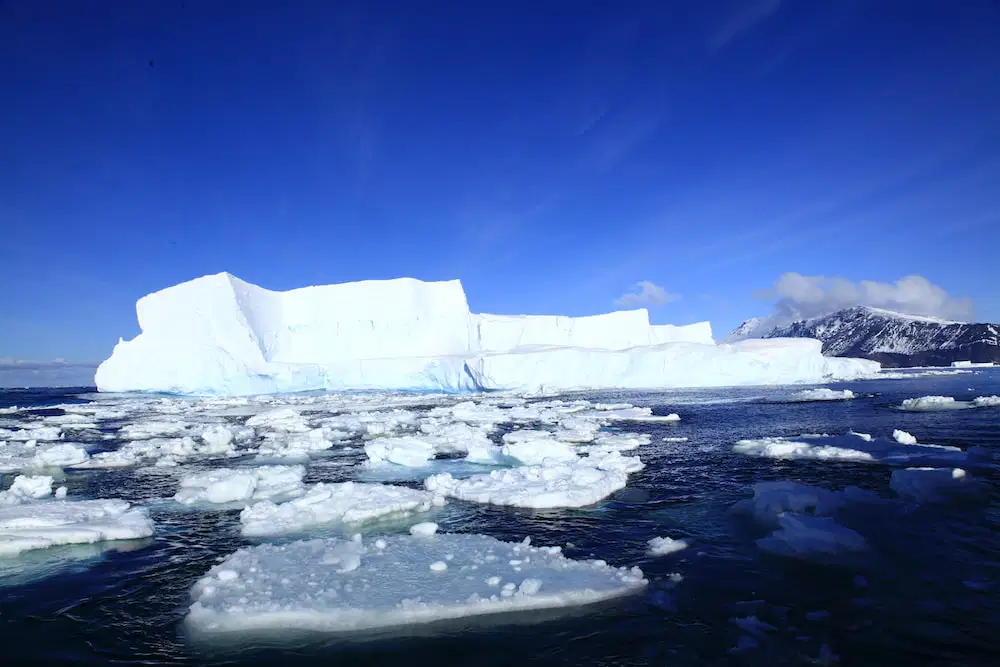
What is a liquid changing to a solid?
freezing
melting
boiling
condensing

_______ properties can be observed or measured without changing the identity of the matter.
Physical
Chemical
Neutral
Pizza
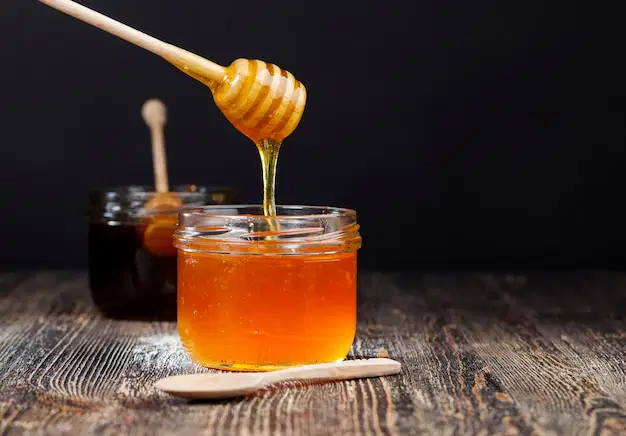
Resistance to flow is called _______.
malleability
solubility
viscocity
texture

What is the atomic number of this element?
35.4527
35
Cl
17
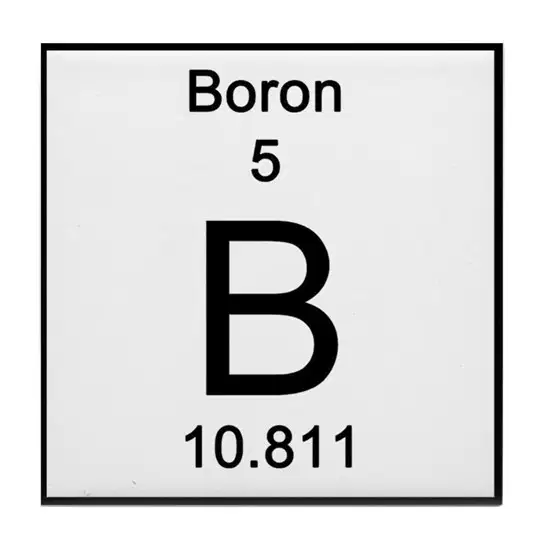
How many protons does this element have?
11
10
5
B

The pH of an acidic substance is ______.
0 - 6
8 - 14
0 - 14
7

The pH of a basic substance is ______.
0 - 6
8 - 14
0 - 14
7
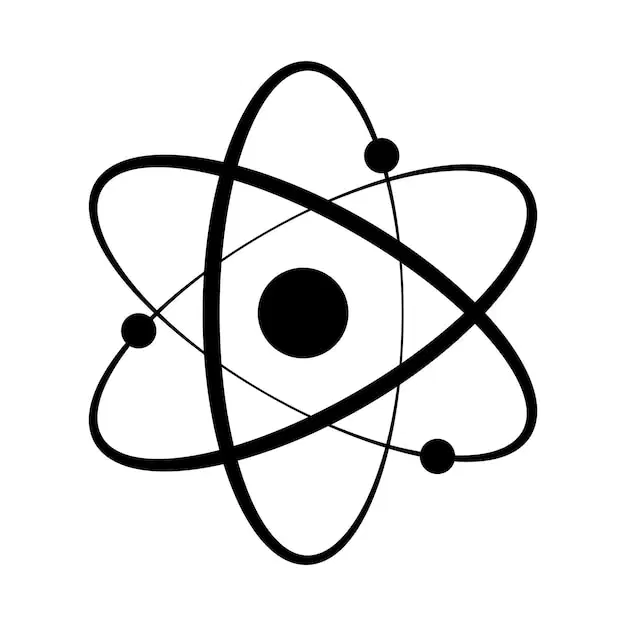
What 2 particles make up the total mass of an atom?
proton and neutron
proton and electron
electron and neutron
stegosaurus and tyrannosaurus
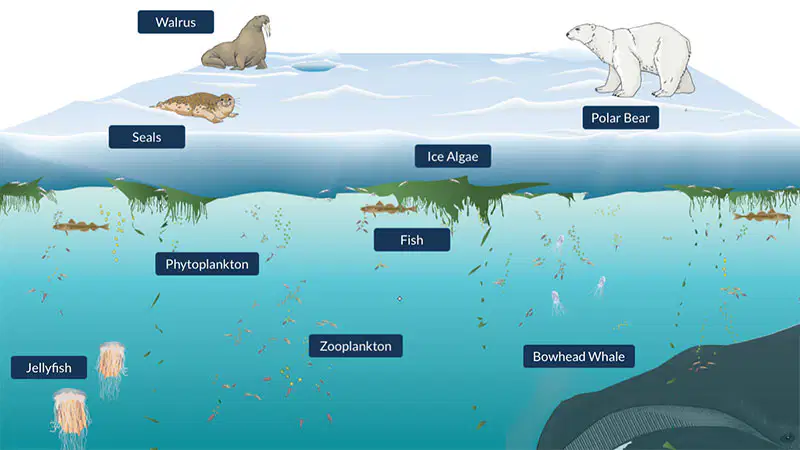
It takes lots of energy to change the temperature of large bodies of water, such as lakes and oceans. What is the reason for this?
Water is an acid
Water is a versatile solvent
Water acts as a buffer.
Water has a high specific heat
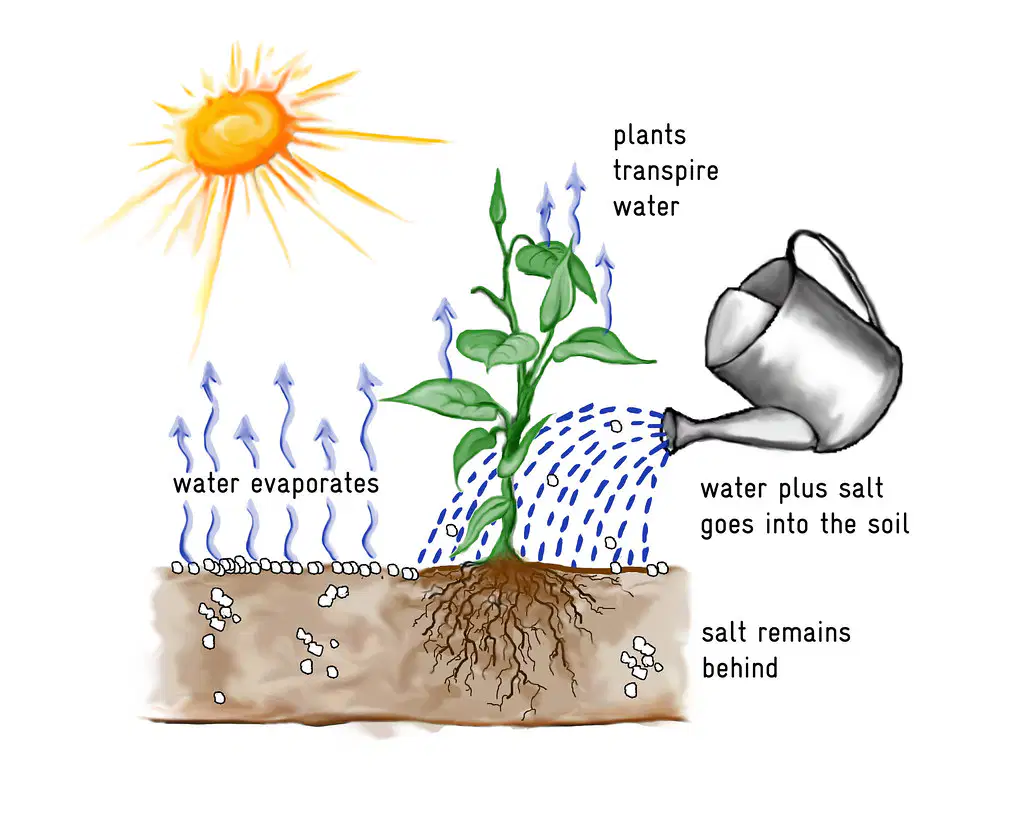
In a process called transpiration, plants get rid of excess water through pores in the leaves called stomata. This excess water is then released into the atmosphere as part of the water cycle. Which of the following terms best describes how the released water enters the atmosphere?
photosynthesis and respiration
evaporation and condensation
precipitation and condensation
photosynthesis and precipitation
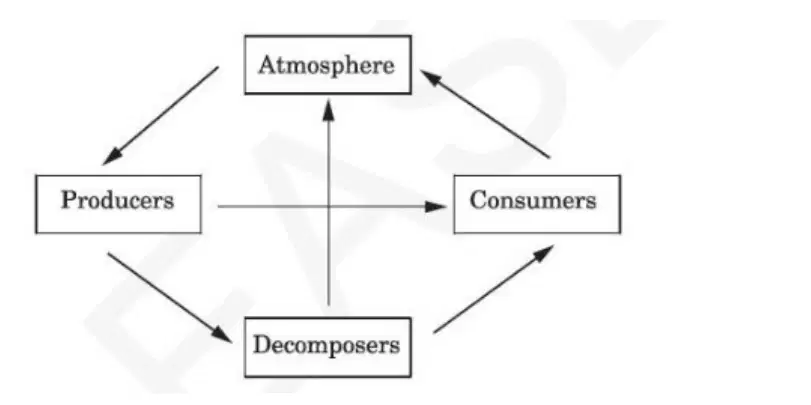
The diagram shows the flow of carbon in a terrestrial ecosystem. Which will most likely happen if the producers are removed from the carbon cycle?
The amount of carbon dioxide in the atmosphere will increase.
The amount of carbon dioxide in the atmosphere will decrease.
The amount of carbon dioxide used by producers will increase.
The amount of carbon dioxide needed by consumers will decrease.
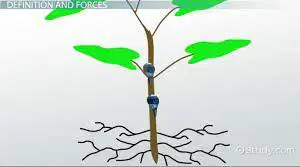
Which properties of water allow movement of water against the force of gravity from the roots of plants to the leaves of the plant?
high specific heat through cohesion
adhesion through capillary action
cohesion through surface tension
polarity through high specific heat
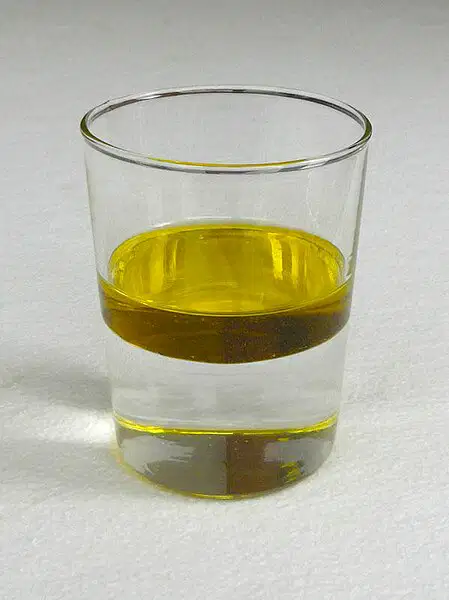
What happens to hydrophobic molecules when mixed with water ?
they are repelled by water
they are attracted by water
they are dissolved in water
they are polarized by water
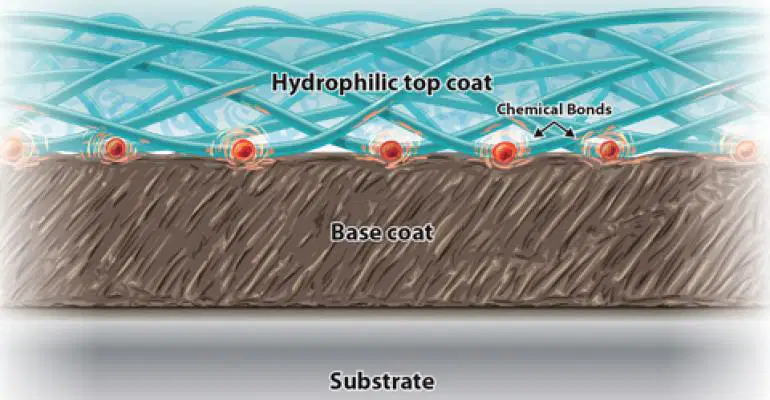
What happens to hydrophilic molecules when mixed with water ?
they are repelled by water
they are attracted by water
they are dissolved in water
they are polarized by water

This property of water allows attraction between particles of the same substance (why water is attracted to itself), which results in surface tension (the "skin" on the water’s surface), that allows certain insects to walk on the surface of water.
cohesion
adhesion
High Specific Heat
Universal Solvent
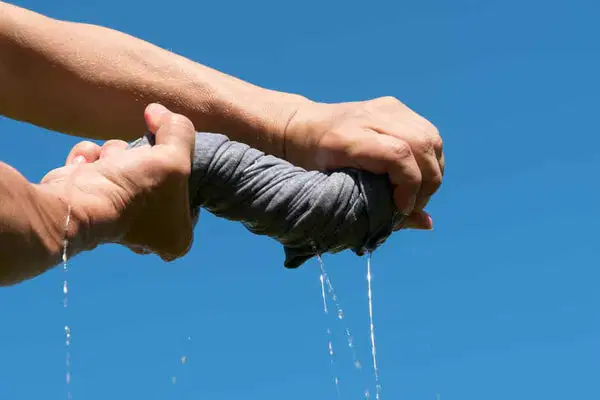
This property of water is the reason clothing gets wet (or why water sticks to surfaces).
cohesion
adhesion
High Specific Heat
Universal Solvent

Carbon mainly cycles between the biotic (living) and abiotic (non-living) worlds through the processes of ______.
cellular respiration & transpiration
transpiration & photosynthesis
evaporation & photosynthesis
cellular respiration & photosynthesis

What is the process of a gas changing to a liquid?
freezing
melting
boiling
condensation

Which of the following is a property of water that allows it to dissolve many substances?
High specific heat
Adhesion
Polarity
Cohesion
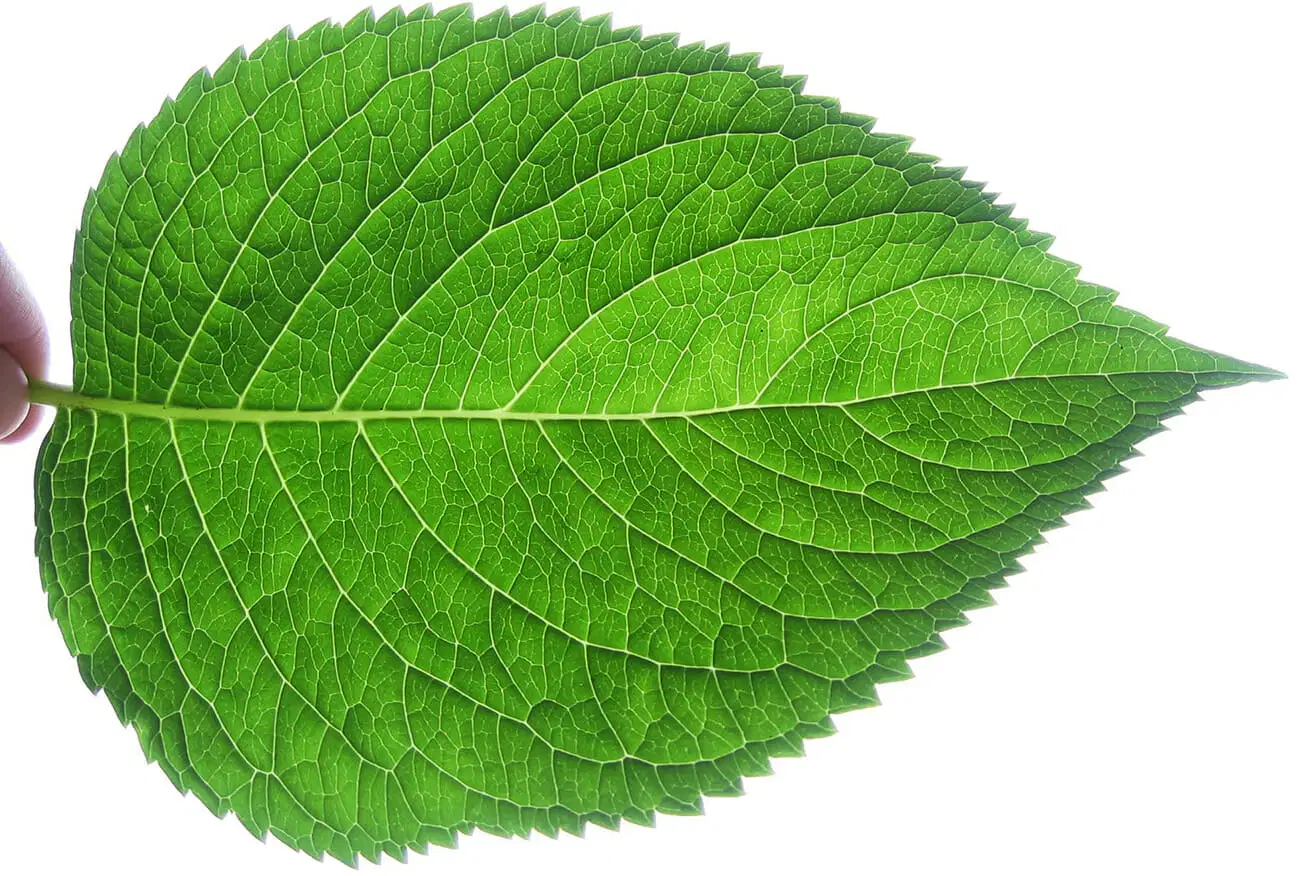
What is the process by which plants convert sunlight, carbon dioxide, and water into glucose and oxygen?
Cellular respiration
Transpiration
Photosynthesis
Evaporation

Blue color: Chemical or Physical Property
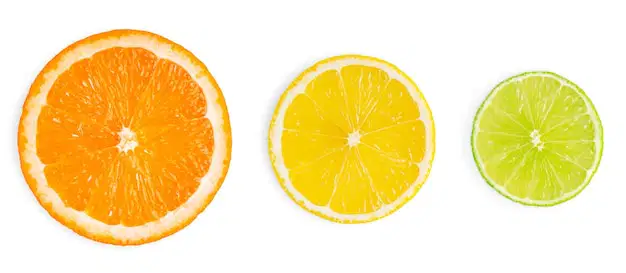
Sour taste: Chemical or Physical Property
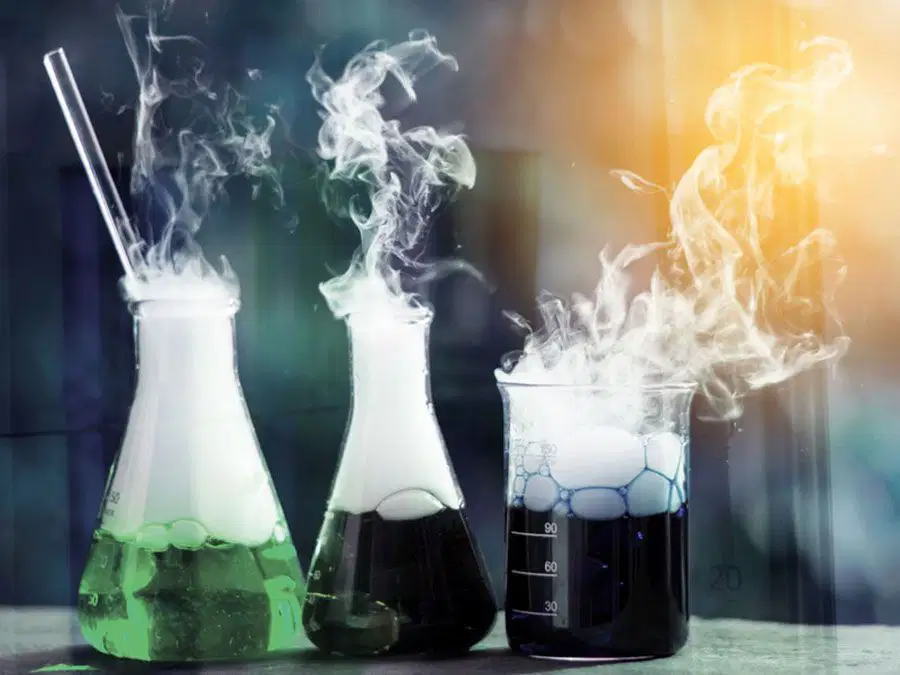
Which one of these is a chemical property?
Melting point
Boiling point
Color
Toxicity
Properties that can be observed without changing the identity of the substance
Properties that describe how a substance changes into a completely different substance

