
 Worksheets
OPTIONAL- First Quarterly Review
Total questions: 47
Worksheet time: 24mins
What was the primary purpose of Reconstruction?
Free the slaves
Rebuild the south
Win independence from Britain
Restore slavery in the south
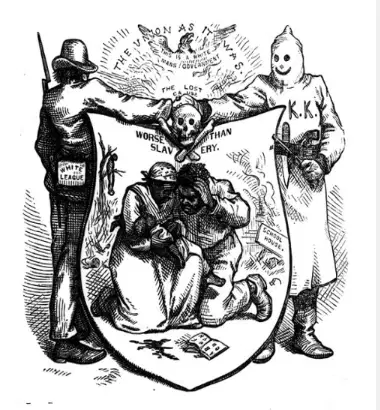
How did some bitter Southerners respond to Radical Reconstruction?
They set up the Freedmen’s Bureau
They established the Civil Rights Act of 1866
They formed hate groups such as the Ku Klux Klan
They impeached Johnson because it was his idea

What did the 15th Amendment protect?
Freedom of speech
The Freedom to choose one’s religion
The ability to vote regardless of race
The right to alter or abolish a government that doesn’t protect the people

All of the following were loopholes to the 15th Amendment EXCEPT
Literacy tests
Poll taxes
Voters required to pay a fee in order to vote
The Freedmen’s Bureau
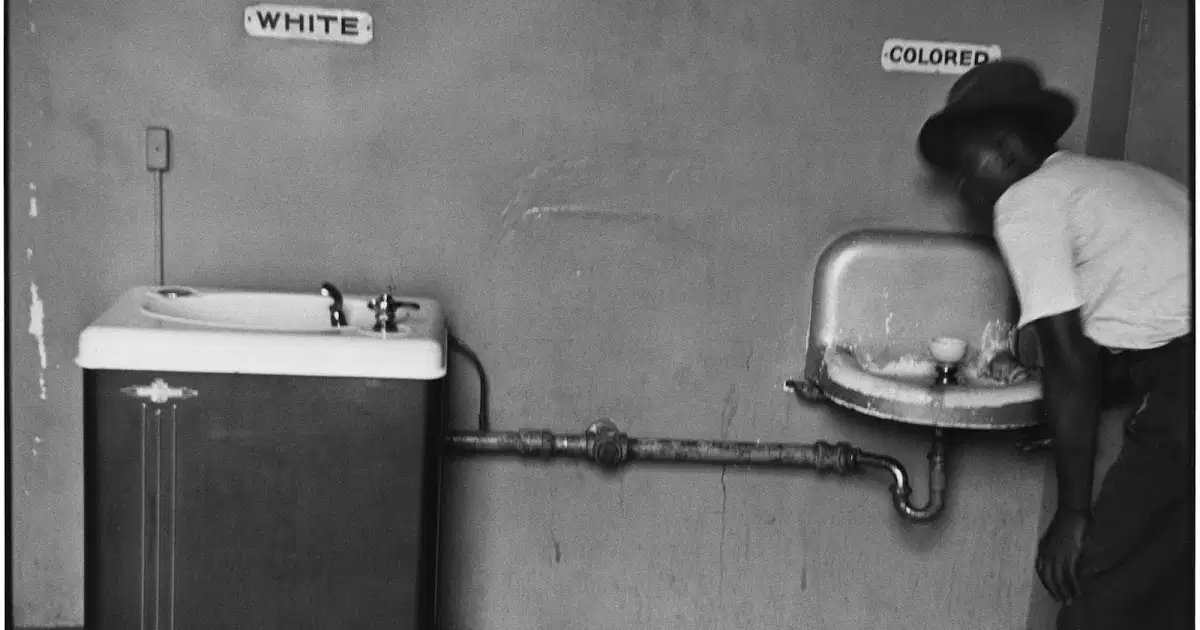
Which problem escalated in the south after Reconstruction?
Segregation
Poverty
Alcohol abuse
Slavery
The court case Plessy vs. Ferguson did which of the following?
declared segregation unconstitutional
ended discrimination in public places
stated that the Jim Crow Laws violated the 14th Amendment
established the “separate but equal” doctrine
Which of the following can be associated with industrialization?
An increase in factories
Urbanization
New inventions
All of the above
Which of the following best defines capitalism?
The government controls the economy and business
The economy and business are run by the people
When the government is run by the people
The government makes decisions about production
New Immigrants were...
a source of cheap labor
those who started their own business
those who owned monopolies
robber barons
Monopolies in the late 19th Century reduced which of the following?
Corruption in the government
The number of strikes taking place
Industrial consolidations
Competition amongst businesses within an industry
Which of the following describes the change in the labor force during the late 1800’s?
The US economy went from being based on agricultural goods to manufactured products
More people worked in factories than on farms
Workers used machines instead of their hands to produce goods
All of the above
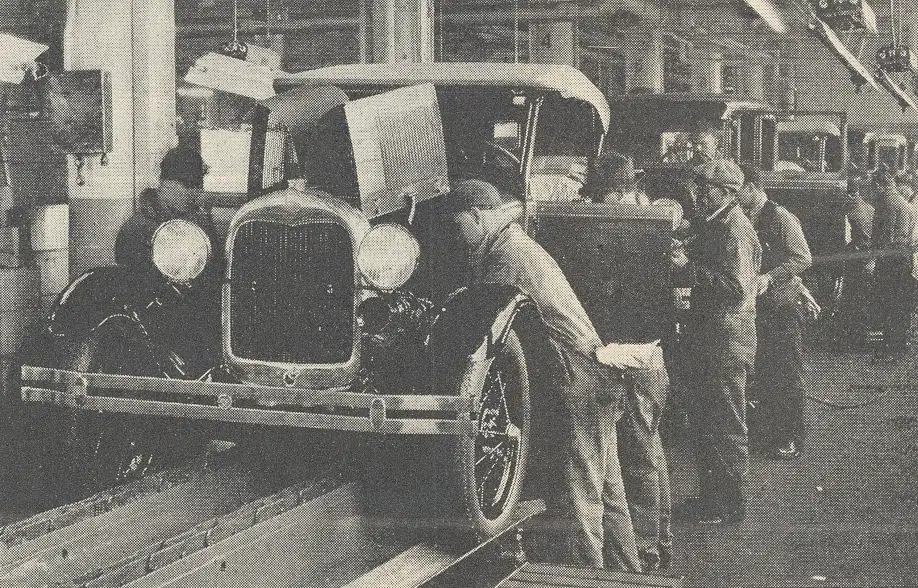
Which of the following caused the other three?
Car production increase because the time to make a car decreased
Cars were more affordable to most Americans
The degree of skill needed to produce a car decreased
Henry Ford invented the assembly line
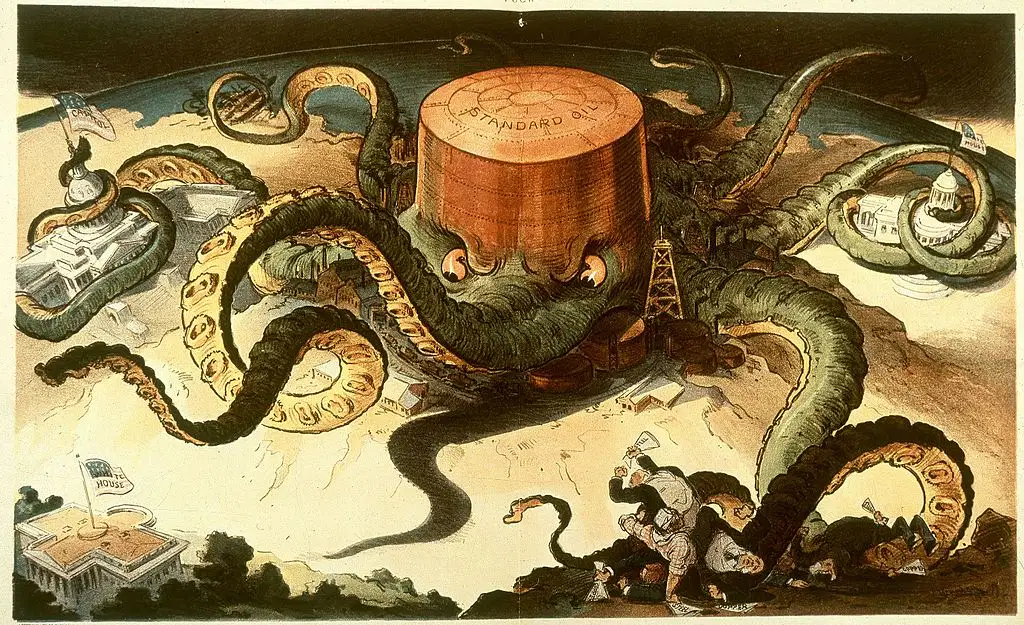
What is the main idea of this cartoon?
The Standard Oil Company was a harmful monopoly.
The best way to develop major industries was to form a proprietorship.
Government regulations were strangling the Standard Oil Company.
Foreign competition in the oil industry was hurting American companies.

Use the poem to answer the question below. The main message of this poem was to….
encourage a back-to-Africa movement
call for the imprisonment of illegal immigrants
welcome new immigrants to the United States
support the quota system placed on immigrants
Why did the US Government encourage immigration in the late 1800’s?
They needed slaves for the plantations
They wanted help running the government
They needed workers to work in the factories and to fill the western lands
They wanted people to invent new inventions

Which generalization about population growth is supported by information in this chart?
For every census listed, rural population exceeded urban population.
By 1920, more people lived in cities than in rural areas.
The Civil War significantly slowed the rate of population growth.
Most urban population growth was due to people migrating from rural areas.

What was the experience of most of the “new immigrants” who arrived in the United States from southern and eastern Europe in the late 1800s and early 1900s?
They lived in urban areas and most held low paying jobs.
They became rich businessmen and were able to retire at the age of 35.
They became discouraged with America and returned to their homelands.
They were easily assimilated into mainstream American culture.
Which headline is a result of the theory of laissez-faire?
“Fire Escapes Become Mandated!”
“141 People Die in Factory Fire!”
“Minimum Wage Established!”
“Donald Trump Wins the Presidency!”
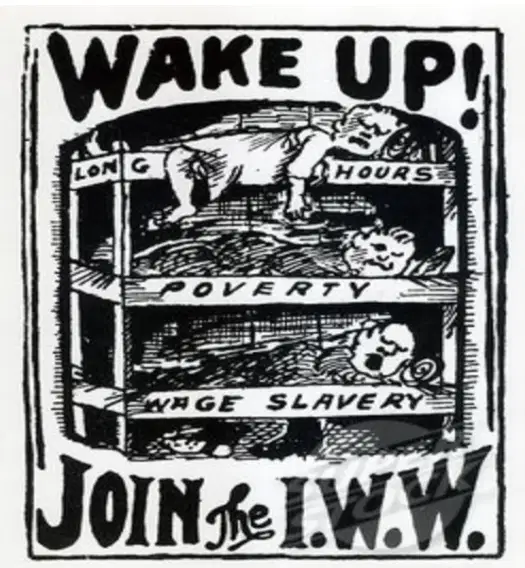
Why were labor unions established?
To fight unfair treatment in the work place
To prevent workers from striking
Employers encouraged them to establish such organizations
Women got paid more than men and that was unfair

Who of the following would be Speaker C
A businessman
A factory owner
A nativist
An immigrant to America
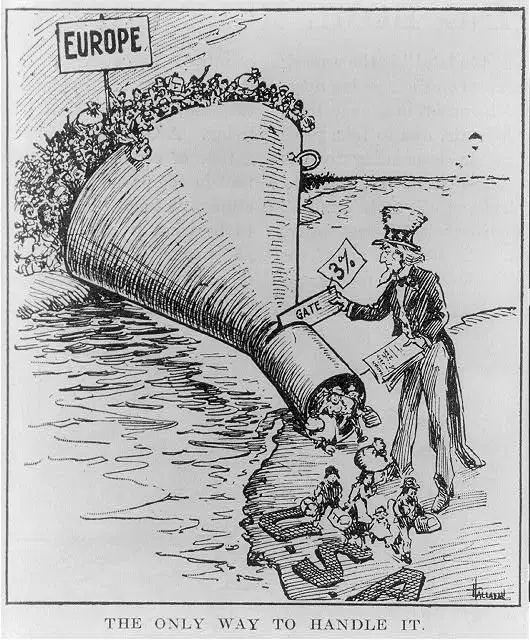
Why was this action taking place?
an increase of nativism
the belief that immigrants would ruin America
the fear that immigrants would take Americans' jobs
ALL OF THE ABOVE
Which of the following is a reason for why the Progressive Movement was needed?
Most Americans did not like government interference in the economy
Restore the power of the government to the rich since they were better educated
Correct economic, political, and social injustices in American life
Get rid of trustbusting that existed in the government

What role did muckrakers play during the Progressive Era?
Increased big business’ power in the Senate
Showed the benefits of having child work in factories
They showed the benefits of having a laissez-faire government
They exposed injustices that existed in American life

Which speaker would most likely have supported the ideas of the Progressive movement?
Speaker A
Speaker B
Speaker C
Speaker D

The common purpose of these legislative acts was to
destroy the nation’s natural resources
make conditions worse for recent immigrants who came to the United States
advance the growth of big business by creating monopolies
improve the general welfare of the American public
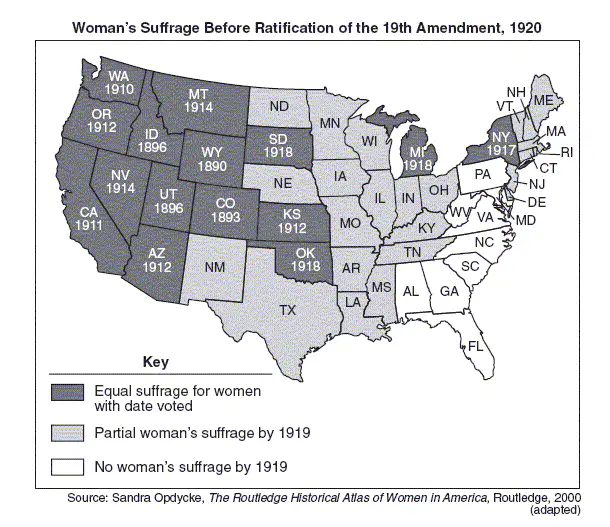
According to the map, in which region of the United States did women receive the most support for equal suffrage before passage of the 19th amendment?
East
North
South
West

The Sherman Anti-Trust Act, Interstate Commerce Commission, The Federal Trade Commission, and the Federal Reserve Act are all similar in that they all…
limited big business and prevented the formation of monopolies
limit imports from foreign nations to increase the cost of American products
limited farmers from growing too many crops in order to keep profits high
all of these
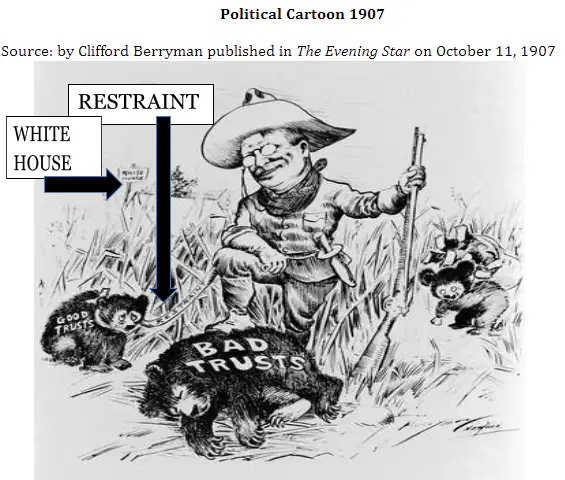
According to the cartoonist, why would Teddy Roosevelt be considered a "trustbuster"?
He would attack trusts that exploited (took advantage of) consumers
He wanted to conserve our nations natural resources
He made muckraking illegal and sent Upton Sinclair and others to jail
He felt all monopolies served a purpose and should be legal
Which event led to the passage of laws that helped create safer working conditions?
The Pullman Strike
The Triangle Shirtwaist Factory Fire
The breakup of the Standard Oil Co.
The Haymarket Strike

Why did Americans call for a government ban on alcohol?
They wanted to reduce crime caused by the abuse of alcohol
Children were hurt at the expense of the over consumption of alcohol
Too much money was being spent on alcohol and not on family needs
All of the above
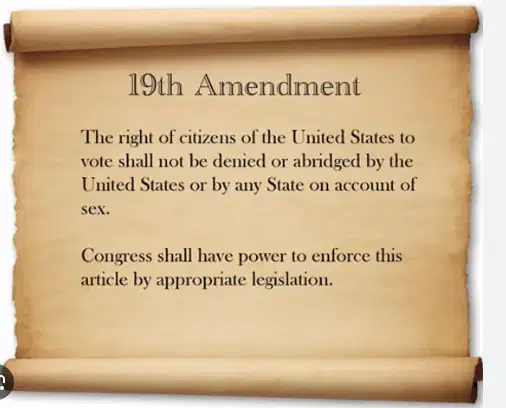
What was the purpose of the Women’s Suffrage Amendment?
To ensure that women remained 2nd class citizens
It outlawed little girls from working in factories
Ensured that women would have a voice in the government
It ensured equal pay of men and women
Which of the following was a result of the other three?
The Federal Meat Inspection Act passed by Congress
Upton Sinclair’s The Jungle was published
Teddy Roosevelt and others became aware of conditions in the meat packing industry
Unsanitary and unsafe working conditions in factories
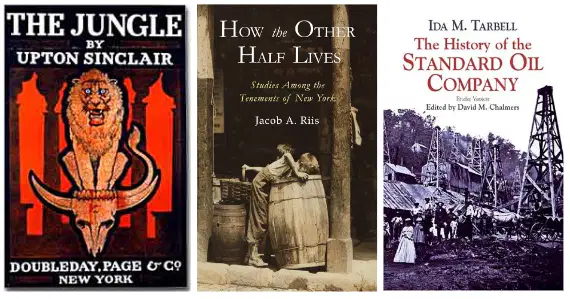
What impact did novels such as How the Other Half Lives by Jacob Riis, The Jungle by Upton Sinclair, and The History of Standard Oil by Ida Tarbell have on American society?
Most Americans have developed a preference for escapist and romantic literature.
Most American authors have adopted a conservative viewpoint
American business has corrected poor conditions quickly.
These works have had significant influence on social, political, and economic reforms.
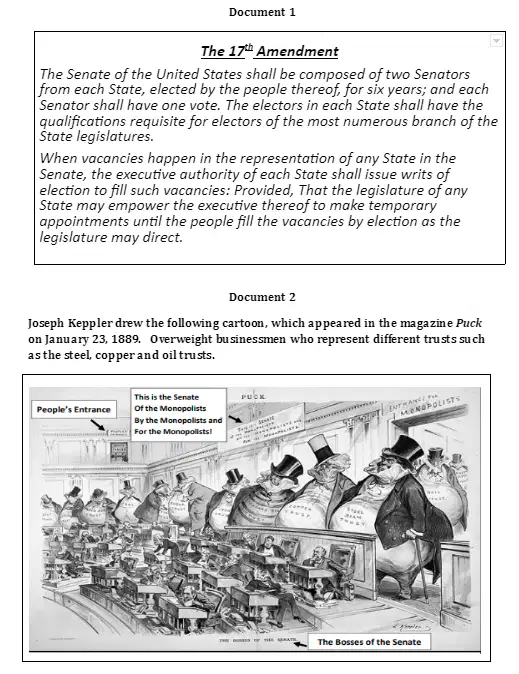
Which of the following statement is true about the cause and effect relationship between these two documents?
Document 1 caused what is being depicted in Document 2
What is being depicted in Document 2 caused Document 1
The 17th Amendment caused monopolies to control the Senate
All of these
What led to the end of the Progressive Movement?
Woodrow Wilson was elected and did not believe in reform
The Progressives realized that they could never change America
Everyone realized that Laissez-faire was the way to go
World War took over as the most important issue
The complete control of an industry by one person or company.
Progressive Era
Assembly line
Industrial Revolution
Monopoly
An arrangement of workers, machines, and equipment in which the product passed from operation to operation until completed. Invented by Henry Ford.
Progressive Era
Assembly line
Industrial Revolution
Monopoly
A time of great and rapid changes, when people switched from making goods by hand to manufacturing goods with power-driven machines.
Progressive Era
Assembly line
Industrial Revolution
Monopoly
A community center established to help immigrants get familiarized with American culture.
urbanization
Settlement house
Muckraker
Tenement
The rapid growth of cities flooded by immigrants and people moving from the rural communities.
urbanization
Settlement house
Muckraker
Tenement
An investigative reporter who published allegations of business and government leaders as corrupt.
urbanization
Settlement house
Muckraker
Tenement
An apartment house, often in cities, in which living conditions are deplorable.
urbanization
Settlement house
Muckraker
Tenement
People who moved to America (primarily in the cities) from another country in search for jobs and democratic ideals.
Immigrants
Muckraker
Nativism
Migrant Farm Workers
A company of several owners (trustees) that collectively purchase their competition so that they create one large company.
Labor Union
Nativism
Trust
Sherman Anti-Trust Act
A law passed in 1890 that prohibited businesses to become monopolies and therefore encourage competition.
Compromise of 1877
Child Labor Act
Trust
Sherman Anti-Trust Act
The policy of protecting the interests of native-born or established inhabitants against those of immigrants
Immigrantism
Nativism
Naturalism
Sherman Anti-Trust Act
An organization of workers that tries to help its members receive higher wages and have better working conditions.
Labor Union
Nativism
Trust
Sherman Anti-Trust Act

