
 Worksheets
Special Senses Review
Total questions: 64
Worksheet time: 27hrs 7mins
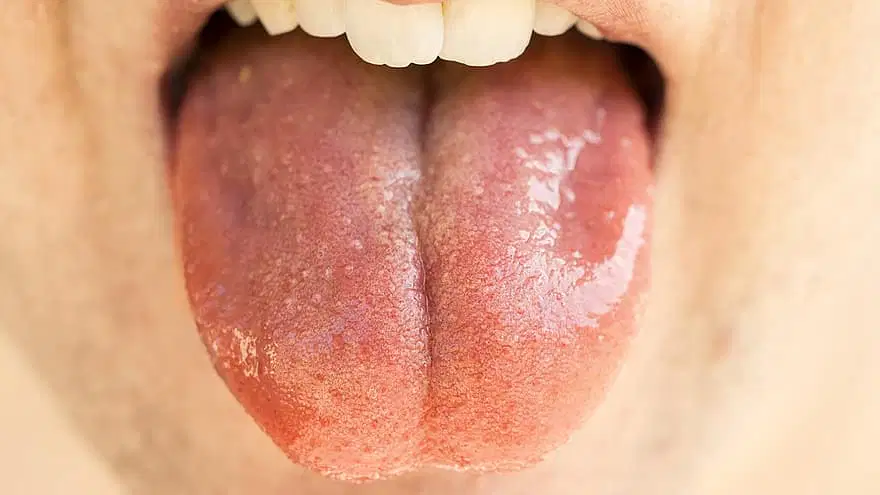
Which of the following NOT a taste sensation
spicy
sweet
salty
sour
bitter
taste:
olfactory
gustatory
auditory
Smell hallucinations often experienced by epileptics before a seizure:
anosmias
olfactory auras
papillae
gustatory cells
Loss of smell due to stroke, colds, allergies...
anosmias
olfactory auras
papillae
gustatory cells
Which is not a location to find gustatory cells/hairs?
palate
tongue
throat
cheeks
Looking at far away objects and objects in the dark both have which effect on pupils?
pupils dilate
pupils get smaller
Lancing the tympanic membrane and inserting a tube is called a
myringotomy
anosmias
strabismus
ossicles
What does the ceruminous glands secrete?
sweat
oil
earwax
mucus
Where do most common ear infections occur?
inner ear
outer ear
middle ear
auditory tube
external auditory canal
Where is equilibrium located?
inner ear
outer ear
middle ear
auditory tube
external auditory canal
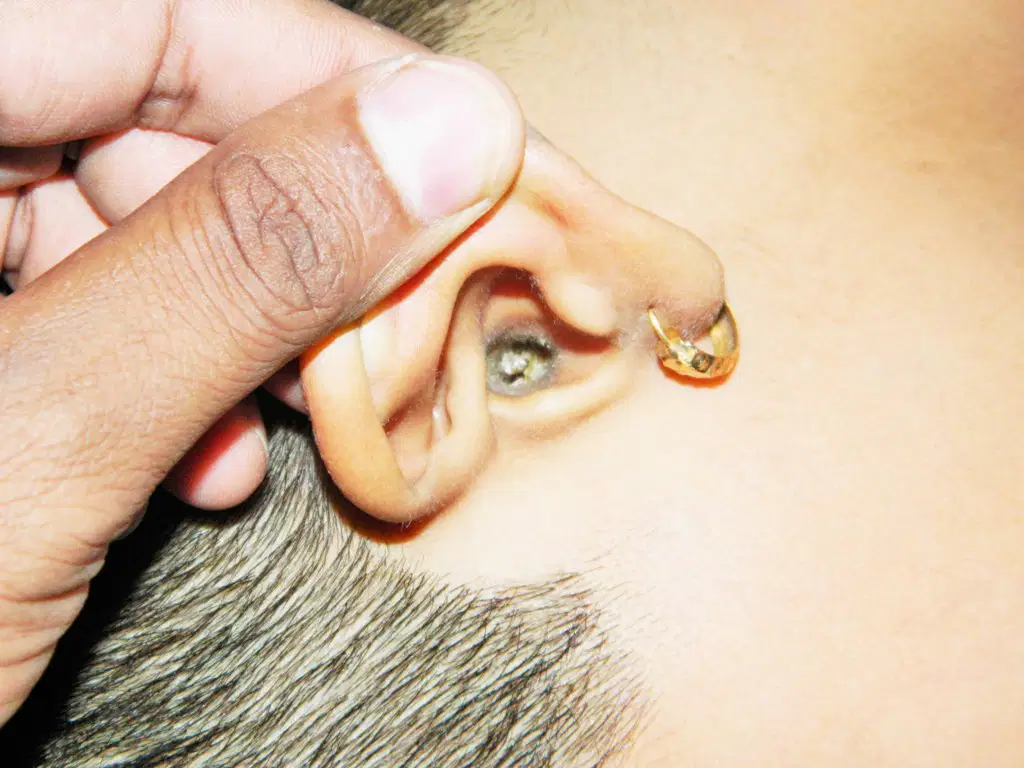
Where cerumen is made
inner ear
middle ear
auditory tube
external auditory canal
Where actual "hearing" takes place
inner ear
outer ear
middle ear
auditory tube
external auditory canal
The auditory tube connects the throat to this area:
inner ear
outer ear
middle ear
auditory tube
external auditory canal
Semicircular canals are in this area
inner ear
outer ear
middle ear
auditory tube
external auditory canal
A "swimmers ear" infection is found here:
inner ear
outer ear
middle ear
auditory tube
otitis media is
swimmers ear
middle ear infection
vertigo
dizziness
a type of deafness
Can be temporary, build up of earwax, ossicles don't vibrate, eardrum scarring, and hearing aids help
swimmers ear
otitis media
sensorineural deafness
conduction deafness
Menieres Syndrom
Permanent, nerve damage, "hair" damage in cochlea, caused by loud noises over time, genetics, cochlear implants may help
swimmers ear
otitis media
sensorineural deafness
conduction deafness
Menieres Syndrom
Ossicles in order from superficial to deep
malleus incus stapes
incus stapes malleus
stapes malleus incus
incus malleus stapes
stapes incus malleus
Another name for the ear drum
tympanic membrane
ossicles
cochlea
pinna
used when standing erect
static equilibrium
dynamic equilibrium
vertical equilibrium
used when moving/dancing/gymnastics
static equilibrium
dynamic equilibrium
gymnic equilibrium
found in vestibule
static equilibrium
dynamic equilibrium
visual equilibrium
found in semicircular canals
static equilibrium
dynamic equilibrium
Connects ear to brain
optic nerve
otitis media nerve aka gustatory nerve
vestibular-cochlear nerve aka auditory nerve
sciatic nerve aka olfactory nerve
The spot through which sound enters the cochlea
external auditory meatus
oval window
tympanic membrane
nasolacrimal duct
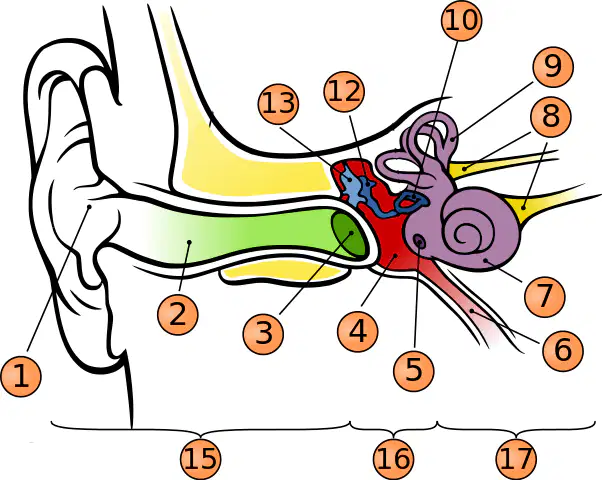
Number 3
tympanic membrane
cochlea
malleus
incus
stapes
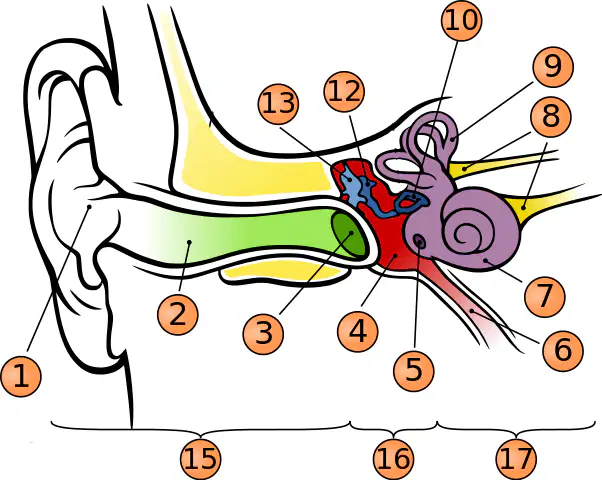
Number 7
cochlea
vestibule
stapes
tympanic membrane
oval window
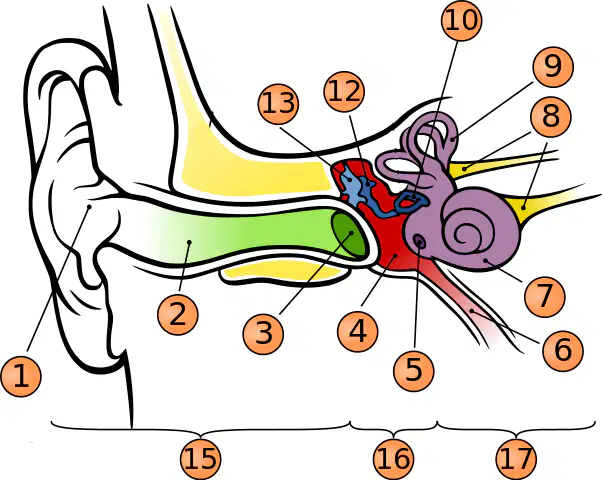
Number 9
cochlea
vestibule
semicircular canals
tympanic membrane
oval window
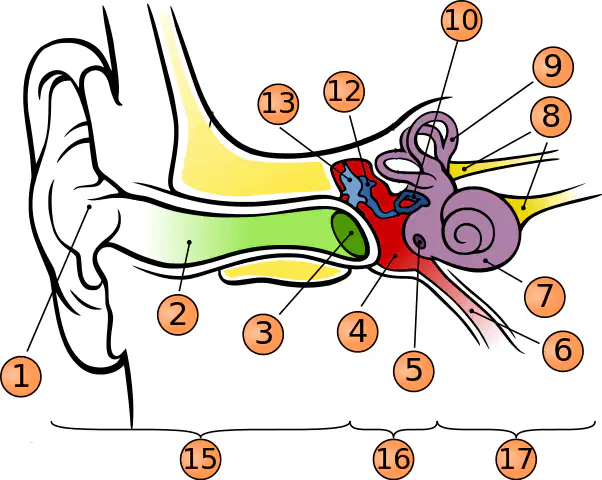
Number 2
external auditory canal
auditory tube
semicircular canals
nasolacrimal duct

Number 6
external auditory canal
auditory tube
semicircular canals
nasolacrimal duct
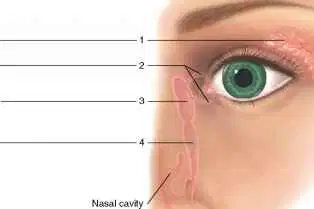
Number 1
nasolacrimal duct
lacrimal sac
lacrimal canal
lacrimal gland
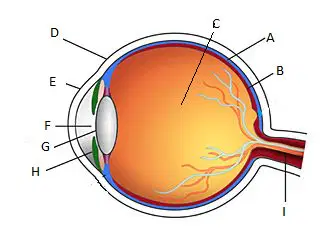
D--the most superficial layer of the eye
aqueous humor
vitreous humor
choroid
sclera
retina
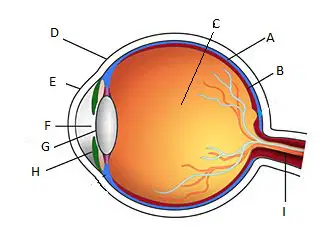
Letter C-gives the eye its 3D shape
aqueous humor
vitreous humor
choroid
sclera
retina
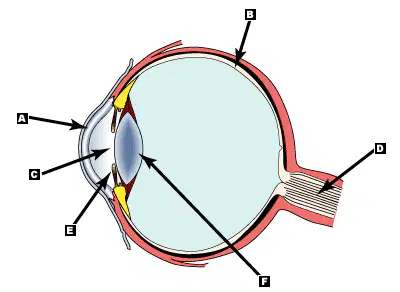
Letter F--helps eye to focus
lens
cornea
pupil
retina
optic nerve
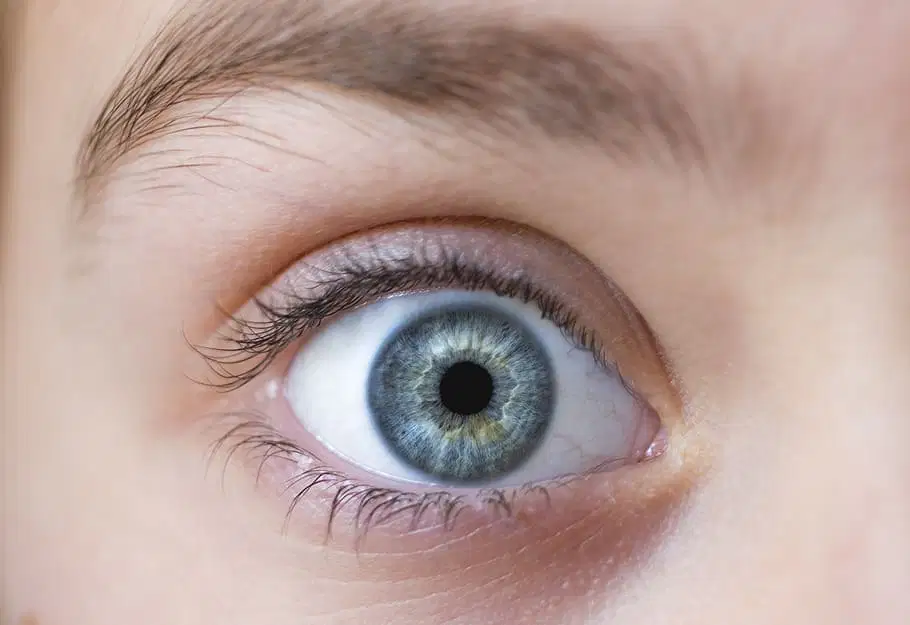
This is a colored smooth muscle that changes the size of the pupil
cornea
pupil
retina
lens
iris
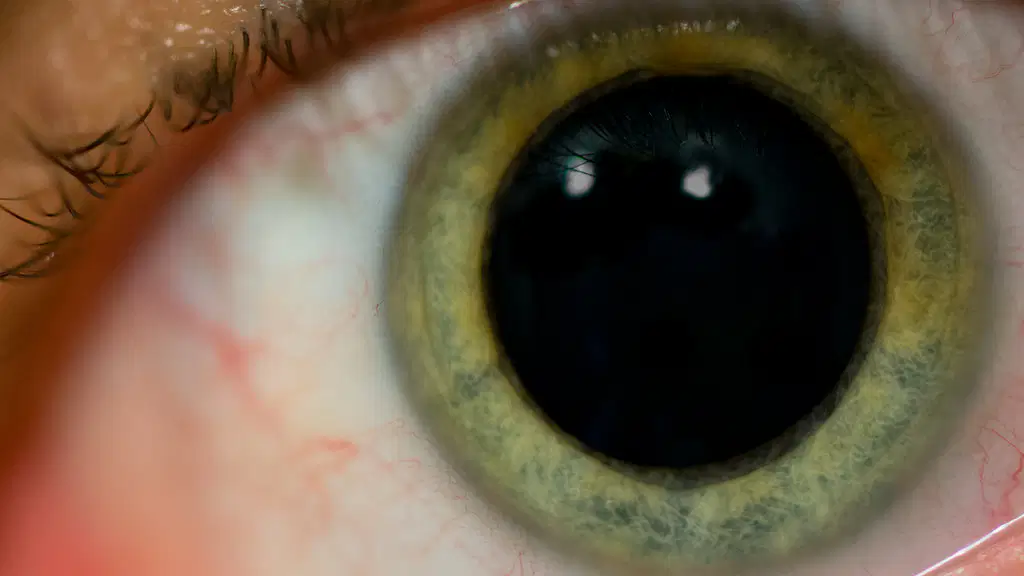
Which of the following can cause the pupil to dilate? choose all that apply.
bright light
darkness
close vision
far away vision
drug use
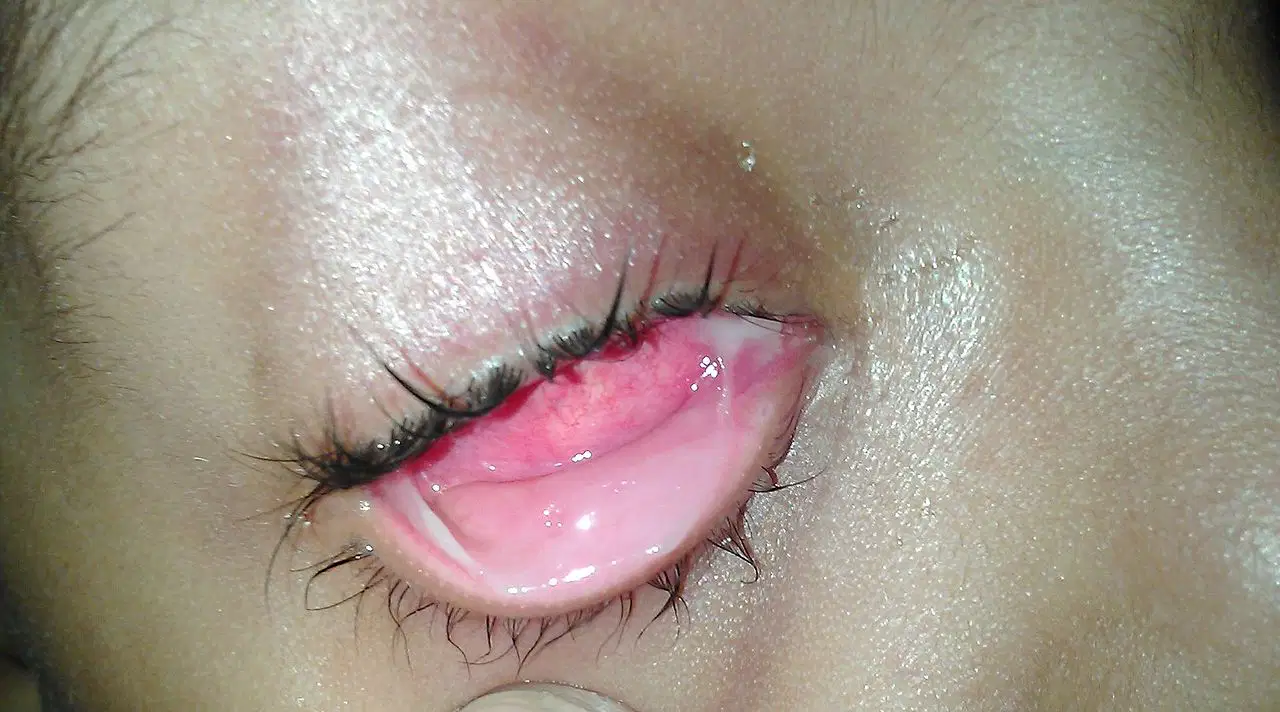
conjunctiva secrete:
sweat
mucus
oil
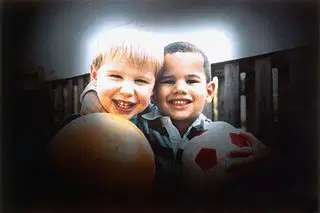
Too much vitreous humor causes ___ and is tested by a ___
glaucoma, tonometer
nearsightedness, lens machine
astigmatism, tonometer
otitis media, looking in the ear with a light
Why does the lens need to be able to change shape?
to focus the image
to turn image upside down
to capture the image
to change pupil size
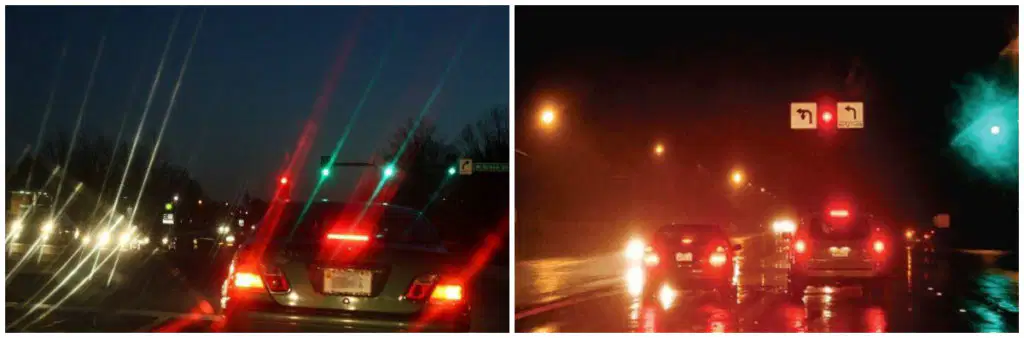
blurry, double, halo vision
emmetropia
myopia
astigmatism
hyperopia
What drains tears into the nose *
scleral venus sinus
nasolacrimal duct
fovea centralis
pupil
white of the eye
sclera
retina
choroid
perfect vision
hyperopia
myopia
astigmatism
emmetropia
This changes the size of the pupil
the pupil
iris
cornea
lens
ciliary body
near sighted
emmetropia
myopia
hyperopia
astigmatism
Require movement in order to work: hearing and equilibrium
mechanoreceptors
photoreceptors
chemoreceptors
Uses light to activate: eye
mechanoreceptors
photoreceptors
chemoreceptors
smell, taste... molecules must be dissolved in fluid in order to be activated.
mechanoreceptors
photoreceptors
chemoreceptors
Match the following
need a hearing aid
conduction deafness
need a cochlear implant
sensineurodeafness
need glasses
myopia
High pitch hearing loss in older people
presbycusis
farsightedness in older people
presbyopia

Chemoreceptors respond to
light
pain
temperature
chemicals in taste and smell


The structures of the (a) ear are involved in equilibrium.
The malleus, incus, and stapes are ____ that transmit the vibratory motion of the eardrum to the fluids of the inner ear.
nerves
muscles
small bones
tiny blood vessels
What sense has a person with anosmia lost?
hearing
touch
smell
taste
Match the following sense with its organ
Touch
Skin
Gustation
Tongue
Olfaction
Nose
Hearing/
Equilibrium
Ears
Vision
Eyes

Which of the following options correctly sequences the path of sound information as sound information moves from the external environment to the vestibulocochlear nerve?
ear canal
eardrum
ossicles/oval window
cochlea
vestibulocochlear nerve

Adam is visiting his optometrist for an eye exam. During the eye exam, Adam‘s optometrist hands him a card with the image below. Adam‘s optometrist asks Adam if he can see a number in the image.
Which visual condition is Adam‘s optometrist checking?
color deficiency
visual acuity
hyperopia
glaucoma

The image depicts redness that occurs when the membrane lining the eyelids and whites of the eyes becomes infected.
Which structure lines the eyelids and whites of the eyes?
malleus
conjunctiva
olfactory epithelium
lacrimal gland

While styling his hair, Alberto used some scented hair gel. Which of the following correctly identifies if Alberto is likely to notice the scent of the hair gel an hour after application?
Alberto will not notice the smell because the brain stops noticing scents after a period of time.
Alberto will not notice the smell because the brain never stops noticing scents.
Alberto will notice the smell because the brain stops noticing scents after a period of time.
Alberto will notice the smell because the brain never stops noticing scents.
Which structure is responsible for dynamic equilibrium?
Maculae
Otolithic membrane
Semicircular canals
Cochlea
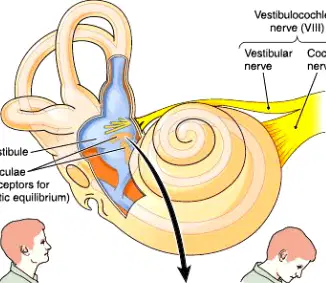
Which part of the ear contains the maculae (receptors for static equilibrium)?
Vestibule
Cochlea
Semicircular canals
Tympanic membrane

