
NEW
Font size
 Worksheets
Cell Organelles
Total questions: 40
Worksheet time: 23mins
Protective outermost layer of animal cells:
Cell Membrane
Nucleus
Cell Wall
Microtubules

What is the function of a chloroplast?
makes proteins for animal cells
allows materials in and out of the cell
provides structure and support
absorbs sunlight for photosynthesis

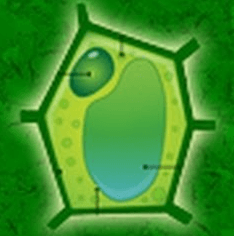
Identify the structure that is indicated by the arrow in the image.
cell wall
central vacuole
chloroplast
nucleus
Identify the structure that is indicated by the arrow in the image.
cell wall
central vacuole
chloroplast
nucleus

The arrow is showing the fluid inside the cell that surrounds the cell organelles and gives the cell its shape. What is the arrow pointing to in the cell?
cytoplasm
mitochondria
ribosomes
nucleus

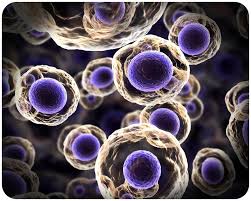
What organelle is this??
cell wall
chloroplast
mitochondria
nucleus
cell membrane

I make proteins for the cell. What am I?
ribosome
cell membrane
nucleus
chloroplast
This organelle stores water, and is very big in plant cells
nuclolus
ribosomes
golgi bodies
vacuoles
If many of the ribosomes of a cell were destroyed, what effect would this most likely have on the cell?
The cell would not be able to create energy.
The cell would not be able to make proteins.
The cell would not e able to photosynthesize.
The cell would not be able to break down waste in the cell.
Which statement is true about organelles that make food for animal and plant cells?
The mitochondria makes food for animal cells, and the nucleus makes food for plant cells.
The mitochondria makes food for plant cells, and the nucleus makes food for animal cells.
The chloroplasts make food for animal cells, but plant cells cannot make their own food.
The chloroplasts make food for plant cells, but animal cells cannot make their own food.
If a cell is compared to a city, then the Golgi apparatus, acts as the
trash service of the cell as it removes waste from the cell
post office of the cell by packaging and sorting proteins
mayor of the cell as it controls all of the cell's activities
electrical plant of the cell by making usable energy

This organelle is the transportation network for the cell and moves materials around in the cell. What am I?
mitochondria
lysosomes
chloroplast
endoplasmic reticulum
The _____________ holds the DNA, and controls the functions of eukaryotic cells.
Nucleus
Nuclear Membrane
Mitochondria
Chloroplast
What is the organelle shown?
Plant
Ribosomes
ER
Chloroplast
Which organelle contains genetic material?
Endoplasmic Reticulum
Golgi Complex
Nucleolus
Nucleus




Cytoskeleton
maintains homeostasis by controlling what enters and leaves the cell
suspends the organelles and provides an environment for chemical reactions within the cell
makes proteins
provides structure for cells and movement of organelles
Nucleus
stores genetic information (DNA)
makes and transports proteins
makes lipids and membranes (also detoxifies and stores calcium)
modifies, sorts, and ships proteins
Rough Endoplasmic Reticulum
stores genetic information (DNA)
makes and transports proteins
makes lipids and membranes (also detoxifies and stores calcium)
modifies, sorts, and ships proteins
Smooth Endoplasmic Reticulum
stores genetic information (DNA)
makes and transports proteins
makes lipids and membranes (also detoxifies and stores calcium)
modifies, sorts, and ships proteins
Golgi Bodies
stores genetic information (DNA)
makes and transports proteins
makes lipids and membranes (also detoxifies and stores calcium)
modifies, sorts, and ships proteins
Mitochondria
creates energy (ATP) from food; site of cellular respiration
stores food, water, or wastes with the cell; plant cells have a special vacuole
uses enzymes to digest bacteria, viruses, and old organelles (old cell parts are recycled)
create special structures called spindle fibers that are used in cell division
Centrosome/Centrioles
creates energy (ATP) from food; site of cellular respiration
stores food, water, or wastes with the cell; plant cells have a special vacuole
uses enzymes to digest bacteria, viruses, and old organelles (old cell parts are recycled)
create special structures called spindle fibers that are used in cell division
Cell Wall
provides shape, structure, and protection for the cell
site of photosynthesis; uses the sun's energy to produce food
stores water in order to maintain plant shape (if a plant needs water, it wilts)
site of cellular respiration
Central Vacuole
provides shape, structure, and protection for the cell
site of photosynthesis; uses the sun's energy to produce food
stores water in order to maintain plant shape (if a plant needs water, it wilts)
site of cellular respiration
Chloroplast
provides shape, structure, and protection for the cell
site of photosynthesis; uses the sun's energy to produce food
stores water in order to maintain plant shape (if a plant needs water, it wilts)
site of cellular respiration

