
 Worksheets
TAXONOMY / STIMULUS RESPONSE (EXAM REVIEW)
Total questions: 50
Worksheet time: 52mins

Which is the highest or broadest level?
¿Cuál es el nivel más alto o más amplio?
Kingdom
Domain
Phylum
Order

Use the table to determine the scientific name of a rattlesnake written in the proper scientific format.
Crotalus Viridis
Crotalus Viridis
Crotalus viridis
Viperidae viridis

Use the table to determine the scientific name of a giant panda written in the proper format (species is always lowercase).
Ursidae ailuropoda
Ursidae Ailuropoda
Ailuropoda melanoleuca
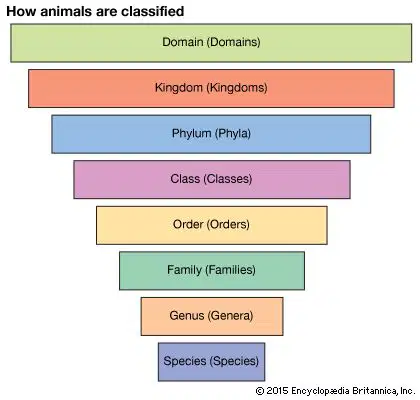
Organisms in the same Order are more similar than organisms in the same Species
True
False
Which of these big cats are more closely related to one another
A. Lions (Panthera leo)
B. Cheetahs (Acinonyx jubatus)
C. Snow Leopard (Panthera uncia)
D. Cougar (Puma concolor)
Lions and Cheetahs
Snow Leopards and Cougars
Lions and Snow Leopards
Cheetahs and Cougars
Organisms in the same genius are more closely related than organisms in the same family.
True
False

Use the table to determine the scientific name of an orangutan written in the proper scientific format (species is lowercase, always).
Pongo borneo
Hominidae borneo
Pongo Borneo
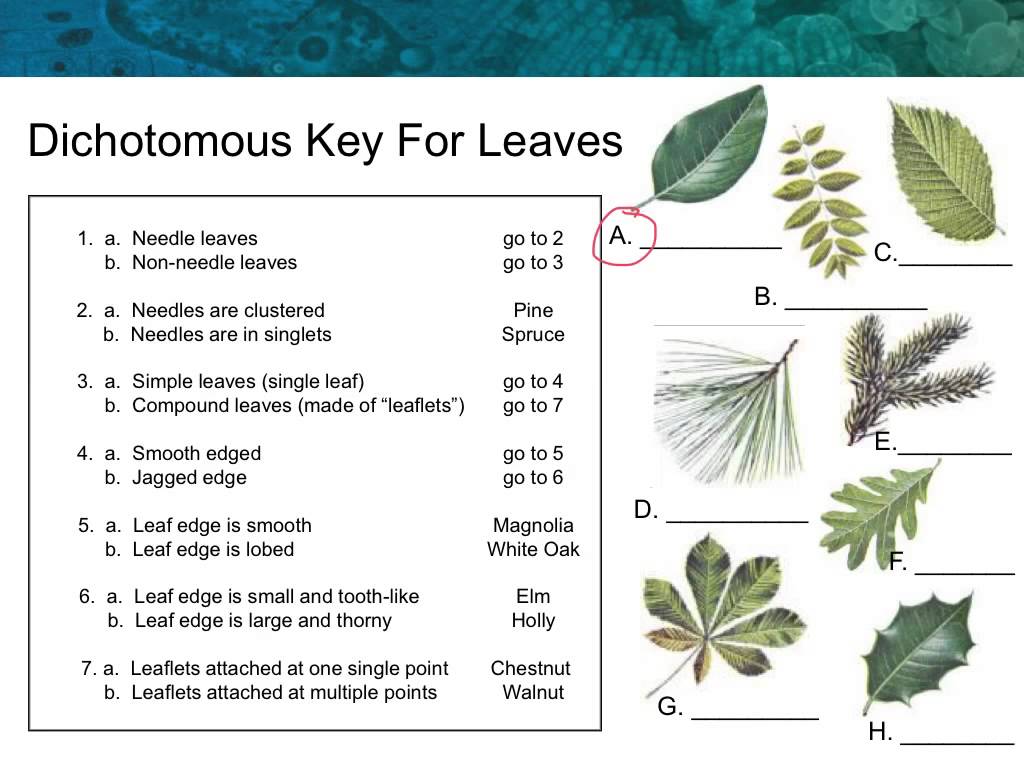
What is a dichotomous key used for in science?
¿Para qué se utiliza una clave dicotómica en ciencia?
To organize biomes
Classify organisms
Identify bacteria only
None of these


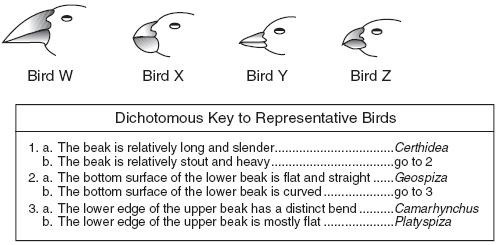
What is the name of bird W?
Certhidea
Geospiza
Camarhynchus
Platyspiza
What is the genus name here:
Canis lupus
Canis
lupus
Binomial nomenclature is the ____________ system for naming organisms. (Genus, species)
The system in which which we give each organism a unique, 2-part name is called
binomial nomenclature
trinomial nomenclature
speciation
2-part naming

Bacteria are prokaryotes whose cells . . .
Las bacterias son procariotas cuyas células . . .
lack a nucleus
have a nucleus
are really big
can sing the ABC song

Plants and animals are eukaryotes whose cells do . . .
lack a nucleus
have a nucleus
are really big
can sing the ABC song

If two organisms belong to the same order, then they must also belong to the same...
Si dos organismos pertenecen al mismo orden, entonces también deben pertenecer al mismo...
Species
Class
Family
Genus
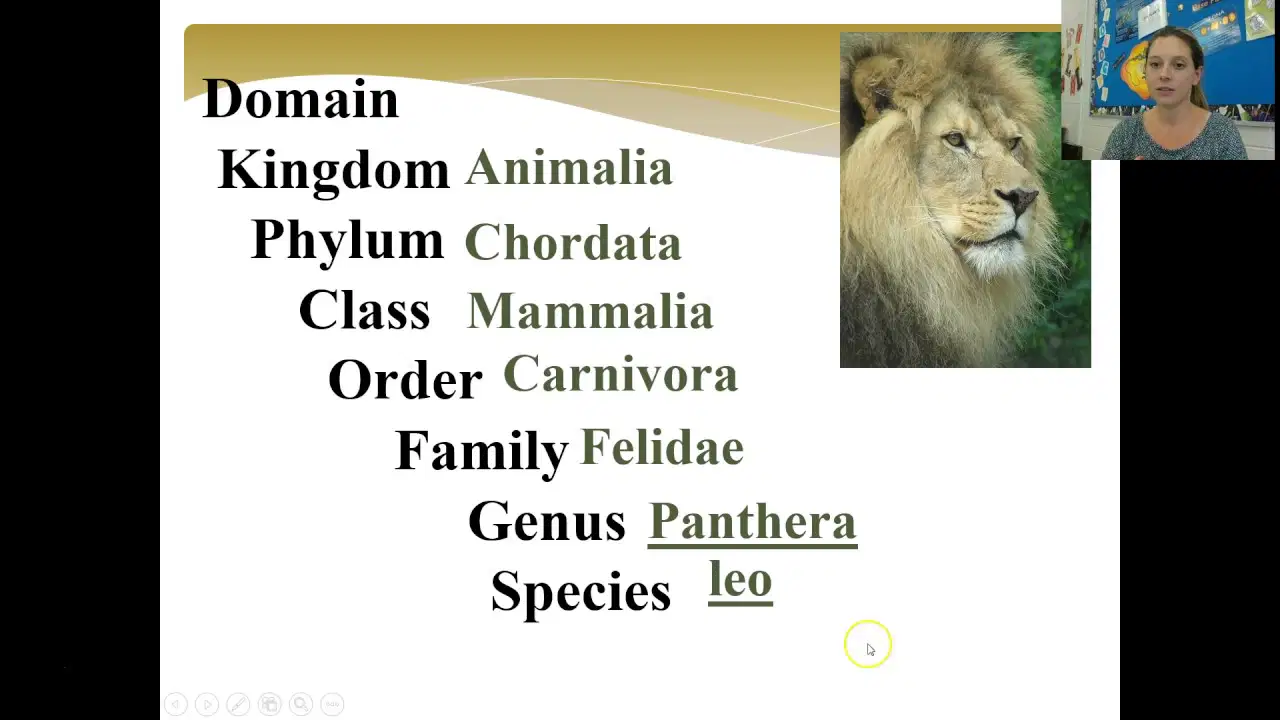
(Practice Taxonomy) The scientific name for a lion is Panthera leo.
What is the genus?
lion
Panthera
leo
(Domain) Which domain(s) include only prokaryotic cells? (without nucleus)
Eukarya & Bacteria
Archaeabacteria
Bacteria & Archeabacteria
Bacteria
(Domain) Which domain(s) include organisms that have eukaryotic cells? (has nucleus)
Eukarya
Eukarya & Bacteria
Bacteria
Archaeabacteria
(Kingdoms) Moss is multicellular, autotrophic (photosynthetic), and has cell walls. Which kingdom does moss belong to?
Protista
Fungi
Plantae
Animalia
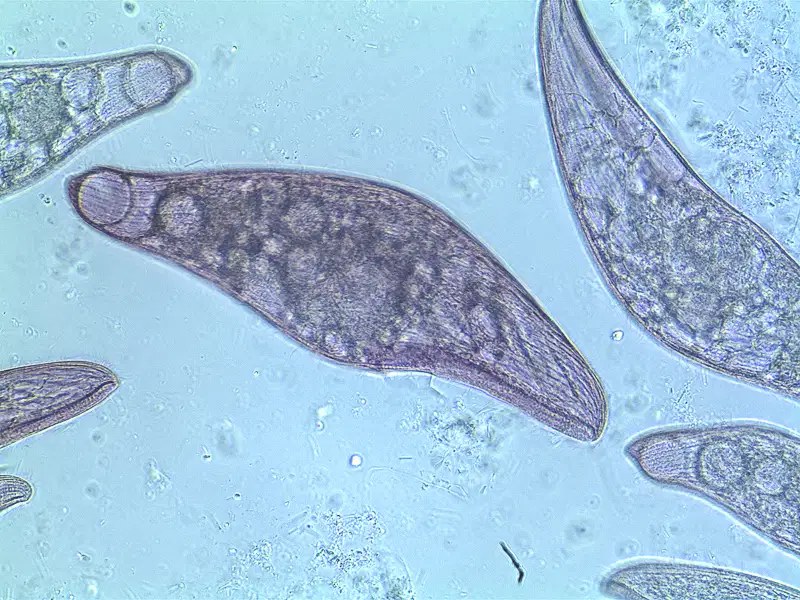
Organisms in ____________ kingdom are unicellular BUT they DO HAVE A NUCLEUS, heterotrophs or autotrophs, and are aquatic amoebas.
Fungi
Animalia
Protista
Plantae
An infection in the body
Identify the response..."A squirrel scratches at a flea bite"
A flea bite
A squirrel scratches

Identify the stimulus..."A person shivers because it is cold outside"
Cold temperature
A person shivers
Is the stimulus internal or external? Feeling hungry
Internal
External
Is the stimulus external or internal....A loud noise?
Internal
External

Identify the tropism in the picture.
Stem goes away from gravity.
Positive Hydrotropism
Negative Phototropism
Negative Phototropism
Negative Gravitropism
Identify the tropism in the picture.
Stem goes away from gravity.
Positive Hydrotropism
Negative Phototropism
Negative Phototropism
Negative Geotropism
Identify the tropism in the picture.
The ROOTS go towards gravity / Earth.
Negative Geotropism
Positive Phototropism
Negative Phototropism
Positive Gravitropism
Identify the tropism in the picture.
The ROOTS go towards gravity / Earth.
Negative Geotropism
Positive Phototropism
Negative Phototropism
Positive Geotropism

STUDY what I know will be on the test and go to bed early.
A single-celled organism with a nucleus and moves with cilia (hairs) belongs to the Kingdom..
Al Reino pertenece un organismo unicelular con núcleo y que se mueve con cilios (pelos).
A eukaryotic, MULTICELLULAR heterotroph that uses oxygen (aerobic) and has a cell wall.
Un heterótrofo MULTICELULAR eucariota que utiliza oxígeno (aeróbico) y tiene una pared celular.
True or False. Photosystems are found on the membranes of chloroplasts
True
False
Plants make their own food through a process called what?
photosynthesis
ATP
chlorophyll
structure and support
What gives a plant its' green color?
cellulose
cell wall
photosynthesis
chlorophyll

Plants make sugar using an organelle called the chloroplast.
Las plantas producen azúcar utilizando un orgánulo llamado cloroplasto.
True
False
A plant cell's vacuole is much larger than an animal cell to store more water and provide TURGOR PRESSURE
true
false
Thigmotropism
A plants growth response to gravity
A plants growth response to light
A plants growth response to touch
A plants growth response to water
Hydrotropism
A plants growth response to gravity
A plants growth response to light
A plants growth response to touch
A plants growth response to water
Downward growth of roots are _____________ response to gravity?
Positive
Negative
Neutral
There is no response
upward growth of stems are _____________ response to gravity?
Positive
Negative
Neutral
There is no response
Tropisms
Growth responses in plants; such as movement away from or toward a stimulus
The bodies way of keeping in balance
The which process causes a plant to wilt in response to too much or too little water
The bodies way of reacting to a stimulus

