
Font size
 Worksheets
Nuclear Chemistry
Total questions: 27
Worksheet time: 21mins
A helium nucleus, 42He, is known as:
alpha particle
beta particle
gamma particle
positron
An electron emitted from the nucleus is:
an alpha particle
a beta particle
a gamma particle
a positron
Match the following
+ charge
alpha particle
-charge
beta particle
no charge
gamma particle
Unstable atoms undergo radioactive decay in order to reach
uranium
bismuth
stability
instability
Time for a sample to decay to half the original amount
half-life
chain reaction
beta decay
electron capture
A neutron hits a U-235 atom, and it splits. This is an example of:
alpha decay
beta decay
fission
fusion
What is the symbol for an alpha particle?
42He
0-1e
0+1e
10n

Which particle completes this reaction?
alpha particle
beta particle
gamma particle
neutron

Complete the nuclear equation and determine the type of decay that is occurring in this reaction.
Alpha
Beta
Gamma
None
What is the missing isotope that will balance the following nuclear equation?
94Be + 11H → _____ + 42He
105B
105Ne
63Li
63C
Balance the following equation: 146C → 0-1e + ________
145B
146C
147N
42He
What do two different isotopes of an atom have in common?
Number of neutrons
Number of protons
Atomic weight
Atomic mass
When nuclei decay, massive amounts of __________ are released.
energy
jello
protons
neutrons

What type of reaction is this?
Alpha
Beta
Gamma
Quiet

What type of nuclear reaction is this?
Alpha
Beta
Gamma
Hot
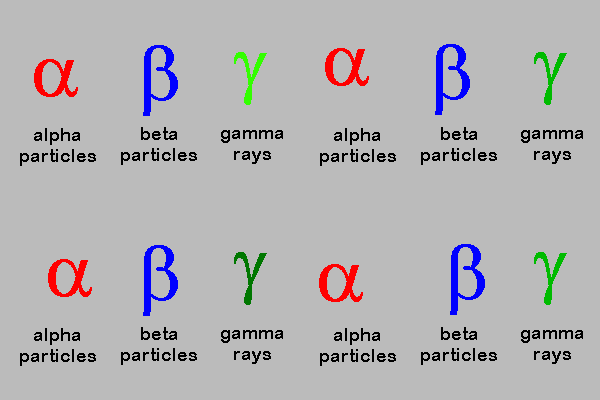
In order of most to least penetrating radiation, we have:
Alpha, Beta, Gamma
Beta, Gamma, Alpha
Gamma, Beta, Alpha
Gamma, Alpha, Beta
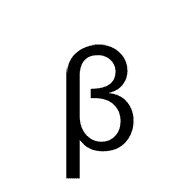
Identify the symbol
Alpha
Beta
Gamma
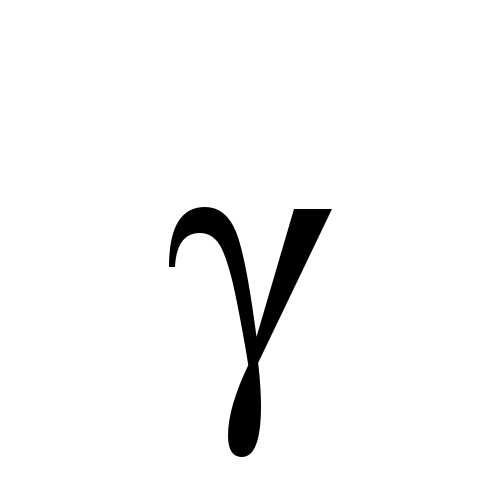
Identify the symbol
Alpha
Beta
Gamma
The technetium-99 isotope has a half-life of 6.0 hours. If 100.0 mg were injected into a patient, how much remains after 18 hours?
33.0 mg
12.5 mg
0.33 mg
15.8 mg
Spontaneous emission from the nucleus of an atom
Positron
Radioactivity
Alpha particle
Gamma radiation
Beta particle
Identify the particle with a charge of +1 and a mass equal to that of an electron.
Positron
Radioactivity
Alpha particle
Gamma radiation
Beta particle
The half-life of Calcium-47 is approximately 5 days. If you start with 64g of this isotope, how much would remain after 20 days?
8g
16g
4g
32g
One product of all nuclear fusion reactions is
a larger nucleus
electrons
protons
neutrons
Fusion reactions require ___.
very rare elements for use as fuel
incredibly high temperatures
very heavy nuclei
no initial energy
This type of reaction supplies the energy that powers the stars and our Sun.
Fission
Fusion

