
 Worksheets
The Role of Marketing
Total questions: 41
Worksheet time: 20mins

Tangible products, e.g. chocolate bars
Services
Goods
Products
Market items

Where customers and firms trade
Market size
Online platform
Market
Supermarket
A business can understand the needs of its customers by
Conducting market research
Making the best possible product
Setting a lower price than competitors
Having special offers such as buy one get one free
The role of marketing is to increase production of products
True
False
The role of marketing is to undertake market research in order to understand the needs of customers
True
False
Departments in a business are all interdependent
True
False
Many large businesses spend millions of pounds on their marketing
True
False
There are 2 types of market research
True
False
Field research is
Primary research
Secondary research
Select 2 examples of field research
Surveys
Focus Groups
Competitor's websites
Newspapers
Mass marketing is when...
a product is sold to the entire market.
a product is offered to a group or groups within the total market.
Desk research is also known as...
Primary research
Secondary research
Why do companies complete market research? (pick 3)
To identify consumer needs and wants.
To find out a suitable price for their products
Identify customer ages
To gain information about consumer trends
Primary research is first-hand information. It has been collected by a business for a specific purpose.
True
False

Select the 2 advantages of branding
A business can save money on marketing once the product becomes a household name.
It means businesses don't have to make new items.
The business can change its name if it wants to.
Higher prices can be charged when consumers become loyal to the brand.

Established brands tend to charge customers
More for their products
Less for their products

If I only buy Nescafe coffee. This is an example of...
Market Share
Brand Loyalty
Advertising
Added value

Which two of the following are advantages of branding
A business can save money on marketing once the product becomes a household name.
It means businesses don't have to make new items.
The business can change its name if it wants to.
Higher prices can be charged when consumers become loyal to the brand.

What is a slogan?
A unique design symbol that helps identify the company visually.
The typography used on signage.
A catchphrase that evokes some kind of feeling about the company and the product.
A short piece of text, usually in larger type, designed to be the first words the audience reads.

Which is the most accurate definition of the term 'Branding'?
The logo and colours a business has which are recognisable to customers
The advertising of a product on TV
The aims and values of a business and how this is communicated to customers
How the business meets the needs and wants of the target market

Which of the following is NOT an important factor in Branding a business?
Communicating the business aims and objectives
Adding value to the product or service
Creating loyal customers
Competitor analysis

Which of the following is NOT an element of 'brand identity'?
Logo
Corporate Colour Scheme
Signage
Delivery Options

What does the term 'Added Value' mean?
Giving a free gift with the purchase of a product
The price that the product/service is sold at less the cost of producing it
Charging more for better packaging of a product
Special offers to customers to sell more products
What does the term 'premium product' mean?
A product which is only available online
A product with a low price due to a large sales volume
A product with a higher price due to perceived value
A product where an additional charge is applied for extra features

Branding provides information on
identity
quality
consistency
all of the above

Customers that buy brands expect the product to be high
in price
quality
quantity
qualitative


What's this brand's slogan?
"Gives You Wings"
"Taste The Rainbow"
"Obey Your Thirst"
"Unleash The Beast"

Which supermarket has the slogan: "Every Little Helps"?
Tesco
Sainsburys
Asda
Aldi


This logo belongs to:
Walmart
UPS
Amazon
Allstate

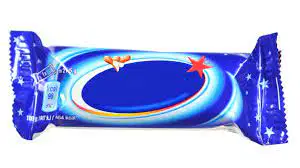
Can you identify the Chocolate Bar ?
Milky Way
Snickers
Mars Bar
Flake
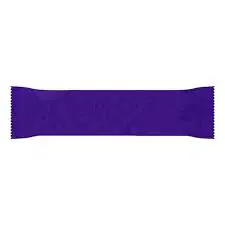
Can you identify the Chocolate Bar ?
Galaxy
caramel
Dairy Milk
Milky Bar
What are the factors of market segmentation?
The factors of market segmentation include only product and price.
The factors of market segmentation include only income and geographic factors.
The factors of market segmentation include only ethnic, cultural and geographic factors.
The factors of market segmentation includes ethnic, cultural, geographic, income, and gender.
What does USP stand for?
Unique selling product
Unique selling point
Unique selling promotion
Unique selling place
What is a prototype?
A final version of a product
A marketing strategy
The first working model of a product
A type of patent

