wayground logo

Free Printable Worksheets

Font size

S
M
L
XL
Worksheets

AP04 Epithelial Tissue

Total questions: 65

Worksheet time: 57mins

Name
Class
Date
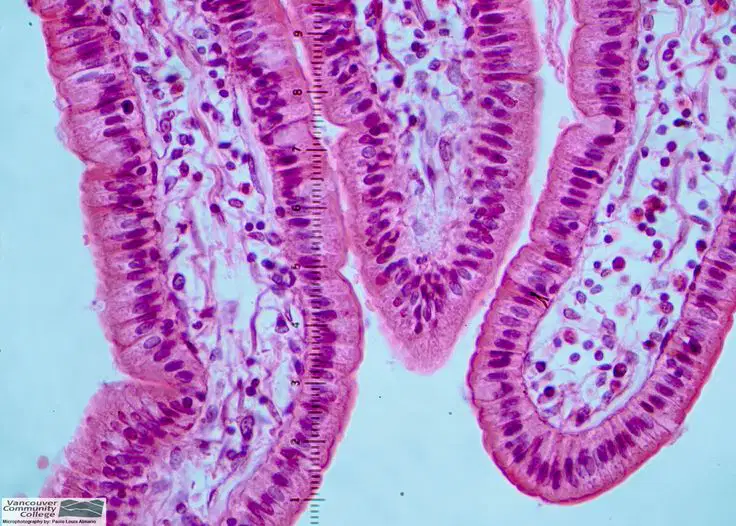
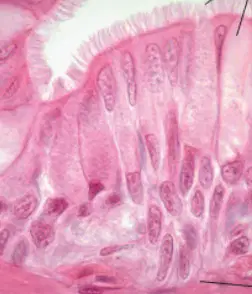
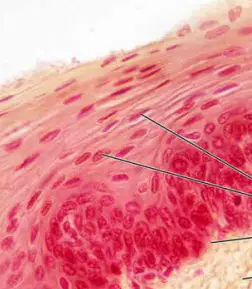
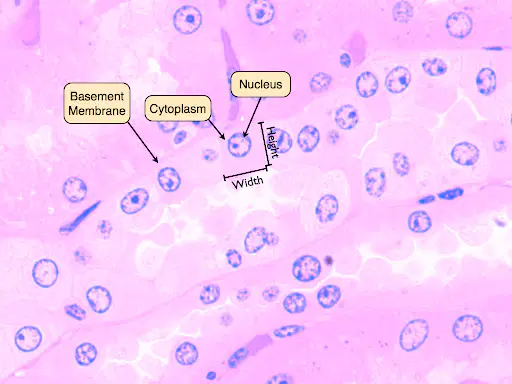
1.

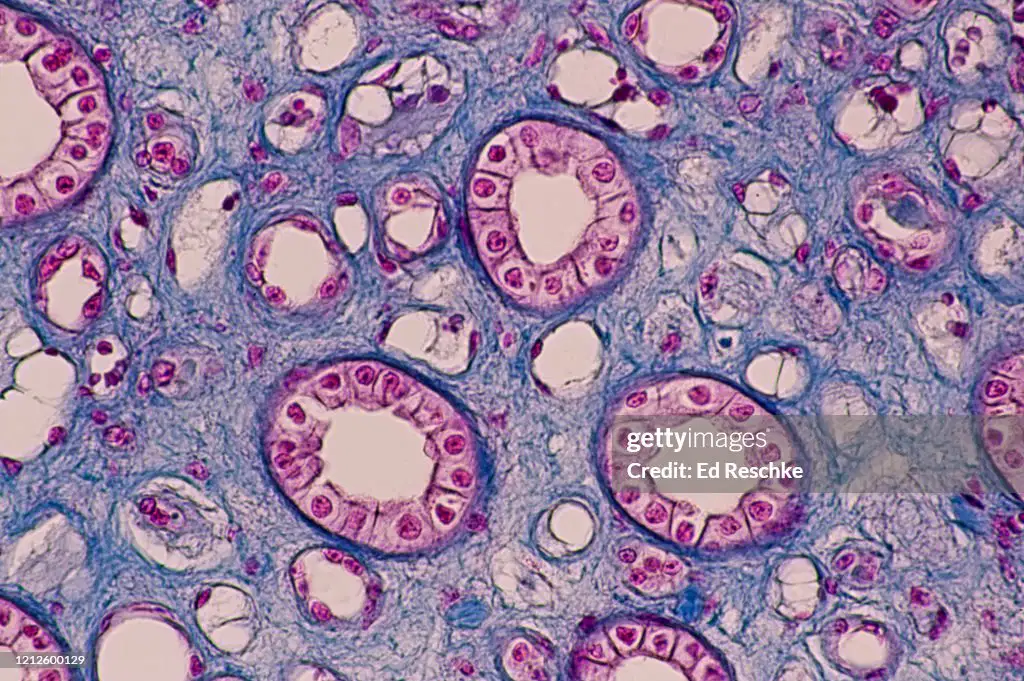
Identify the type of epithelial tissue

a)
Pseudostratified
b)
Smooth Muscle
c)
Transitional
d)
Stratified Squamous
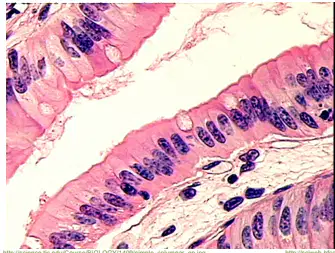
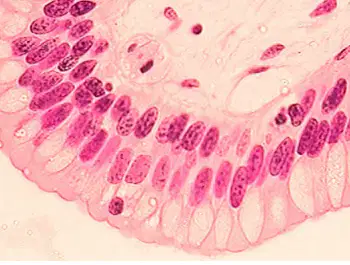
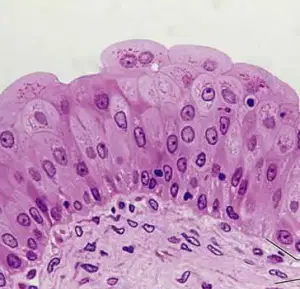
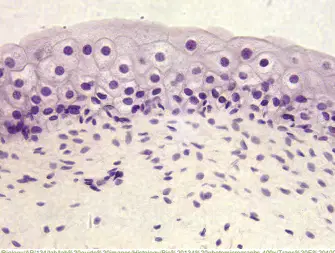
2.

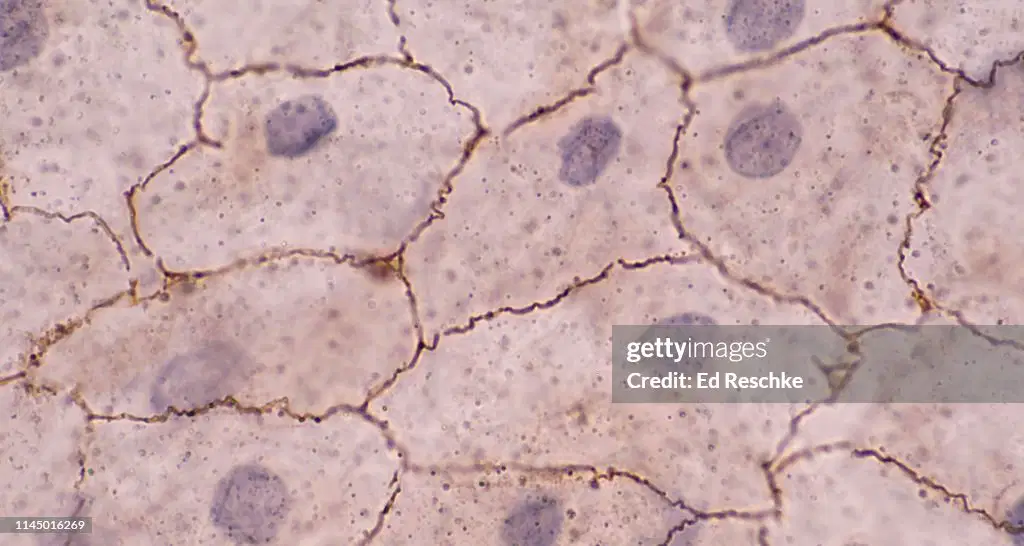
Identify the type of epithelial tissue

a)

Simple Cuboidal

b)

Simple Columnar

c)
Transitional
d)
Simple Squamous
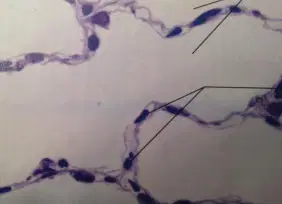
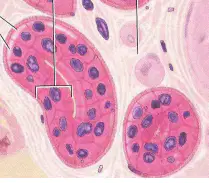
3.
Identify:
a)

Pseudostratified columnar epithelium

b)

Stratified columnar epithelium

c)

Transitional epithelium

d)

Stratified Squamous epithelium

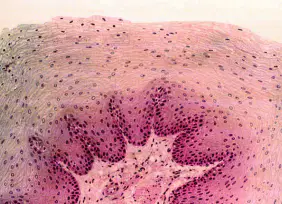
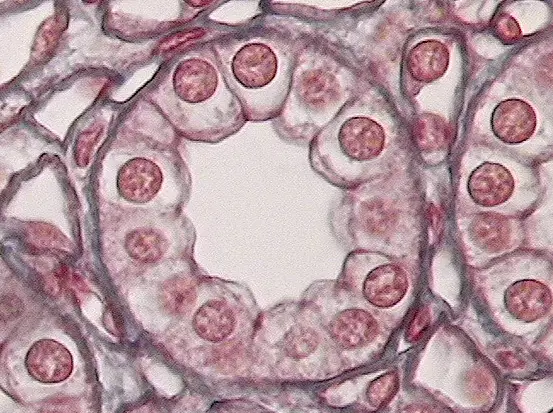
4.
Identify:
a)

Simple Columnar Epithelium

b)

Pseudostratified Epithelium

c)

Transitional Epithelium

d)

Stratified Columnar Epithelium

5.
Identify:
a)

Simple Columnar Epithelium

b)

Pseudostratified Epithelium

c)

Transitional Epithelium

d)

Stratified Columnar Epithelium

6.
Identify:
a)

Simple Columnar Epithelium

b)

Pseudostratified Epithelium

c)

Transitional Epithelium

d)

Stratified Columnar Epithelium

7.
Identify:
a)

Simple Columnar Epithelium

b)

Pseudostratified Epithelium

c)

Transitional Epithelium

d)

Stratified Columnar Epithelium

8.
Identify:
a)

Simple Columnar Epithelium

b)

Pseudostratified Epithelium

c)

Transitional Epithelium

d)

Stratified Columnar Epithelium

9.
Identify:
a)

Simple Columnar Epithelium

b)

Pseudostratified Epithelium

c)

Transitional Epithelium

d)

Stratified Columnar Epithelium

10.

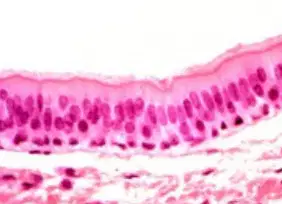
What type of tissue lines nearly every cavity and surface of the human body.
a)
epithelial tissue
b)
nervous tissue
c)
connective tissue
d)
muscle tissue
11.
Identify:
a)

Simple Columnar Epithelium

b)

Pseudostratified Epithelium

c)

Transitional Epithelium

d)

Stratified Columnar Epithelium

12.
Identify:
a)

Simple Squamous Epithelium

b)

Simple Cuboidal Epithelium

c)

Transitional Epithelium

d)

Stratified Cuboidal Epithelium

e)

Stratified Squamous

13.
Identify:
a)

Simple Squamous Epithelium

b)

Simple Cuboidal Epithelium

c)

Transitional Epithelium

d)

Stratified Cuboidal Epithelium

e)

Stratified Squamous Epithelium

14.
Identify:
a)

Simple Squamous Epithelium

b)

Simple Cuboidal Epithelium

c)

Transitional Epithelium

d)

Stratified Cuboidal Epithelium

e)

Stratified Squamous Epithelium

15.
Identify:
a)

Simple Squamous Epithelium

b)

Simple Cuboidal Epithelium

c)

Transitional Epithelium

d)

Stratified Cuboidal Epithelium

e)

Stratified Squamous Epithelium

16.
Identify:
a)

Simple Squamous Epithelium

b)

Simple Cuboidal Epithelium

c)

Transitional Epithelium

d)

Stratified Cuboidal Epithelium

e)

Stratified Squamous Epithelium

17.
Identify:
a)

Simple Squamous Epithelium

b)

Simple Cuboidal Epithelium

c)

Transitional Epithelium

d)

Stratified Cuboidal Epithelium

e)

Stratified Squamous Epithelium

18.
Identify:
a)

Simple Squamous Epithelium

b)

Simple Cuboidal Epithelium

c)

Transitional Epithelium

d)

Stratified Cuboidal Epithelium

e)

Stratified Squamous Epithelium

19.
Identify:
a)

Simple Squamous Epithelium

b)

Simple Cuboidal Epithelium

c)

Transitional Epithelium

d)

Stratified Cuboidal Epithelium

e)

Stratified Squamous Epithelium

20.
Identify:
a)

Simple Squamous Epithelium

b)

Simple Cuboidal Epithelium

c)

Transitional Epithelium

d)

Stratified Cuboidal Epithelium

e)

Stratified Squamous Epithelium

21.
Identify:
a)

Simple Squamous Epithelium

b)

Simple Cuboidal Epithelium

c)

Transitional Epithelium

d)

Stratified Cuboidal Epithelium

e)

Stratified Squamous Epithelium

22.
Identify:
a)

Simple Squamous Epithelium

b)

Simple Cuboidal Epithelium

c)

Transitional Epithelium

d)

Stratified Cuboidal Epithelium

e)

Stratified Squamous Epithelium

23.
Identify:
a)

Simple Squamous Epithelium

b)

Simple Cuboidal Epithelium

c)

Transitional Epithelium

d)

Stratified Cuboidal Epithelium

e)

Stratified Squamous Epithelium

24.
Identify:
a)

Simple Squamous Epithelium

b)

Simple Cuboidal Epithelium

c)

Transitional Epithelium

d)

Stratified Cuboidal Epithelium

e)

Stratified Squamous Epithelium

25.
Identify:
a)
Smooth Muscle
b)
Columnar
c)
Transitional
d)
Pseudostratified
26.
Identify:
a)
Columnar
b)
Cuboidal
c)
Transitional
d)
Simple Squamous
27.
Identify:
a)
Smooth Muscle
b)
Columnar
c)
Transitional
d)
Pseudostratified
28.
Identify:
a)
Pseudostratified
b)
Smooth Muscle
c)
Transitional
d)
Stratified Squamous
29.
Which tissue is this?
a)
Simple Squamous
b)
Stratified Squamous
c)
Simple cuboidal
d)
Pseudostratified columnar
30.
Squamous cells are
a)
tall
b)
square
c)
flat
d)
layered
31.
The epidermis of the skin is
a)
simple squamous keratinized
b)
stratified squamous keratinized
c)
simple squamous nonkeratinized
d)
stratified squamous nonkeratinized
32.
Which is NOT a shape of epithelial cells?
a)
cuboidal
b)
columnar
c)
squamous
d)
circular
33.
This term means "a single layer".
a)
squamous
b)
stratified
c)
simple
d)
transitional
34.
Epithelial tissue is...
a)
vascular and innervated
b)
avascular and without nerves
c)
avascular and innervated
d)
vascular and without nerves
35.
This type of epithelium changes shape
a)
squamous
b)
cuboidal
c)
columnar
d)
transitional
36.
This is the general name for any tissue that covers body surfaces, lines body cavities, and forms glands
a)
Connective Tissue
b)
Epithelial Tissus
c)
Muscular Tissue
d)
Nervous Tissue
37.
Which of the following is NOT true about epithelial tissue?
a)
it forms glandular tissue
b)
it is well vascularized and has a good blood supply
c)
one side rests on a basement membrane
d)
it forms continuous cellular sheets
38.
This term means "a single layer".
a)
squamous
b)
stratified
c)
simple
d)
transitional
39.
ID
a)
Stratified Squamous Epithelium
b)
Simple Cuboidal Epithelium
c)
Stratified Cuboidal Epithelium
d)
Simple Squamous Epithelium
40.
The best meaning for the root strat-
a)
multi
b)
layer
c)
one
d)
false
41.
Which of the following is a function of epithelial tissue?
a)
Protection
b)
Absorption
c)
Secretion
d)
All the the above
42.
Means "false"
a)
pseudo
b)
meta
c)
mut
d)
lyte
43.
Means "layer"
a)
pseudo
b)
chondr
c)
strat
d)
lyte
44.

Label the types of epithelial tissues by dragging them to their correct locations.

45.

Label the types of epithelial tissues by dragging them to their correct locations.

46.

This type of epithelial tissue is: ​ (a)   ​ (b)  

Choose from the below words
stratified
squamous
simple
pseudostratified
cuboidal
transitional
columnar
47.

This type of epithelial tissue is: ​ (a)   ​ (b)  

Choose from the below words
stratified
squamous
simple
pseudostratified
cuboidal
transitional
columnar
48.

This type of epithelial tissue is: ​ (a)   ​ (b)  

Choose from the below words
stratified
squamous
simple
pseudostratified
cuboidal
transitional
columnar
49.

This type of epithelial tissue is: ​ (a)   ​ (b)  

Choose from the below words
stratified
squamous
simple
pseudostratified
cuboidal
transitional
columnar
50.

​Identify the tissue in the image. ​ (a)  

Choose from the below words
pseudostratified columnar
stratified columnar
transitional
hyaline cartilage
simple squamous
stratified squamous
simple cuboidal
stratified cuboidal
simple columnar
fibrocartilage
51.

Identify the tissue in the image. ​ ​ (a)  

Choose from the below words
pseudostratified columnar
stratified columnar
transitional
hyaline carilage
simple squamous
stratified squamous
simple cuboidal
stratified cuboidal
simple columnar
fibrocartilage
52.

Match the following

a)

1.

Stratified Columnar

b)

2.

Stratified Cuboidal

c)

3.

Stratified Squamous

d)

4.

Pseduo-stratified

e)

5.

Transitional

53.

Match the following

a)

1.

Simple Cubodial

b)

2.

Simple Columnar

c)

3.

Simple Squamous

54.

Simple tissues have (a)   of cells, while stratified tissues have (b)   of cells.

Choose from the below words
one layer
many layers
55.

Identify the tissue in the image. ​ ​ (a)  

Choose from the below words
pseudostratified columnar
stratified columnar
transitional
hyaline carilage
simple squamous
stratified squamous
simple cuboidal
stratified cuboidal
simple columnar
elastic cartilage
56.

This type of tissue is: ​​ (a)   (b)   ​ ​ ​ (c)  

Choose from the below words
stratified
simple
pseudostratified
cuboidal
transitional
columnar
squamous
epithelium
muscle
nervous
57.

This type of epithelial tissue is: ​​ ​ (a)  

Choose from the below words
unciliated
ciliated
flagellated
58.

Match the following

a)

1.

Stratified Cuboidal

b)

2.

Stratified Squamous

c)

3.

Simple Columnar

d)

4.

Simple Cuboidal

e)

5.

Stratified Columnar

59.

Match the following structure to the correct description.

a)
Simple
1.

Single layer of cells

b)
Stratified
2.

Multiple layers of cells

c)
Transitional
3.

Changes shape when stretched

d)
Pseudo-stratified
4.

Cells appear layered but are not

60.

Match the following

a)

Simple Columnar

1.

Stomach

b)

Simple Cuboidal

2.

Kidney

c)

Simple Squamous

3.

Alveoli

d)

Transitional

4.

Bladder

61.

Match the following

a)
1.

simple squamous

b)
2.

simple cuboidal

c)
3.

simple columnar

d)
4.

transitional

62.

Match the following

a)

Pseudostratified Columnar

1.

Trachea

b)

Stratified Columnar

2.

Uterus

c)

Stratified Cuboidal

3.

Sweat Glands

d)

Stratified Squamous

4.

Esophagus

63.

Match the following

a)
Found in the respiratory tract with goblet cells.
1.
Psuedostratified
b)

Found in the digestive tract.

2.

Simple Columnar

c)

Found in the salivary and mammary glands.

3.

Stratified Cuboidal

d)

Found in the ducts of the kidney.

4.

Simple Cuboidal

e)

Found only in the male urethra.

5.

Stratified Columnar

64.

Match the following

a)

1.

Simple Squamous

b)

2.

Simple Cuboidal

c)

3.

Simple Columnar

65.

Match the following

a)
1.

stratified squamous

b)
2.

stratified cuboidal

c)
3.

stratified columnar

d)
4.

pseudostratified columnar