
Font size
 Worksheets
Quick Revision MKT2013
Total questions: 53
Worksheet time: 9mins
Market segmentation is the process of taking a market and dividing the buyers into distinct groups for which marketing mixes can be constructed.
true
false
Micro-marketing is focusing on sub segments or niches with distinctive traits that may seek a special combination of benefits.
true
false
The most popular base for segmenting markets and customer groups is geographic segmentation.
true
false
Demographic variables are easier to measure than most other types of variables with respect to segmentation
true
false
Psychographic segmentation occurs when a market is divided into different groups based on social class, lifestyle, or personality characteristics.
true
false
All of the following would be ways to segment within the category of behavioral variable segmentation EXCEPT:
occasions
user status
loyalty status
lifestyle
“Coke in the morning” is an attempt to segment according to which of the following?
occasions segmentation
user status
loyalty status
usage rate
A marketing firm classifies customers as nonusers, ex-users, potential users, first-time users, and regular users. Which of the following classifications is the firm most likely using to segment its market and devise strategies for selling its products and services?
user rate
loyalty status
benefit status
user status
A(n) __________________ is a set of buyers sharing common needs or characteristics that the company decides to serve.
undifferentiated market
market segment
target market
differentiated market
A market-coverage strategy in which a firm decides to ignore market segment differences and go after the whole market with one offer is called:
undifferentiated marketing
differentiated marketing.
niche marketing.
micro-marketing
A company is practicing ________________ if it focuses on sub segments with distinctive traits that may seek a special combination of benefits.
Micromarketing
mass marketing
segmented marketing
niche marketing
During which step of the marketing segmentation, targeting, and positioning process does the firm “develop a marketing mix for each segment?”
market segmentation
market targeting
market positioning
product marketing
A product’s position is the way the product is defined by consumers on important attributes.
true
false
advertising is a paid non personal presentation paid by companies , meant to promote ideas, goods or services.
true
false
which is one of the objective of public relation?
to get rich
to get the good corporate image
to maintain customer.

this event is one of the promotion mix tool. what it is ?
advertising
public relation
direct marketing
key word for personal selling is ____________?
eye on eye
face to face
first impression

this picture ( Petron) refer to the:
outdoor medias
highway

this picture refer to the sales promotion. So what it is?
sachet
sample
sambal

yes this is coupon and coupon is under the ______________ in promotional mix.
sales promotion
personal selling
advertising
prospecting the customer is important because :
we can get the potential customer
we can get the new friend
we can get more information
A product is defined as anything that can be offered to a market for attention, acquisition, use, or consumption that might satisfy a want or need.
TRUE
FALSE
________ are consumer products and services with unique characteristics or brand identification for which a significant group of buyers is willing to make a special purchase effort.
Shopping products
Unsought products
Specialty products
Industrial products
Line extensions
________ are industrial products that aid in the buyer's production or operations, including installations and accessory equipment.
Materials
Individual Parts
Capital Items
Specialty Items
Supplies
________ contributes to a product's usefulness as well as to its looks.
Style
Design
Package
Brand
Functionality
________ has been affected by the need to include unit pricing, open dating, and nutritional information.
Branding
Packaging
Labelling
Product Line Filling
Product Mixing
________ occurs when a company introduces additional items in a given product category under the same brand name, such as new flavours, forms, colors, ingredients, or package sizes.
A product line extension
A product mix
Interactive Marketing
Service Variability
Service Intangibility
________ is the amount of money charged for a product or service.
Experience curve
Demand curve
Price
Wage
Salary
________ uses buyers' perceptions of what a product is worth, not the seller's cost, as the key to pricing.
Value-based pricing
Target return pricing
Variable costs
Price elasticity
Product image
When there is price competition, many companies adopt ________ rather than cutting prices to match competitors.
pricing power
value-added pricing strategies
fixed costs
price elasticity
image pricing
Which of the following would NOT support a market-skimming policy for a new product?
The product's quality and image must support its higher price.
Enough buyers must want the products at that price.
Competitors are not able to undercut the high price.
Competitors can enter the market easily.
The cost of producing a smaller volume is not so high that it negates the advantage of charging more per unit.
Companies involved in deciding which items to include in the base price and which to offer as options are engaged in ________ pricing.
product bundle
optional-product
captive-product
captive-product
skimming
It is most typical for producers who use captive-product pricing to set the price of the main product ________ and set ________ on the supplies necessary to use the product.
low; low markups
high; low markups
low; high markups
high; high markups
moderately; moderate markups
The New Age Gallery has different admission prices for students, adults, and seniors. All three groups are entitled to the same services. This form of pricing is called ________.
time-based pricing
location pricing
customer-segment pricing
revenue management pricing
generational pricing
What type of pricing is being used when a company temporarily prices its product below the list price or even below cost to create buying excitement and urgency?
segmented pricing
psychological pricing
referent pricing
promotional pricing
dynamic pricing
The Internet offers ________, where the price can easily be adjusted to meet changes in demand.
captive pricing
dynamic pricing
basing-point pricing
price bundling
cost-plus pricing
Which pricing strategy uses the
buyers’ perceptions of value rather than seller’s cost?
Customer Value-Based Pricing
Competition-Based Pricing
Cost-Based Pricing
Dynamic Pricing
The sale of goods or services directly to the final consumer.
Retail
Clearance
Fire Sale
Partnership
store offering low prices on less fashionable brands
retail
discount store
department store
e-tail
small store offering limited products, quick service and extended hours in a convenient location
factory outlet store
convenience store
factory outlet
boutique
large store offering a range of food, beverage and household products
supermarket
multi-channel retailer
showrooming
product mix
What is retailing?
the activities involved in selling merchandise to consumers
the process of selling consumer goods or services to customers through multiple channels of distribution to earn a profit
Selling goods to the public
All of the Above
A wholesaler is a business that buys in extremely large quantities from manufacturers and sells in smaller to retailers but never to consumers.
True
False
One function of the wholesaler is that he/she breaks bulk.
True
False
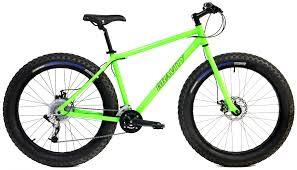
Top-Notch Wheels buys thousands of different brands of mountain bikes from The Great Colorado Mountain Bike Company and sells them to local bike shops. Top-Notch Wheels is an example of a(n)
agent
retailer
producer
wholesaler
When a wholesaler predicts market trends and buys ahead of demand they are _____________________________.
Acting as an intermediary
Warehousing
Taking on risks
When the wholesaler supply's goods and allow the retailer to pay at some later date this is called _____________________.
Acting as an intermediary
Breaking Bulk
Warehousing
Offering Credit
What 2 services does wholesalers offer to retailers.
Reduces transport cost.
Offers choice products from many producers.
Finishes goods by grading and packing.
Advises on latest trends and best buys

