
 Worksheets
Chemistry of Water/Ocean
Total questions: 73
Worksheet time: 25mins

The chemical formula of water is
HO
H2O
H3O
HO2
Water molecules are held together by which type of bond?
Ionic
Non-polar covalent
Hydrogen
Polar covalent

During a summer picnic, Grace, Scarlett, and Charlotte noticed a water strider skating along the top of the pond. They wondered why the water strider can skate on the water surface. What could be the reason?
It has a strong ionic bond.
Hydrogen bonds result in cohesion, which creates high surface tension.
Water striders have adapted to take advantage of water adhesion.
There is low surface tension of water.

Which end of the water molecule has a slightly positive charge?
The oxygen end
The hydrogen end
Both ends are slightly positive
Neither end is positive
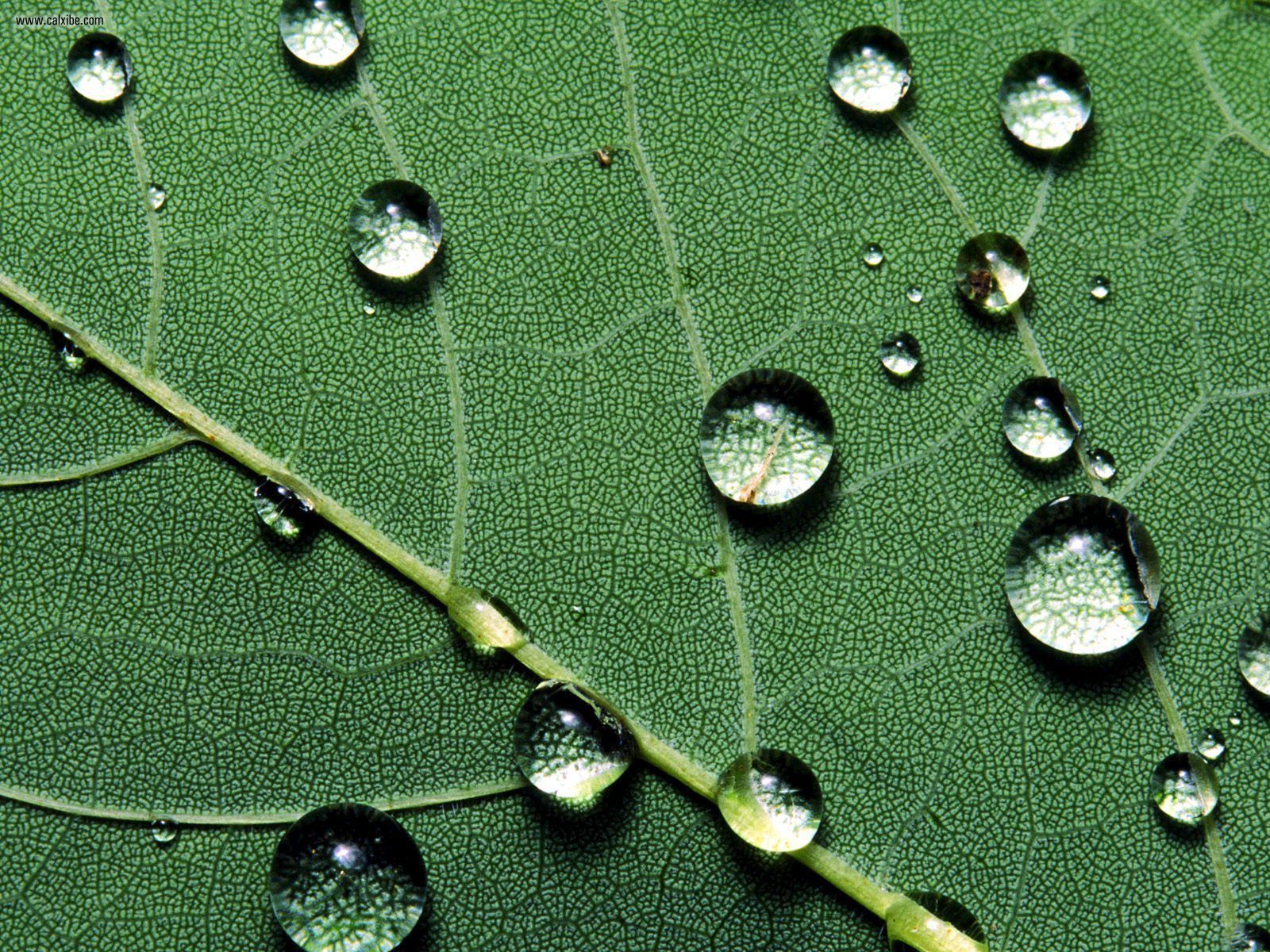
Refer to the picture of water sticking to a leaf. This is occurring because of:
Adhesion
Cohesion
Describe cohesion.
Water molecules are attracted to other substances.
Water molecules climb upwards against the force of gravity.
Water molecules dissolve many substances because of its polarity.
Water molecules are attracted to other water molecules.

What are the attractions between water molecules called?
Covalent bonds
Ionic bonds
Polar bonds
Hydrogen bonds

Which molecule has opposite electric charges at opposite ends?
Cohesion
Polar molecule
Hydrogen bond
Solution
During a science experiment, Mason poured water on a plastic surface and observed that the water spread out and stuck to the surface. Arjun, who was watching, asked, 'What does this phenomenon represent?' What would be the correct response from Olivia?
The ability of water to stick to itself
The ability of water to stick to other substances
The combined strength of cohesion of all water molecules
Tape, glue, and other adhesives

Evelyn conducted a science experiment in her school lab. She measured the pH of a solution and found it to be 3.6. This solution would be...
Acidic
Basic
Neutral
Both acidic and basic
What is the range of the pH scale?
0-10
2-15
1-5
0-14

Bleach is a strong base. What is the pH level of bleach?
13
9
1
6
What does high specific heat mean?
It heats up quickly when energy is added.
It requires more energy to change its temperature.
What is the term for the amount of dissolved salts in a sample of ocean water?
Salt
Salty water
Salinity
Calcium
Select two reasons why salinity can increase.
Evaporation occurs, causing water to change into water vapor and leaving salt behind.
Freshwater is added to the ocean at the mouths of large rivers.
Freshwater is added by rain, snow, and melting ice.
Surface water freezes into ice, leaving salt behind.
Select two reasons as to why salinity can decrease.
Evaporation occurs because water changes into water vapor, leaving salt behind.
Freshwater is added to the ocean at the mouths of large rivers.
Freshwater is added by rain, snow, and melting ice.
Surface water freezes into ice, leaving salt behind.
How does salt affect ocean water?
It lowers the freezing point.
It raises the freezing point.
It increases the density, giving ocean water greater buoyancy.
It decreases the density, giving ocean water lower buoyancy.
Near the equator, the water is:
cold
warm
Near the poles, is the water:
Cold
Warm
Does the temperature increase or decrease as you go deeper into the ocean?
Decrease
Increase
What two factors increase as you go deeper into the ocean?
Density
Amount of light
Pressure
Bubbles
Which of the following areas in an ocean is likely to have the lowest salinity?
A warm tropical gulf
The cold Arctic Ocean
Where a large freshwater river empties into the ocean
The Pacific Ocean
As oceans become deeper, the water pressure _________________.
increases
decreases
stays the same
What does salinity refer to?
The level of any salt in water
The amount of dissolved salt in water
Salty water
Ions entering seawater
How does salinity change with ocean depth?
Deeper water has lower salinity.
Surface water has the highest salinity.
Deep water has the highest salinity.
Increased carbon dioxide in the oceans causes...
Animals to overproduce shells
Sea creatures to release too much oxygen
A decrease in shell production for sea creatures
What do carbon dioxide and seawater combine to form?
Calcium carbonate
Carbon monoxide
Carbonic acid
What do marine organisms use to make their shells, in addition to calcium?
Chloride
Carbonate
Nothing else
Chlorine
Nora, a marine biologist, noticed that even very slight increases in the acidity of seawater in her experiment __________ the marine organisms that make shells.
do not bother
have no effect on
are unhealthy and stress
Ocean water contains dissolved _____________, measured as salinity.
minerals
sediments
salines
salt

Is the salt in your salt shaker the same as the salt in the ocean?
True
False

Where is the majority of Earth's water located?
Salty oceans
Freshwater lakes
Freshwater ponds
Glaciers
What is the scientific name for salt?
Sodium Acetate
Sodium Chloride
Chloride Sodium
Hydroxide Sulfate
Which gas is decreasing the ocean's pH?
Oxygen
Nitrogen
Carbon Dioxide
Water Vapor
Which organisms are most affected by ocean acidification?
Any organism that swims in the ocean.
Benthic invertebrates that are attached to the ocean floor.
Organisms at the top of the food chain.
Organisms that produce shells.
Ocean acidification means the pH of ocean water is ___.
increasing
decreasing
remaining the same

Is NaCl (Sodium chloride) the only type of salt in the ocean?
True
False

Oxygen (O2), Carbon dioxide (CO2), and Nitrogen (N2) are all _________________________ that are important to marine life.
ions
dissolved gases
elements
carbon compounds

Sodium ions and chloride ions account for about ____________ of ions in seawater.
55%
65%
75%
85%

Chloride ions make up 55.03% of the amount of salt present in the ocean. This is an example of:
Theory of evolution by natural selection
Laws of motion
Rule of constant proportions
Cell theory

Carbon dioxide (CO2) enters the ocean from the ____________.
atmosphere
photosynthesis of aquatic plants and algae
melting of sea ice
freezing of seawater

Carbon dioxide (CO2) is also produced in the ocean by:
Photosynthesis of marine plants
Cellular respiration of marine organisms
Freezing of sea water
Increased alkalinity

The density of seawater is affected by which two factors?
Clarity and color
Hydrogen ions and dissolved oxygen
Transparency and turbidity
Temperature and salinity

Samuel, Benjamin, and Daniel went on a scuba diving trip. They noticed that one color of light disappeared first as they descended. Which color of light is absorbed closest to the ocean surface and is not visible below 10 meters?
Blue
Red
Green
Yellow

Ocean acidification occurs when too much __________ enters the ocean from the atmosphere.
Calcium carbonate
Carbon dioxide
Sulfur dioxide
Nitrogen gas

What is the source of anthropogenic carbon dioxide (CO2)?
Volcanoes
Hydrothermal vents
Sedimentation
Burning of fossil fuels

Carbon dioxide diffuses into the ocean and combines with water (H2O) to form carbonic acid (H2CO3). This ultimately breaks down and releases _________________________, causing the water to become more acidic.
sodium chloride
calcium carbonate
hydrogen ions
chlorophyll

As a result of __________________________, there is not enough calcium carbonate available, which is needed by corals, crustaceans, and mollusks (such as snails).
Chemosynthesis
Photosynthesis
Ocean Acidification
Cellular Respiration

Corals, mollusks, and crustaceans need what to make their skeletons, shells, and structures?
Calcium carbonate
Sodium chloride
Carbon dioxide
Nitrogen gas
Where do most of the ocean salts come from?
Rainfall
Decaying organisms
Hydrothermal vents
Lakes
Which of these processes causes salinity to increase?
Precipitation
Ice melt
evaporation
Deep water formation
Which process causes salinity to decrease
weathering of rocks
Ice melting
evaporation
ice formation
How does salinity change with ocean depth?
deeper water has lower salinity
surface water has the highest salinity
deep water has the highest salinity
What major gas/gases are absorbed by the ocean?
oxygen and nitrogen
carbon dioxide and hydrogen
hydrogen and oxygen
carbon dioxide
Which water floats above the other?
Fresh over salty
Salty over fresh
Cold over hot
Which water floats above the other?
Salty over fresh
Cold over hot
Hot over cold

Which will heat up slower?
water
lead
granite
iron
Which of the following best explains why the sand at the beach is hotter than the water?
Sand has a higher specific heat than water.
Sand has a lower specific heat than water.
There is more water than sand at the beach.
There is more sand than water at the beach.
Is the surface temperature of the oceans?
Hotter
colder
What is the average salinity of the ocean?
3 parts per thousand
3.5 percent
35 percent
35 parts per thousand
Most organisms in the deeper ocean zones are red in coloration. How might this adaptation be beneficial and why?
Red light travels the furthest so other animals can see them
Red light can travel to only 50m down which lets them blend into the corals
Red light travels only down to 10m so the fish appears dark and is camouflaged
It doesn't matter because fish are colorblind
What property of water allows for water to act as a temperature regulator for the world?
Cohesive Behavior
Expansion Upon Freezing
High Specific Heat
Universal Solvent
Diffusion is:
Carbon dioxide from the atmosphere dissolving into the ocean
animals releasing carbon dioxide into the seawater
the deposition of carbon dioxide into the sediment
the transferring of carbon dioxide from the atmosphere to the sediment
Freshwater accounts for what percentage of the total water on Earth?
10%
5%
3%
15%

