
Font size
 Worksheets
Geographic Thought
Total questions: 52
Worksheet time: 36mins
The first section will focus on the tenth chapter of Couper's book.
Most of these questions will review terms from previous weeks. :)

From a positivist perspective, what fields comprise the fundamental foundation for knowledge?
Geography and its subfields
Physics and mathematics
History and regional studies
Philosophy and the humanities
From a critical rationalism mindset, what is the difference between science and non-science?
Science can be proven wrong
Non-science can be proven wrong
Critical rationalism does not differentiate between the two
Which of these is part of the three-stage approach for research recommended by complexity theorist Per Bak?
Describing and modelling a phenomenon of interest
Analyzing the model to identify its implications (and potential hypotheses)
Assessing the hypotheses against empirical evidence
All of these

What forms of research are more 'centre stage' in phenomenology and post-phenomenological theories?
Quantitative modelling
Descriptive quantification
Hypothesis-testing
Qualitative and ethnographic
Which of these is a common process for Marxist and critical realist research?
Neo-liberal analysis
Post-structuralist analysis
Abstraction
Hyperrealism

The next set of questions is derived from the paper by Brooks.
Which of these is an essential part of being a researcher according to Brooks?
Understanding the research process
Identifying a research topic
Identifying the resources required to conduct research
All of these
Select all that apply | Which of these are Brooks' distinct groups of researchers that study geography education?
Those who research as practicing teachers (often at the Master's level)
Those whose research is part of their work as an academic (ex: professors)
Those who research for governmental functions (ex: municipal workers)
All of these
What sort of students have traditionally dominated Master's-level coursework in England?
Recent graduates
Members of the Armed Forces
Geography teachers
None of these
Select all that apply | How does Brooks suggest finding researchers in geography education?
Examining publications
Surveying current academic programmes
Networking at conferences
None of these
Select all that apply | Which of these does Brooks think are the primary reasons that geography teachers undertake research?
To discern what they know
To contribute to their practice as a teacher
To support academic undertakings
To challenge leading theory in the field
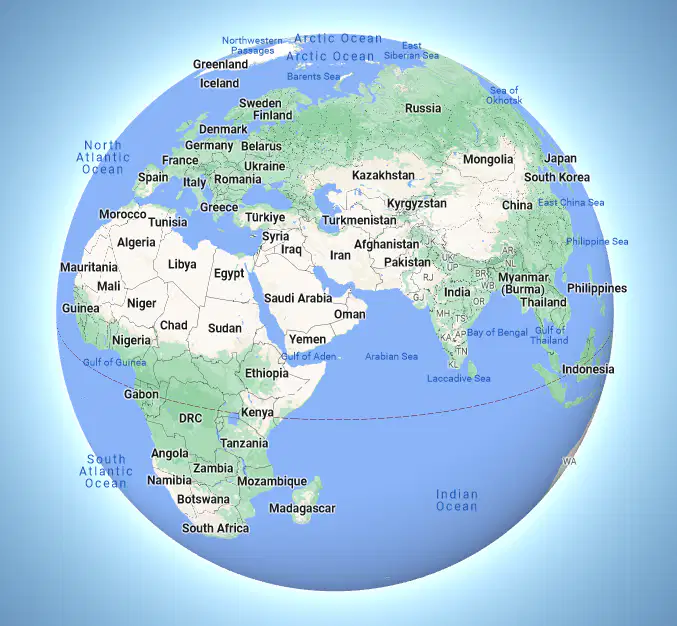
The next questions are to test your knowledge of countries and capital cities :)
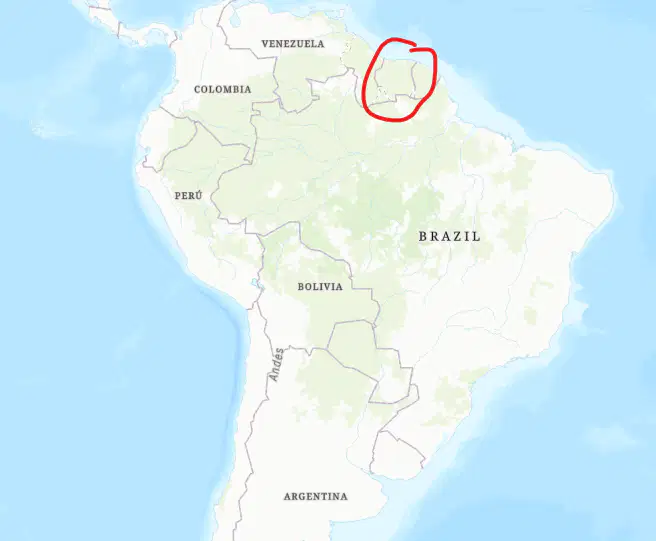
Which country is this?
Guyana
Suriname
French Guiana
None of these
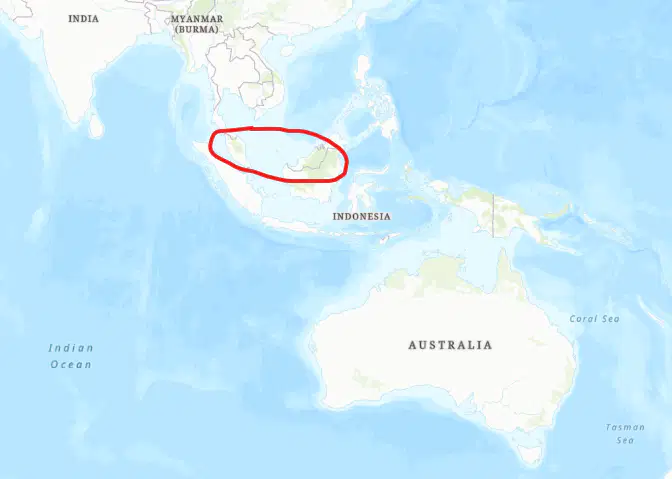
What country is this?
Indonesia
Malaysia
Philippines
Papua New Guinea
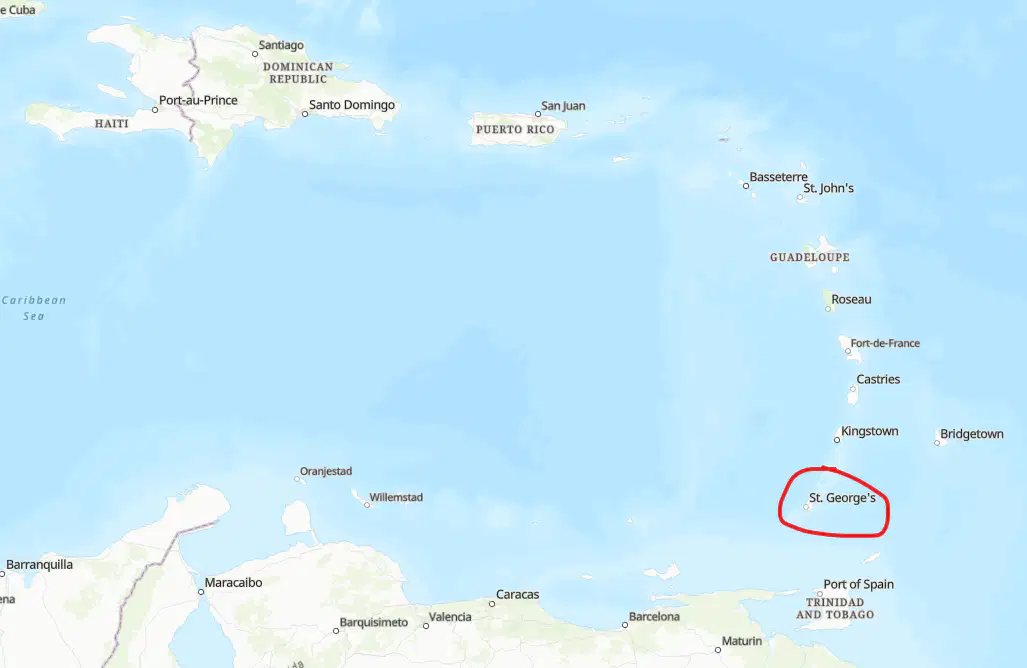
What country is this?
Grenada
Saint Lucia
Martinique
Guadeloupe

Which of these countries borders Nigeria?
Congo
The Democratic Republic of the Congo
Burkina Faso
Benin
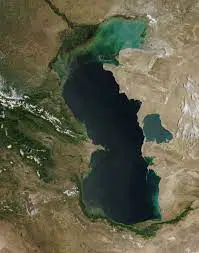
Which body of water does Azerbaijan have as its western border?
Black Sea
Caspian Sea
Sea of Azov
Lake Balkhash
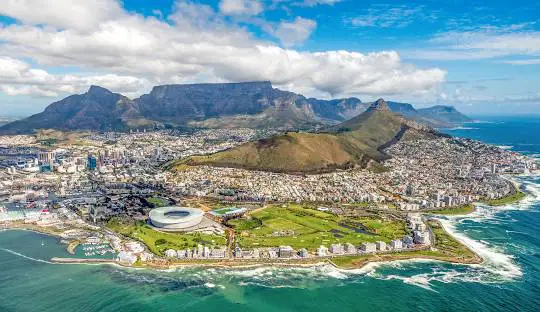
What country is completely encompassed by South Africa?
Eswatini
Botswana
Lesotho
Johannesburg
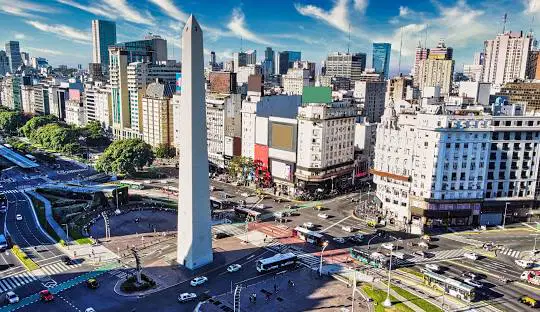
Which capital city is closest to Uruguay?
Brasilia, Brazil
Asunción, Paraguay
Santiago, Chile
Buenos Aires, Argentina

What is the name of this island?
(a)
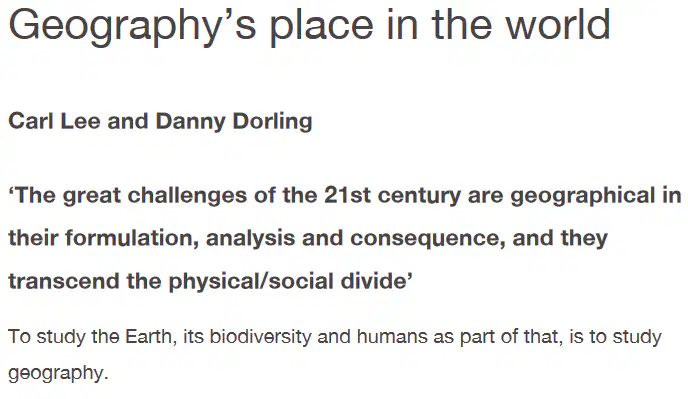
The next section is based on this piece by Lee and Dorling
Select all that apply | How do Lee and Dorling describe the great challenges of the 21st century? :)
They are geographical in their consequence
They transcend the physical divide
They transcend the social divide
They are geographical in their formulation
None of these
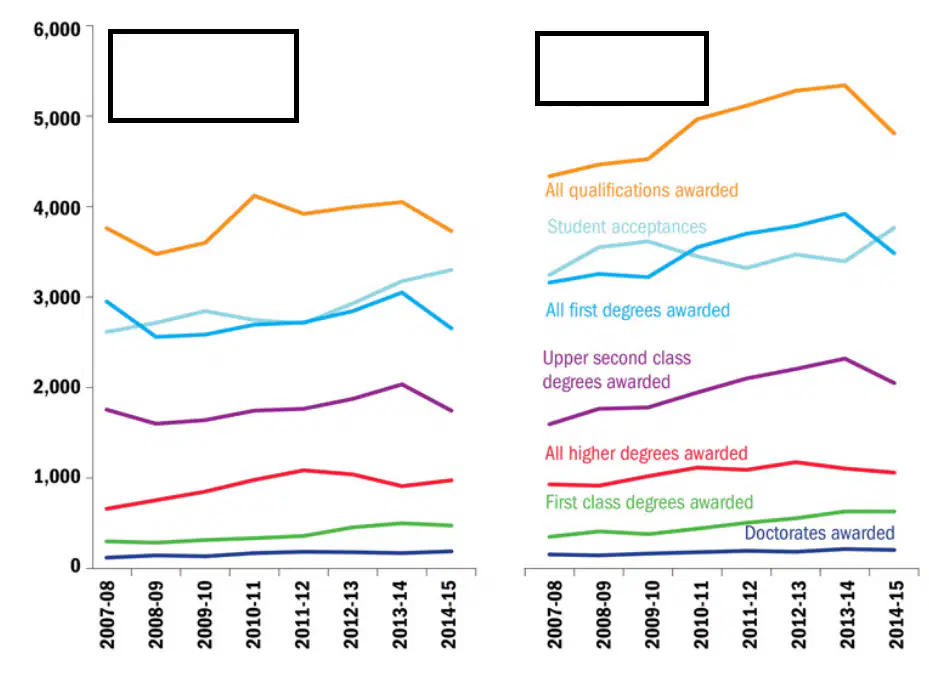
What trend is shown on the left side of this figure?
UK student trends in human geography
UK student trends in physical geography
UK student trends in medical geography
UK student trends outside of geography
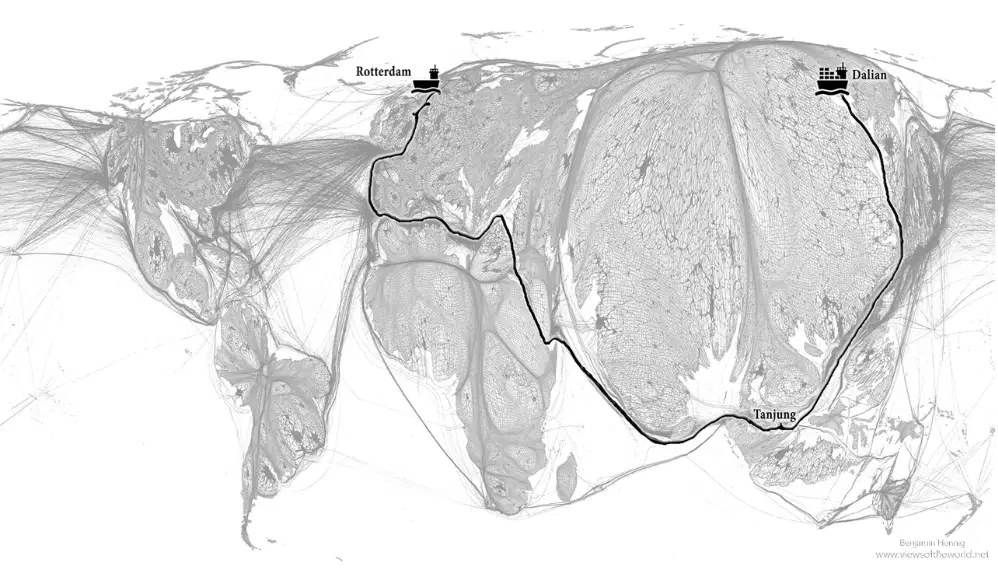
Select all that apply | What does this hideous figure show?
COVID-19 transmission routes
Emission rates adjusted for total population
Trade routes
Submarine cables
Biodiversity loss
What three things sit at the heart of 12st-century geography?
Industrialization, biodiversity, and equity
Globalization, sustainability, and equality
Activism, policy, and advocacy
Globalisation, sustainability and climate change
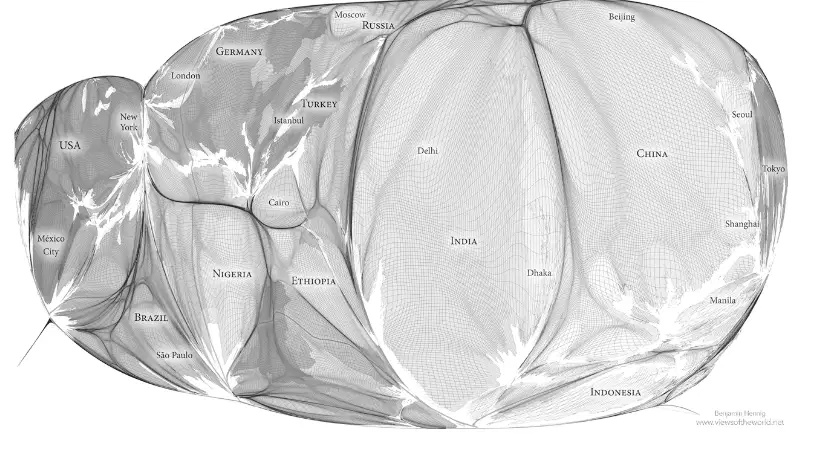
What is this map displaying?
Population
Inequality per capita
Militarization
GDP Increases across the last 20 years
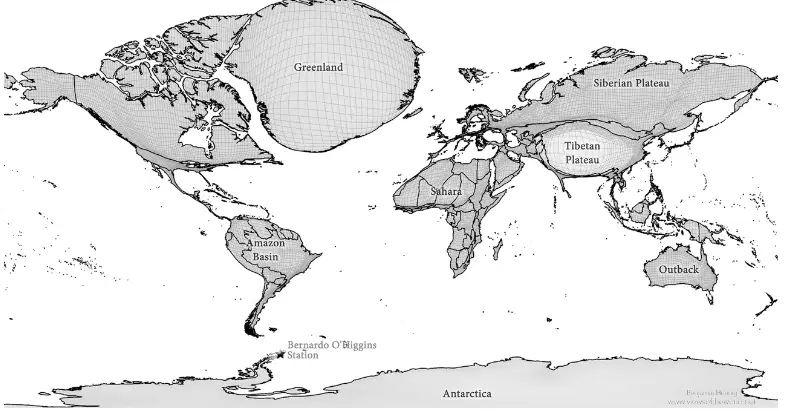
What does this map portray?
World inequality adjusting for GDP per capita
World biodiversity adjusting for population
World inequality adjusting for population
World wilderness adjusting for population

This section is going to focus on the Ferretti reading.
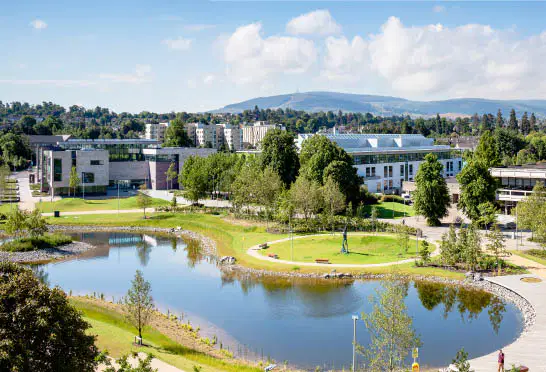
Where is the author of this paper from?
Imperial College London
The University of Edinburgh
University College Dublin
The University of Glasgow
What is a benefit of biographies and autobiographies for geography?
They often elaborate on topics not covered in scholarly work
They give agency and elucidate the roles of individual "agents"
They allow free speculation and subjective perspectives
All of these
Which country was discussed in this paper as a location of special interest for critical and decolonial geographies?
Argentina
India
Mexico
Japan
Ferretti discussed several specific traditions of regional geography. What third regional geography did Ferretti discuss as a historically peripheral tradition of geographic research?
Italian geography
South African geography
Australian geography
American geography
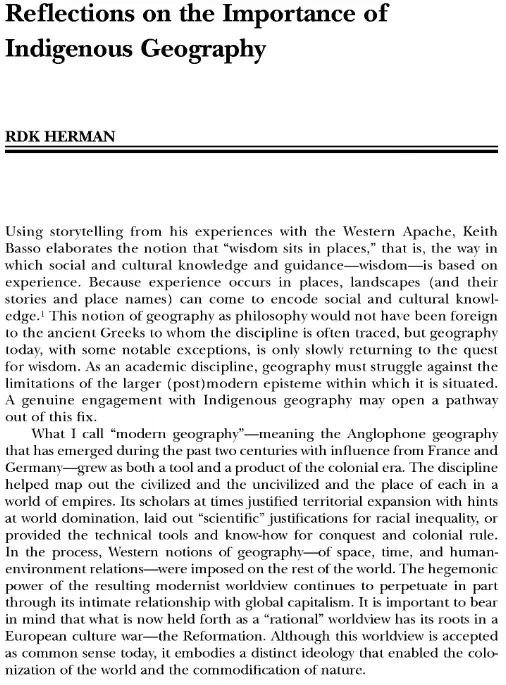
This section examines the paper by Herman which focuses on Indigenous Geography.
What does Gregory Cajete argue 'Native' science is all about?
Mutual reciprocity with the natural world
"Magical" and non-Western explanations for phenomena
Structural approaches to knowledge
Subjective epistemologies
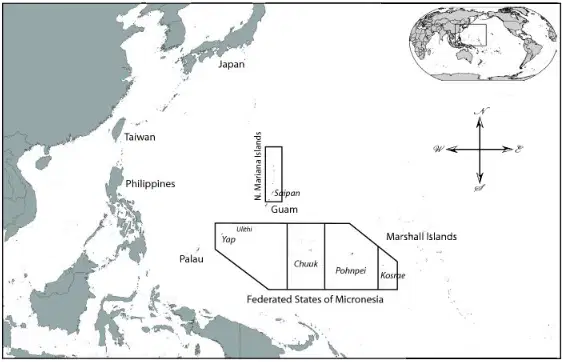
What do these islands have in common?
They were invaded by the British Empire
They are common subjects of Marxist discourse
They were American colonies following World War II
They have remained relatively untouched by colonization
How has the colonization of the Pacific Islands differed from the colonization of Indian reservations in the US?
The islands largely maintained higher levels of sovereignty
They were left culturally unaffected by colonialism
The US did not enforce new economic and capitalistic requirements
The next questions are based on the actual "doing" of geography. Most of them are focused on geographical methods.
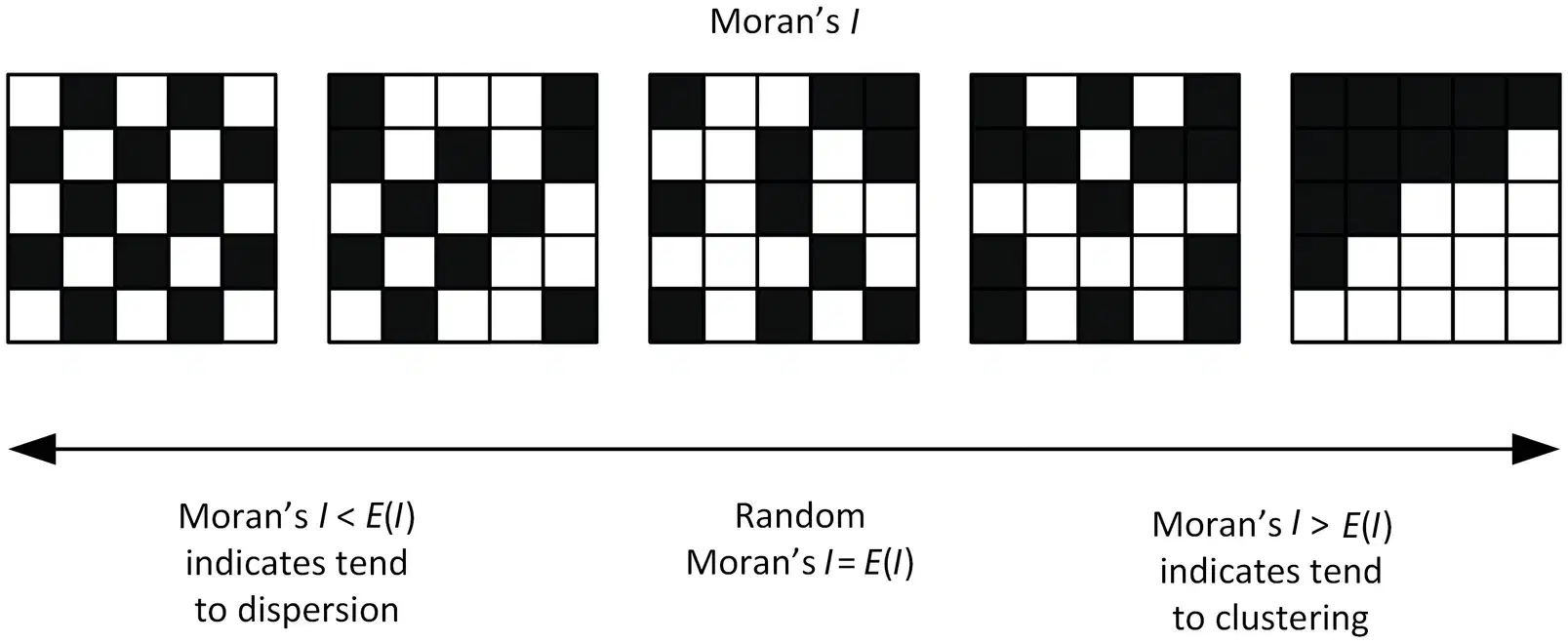
What does Global Moran's I assess?
Global spatial autocorrelation
Local clustering and dispersion

Select all that apply: What problems does this model have? Use an alpha level of 5%.
Heteroskedastic residuals
Spatial dependence of residuals
Collinearity of predictors
Statistically insignificant outcome/predictor relationship
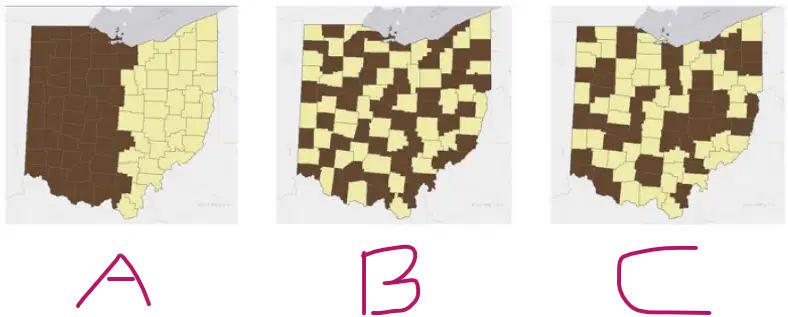
Which of these displays negative spatial autocorrelation?
A
B
C
None of these
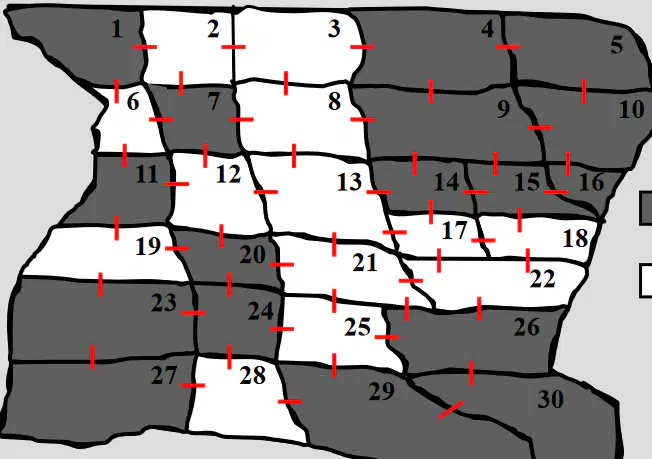
What sort of contiguity case is displayed by the red dashes?
Rook's Case
Queen's Case
Bishop's Case
Distance Case
The next section is built around maps that matter to us :)
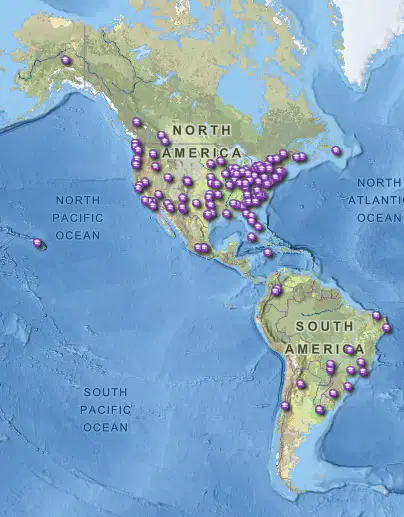
What do all of these schools have in common?
Employ UF Geography Graduates
Currently collaborate with UF Geography
Schools where UF Geography students have come from
Geography PhD Programmes
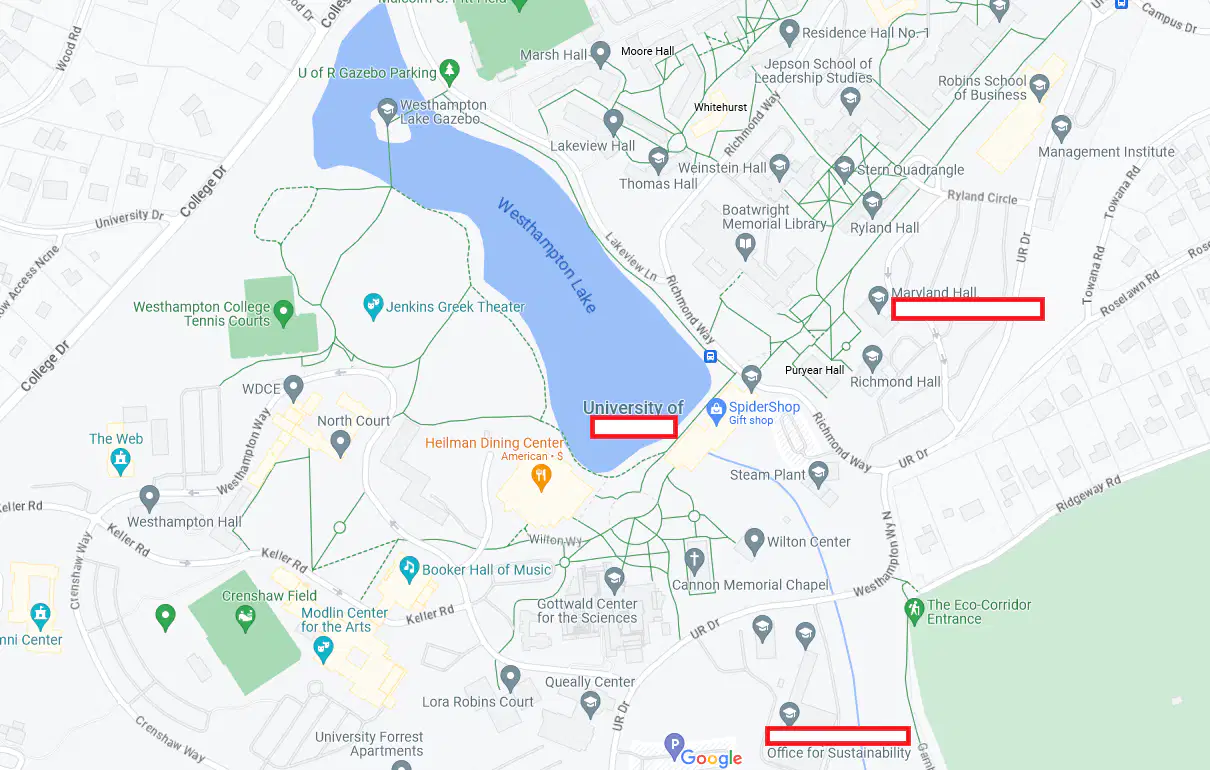
What is this University?
University of Richmond
New Mexico State University
Florida State University
University of Michigan

What do these maps of Nepal display?
COVID-19 presence and site use probability
Dengue presence and site use probability
Sloth bear presence and site use probability
Simrik's presence and site use probability
Grey langur presence and site use probability
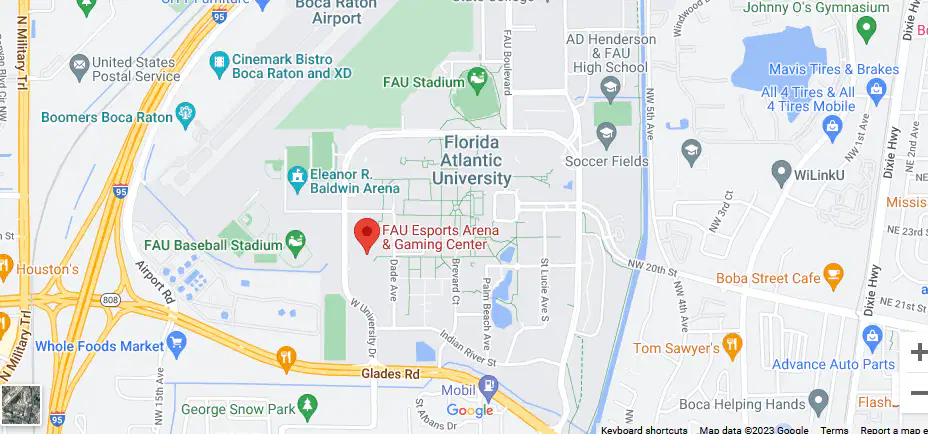
Which graduate student indicated they were interested in a Billiards Tournament at this location in August of 2021?
Briar
Sami
Mason
Donal
Ian
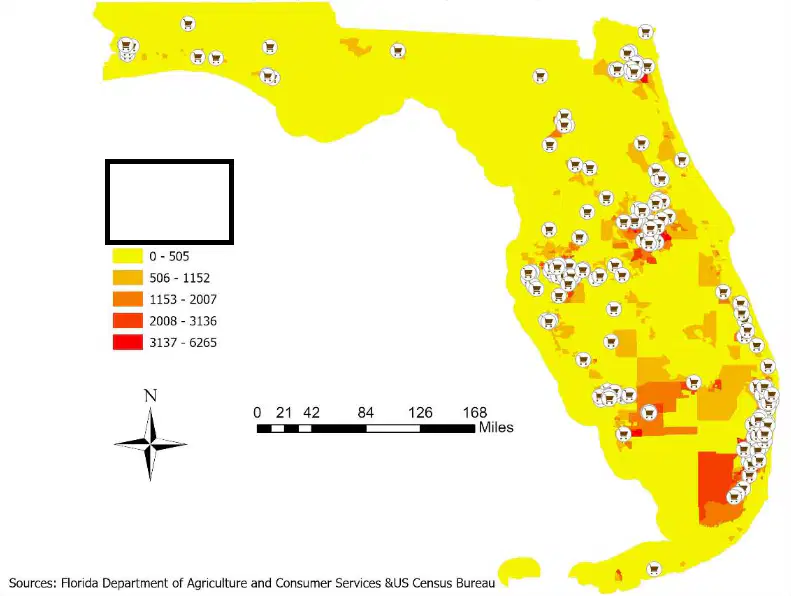
What does this map display?
Locally owned grocery stores and GDP per capita (USD)
Ethnic grocery stores and immigrant population statistics
Food pantries and emigration rates
Chain grocery stores and GDP per capita (USD)
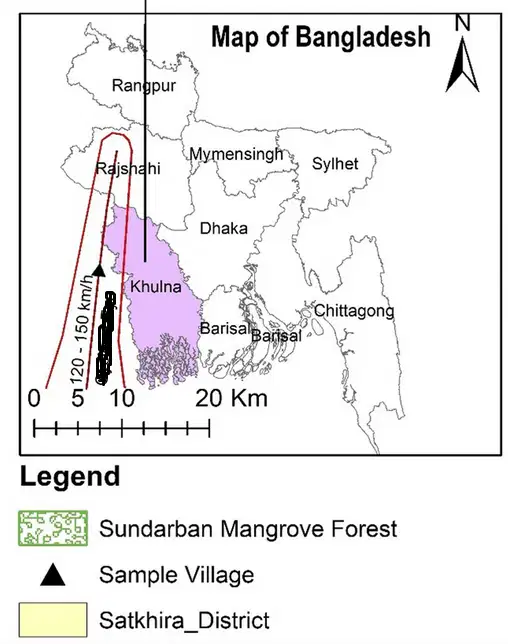
What does this map display?
Trade movements and their impact on specific regions of Bangladesh
The incursion of a cyclone in Bangladesh
Movements of COVID-19 into Bangladesh through Khulna
The most direct impacts of El Niño on Bangladesh
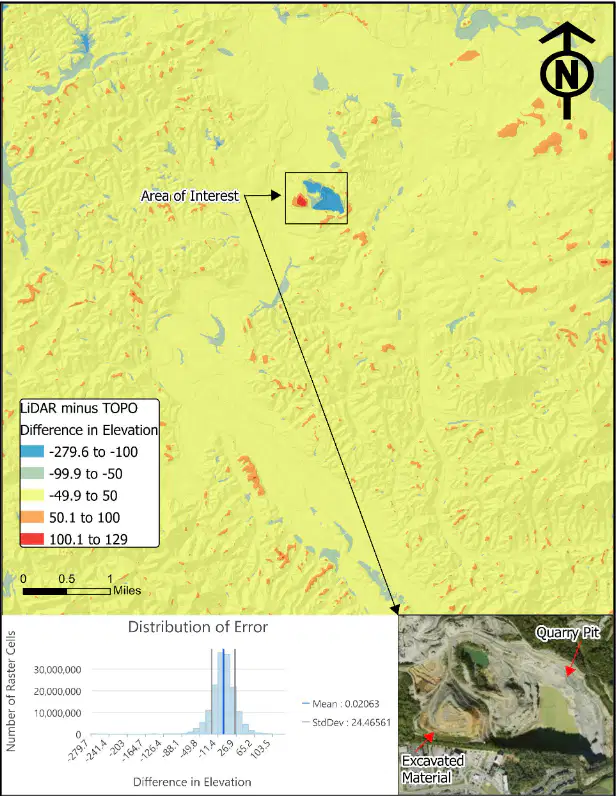
Where is this map from Briar's research looking at?
An archeological dig in Kentucky
Natural rock formations in the Rocky Mountains
A former battlefield in upstate New York
A quarry pit in Tennessee
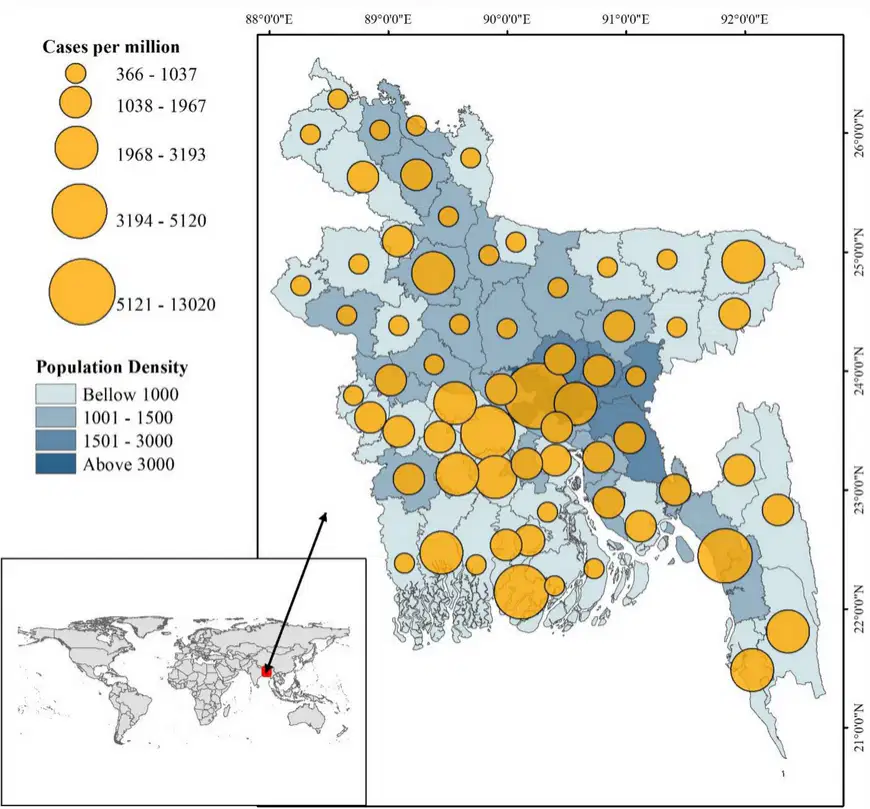
What disease is this map from Sami's research focused on?
Dengue
Cholera
Malaria
COVID-19
Influenza
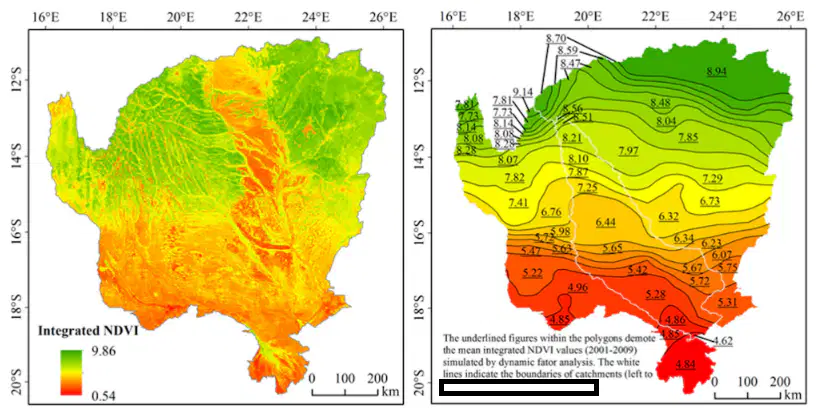
Whose research is this NDVI map from?
Ian Pshea-Smith
Sadie Ryan
Jane Southworth
Katie Anderson
Cynthia Simmons

