
 Worksheets
2024 Exam Prep Quiz
Total questions: 95
Worksheet time: 2hrs 32mins

How many electorates are represented in the Australian Federal House of Representatives?
150
151
152
3124

Which of the following are common Left Wing Political Values
(More than 2 correct answers)
Wealth/Property should be shared equally between all people.
Laws about things like marriage, religion, wealth & property should be based on what is fair/logical.
The highest goal of government is to prevent people from suffering due to lack of food, water, shelter, education.
Wealth/Property belongs to those who have worked to earn it.
Citizenship of the nation should be open to anyone who wants it no matter what.
Which of the following are common RIGHT Wing Political Values
(More than 2 correct answers)
Conservative attitudes towards new ideas and a strong love of the traditional way of doing things.
Laws about things like marriage, religion, wealth & property should be based on tradition.
The highest goal of government is to prevent people from being unfairly abused by unfair laws.
Wealth/Property should be shared equally between all people.
Citizenship of the nation should be open to anyone who wants it no matter what.
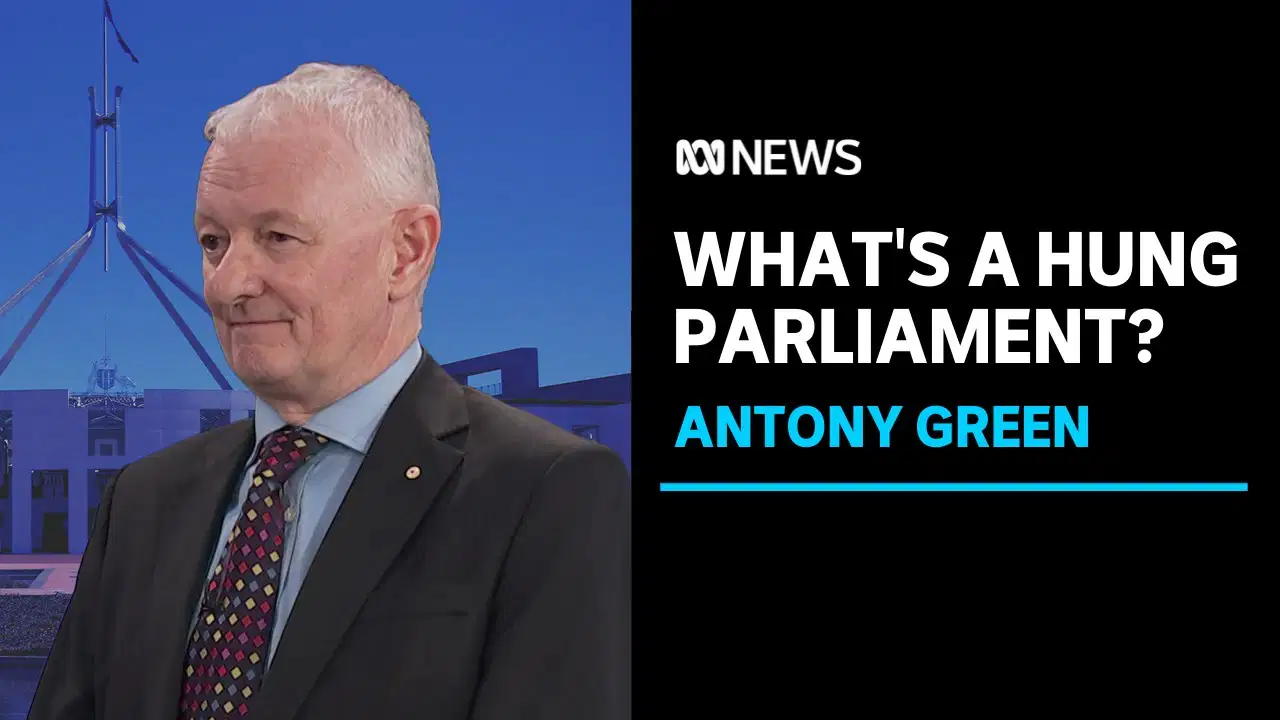
Which of the following best describes a Hung Parliament?
A Hung Parliament is one in which no political party or coalition has a majority of seats in the Lower House of Federal Parliament.
A situation where one political party or coalition has control of more than half the seats in the Upper House of Federal Parliament.
A Hung Parliament is one in which no political party or coalition has a majority of seats in the Upper House of Federal Parliament.
A situation where one political party or coalition has control of more than half the seats in the Lower House of Federal Parliament.
Who is Australia's current Prime Minister?
Anthony Albanese
Scott Morrison
Kevin Rudd
Julia Gillard

What role did Scott Morrison play in the 2019 Australian Federal Election?
Scott Morrison was the Prime Minister.
Scott Morrison was the Governor General of Australia.
Scott Morrison was the Leader of the Opposition.
Scott Morrison was the Minister of War.
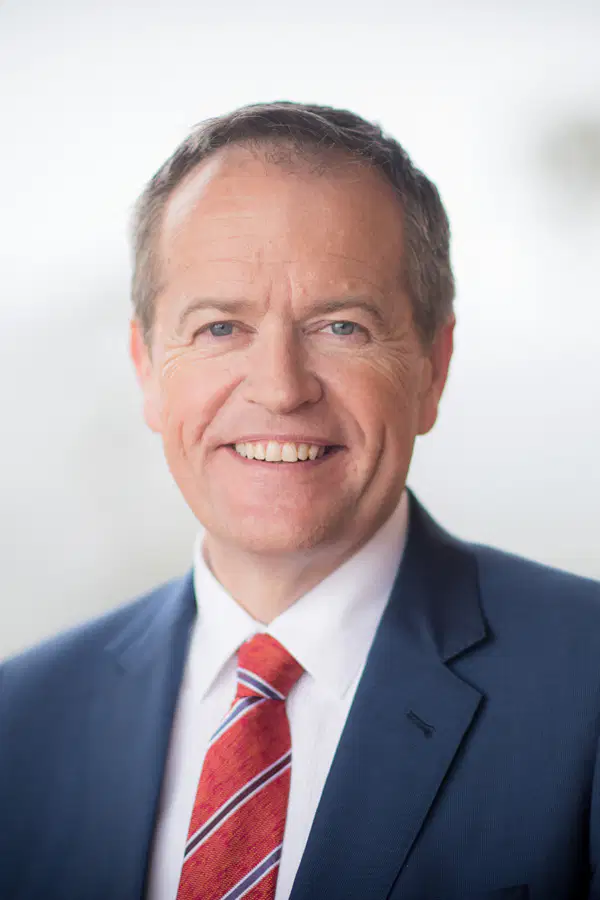
What role did Bill Shorten play in the 2019 Australian Federal Election?
Bill Shorten was the Prime Minister.
Bill Shorten was the Governor General of Australia.
Bill Shorten was the Leader of the Opposition.
Bill Shorten was the Minister of Cups.
What is the role of Parliament?
Forming a government
To represent the people of Australia.
To make, amend and enforce laws.
All of these options.
What is the lower house in Australia's Parliament called?
The Senate
The lower house of parliament
The House of Representatives
The local house

In Australia, we have the right to a trial by jury?
True
False


the House of Representatives.
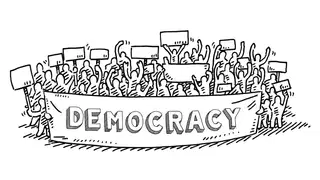
What do we call a form of government in which people determine how they will be governed?
Senate
Parliament
Westminster system
Democracy

The upper house of Australia's Parliament recognised by its red seats is called the?
The Senate
The Privy Chamber
The House of Representatives
The Triclinium
Who formed the National Australian Government after the 2019 Federal Election?
The Liberal Party
The Labor Party
The Greens Party
The Liberal/National Coalition

What is the voting system used for the House of Representatives?
Proportional Voting System
Preferential Voting System
First-Past-The-Post Voting System
Ranked Choice Voting System

How often are elections held for the House of Representatives?
Every 2 years
Every 3 years
Every 4 years
Every 5 years
Which voting system is used for the Senate?
Proportional Voting System
Preferential Voting System
First-Past-The-Post Voting System
Ranked Choice Voting System

How long do Senators hold their positions?
2 years
4 years
6 years
8 years
What is the difference between parliament and government?
Parliament refers to the House of Representatives and the Senate, while government refers to the party or coalition with a majority of seats in the House of Representatives.
Parliament refers to the House of Representatives, while government refers to the Senate
Parliament refers to the Senate, while government refers to the House of Representatives.
Parliament and government are interchangeable terms.

A Democracy
A Theocracy
A Dictatorship
A Monarchy
What are some factors that could influence which political party a citizen decides to vote for?
Public Debate, Media, Opinion Polls, and Advertising
Previous work experience with the Australian Electoral Commission.
Parliamentary Debates, Chat GPT and previous experience with deck creation.
Time spent in line on voting day and the general quality of sausages on sale afterwards.

Which of the following was one of the reasons that the results of the 2019 election were so surprising to many Australians?
Almost all opinion polls showed that Scott Morrison was less popular than Bill Shorten.
Most online news sources encouraged people to vote for Scott Morrison.
Bill Shorten's Death tax was widely popular and so many were shocked that it did not encourage more Australians to vote for Labor.
Bob Katter's Australia Party was expected to win the 2019 election so the final outcome shocked many.

Which of the following best defines a Biome?
The surroundings or conditions in which a person, animal, or plant lives or operates.
A large area of the Earth that is home to similar plants and animals which are adapted to the environment where they live.
The regions of the surface and atmosphere of the earth or another planet occupied by living organisms.
A thick, flat, savoury cake with a soft, porous texture, made from a yeast mixture cooked on a griddle and eaten toasted and buttered.

Which one of the following describes an Aquatic Biome?
Those biomes found on land
Those biomes found in water.
Those biomes found in the air.

Which one of the following describes a Terrestrial Biome?
Those biomes found on land.
Those biomes found in water.
Those biomes found in the air.
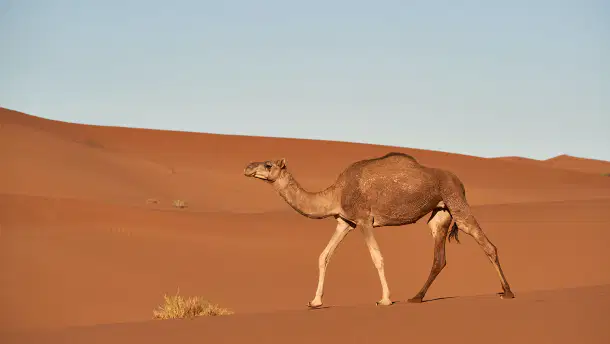
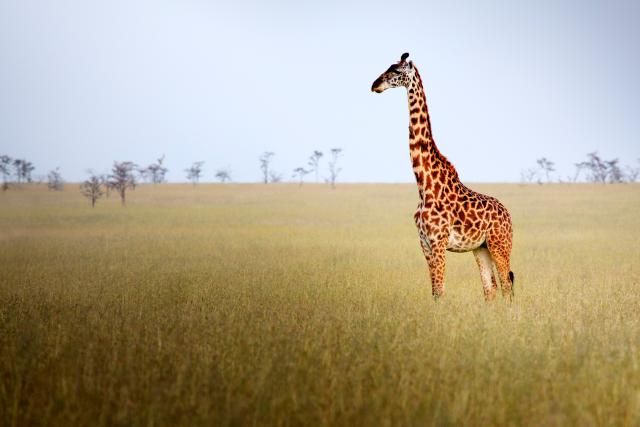
Based on what we have covered in class, what type of biome do you think is shown in this picture?
Desert Biome
Grassland Biome
Tundra Biome
Marine Biome

Based on what we have covered in class, what type of biome do you think is shown in this picture?
Forest Biome
Mountain Vegetation Biome
Polar Land Biome
Tundra Biome

Based on what we have covered in class, what type of biome do you think is shown in this picture?
Tundra Biome
Forest Biome
Mountain Vegetation Biome
Grassland Biome
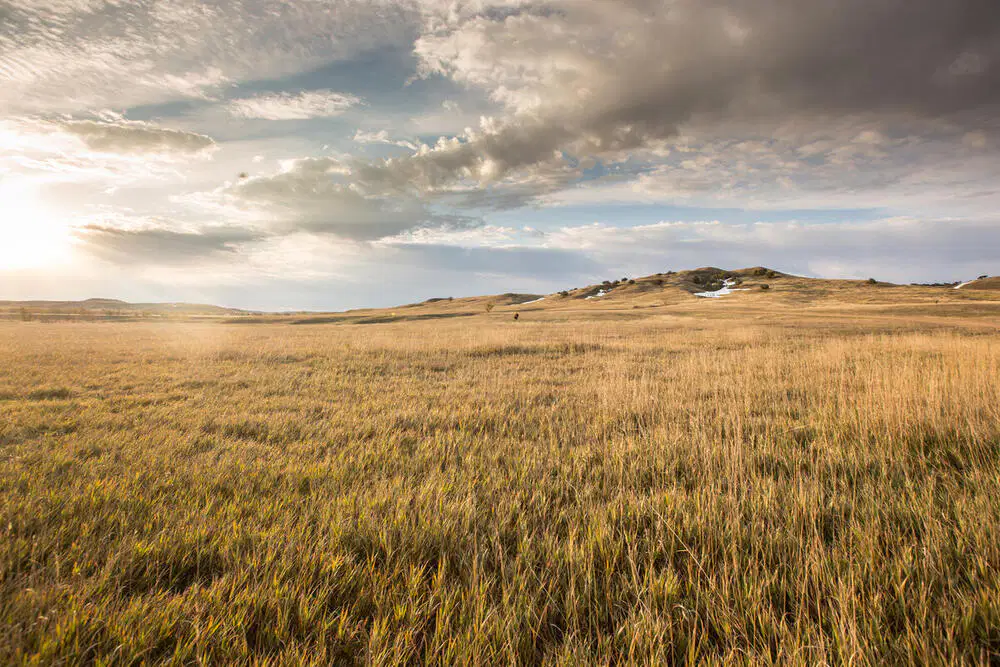
Based on what we have covered in class, what type of biome do you think is shown in this picture?
Tundra Biome
Grasslands Biome
Mountain Vegetation Biome
Freshwater Biome

What is the biggest cause of deforestation?
Logging
Natural Wildfires
Cutting down trees for firewood
Agriculture/Farming

Food security is best describe as?
More than 50% of the population having access to food
100% of the population having access to food 50% of the time.
All people at all times having access to healthy food.
food that is stored securely.

According to the map the continent with the least food security is?
Africa
North America
Australia
Asia

Which of the following best describes desertification?
Fulfilling the needs of current generations without compromising the needs of future generations, while protecting the environment.
A process where a region gradually becomes drier and loses its bodies of water, native vegetation and local wildlife until the land becomes a desert.
The process of deliberately modifying the changing the surface or ecology of a planet, moon, or other body.
The natural or intentional restocking of existing forests and woodlands (forestation) that have been degraded by industrial or argicultural use.

Which of the following are the climate factors that determine the types of plants that will grow in a biome?
Temperature, Rainfall, Altitude and Distance from the Equator
Temperature, Ability to hold/save water, Nutrients/Fertility & Nutrients/Minerals in the rock
Temperature, Anthropocene, Limitations and Naturalism
Temperature, Native vegetation, hibernation and Felicitations.

What term do we use to describe threats to food security caused by a lack of fresh water?
Water scarcity
Desalination
Industrial aquaculture
Grey water

What is one of the effects of climate change that directly impacts food security?
Rising sea levels
Increased biodiversity
Decreased global temperatures
Changes in levels of rainfall
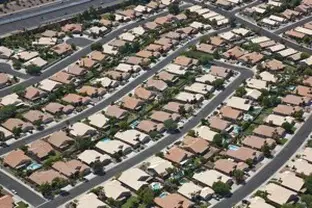
What is one of the competing uses for land around the world that threatens food security?
Reforestation projects
Conservation areas
Urbanisation
Agricultural expansion

What term is used to describe creating fuel from plants and what impact has it had on food security?
It's called 'Industrialisation' and it has improved food security.
It's called 'Deforestation' and it has decreased food security.
It's called 'Mineral Extraction' and it has improved food security.
It's called 'Biofuel' and it has decreased food security.
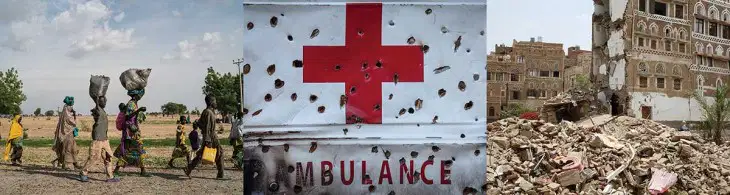
How can armed conflict affect food security?
It can increase food security by providing all citizens with humanitarian aid.
It can decrease food security because farmland is often used for military actions.
It can increase food security by promoting trade agreements between nations.
It can decrease food security by increasing food production.
How can the nations of the world manage the potential risk that climate poses to food security?
By promoting an increase in deforestation across the globe.
By implementing sustainable farming practices in all nations.
By increasing food imports to wealthy countries.
By reducing food consumption in nations with a low HDI.
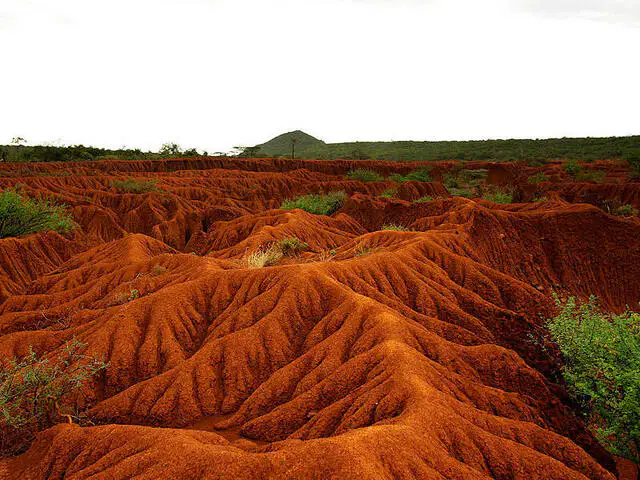
What is the main cause of food insecurity in regions experiencing long periods of low rainfall?
Deforestation
Desertification
Excessive irrigation
Overpopulation

The population of non-native field mice in Australia has grown so fast that they eat an average of $4 billion of wheat every year. Their fast growth is caused by:

Which of the following best describes Intensive Farming?
A kind of farming that can supply large volumes of produce in a relatively small area.
The artificial supply of water to dry land to help in the growing of crops.
The growing of food in ways that uses the natural systems and resources of plants and animals to sustain itself, without harming the environment.
A system of farming that uses modern technology to analyse the environment to bring out better economic and environmental outcomes.

Which of the following best Irrigation?
A process where scientists can change the genes of plants and animals to give them desirable traits.
The artificial supply of water to dry land to help in the growing of crops.
The growing of food in ways that uses the natural systems and resources of plants and animals to sustain itself, without harming the environment.
A system of farming that uses modern technology to analyse the environment to bring out better economic and environmental outcomes.
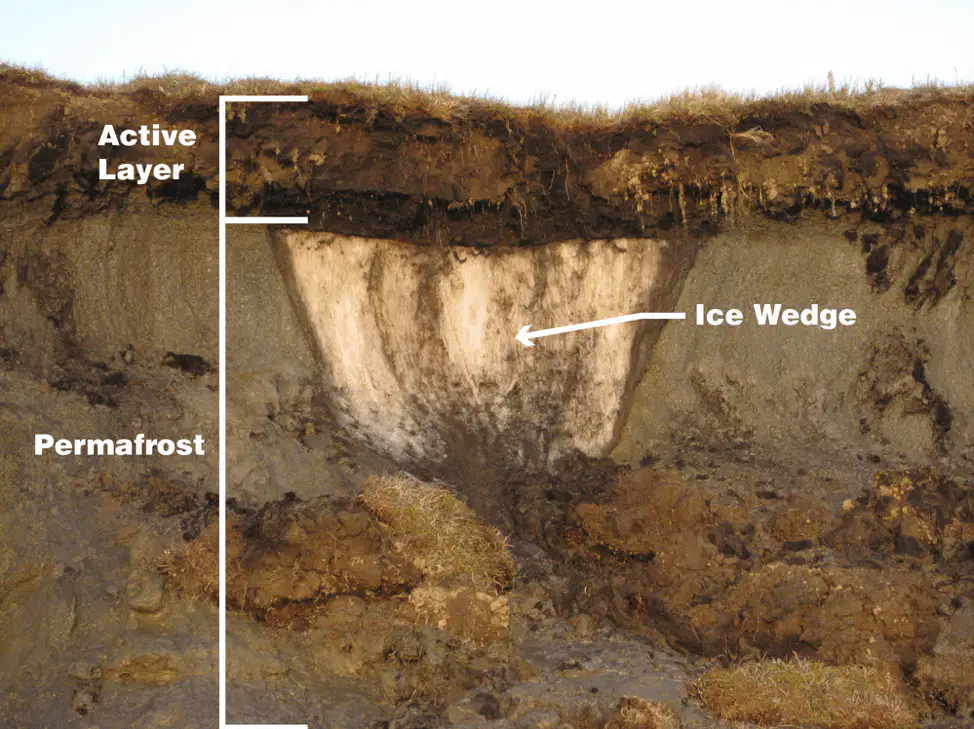

Which of the following are human driven causes of Food Shortages/Famine.
(MORE THAN 2 ANSWERS)
Increasing population when supply cannot keep up with demand.
Climate Change causing temperatures that are too hot or too cool which can kill crops and animals.
Over-cultivating and over-grazing of agricultural land causing soil degradation.
Deforestation, leading soil damage.
Natural disasters like volcanoes burning food supplies.
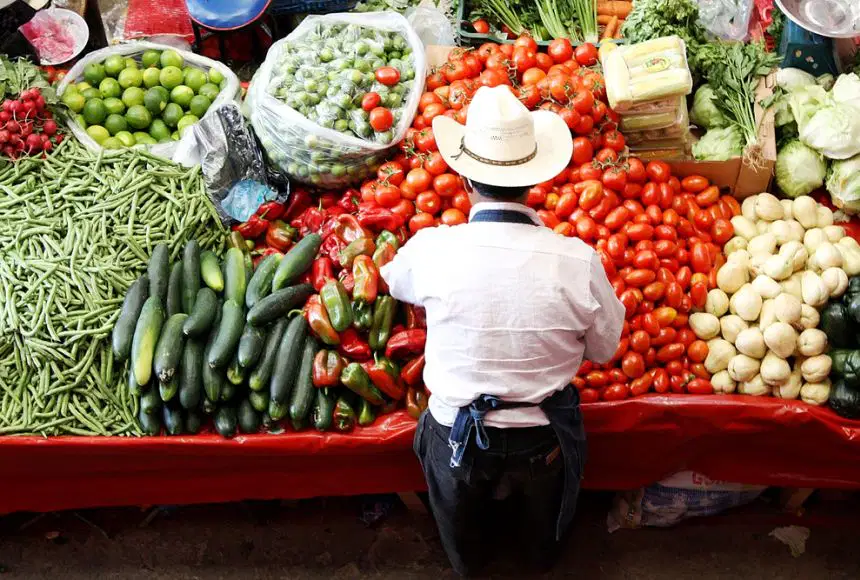
Which of the following best describes the term 'Food Accessibility'?
The state of people having enough food of appropriate quality consistently available
A plant, animal or other organism that is not native to an area, and whose introduction has negative effects on it.
Having physical and economic access to enough food that can be reached by those who need it.
Dense forest areas found in tropical areas with warm temperatures and heavy rainfall.
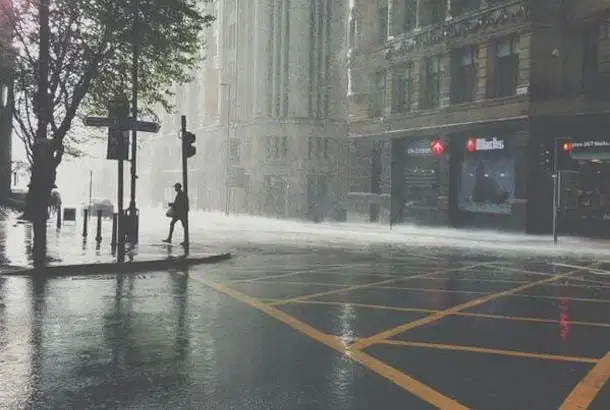
Which answer do you think best explains why most large human cities are located in Biomes with regular rainfall?
Regular rain provides water which humans need to drink and wash. The water is also useful in construction and industries needed to support large cities.
People really like looking at water, so places where it rains a lot will automatically grow large cities.
Large cities naturally create a lot of heat which encourages rain clouds to form. Therefore cities will naturally form biomes with regular rainfall.
Warmed air starts to rise because, when warm, it is lighter and less dense than the air around it. As it rises, its pressure and temperature drop causing water vapor to condense.

Which of the following definitions best explains what the term 'place' means to year 9 HaSS students who did their exam revision?
Place is a key concept in geography. It refers to a part of the Earth’s surface that is identified and given meaning by people.
Place is the very cold region that surrounds either the North or South pole.
Place is a key concept in geography. It refers to the way things are arranged on the Earth’s surface.
Place is a key concept in geography. It refers to the level at which a geographical inquiry takes place.

Which of the following are ways that people can form connections to a place?
a) Spiritual
b) Economic
c) Cultural
d) Historical
a) Spiritual
b) Eclectic
c) Cultural
d) Historical
a) Spiritual
b) Economic
c) Custodian
d) Historical
a) Spiritual
b) Economic
c) Cultural
d) Hysterical
Why do people in safe countries like Australia still need to be concerned about food security?
(More than one answer)
Because we live in an interconnected world and a lot of our food is still produced in other nations.
Because we need to learn how best to make a profit from human misery.
Because a drop in food production in any part of the world can increase the price that we pay for food in the local shops.
Because Australia imports all of its food so any drop in food security will affect all our friends and family immediately.
Because the price of wheat and other grains are interesting topics that all our friends want to talk about at lunchtime.
What is the aim of a political party?
To gain seats in parliament and form the ruling government
To promote social equality and government presence
To protect local industry through tariffs on imports
To allow individuals and businesses to make their own choices
Which organization must political parties in Australia register with?
Australian Electoral Commission
Australian Political Parties Registration Board
Australian Government Department of Politics
Australian Political Parties Association
How many members must a political party have to be legally registered in Australia?
100
250
500
1000

Which two political parties usually form government in Australian elections?
The Labor Party
The Liberals
The United Australia Party
The Greens
Katter's Australian Party

What are the key principles of the Labor Party?
They want to divert more tax money towards rural communities.
They want laws that allow individuals and businesses to make their own choices.
They believes in spreading wealth more evenly between the rich and poor.
They promote the interests of Australians who live outside of major cities.

What are the key principles of the Liberal Party?
They want to divert more tax money towards rural communities.
They want laws that allow individuals and businesses to make their own choices.
They believes in spreading wealth more evenly between the rich and poor.
They promotes the interests of Australians who live outside of major cities.

What are the key principles of the Nationals?
They believe in building strong local communities
They want laws that allow individuals and businesses to make their own choices
They believe in spreading wealth more evenly between the rich and poor.
They focus on the interests of Australians who live inside major cities.
Which political ideology focuses on self-preservation and the rights of individuals?
Anarchism
Communism
Liberalism
Fascism

How does Australian Democracy allow people to participate in government?
By providing opportunities to vote in elections
By organizing protests and demonstrations
By offering free education to all citizens
By promoting social equality and government presence

What is a swinging voter?
A voter who always votes for the same political party
A voter who is influenced by short-term issues
A voter who is undecided and leaves their decision until late in the election campaign
A voter who is influenced by opinion polls

What must a first-time voter do before they can vote?
Enrol with the Australian Electoral Commission
Vote in the previous federal election
Join an interest group
Read political articles

Which political campaign strategy is most effective at influencing young people?
Text messages from political candidates.
Face to face conversations about politics
Social Media and other technology based communication.
Newspaper Advertising
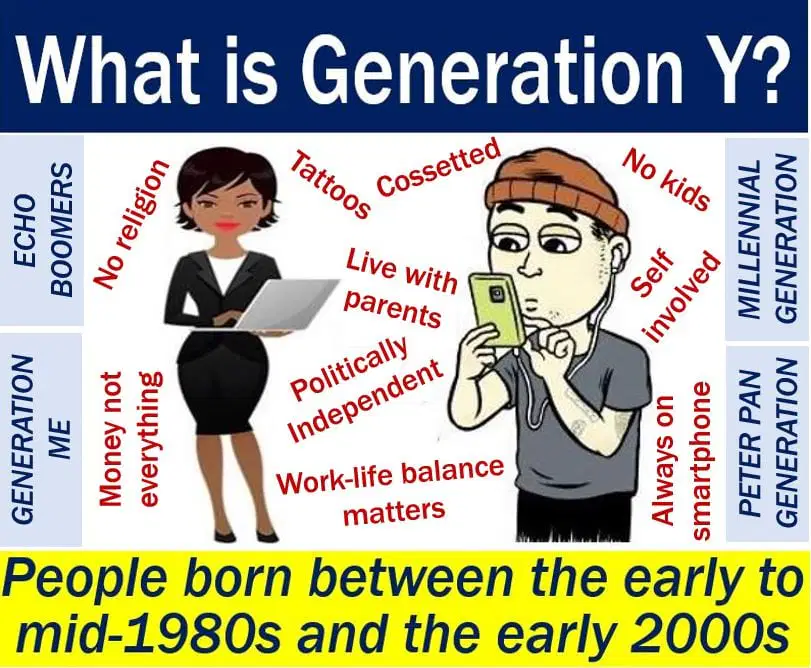
Which of the following set of options do you think are most likely to be issues that young people worry about when thinking of which political party to vote for??
1. Jobs for young people,
2. rent and housing,
3. climate change.
1. Funding for retirement homes,
2. Military spending,
3. Religious freedom.
1. Tax laws for trust funds,
2. Pay for Politicians,
3. The Monarchy.
1. Availability of video rental outlets,
2. Price of hard lollies,
3. Franking credits.

What is one of the problems with the first-past-the-post voting system used in America?
It encourages more people to vote in elections.
It often ends up with a candidate that all people can tolerate, even if they were note most people's first choice.
It reduces the number of wasted votes (donkey votes).
It forces people to ignore smaller parties and only vote for one of two large ones.
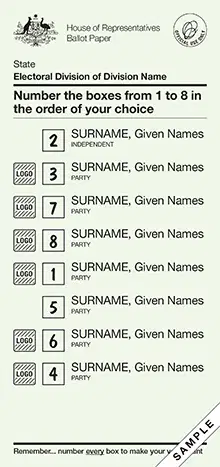
What happens if no candidate wins a majority of first choice votes in the preferential voting system (Australian voting system)
The candidate with the most first-choice votes wins.
The political party that scored the least first choice votes is removed from the race and their votes are moved to those political parties that voters ranked as their next favourite choice.
The political party that scored the most first choice votes is removed from the race and their votes are moved to those political parties that voters ranked as their next favourite choice.
The candidate with the most fourth-choice votes wins
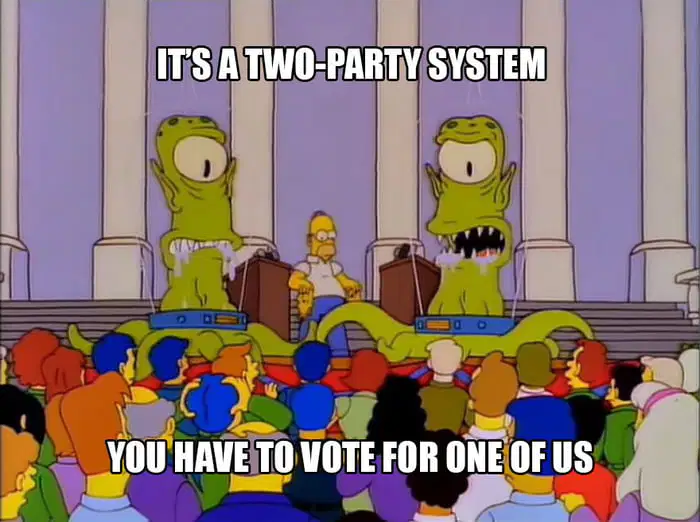
Why can citizens support smaller parties without worrying about putting someone they don't like into office under Australia's Preferential Voting System?
Because smaller parties are guaranteed a non voting seat in the government.
Because smaller parties are not allowed to run in Australian elections
Because all voters rank their preferred candidates with a number 1 so it doesn't matter who people vote for.
Because the Preferential Voting System allows voters to rank the choices, so voters can put smaller parties first, and then decide who they would want to win if their first choice does not.

What is the main advantage of Australia's Preferential Voting System?
It produces winners that a larger number of voters agree on
It guarantees an absolute winner in every election
It prevents political corruption in the electoral system
It allows for proportional representation of political parties

How many senators are there in the Australian Senate?
12
76
6
2

How many Senators does Western Australia send to the Senate?
76
2
12
4

What is the main role of the Australian Parliament?
To make laws for the people of Australia
To provide welfare services
To defend the country
To collect taxes
Where does the process of introducing a bill usually begin?
House of Representatives
Senate
Minister's Office
High Court
Who can suggest amendments (changes) to a bill?
Senators and Members of the House of Representatives
Government Ministers
Parliamentary Committees
The Speaker

What can change voters' personal preference for a political party? (MORE THAN ONE ANSWER)
How likeable the politicians in a political party appear to be
Past success in government
Love of politics
The official statements from the Presidential office

In a dictatorship, what is the role of the people in elections?
They have a choice but they don't vote
They vote but their choices don't matter
They have a choice and they vote
They don't have a choice and they don't vote

What are some methods of persuasion used by politicians?
Print television and radio
Public debates
Opinion polls
Higher taxes

Who was the Prime Minister of Australia at the start of 2019?
Malcolm Turnbull
Scott Morrison
Bill Shorten
Anthony Albanese

Which political parties formed the Coalition government?
Liberal and National
Labor and Greens
Liberal and Labor
National and Greens

Who became the Opposition Leader after the 2019 election?
Malcolm Turnbull
Scott Morrison
Bill Shorten
Anthony Albanese
What is the term used to describe the deliberate spread of false information through social media?
Fake news
Cyberpropaganda
Death tax
Gray tools

In the 2019 case study, what was the false term used to describe Labor's proposal to tax the rich?
Death Tax
Secret Tax
Rich Tax
Labor Tax

What was one of the main reasons why many people decided not to vote for the Labor Party candidates in the 2019 election?
The belief that Labor would create a death tax
Labor's plan to tax the rich
Labor's history of fake news
Labor's opposition to social media

As a general rule, when people are given the chance to earn more money how does their diet usually change?
The amount of protein, fat and sugar in their diet increases.
The amount of protein, fat and sugar in their diet decreases.
The amount of protein, fat and sugar in their diet stays the same.
The amount of protein, fat and sugar in their diet suddenly drops.
Australia has how many levels of government
1
2
3
4
An authoritarian and nationalistic right-wing system of government . This system usually has only one leader, with absolute authority.
Fascism
Communism
Capitalism
Libertarianism
A party platform
A campaign
Public policy
Political views
Australia's can be described in these two ways
constitutional monarchy
parliamentary democracy
presidential democracy
autocracy

Who is Australia's current Govenor General?
Sam Mostyn
Ken Martin
Frances Adamson
Donald Trump

Which two political parties usually form governments in Australia?
The Labor Party and The Liberals
The Green Party and The Nationals
The Democrats and The Republicans
The Socialists and The Independents
Which answer do you think best explains why most large human cities are located in Biomes with regular rainfall?
Regular rain provides water which humans need to drink and wash. The water is also useful in construction and industries needed to support large cities.
People really like looking at water, so places where it rains a lot will automatically grow large cities.
Large cities naturally create a lot of heat which encourages rain clouds to form. Therefore cities will naturally form biomes with regular rainfall.
Warmed air starts to rise because, when warm, it is lighter and less dense than the air around it. As it rises, its pressure and temperature drop causing water vapor to condense.

What do Australian farmers do to overcome the limitations of climate?
Use technology to move water and nutrients to where they are needed
Buy food from other countries
Just plant, grow, and harvest more crops
Build dams and irrigation systems to move orange juice from the trees to people

Which of the following are Human Causes of Food Shortages & Famine (more than one answer)
Increasing population; supply cannot keep up with demand
Too hot or cool temperatures can kill crops and animals.
Over-cultivating and over-grazing causes soil degradation
Deforestation, damages integrity of soil
Natural disasters

