
 Worksheets
Biomolecules Project
Total questions: 29
Worksheet time: 15mins
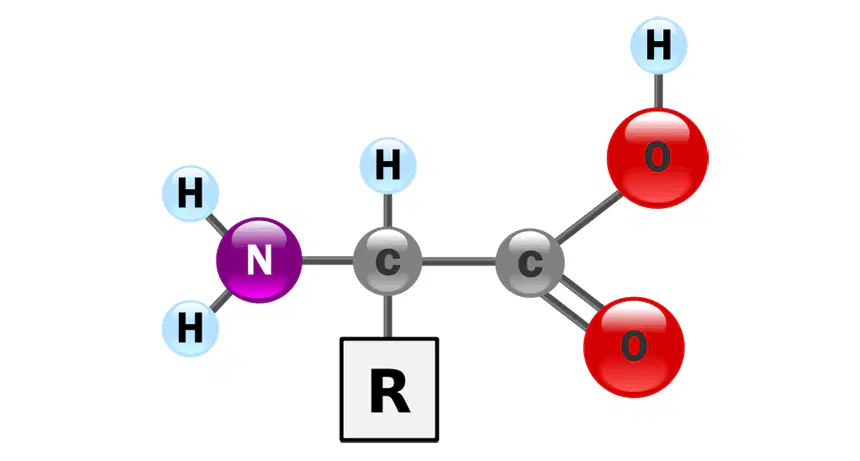
What are the building blocks of protein?
ATP
Proteins
Amino Acids
Huh?
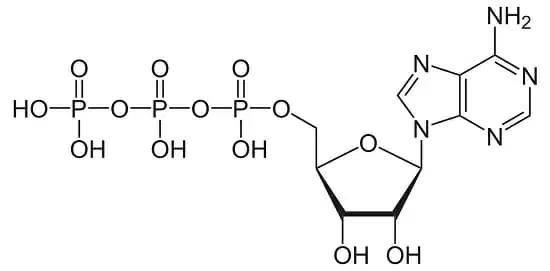
Think of it as the "energy currency" of the cell.
ATP
Glucose
Proteins
RNA
A naturally occurring compound, or a derivative of such a compound, with the general chemical formula C(H2O), made up of molecules of carbon (C), hydrogen (H), and oxygen (O)
Fatty Acids
Carbon?
DNA
Carbohydrates

a linear, ribbon-shaped polymer of glucose molecules
Fatty Acids
Polymer
Cells
Cellulose
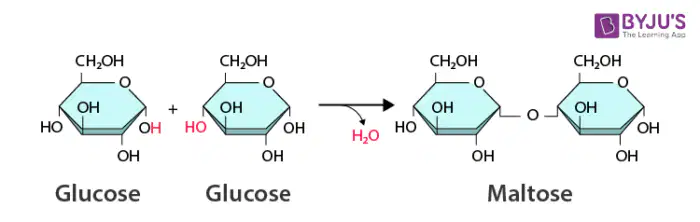
A form of biochemical reaction wherein a water molecule is lost or removed from the reacting molecules.
Unsaturated
DNA
Dehydration reaction
H bond

a molecule that contains the genetic code that is unique to every individual
Cells
RNA
DNA
Ribose
any of a class of organic compounds that react with water to produce alcohols and organic or inorganic acids
Ester linkage
Macromolecule
Organic molecule
Ribose
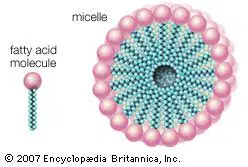
The building blocks of the fat in our bodies and in the food we eat.
Nucleic Acids
Fatty Acids
Saturated
Polymer
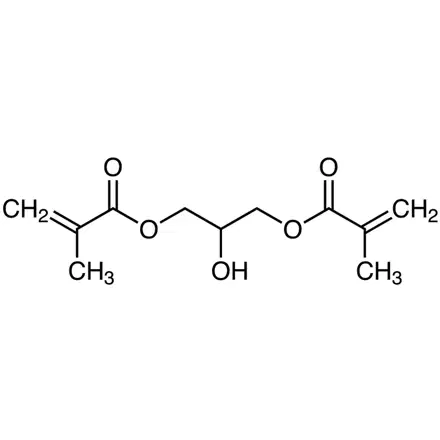
A small organic molecule with three hydroxyl (OH) groups
Glycerol
Linkage
Tertiary
Unsaturated
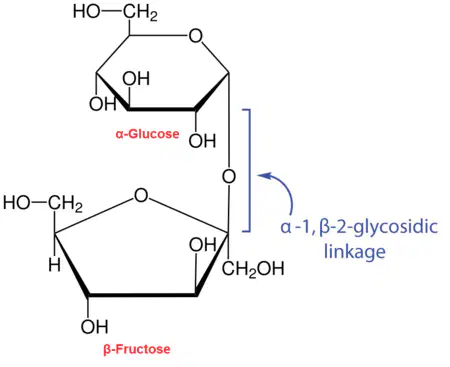
Linkage formed between 2 monosaccharide units through an oxygen atom by the loss of water molecule
Protein
Peptide bond
H bond
Glycosidic Linkage
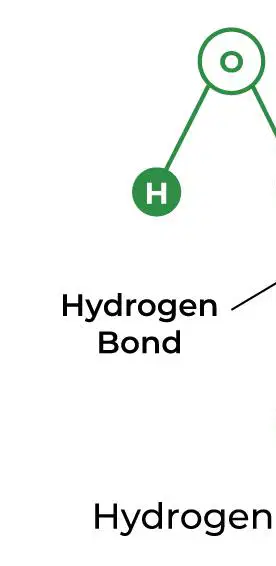
Interaction involving a hydrogen atom located between a pair of other atoms having a high affinity for electrons
B bond
H bond
RNA
Peptide bond
Fatty compounds that perform a variety of functions in your body lilipids
Lipid
Bonds
RNA
Ribose
a very large molecule (as of protein, nucleic acid, or rubber) built up from smaller chemical structures ma
Nucleotides
Nucleic Acids
Macromolecule
Monomer
Atoms or small molecules that bond together to form more complex structures such as polymers
Polysaccharide
Monomer
Polymer
Ribose
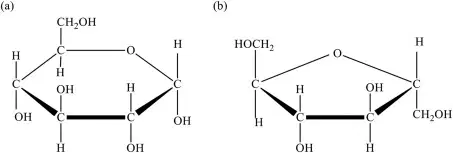
A sugar that cannot be split into simple sugars
Monosaccharide
Organic Molecule
Polymer
Phosphate
Large biomolecules that play essential roles in all prokaryotes and eukaryotes
Monomer
Peptide bond
Nucleic Acids
RNA
a structural subunit of nucleic acids, the heredity-controlling components of all living cells, consisting of a molecule of sugar linked to a nitrogen-containing organic ring compound
Nucleotides
Nucleic Acids
Organic molecule
Polymer
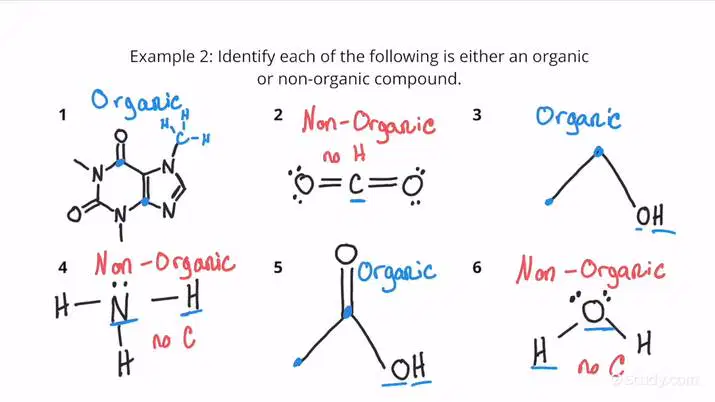
Molecules that are made of carbon and hydrogen, and can include other elements
Organic meals
Organic molecule
Protein
Polysaccharide
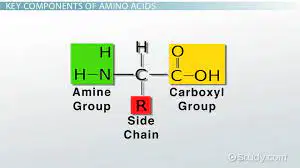
Peptide Bond
a covalent bond formed between two amino acids
Long chains of amuno acids
Proteins?
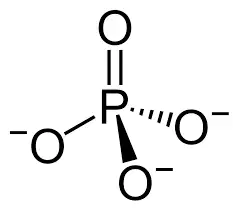
an essential inorganic compound composed of a phosphorus atom bonded to four oxygen atoms
Phosphate
Phosphodiester linkage
Ribose
RNA
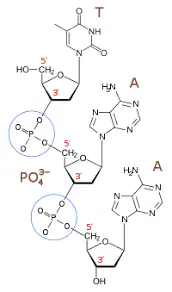
A bond between a sugar group & a phosphate group
linkage?! again
Phosphodiester linkage
Glycosidic linkage
Polymer linkage
is any of a class of natural or synthetic substances composed of very large molecules, called macromolecules, which are multiples of simpler chemical units called monomers
Polymer
Polysaccharide
Peptide
Monomers
a polymer of simple sugars that can serve as functional and structural components of cells and can also be used as an energy source
Linkages again!!
Monomer
Polymer
Polysaccharide
large, complex molecules that play many important roles in the body
Protein
Ribose
Saturated
An organic compound classified as a monosaccharide, or simple sugar
Ribs
Ribose
RNA
is a molecule that is present in the majority of living organisms and viruses. It is made up of nucleotides, which are ribose sugars attached to nitrogenous bases and phosphate groups
RNA
Blood
Genetics
Holding as much moisture as possible
Saturated
Polymers
Unsaturated
Third in order, third in importance, or at a third stage of development
Tertiary
Secondary
Primary
fewer than the maximum possible number of hydrogen atoms are bonded to each carbon in the molecule
Dehydration
Unsaturated
No Water

