
 Worksheets
Continental Drift Theory
Total questions: 31
Worksheet time: 31mins


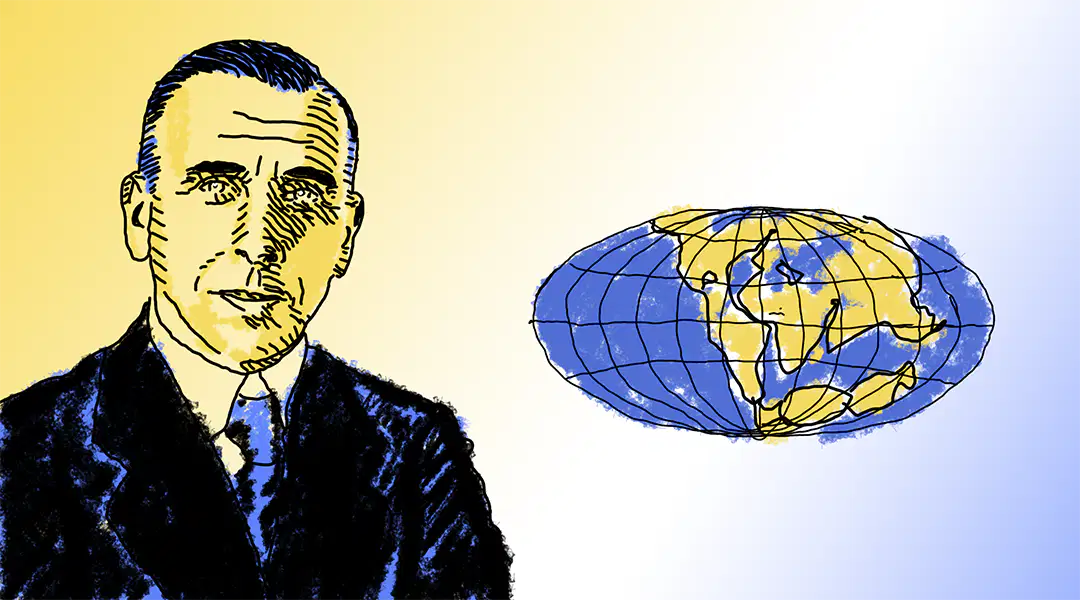

It is the southern part of Pangaea.
Laurasia
Gondwana
South America
South Africa

What do you call the northern part of Pangaea after it moved million years ago?
Russia
Asia
Laurasia
Gondwana

Mesosaurus fossils are found between where?
Africa and India
Africa and South America
Antarctica and Australia
India and Antarctica

Glossopteris fossils are found between where?
South America and Africa
Antarctica and Australia
Africa and India
All of them


What does Pangaea mean?
It means an all black panda bear
It means all the universe
It means all earth or entire earth
It means all rock

Which two continents are the most notable of Wegeners idea that the coast lines of certain continents match up.
Indian and North America
Australia and North America
Europe and Australia
South America and Africa

Why couldn't the Mesosaurus swim to the other continents?
It didn't have a map
It was too far to swim
The ocean was covered in ice
It didn't know the way

Alfred Wagner thought the continents looked like a puzzle. Why?
The continents look like the fit together
The continents looked like a painting
The continents are the same color

What did Alfred Wagner observe when he studied rock layers, mountain ranges, and fossils?
He noticed that the rock layers, the mountain ranges, and the fossils all.....

Fossil records indicate that the continents were once connected. How do fossil records support this claim?
We have been able to transport the same types of fossils from one continent to another.
Fossils of the same organism that are chemically and physically similar have been found on continents that are now separated by oceans.
Some continents contain fossils of many different types of organisms.

One piece of evidence for Plate Tectonics is that--
some continents appear to fit together like a puzzle.
we have video footage of the plates actually moving.
all continents have formed from volcanic eruptions.
the continents are no longer moving.

Which of the following occurs because of convection currents?
Pressure in the crust decreases.
The mantle increases in size.
Pressure in the crust increases.
Pieces of the crust, known as tectonic plates, move.

At first, a lack of evidence for continental drift prevented many scientists from believing a single supercontinent called _________ existed.
Glossopteris
Pangaea
Gondwanaland
Mesosaurus


Wegener found fossils of ancient ferns on Antarctica, this shows
That some ferns can survive temperatures well below freezing
That humans put ferns on Antarctica millions of years ago
That Antarctica drifted from a warmer climate where plants could grow
That fossils can be formed in cold climates

Which fossil occurs on most land masses?
Cynognathus
Lystrosaurus
Mesosaurus
Glossopteris

What was the name of Alfred Wegeners Theory?
Seafloor Spreading Theory
Pangaea Theory
Plate Tectonics Theory
Continental Drift Theory

How was Wegener's theory received by other scientists at the time?
They thought it was great
They did not accept it

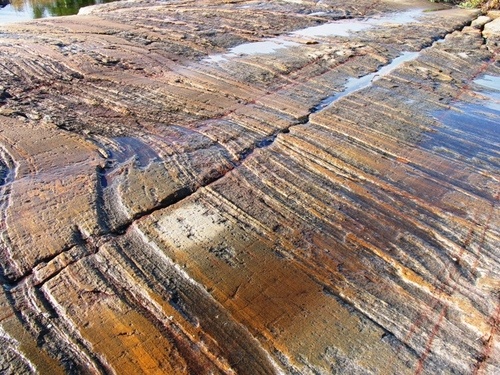
Wegener observed scratches from glaciers in Africa and India where it is currently too hot for glaciers to form. This is considered...
Fossil Evidence
Rock Formation Evidence
Climate Evidence
Objective Evidence

Wegener found fossils of land reptiles on two different continents. This was important because
Land reptiles are often found all over the world, showing that they can survive in most climates
Land reptiles cannot swim, so the continents must have been connected for them to get across
Land reptiles are never moved around the Earth by humans, so they must have travels to these continents by themselves
Land reptiles fossilized much better than other animal species

What causes the continents to move?
The bass in Mrs. Bailey's car
Plate Tectonics
Jackhammer
Fossils

What are the 3 types of evidence that supports Alfred Wegener's Theory?
Fossils, Fish, and Land
Sedimentary, Magma, and Climate
Fossils, Land forms, and Climate
Climate, Land forms, and Metamorphic rock

