
Font size
 Worksheets
Communication Exam
Total questions: 92
Worksheet time: 47mins
Presenting a class report.
Verbal
Non-verbal
Smiling.
Verbal
Non-verbal
Choose the main reasons for communication
To offer reassurance
To express feelings and/or concerns
To form/build relationships
All of the above
What is a process of exchanging meaning involving verbal and non-verbal cues?
Verbal Communication
Non-verbal Communication
Gestures
Communication
The meaning or the information, thoughts or ideas in communication is called _____
channel
encoding
message
decoding
The reaction of the receiver in communication is called ______
communication
message
feedback
receiver
Posting pictures in instagram can be classified as ______ communication
effective
written
visual
non-verbal
Sign language can be classified as ______ communication
verbal
written
visual
non-verbal
Which is NOT an example of verbal communication?
Letter
Speaking
Sign language
Body gesture
Communication is the process of interchanging information, ideas, feelings, and opinionswith or without the use of words.
TRUE
FALSE
Non-verbal communication is communication with the use of words and language.
TRUE
FALSE
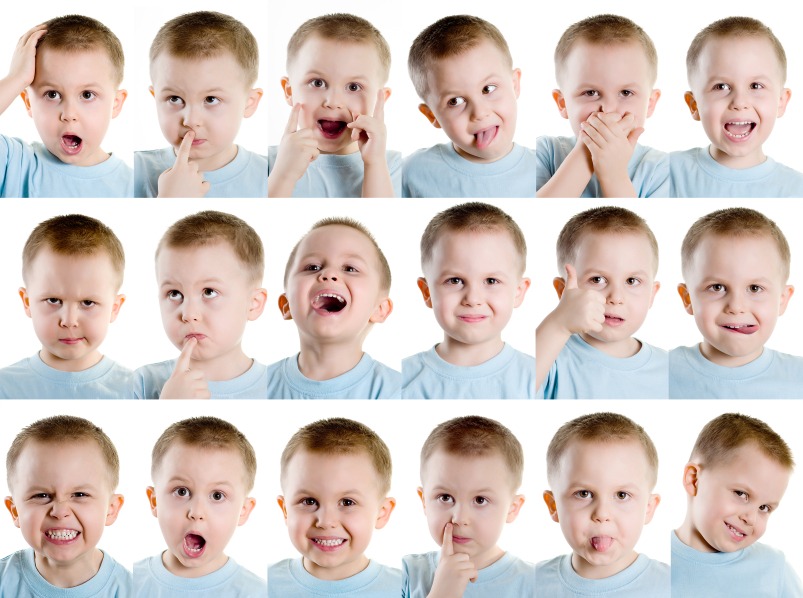
Communication without words is called
Silent speaking
Verbal communication
Nonverbal communication
Interpersonal communication

Using your face to communicate a feeling is called
facial expression
gesture
impression
Which is NOT an example of verbal communication?
Talking
Word choice
Conversations
Eye contact

The image shows a form of ______________ _______________
Verbal communication
Non verbal communication
All of the above

The image above can mean:
I agree
I do not agree
I don't know
All of the above
Facial Expressions:
smiling, frowning and even blinking
running, jumping, swimming
text, read, send
screaming, crying, laughing

This emoji is what type of communication?
Verbal
Nonverbal
Examples of correctly using speech and volume skills include...
Giving the right info, speaking at the right volume, and articulating your words.
Speaking softly, use long pauses, and positive facial expressions.
Keep eye contact, speaking loudly, and using the right language.
Hold your head high, yell all your words, and keep your eyes closed.
Which is NOT a type of non-verbal language?
Body language
Word choice
Tone of your voice
Appearance
What is communication?
message, audience, purpose
a conversation
the transfer of meaning from one being to another
persuasion, information, and entrainment or empathy
What is interpersonal communication?
communication with oneself
one on one communication
small group communication
public speaking
Which is an example of verbal communication?
any words used to send a message
the tone of the speaker's voice
body language such as posture
fillers such as um, uh, er, or ah
What is an example of non verbal communication?
vocabulary used in a conversation
the way words are organized or the order ideas are put into
gestures or facial expressions
words written in a text message
What is an example of feedback?
asking the sender a question
nodding your head in agreement
rolling your eyes or shaking your head to disagree
all of these are examples of feedback
What is paralanguage?
a verbal aspect of communication
how someone says something, such as the tone of their voice
figuring out the message
it's a type of encoding
What is an example of kinesics?
pointing while giving someone directions
a person's facial expressions
any body movement
all of these are examples of kinesics
Which is a tip for good conversation mentioned in our class lesson?
Talk about yourself as much as possible so you never run out of things to say.
Don't ask very many questions to avoid confusing the person to whom you're talking.
Change the subject often to keep it interesting.
None of these are tips for good conversation mentioned in our lesson.
What is proxemics in nonverbal communication?
The use of space, such as how close or far you are from someone
Body motion and movement
How you say something, such as expression in your voice.
None of these
What is the role of feedback in the communication process?
It doesn't really have a role, it just happens
It usually just confuses conversation
It can send important messages about understanding
It is a type of noise (a distraction)
What is it called when a receiver's feedback doesn't match up with what they mean (such as nodding and smiling when you're confused).
a mixed message
proxemics
social space
encoding
Filler phrases are considered
verbal - they're words!
non-verbals - they mean nothing!
Which is true about the use of space during communication?
it can vary with culture
it varies by person
it connects with comfort& familiarity
all of these are true
In America, which of these non-verbals often equals importance?
kinesics
space
time
all of these
What should you keep in mind about appearance?
consider appearance, it sends a message about you
people make judgements based on appearance
try to be neat and well-groomed
all of these are true


Gestures and eye contact can mean different things in
American
school
the work environment
different cultures
Which 6 things are a part of nonverbal communication?
Appearances, gestures, eye contact, posture, facial expression & proxemics
Tone, gestures, eye contact, posture, facial expression & proxemics
Appearances, gestures, eye contact, posture, facial expression & culture
Appearances, gestures, eye contact, hygiene, facial expression & proxemics
Symbols are a part of nonverbal communication.
True
False
Sometimes
in other cultures
We are always communicating; even when sleeping.
Not possible
Not sure
Yes
Maybe
According to the video by the Communications professor & his students, __________ of people's attention is on nonverbal gestures, facial expression, and clothes when communicating.
50%
25%
10%
93%
Nonverbal communication may contradict verbal communication.
True
False
Nonverbal communication is universal.
True
False
Which a gesture is most likely universal?


Communication is defined as: the exchange of information, feelings, thoughts, or ideas.
True
False
It's important when you're communicating with someone to not send mixed messages. A mixed message is when your words say one thing but, your body language says another:
True
False
Active listening involves:
asking questions
repeating back what the other person said
making eye contact
all the above
Assertive speakers are those who share honest expressions of his/her own feelings, needs and wants while respecting those of others:
True
False
Effective communication skills are only important now, while your in school:
True
False
What a person texts is categorized under which type of communication?
Verbal
Non-Verbal
Verbal communication skills are important for any career, whether you use it in informal conversations or business presentations.
True
False
Which sports do introverts tend to like?
Individual Sports
Team Sports

Extraverts prefer to spend their freetime.....
alone
with people

During a social event Introverts are more....
observant
interactive

Extraverts are energized by....
crowds of people
alone time

During conversation Introverts tend to be....
natural listeners
natural talkers

Wanting to spending time alone is a characteristic of....
an Introvert
an Extravert
___________________ are re-energized by alone time.
Introverts
Extraverts
________ tend to talk a lot more during conversation.
Introverts
Extraverts
Body language can also be called:
Attitude
Extrovert
Non-verbal communication
Verbal communication
a person who prefers calm environments, limits social engagement, or embraces a greater than average preference for solitude.
Extrovert
Homebody
Introvert
Life of the party
an outgoing, gregarious person who thrives in dynamic environments and seeks to maximize social engagement.
Introvert
Life of the party
Homebody
Extrovert

Is this image assertive, passive, or aggressive?
assertive
passive
aggressive

Is this image assertive, passive, or aggressive?
assertive
passive
aggressive
What is communication?
Communication is one person talking to the wall.
Communication is the activity of conveying information.
Communication is one person keeping all information.
Communication is only passed through pictures,
Communication is broken down into the following main categories (select all that apply)
Verbal
Invisible
Non-Verbal
Make Believe
__________________________ communication is subcategorized into written and oral.
Non-Verbal
Invisible
Make Believe
Verbal
Something that is sent or said is the
message
symbol
sender
communication
Non-Verbal communication includes which of the following (select all that apply):
smile
gestures
posture
letters
eye contact
When you send an email, you should use a practical subject line that gives a short summary of the message in the email.
True
False

Based on his non-verbal communication, how do you think this man feels?
excited
happy
sad
angry
The Communication Process has 5 parts, select the correct order.
creation, transmission, reception, translation, response
transmission, response, creation, translation, reception
response, translation, reception, transmission, creation
translation, reception, transmission, response, creation
Your appearance is an example of non-verbal communication.
True
False
Why is dressing appropriately for an interview so important?
It sets a good first impression
It sets a positive tone for the interview
It gives you a competitive edge
All of these are reasons why it is important to dress appropriately for an interview.

