
 Worksheets
Medical Laboratory Science Math Review
Total questions: 43
Worksheet time: 44mins

Calculate the MCV if RBC count is 4.70 × 10¹²/L, hemoglobin is 130 g/L, and hematocrit is 0.445 L/L
95
292
28
11

Calculate the MCH if RBC count is 4.70 × 10¹²/L, hemoglobin is 130 g/L, and hematocrit is 0.445 L/L
95
28
292
36

Calculate the MCHC if RBC count is 4.70 × 10¹²/L, hemoglobin is 130 g/L, and hematocrit is 0.445 L/L
95
292
28
3
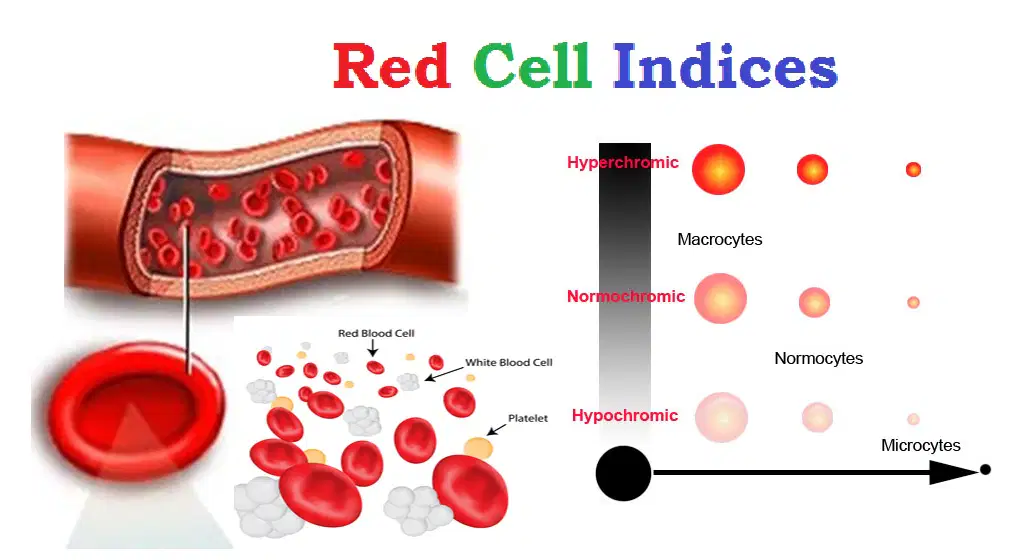
MCHC gives us information about the average size of the red blood cells.
True
False
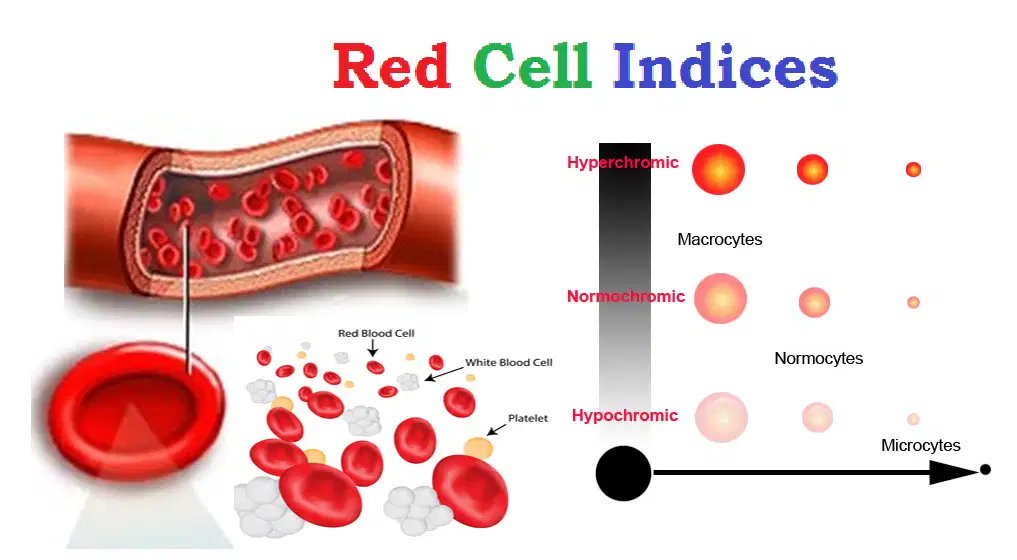
MCH is the weight of the hemoglobin in the average red blood cell
True
False
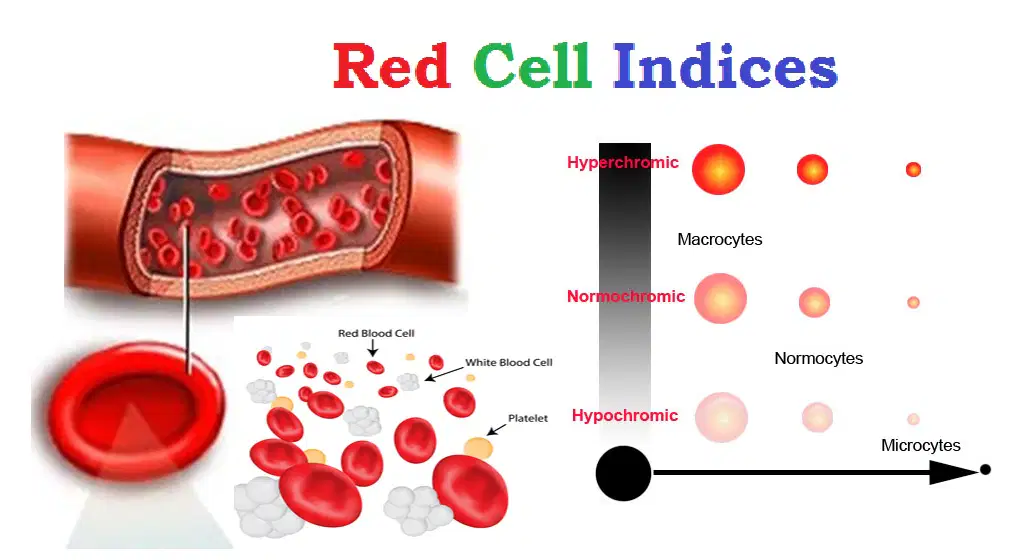
MCV tells us how much of a red blood cell is hemoglobin
True
False
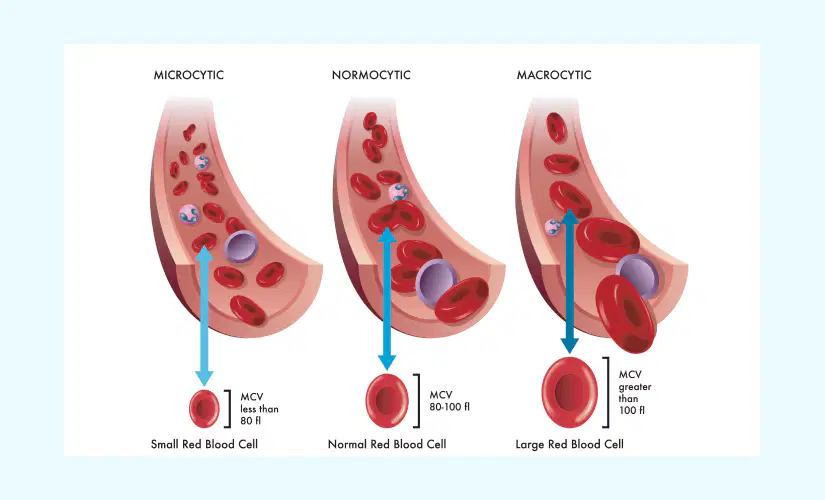
MCV is measured in fL
True
False
MCH is measured in g/L
True
False
MCHC is measured in g/L
True
False

Calculate MCV if RBC count is 3.84 × 10¹²/L, hemoglobin is 63 g/L, and hematocrit is 0.208 L/L.
54
16
303
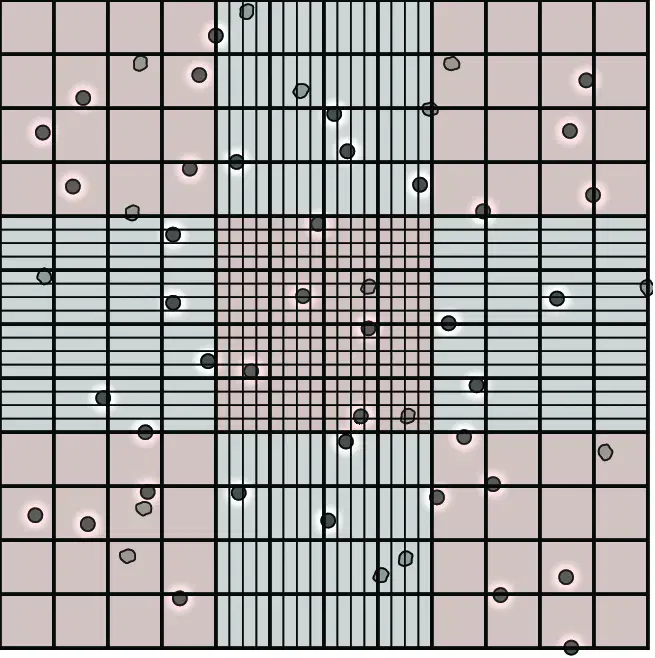
Manual counts are only performed on WBCs.
True, I would never count anything else manually
False, we count other things manually, too!
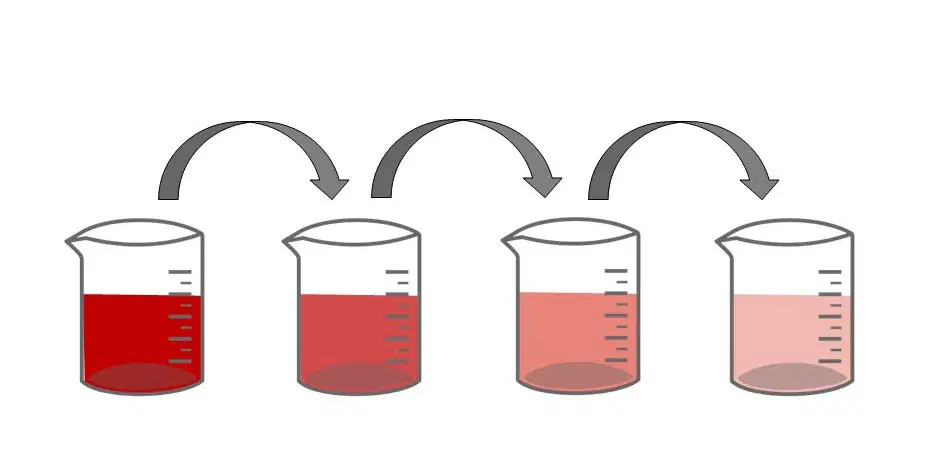
We dilute 20 𝜇L of blood with 1.98 mL of diluting fluid. What is the dilution factor?
99
100
10
0.1
We dilute 25 𝜇L of blood with 0.775 mL of diluting fluid. What is the dilution factor?
31
32
0.03
40
We dilute 20 𝜇L of blood with 3.98 mL of diluting fluid. What is the dilution factor?
199
200
20
0.2

What is being counted in this area?
WBCs
RBCs
PLTs
Eosinophils

What is being counted in this area?
WBCs
RBCs
PLTs
Eosinophils

What is being counted in this area?
WBCs
RBCs
PLTs
Eosinophils

What is being counted in this area?
WBCs
RBCs
PLTs
Eosinophils
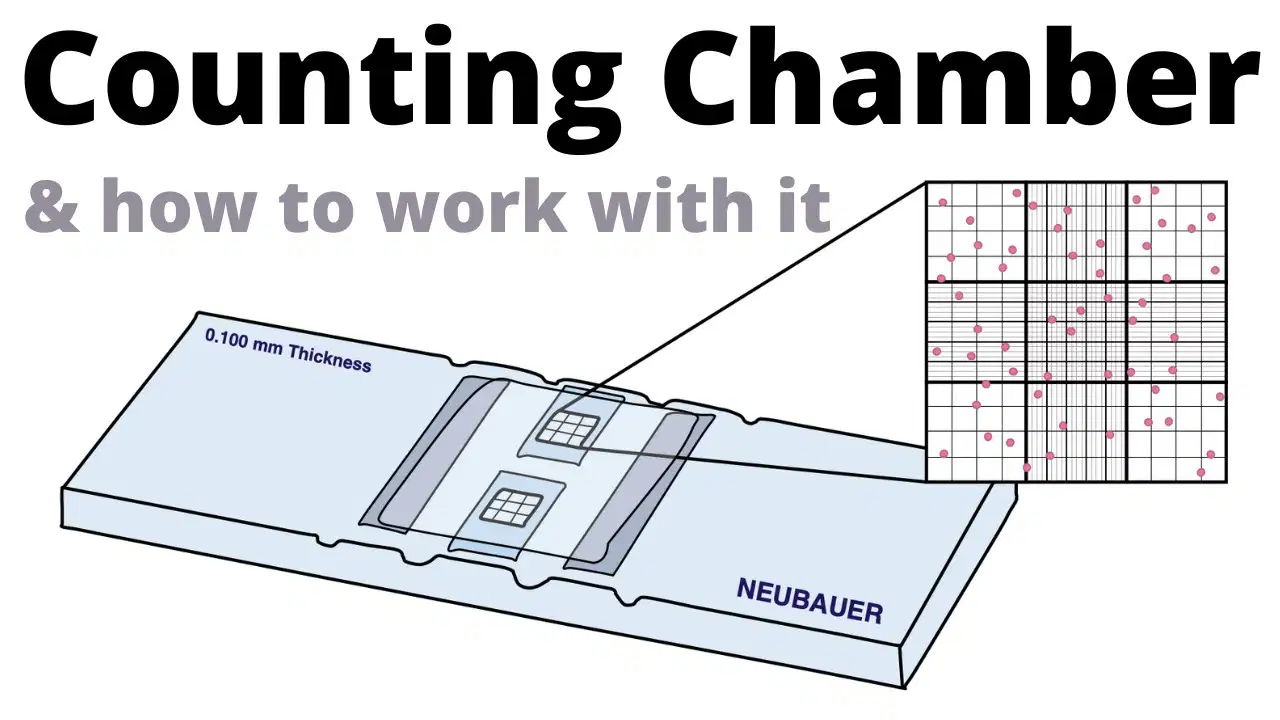
The depth factor for Improved Neubauer is:
10
20
5
0.1
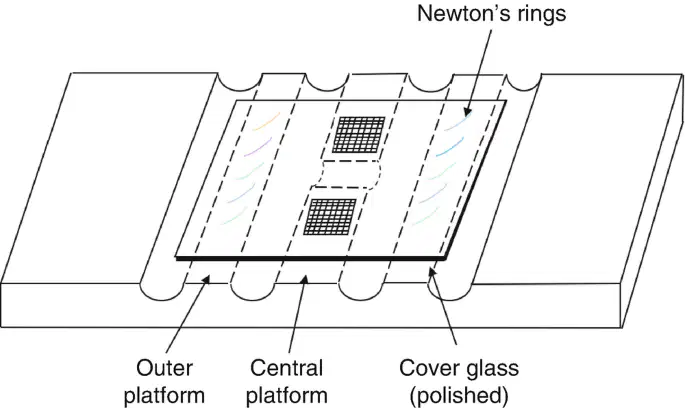
The depth factor for Fuchs-Rosenthal is:
0.2
20
5
0.1
WBCs will be reported in × 109/L and rounded to 1 decimal place
True
False
RBCs will be reported in × 109/L and rounded to the nearest whole number
True
False
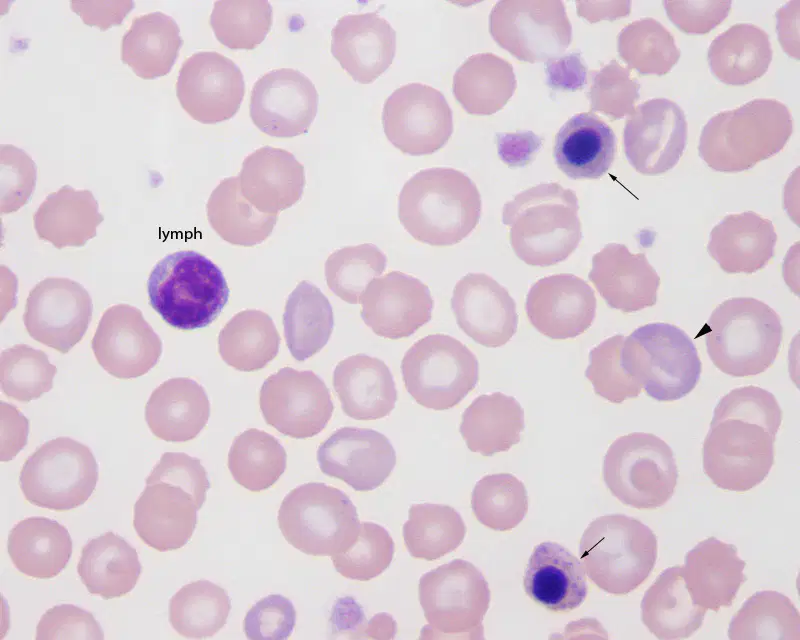
If the WBC count on the analyzer was 15.5 × 10⁹/L but the instrument flagged there were nRBCs and we counted 18 nRBCs per 100 cells counted, what would be the corrected WBC count?
13.1
2.4
2.8
86.1
If the WBC count on the analyzer was 39.8 × 10⁹/L but the instrument flagged there were nRBCs and we counted 32 nRBCs per 100 cells counted, what would be the corrected WBC count?
30.2
9.6
12.7
124.4
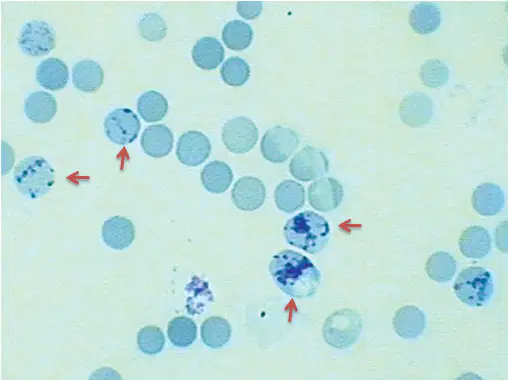
Reticulocytes are immature white blood cells.
True
False
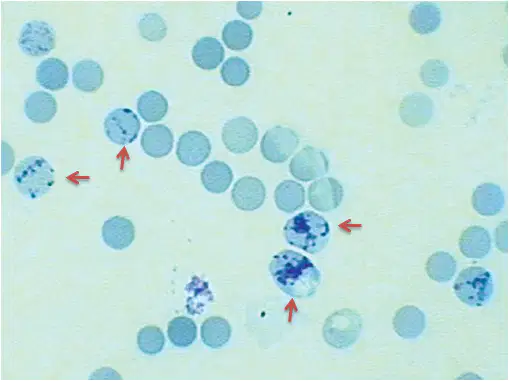
We will ONLY correct a reticulocyte count if a patient’s hematocrit falls below 0.370 L/L for females 0.420 L/L for males
True
False
We have a male patient with RBC of 5.00 × 10¹²/L and a hematocrit of 0.450 L/L. If 12 retics were counted per 1000 RBCs, what is his percent retic count?
1.2
12
27
0.1
We have a male patient with RBC of 5.00 × 10¹²/L and a hematocrit of 0.450 L/L. If his percent retic count is 13%, what is his absolute retic count (x 109/L)?
650
6.5
29
58.5

If we need to make media that has to have 10 g/L, how much powered media would be required to make 3 L?
3 g
30 g
0.3 g
3.3 g
If we need to make media that has to have 10 g/L, how much powered media would be required to make 0.25 L?
2.5 g
25 g
0.25 g
25 g

We need to make 5 bottles of 65 g/L media that each contain 250 mL. What is the total amount of volume you would have to make?
1250 mL
250 mL
16.3 mL
325 mL
We need to make a 65 g/L media for a total volume of 1250 mL. How much powdered media do you require?
81.25 g
52 g
812.5 g
5.2 g

If you need to make 10% sheep blood agar, how much blood would you need for every 100 mL of media?
10 mL
1 mL
0.1 mL
100 L
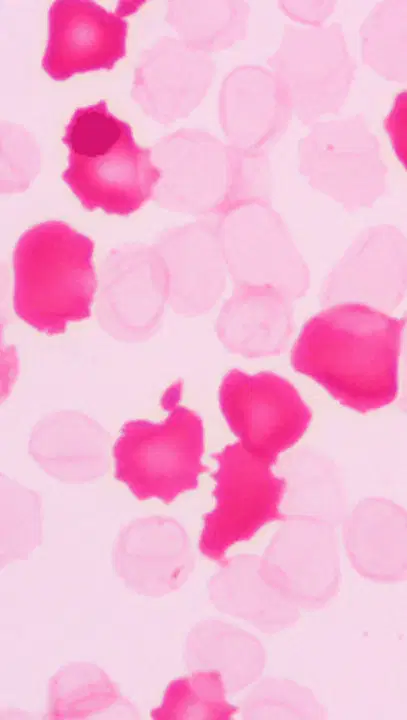
While performing a Kleihauer Betke test, you counted 30 fetal cells in 6000 RBCs, how many mL of a fetal/maternal bleed has occurred?
0.5
25
30

Calculate the following: log25 (round to 3 decimal places)
(a)
Calculate the following: log0.5 (round to 3 decimal places)
(a)
Calculate the antilog of 0.5 (round to 2 decimal places)
(a)
Calculate the antilog of 2.4 (round to 2 decimal places)
(a)

Calculate the pH with the given [H+]: 10-8 M
(a)
Calculate the [H+] given the following pH: 7.82
1.51 x 10⁻⁸ M
6.6 x 10⁷ M
0.89 M
Calculate the pH for [OH-] of 1.55 x 10⁻³ M
2.82
- 2.82
0.19
- 0.19
- 3
Given a pH of 4.1, what would the pOH be?
(a)
Given a concentration of 6.81 × 10⁻⁴ M for the [H+], what would the concentration of the [OH-] be?
1.47 x 10⁻¹¹
7.91 x 10⁻⁴
6.81 x 10⁻¹⁰

