wayground logo

Free Printable Worksheets

Font size

S
M
L
XL
Worksheets

Outer space

Total questions: 23

Worksheet time: 17mins

Name
Class
Date
1.

How fast is light

a)
299,792,458 meters per second
b)
500,000 meters per second
c)
186,282,394 meters per second
d)
1,000,000 meters per second
2.

What is the fastest thing in the Universe?

a)
Electricity
b)
Sound
c)
Light
d)
Gravity
3.

What is a light year?

a)
The time it takes for light to travel one mile
b)
The amount of light emitted by a star in one year
c)
The distance that sound travels in one year in the vacuum of space
d)
The distance that light travels in one year in the vacuum of space.
4.

What is the great red spot on Jupiter?

a)
A mountain range
b)
A crater
c)
A lake
d)
A giant storm
5.

What is a constellation?

a)
A constellation is a type of cloud formation.
b)
A constellation is a unit of measurement for distance in space.
c)
A group of stars that forms a recognizable pattern in the sky.
d)
A constellation is a type of plant species.
6.

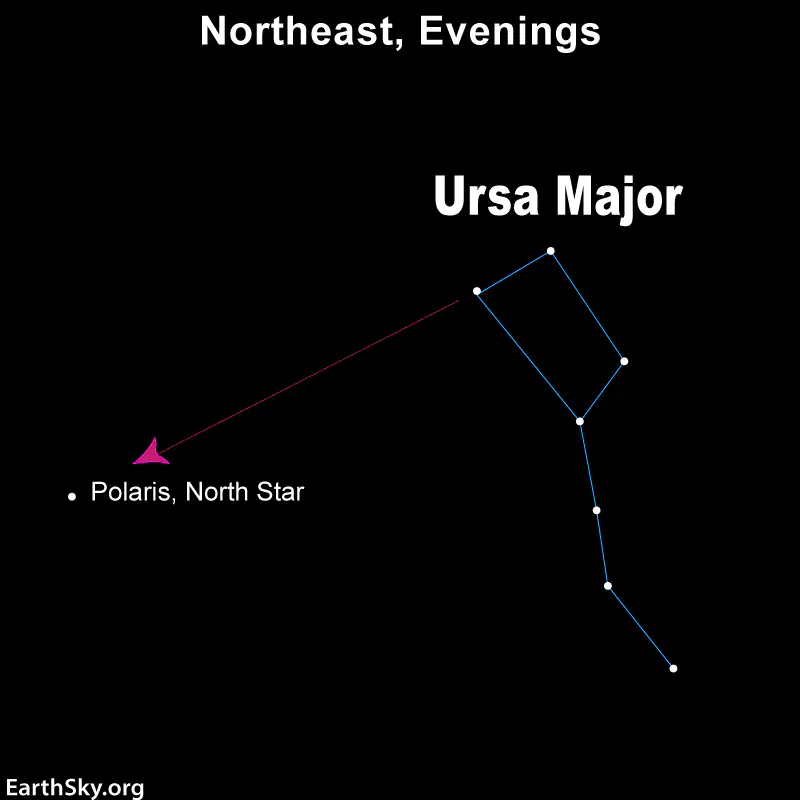
What is another name for the North Star?
a)
Vega
b)
Sirius
c)
Betelgeuse
d)
Polaris
7.

How many meteorites hit Earth each day?

a)
Thousands
b)
A few
c)
None
d)
Hundreds
8.

What is the circumference on the Earth?

a)
10,000 kilometers
b)
40,075 kilometers
c)
20,000 kilometers
d)
30,000 kilometers
9.

You couldn't get to the nearest star if you traveled your entire

a)

Day

b)

Year

c)

Life

d)

Age

10.

Things in space are very

a)
sour
b)
soggy
c)
N/A
d)
spiky
11.

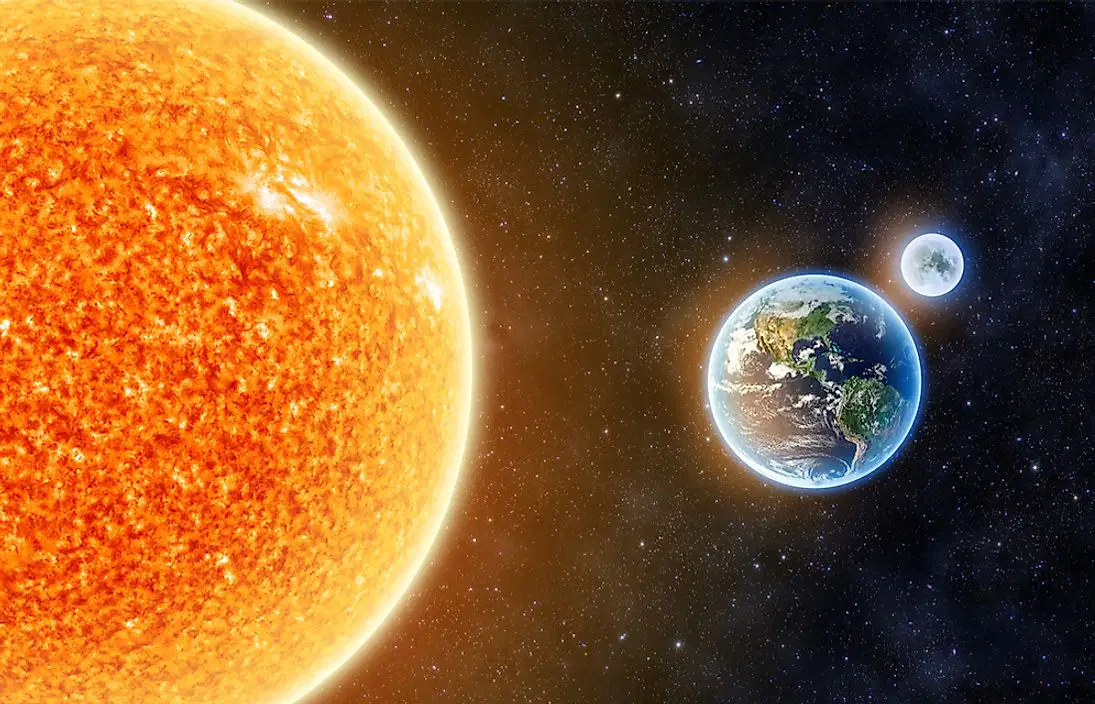
How hot is the Sun?

a)
20 million degrees Celsius (36 million degrees Fahrenheit)
b)
10 million degrees Celsius (18 million degrees Fahrenheit)
c)
5 million degrees Celsius (9 million degrees Fahrenheit)
d)
15 million degrees Celsius (27 million degrees Fahrenheit)
12.

How big is Earth?

a)
1,000 kilometers
b)
50,000 kilometers
c)
100,000 kilometers
d)
12,742 kilometers
13.

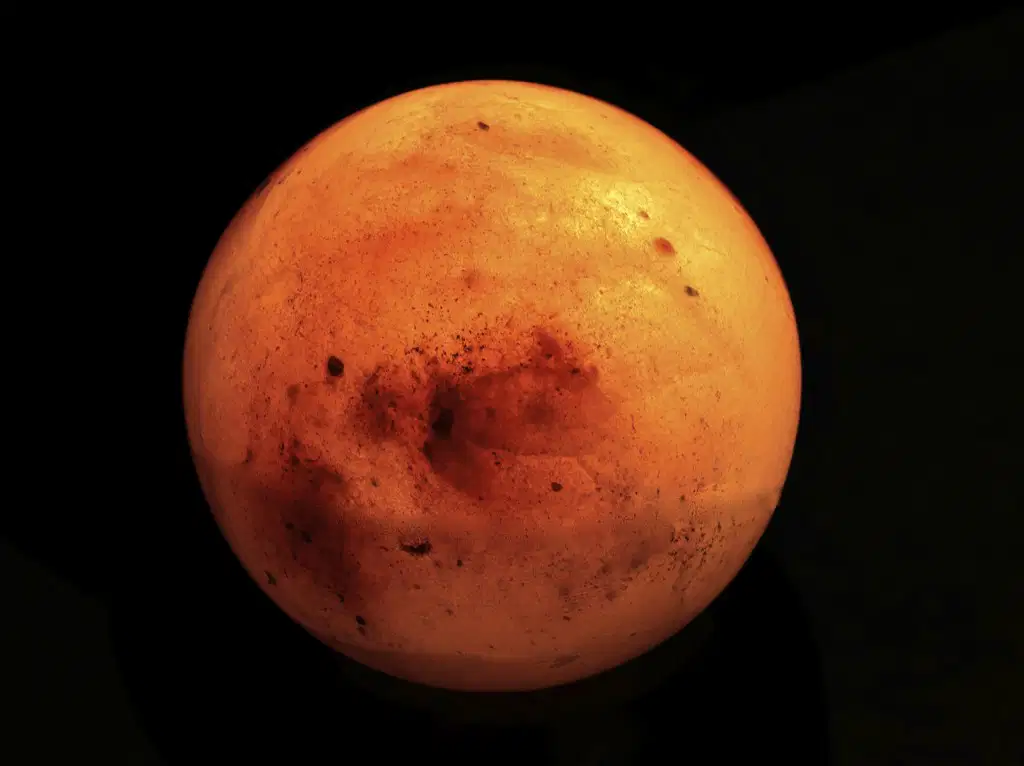
Did we go to Mars yet?

a)
Yes
b)
Maybe
c)
I'm not sure
d)
No
14.

When did the U.S land on the moon?

a)
July 20, 1969
b)
December 7, 1941
c)
September 11, 2001
d)
July 4, 1776
15.

What was our first planet?

a)
Venus
b)
Mercury
c)
Mars
d)
Jupiter
16.

What is the flyby spacecraft?

a)
A spacecraft that passes close to a celestial body without entering into orbit.
b)
A spacecraft that is designed to study the atmosphere of a planet.
c)
A spacecraft that is used for interstellar travel.
d)
A spacecraft that flies by Earth without entering into orbit.
17.

Could you please provide me with your knowledge regarding the subject of space? I would greatly appreciate any insights you may have. Thank you.

4 lines
18.
A sun centered system of planets was developed by __________
a)
Galileo
b)
Ptolemy
c)
Copernicus
d)
Issac Newton
19.
How long does it take Earth to complete one revolution around the Sun?
a)
24 hours
b)
one week
c)
one month
d)
one year
20.
Earth completes one full ___________ on its axis every 24 hours.
a)
rotation
b)
revolution
c)
resolution
d)
reservation 
21.
When the Moon appears completely dark with no lit part visible from Earth, it is called _____________. 
a)
full moon
b)
waning gibbous moon
c)
old moon
d)
new moon
22.
Earth and the other planets closest to the Sun are made mostly of _______
a)
gas
b)
metal
c)
water
d)
rock
23.

The question arises as to whether there may exist additional frontiers to be discovered in the vast reaches of space. A thorough investigation into this matter may be warranted, as the implications of any new discoveries could be significant. It is imperative that any such inquiry be conducted with the utmost rigor, exactitude, and attention to detail, so as to ensure that any conclusions drawn are reliable and consistent with established scientific principles.

4 lines