
NEW
Font size
 Worksheets
Human Body Systems Assessment
Total questions: 35
Worksheet time: 13mins
System includes veins and arteries.
Skeletal
Digestive
Muscular
Circulatory
Integumentary
This system protects organs from damage and helps with temperature regulation.
Skeletal
Digestive
Muscular
Circulatory
Integumentary
This system maintains blood flow in the body.
Skeletal
Digestive
Muscular
Circulatory
Integumentary
This system is a frame that supports the body.
Skeletal
Digestive
Muscular
Circulatory
Integumentary
This system contains the epidermis.
Skeletal
Digestive
Muscular
Circulatory
Integumentary
Includes smooth and skeletal types in this system.
Skeletal
Digestive
Muscular
Circulatory
Integumentary
Begins in the mouth and absorbs nutrients from food.
Skeletal
Digestive
Muscular
Circulatory
Integumentary
This system involves the contraction and relaxation of muscle fibers to help in movement.
Skeletal
Digestive
Muscular
Circulatory
Integumentary
Contains the scapula, femur, and tibia.
Skeletal
Digestive
Muscular
Circulatory
Integumentary
Organs in this system include the mouth, esophagus, and stomach.
Skeletal
Digestive
Muscular
Circulatory
Integumentary
The (endocrine/ integumentary) system is made up of glands that release hormones.
endocrine
integumentary
The process of sperm meeting the egg is called (ovulation/ fertilization).
ovulation
fertilization
(Leukocytes / Neurons) seek and destroy harmful microorganisms.
Leukocytes
Neurons
After food is swallowed, it is pushed into the (esophagus/ small intestine).
esophagus
small intestine
(Veins/ arteries) carry blood AWAY from the heart.
Veins
Arteries
The (central / peripheral) nervous system includes the brain and spinal cord.
Central
Peripheral
The (hypothalamus/ pituitary) gland regulates and controls growth in humans.
Hypothalamus
Pituitary
The (clavicle/ femur) is commonly called the thigh bone.
Clavicle
Femur
What do you call the longest and thinnest bone of the forearm?
Patella
Ulna
Scapula
Femur
Which two body systems work together to help a person move?
Digestive and Integumentary
Skeletal and Muscular
Endocrine and Immune
Skeletal and Integumentary
How does the human respiratory system work with the circulatory system?
By bringing oxygen into the blood in the lungs
By removing blood from the stomach if needed
By taking liquid waste out of the heart into the digestive system
By taking in air directly through the skin
Why does your heart beat?
The brain sends signals to your heart to contract
The cardiac muscles contract and pump blood
The smooth muscles in the esophagus make the heart contract
The skeletal muscles voluntarily contract
Which of the following are made of smooth muscle?
Blood vessels, biceps, lungs
Biceps, heart, lungs
Digestive system, blood vessels, bladder
Heart, liver, blood
Which of the following is NOT a function of the respiratory system?
Ability to inhale oxygen
Ability to exhale carbon dioxide
Ability to sense surroundings
Ability to regulate breathing based on activity
Where does digestion begin?
The large intestine
The small intestine
In the mouth
Stomach
What is NOT a function of the integumentary system?
Protects internal organs
Helps with temperature
Controls balance and movement
Helps heal wounds
What two body systems work together to allow the brain stem to control the heart rate?
Digestive and Skeletal
Circulatory and Nervous
Respiratory and Circulatory
Integumentary and Muscular
The ovaries and the testes are both a part of this system:
Digestive
Excretory
Reproductive
Immune
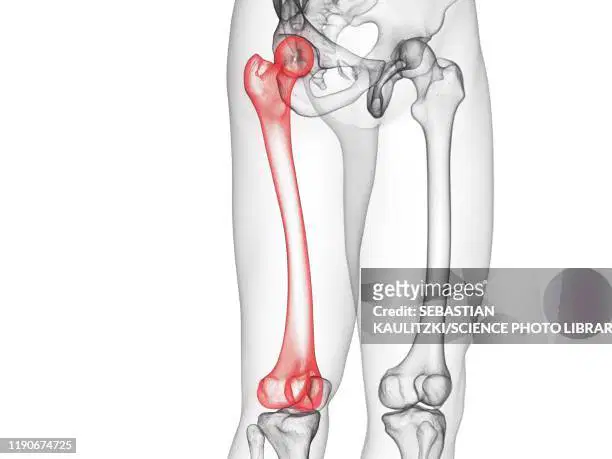
What part of the skeletal system is this?
Tibia
Femur
Skull
Fibula

What part of the skeletal system is this?
Tibia
Femur
Skull
Fibula
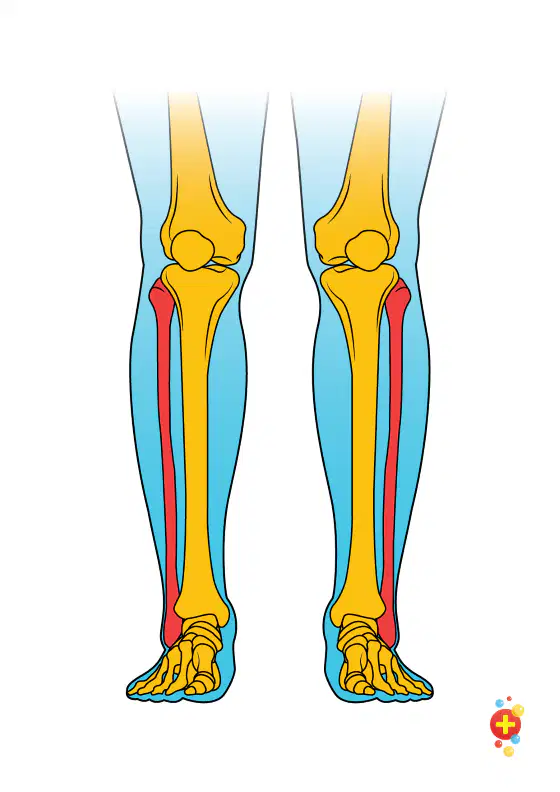
What part of the skeletal system is this? (Red)
Tibia
Femur
Skull
Fibula
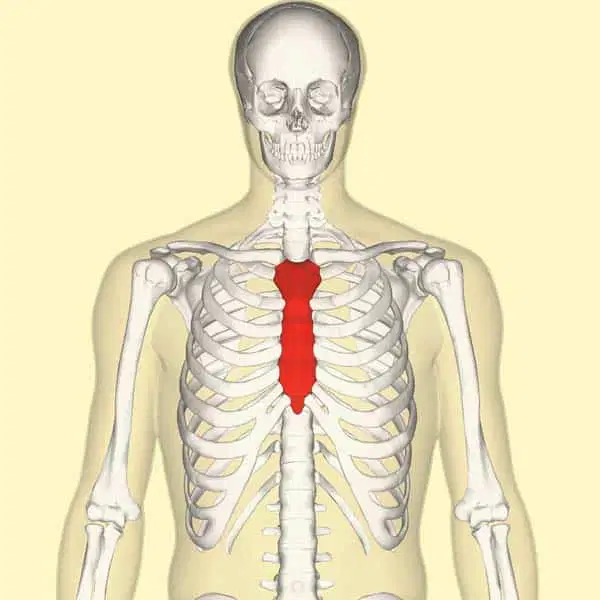
What part of the skeletal system is this?
Ulna
Radius
Patella
Sternum
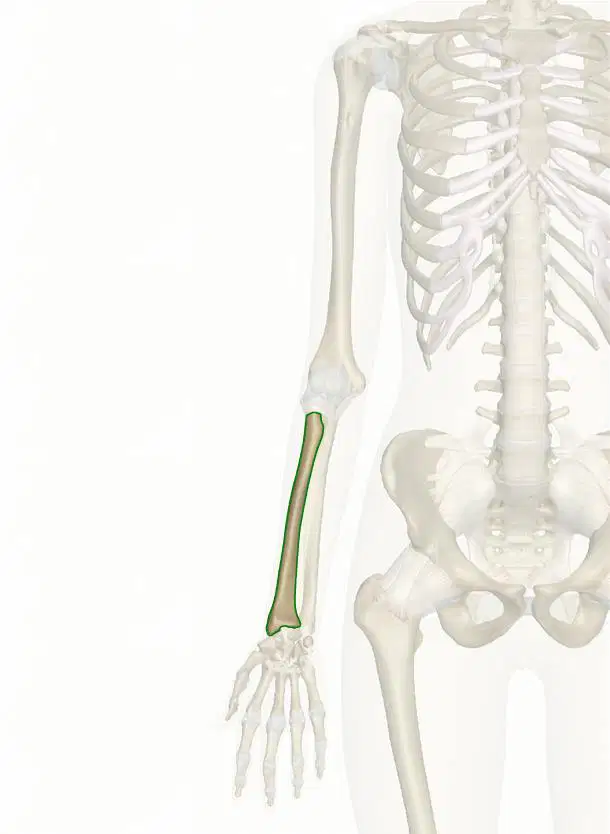
What part of the skeletal system is this?
Ulna
Radius
Patella
Sternum

What part of the skeletal system is this?
Ulna
Radius
Patella
Sternum
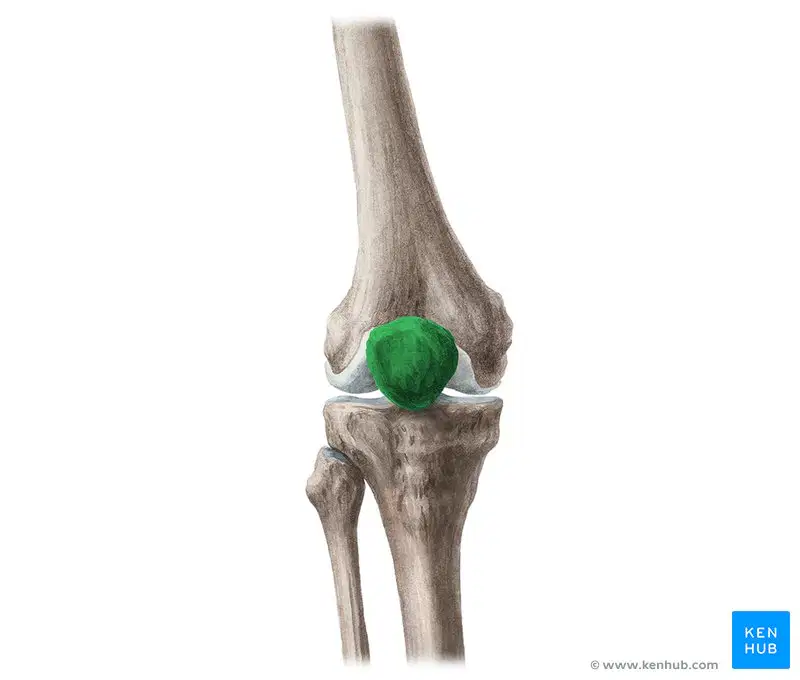
What part of the skeletal system is this?
Ulna
Radius
Patella
Sternum

