wayground logo

Free Printable Worksheets

Font size

S
M
L
XL
Worksheets

Astronomy Quiz

Total questions: 112

Worksheet time: 56mins

Name
Class
Date
1.

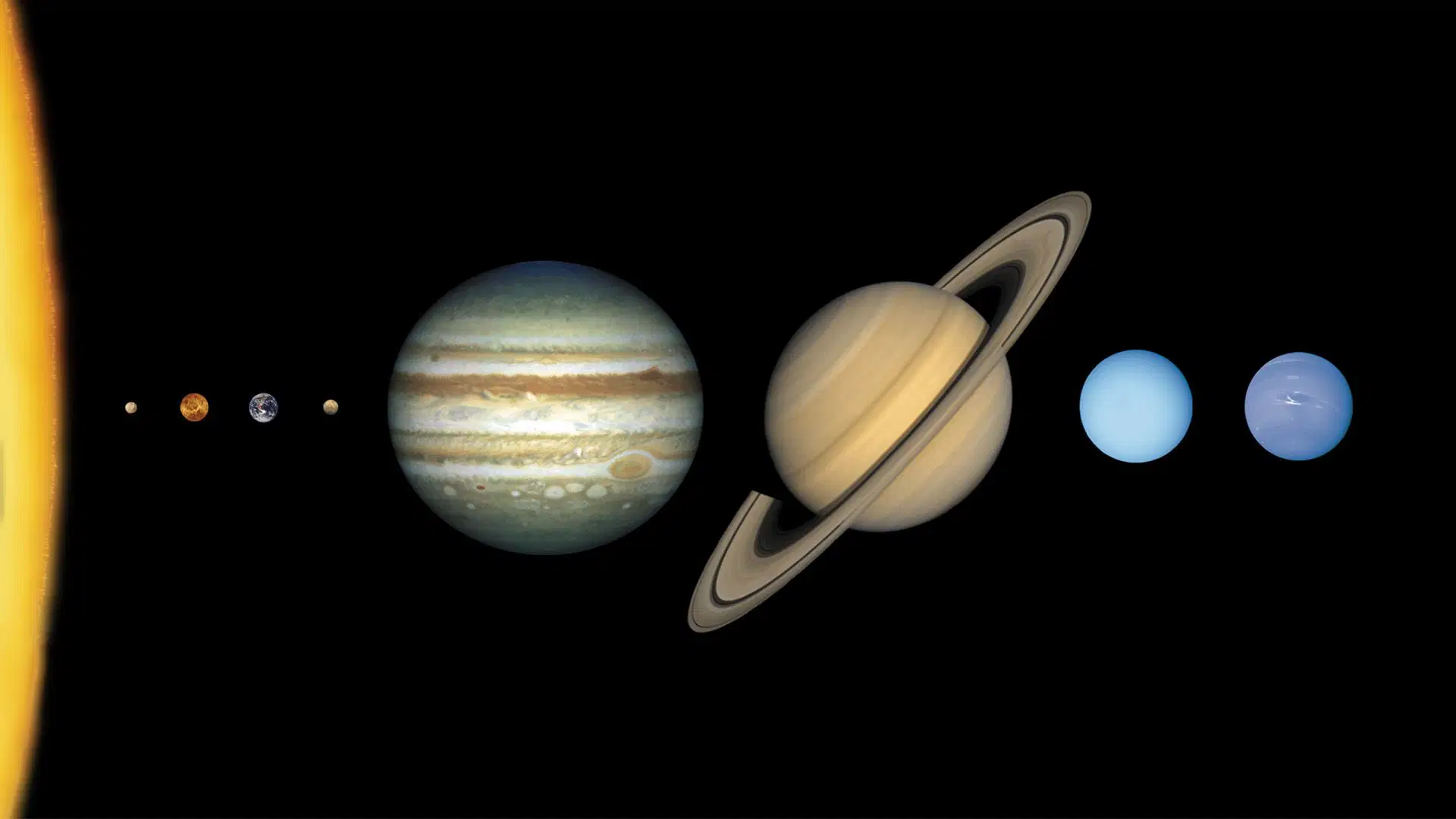
Which planet spins backwards relative to the others?
a)
Saturn
b)
Jupiter
c)
Mars
d)
Venus
2.

What is the second smallest planet in our solar system
a)
Saturn
b)
Jupiter
c)
Mars
d)
Venus
3.

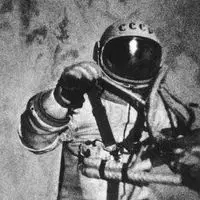
Who was the first person to travel to space?

a)
John Glenn
b)
Yuri Gagarin
c)
Buzz Aldrin
d)
Neil Armstrong
4.

How many planets are in our solar system?

a)
Eight
b)
Ten
c)
Twelve
d)
Five
5.

How many earths could fit inside the sun?
a)
500,000
b)
10,000
c)
Approximately 1.3 million
d)
2.5 million
6.

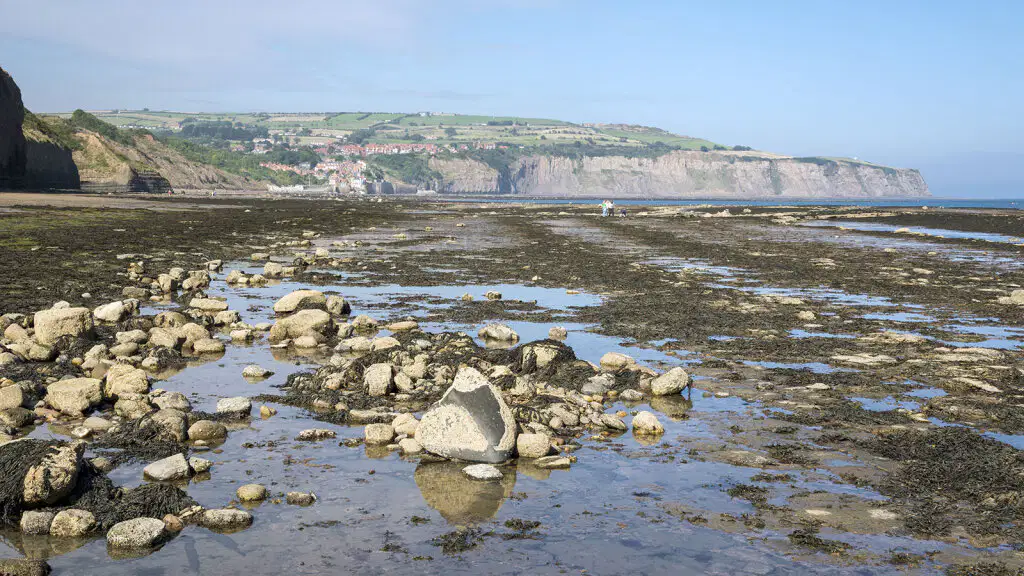
Hesta is which type of celestial body?
a)
Galaxy
b)
Planet
c)
Asteroid
d)
Comet
7.

What causes high and low tide?

a)
Gravitational pull of the moon and the sun
b)
Earth's rotation
c)
Wind patterns
d)
Global warming
8.

How old is the sun?

a)
4.6 billion years
b)
1 billion years
c)
10,000 years
d)
100 million years
9.

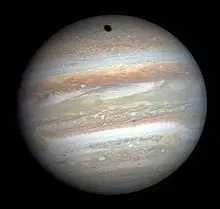
What is the largest planet in our solar system?
a)
Mars
b)
Venus
c)
Saturn
d)
Jupiter
10.

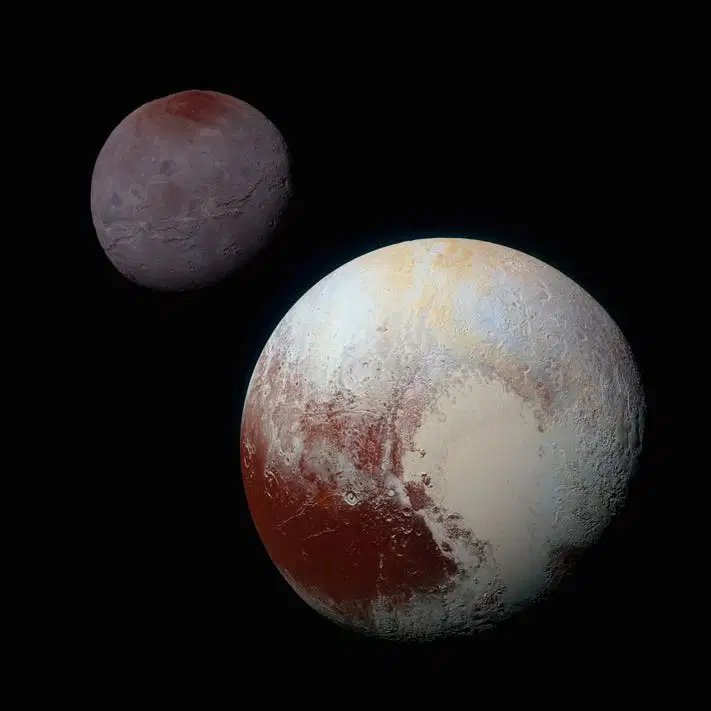
What is the name of Pluto's largest moon?

a)
Mars
b)
Charon
c)
Neptune
d)
Jupiter
11.

What causes solar eclipses?

a)
The sun moving behind the moon
b)
The earth rotating on its axis
c)
The sun burning out temporarily
d)
The moon blocking the sun's light
12.

How many moons does Earth have?

a)
1
b)
3
c)
5
d)
10
13.

How much of the milky way is visible to Earth?

a)
10%
b)
25%
c)
0.0000000000001%
d)
50%
14.

What colour is the sunset on Mars?

a)
Blue
b)
Yellow
c)
Purple
d)
Green
15.

What kind of star is our sun?

a)
Red giant star
b)
White dwarf star
c)
Neutron star
d)
G-type main-sequence star
16.

Which planet is closest in size to Earth?

a)
Venus
b)
Saturn
c)
Jupiter
d)
Mars
17.

Which planet in our solar system has the most Moons?

a)
Venus
b)
Mercury
c)
Jupiter
d)
Mars
18.

Which planet has no moons?

a)
Mercury
b)
Jupiter
c)
Mars
d)
Venus
19.

When do the planets in our solar system all line up?

a)
Every 50 years
b)
Every 100 years
c)
Every 10 years
d)
Never
20.

What protects the Earth form meteoroids?

a)
Earth's magnetic field
b)
The ozone layer
c)
The moon's gravitational pull
d)
Earth's atmosphere
21.

How many planets can be seen from Earth with a telescope?
a)
10
b)
5
c)
12
d)
8
22.

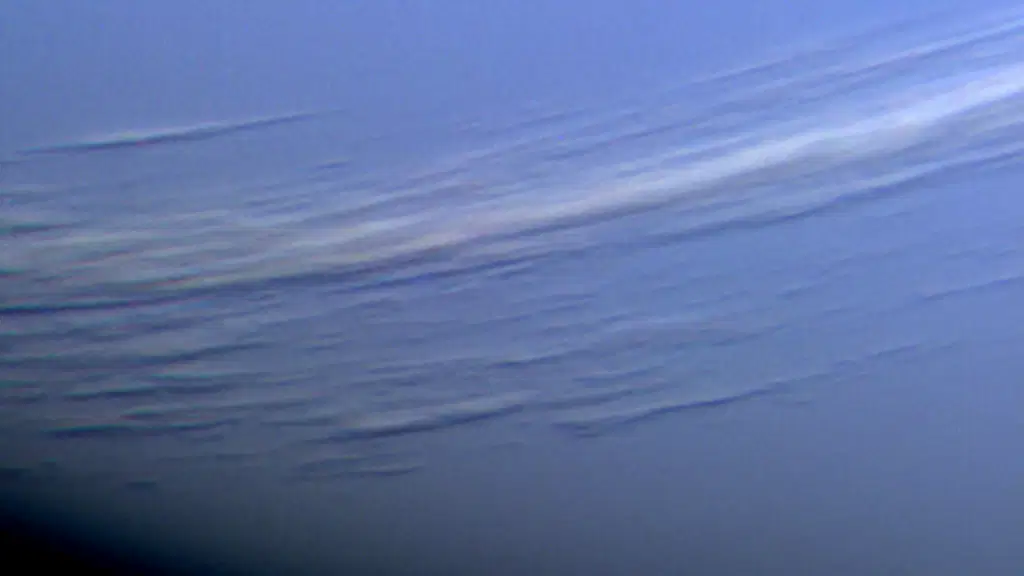
Which planet has supersonic winds?

a)
Earth
b)
Neptune
c)
Jupiter
d)
Mars
23.

How long is one year on Jupiter?

a)
11.86 Earth years
b)
6 months
c)
24 Earth years
d)
365 days
24.

What is the oldest planet in the solar system?

a)
Saturn
b)
Mars
c)
Uranus
d)
Jupiter
25.

How long does it take the Earth to rotate?

a)
48 hours
b)
1 hour
c)
12 hours
d)
24 hours
26.

How di scientists measure the distance between a star and a planet?

a)
Using various methods such as parallax, astrometry, and radar ranging
b)
By using a telescope to physically measure the distance
c)
By measuring the brightness of the star
d)
By counting the number of stars in the galaxy
27.

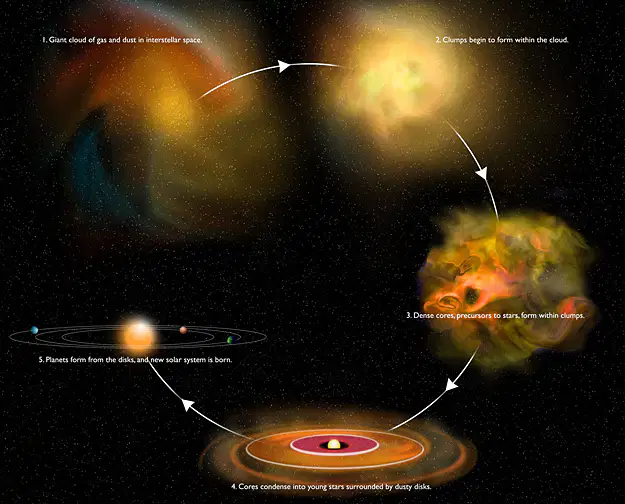
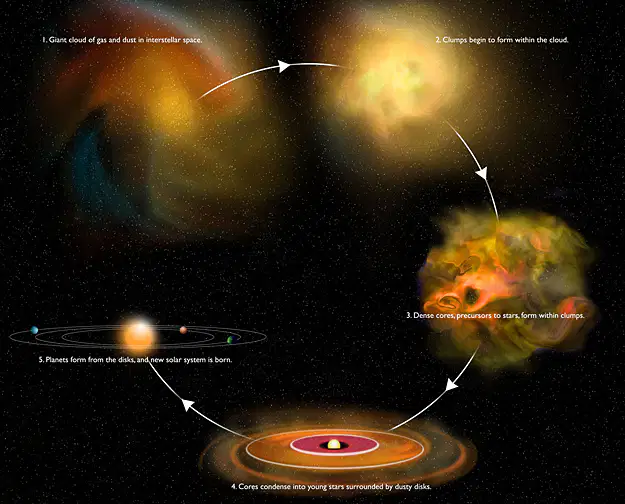
How are stars formed?

a)
Stars are formed from the remains of supernovas that have exploded.
b)
Stars are formed when planets explode and release energy into space.
c)
Stars are formed from clouds of gas and dust in space, which come together due to gravity and eventually ignite nuclear fusion in their cores.
d)
Stars are formed from the collision of asteroids and comets in space.
28.

How old is the Universe?

a)
5.5 billion years
b)
1 billion years
c)
100 million years
d)
13.8 billion years
29.

What does space smell like?

a)
Like fresh flowers and citrus
b)
Similar to ocean breeze and saltwater
c)
Smells like chocolate and vanilla
d)
Similar to seared steak, hot metal, and welding fumes
30.

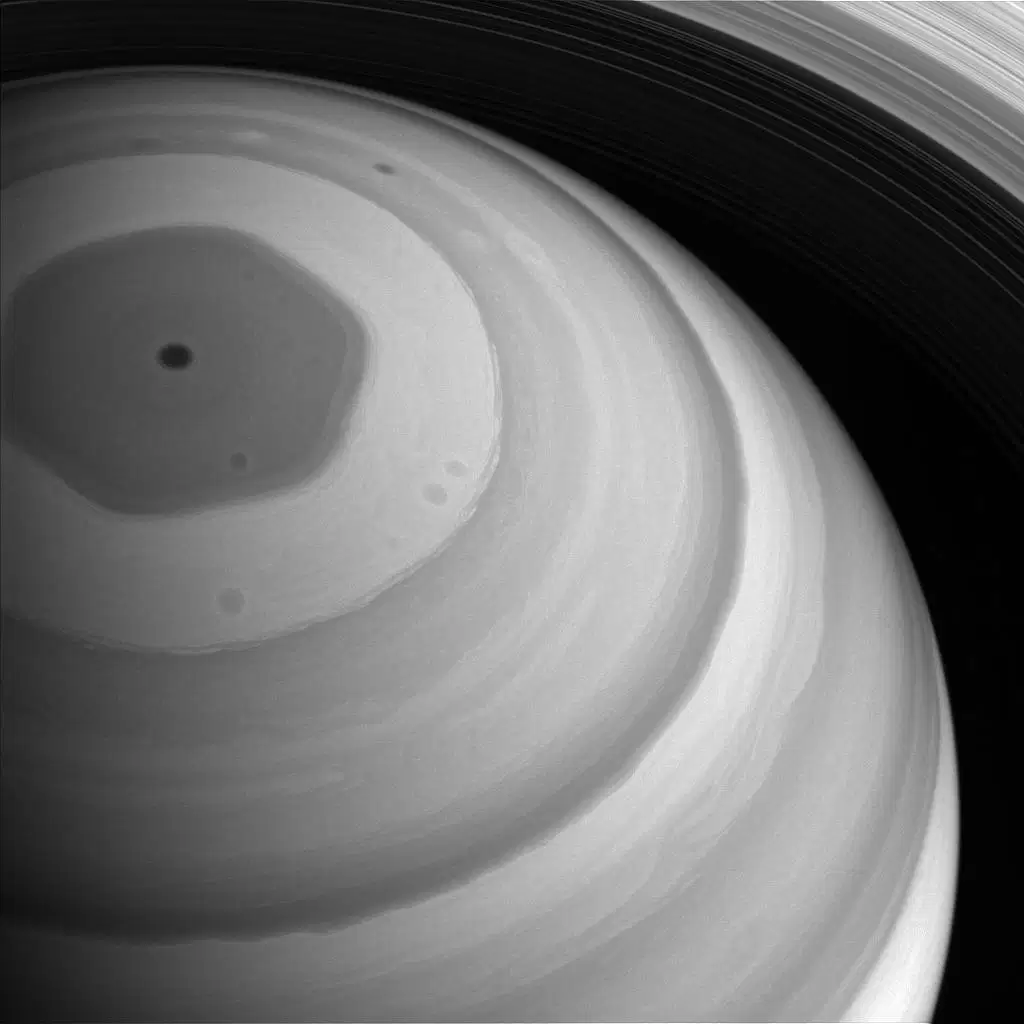
Which planet has a hexagonal shaped storm?

a)
Uranus
b)
Saturn
c)
Jupiter
d)
Mars
31.

Why isn't it possible to walk on Jupiter, Saturn, Uranus or Neptune?

a)
These planets are made of gas, so there is nothing to walk on.
b)
The atmosphere on these planets is too thin to support walking.
c)
The surface of these planets is too hot to walk on.
d)
The gravity on these planets is much stronger than on Earth.
32.

Which planet has the largest ocean?

a)
Venus
b)
Europa
c)
Jupiter
d)
Mars
33.

What do scientists call a disk that circles a black hole?

a)
Rotating disk
b)
Ecliptic disk
c)
Accretion disk
d)
Orbiting disk
34.

How long does each season last on Neptune?

a)
Each season on Neptune lasts for 100 years
b)
Each season on Neptune lasts for around 40 years
c)
Each season on Neptune lasts for 10 years
d)
Each season on Neptune lasts for 365 days
35.

What are the storms produced by the sun called?

a)
lunar storms
b)
solar storms
c)
earthquakes
d)
volcanic eruptions
36.

Which is the hottest planet in the solar system?

a)
Saturn
b)
Venus
c)
Jupiter
d)
Mars
37.

How long does it take the Earth to fully rotate?
a)
1 week
b)
48 hours
c)
12 hours
d)
24 hours
38.

How are stars formed?

a)
From clouds of gas and dust in space
b)
From the cooling of molten lava
c)
From the remains of a supernova explosion
d)
From the collision of two planets
39.

What is the only planet not named after a god?

a)
Venus
b)
Mars
c)
Earth
d)
Jupiter
40.

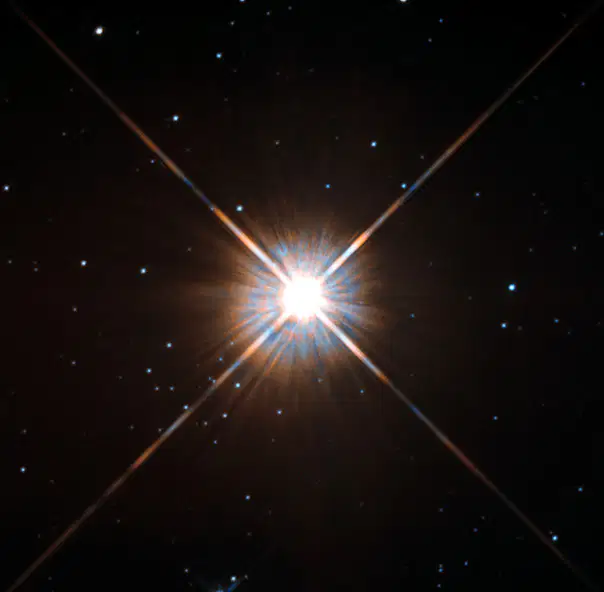
What is the coldest planet in the Solar system?
a)
Venus
b)
Mars
c)
Neptune
d)
Jupiter
41.

How far away is the nearest star (not counting the sun)

a)
100 miles away
b)
10,000 light years away
c)
1 million kilometers away
d)
Approximately 4.24 light years
42.

What is the largest type of sun in the universe?

a)
Hypergiant
b)
Neutron star
c)
White dwarf
d)
Supergiant
43.

What is the most common type of star found in the milky way?

a)
Blue giant star
b)
Yellow supergiant star
c)
Green main sequence star
d)
Red dwarf star
44.

What is at the centre of the milky way?

a)
Supermassive black hole
b)
Alien civilization
c)
Asteroid belt
d)
Giant star
45.

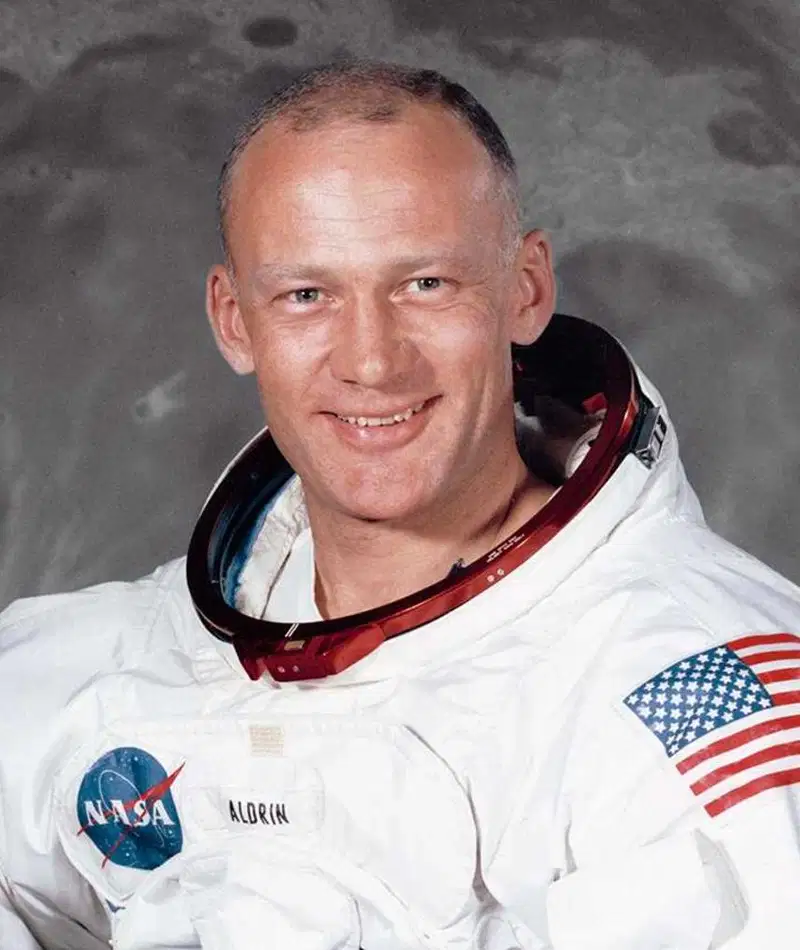
Who was the first man to walk on the moon?
a)
Buzz Aldrin
b)
Michael Collins
c)
John Glenn
d)
Neil Armstrong
46.

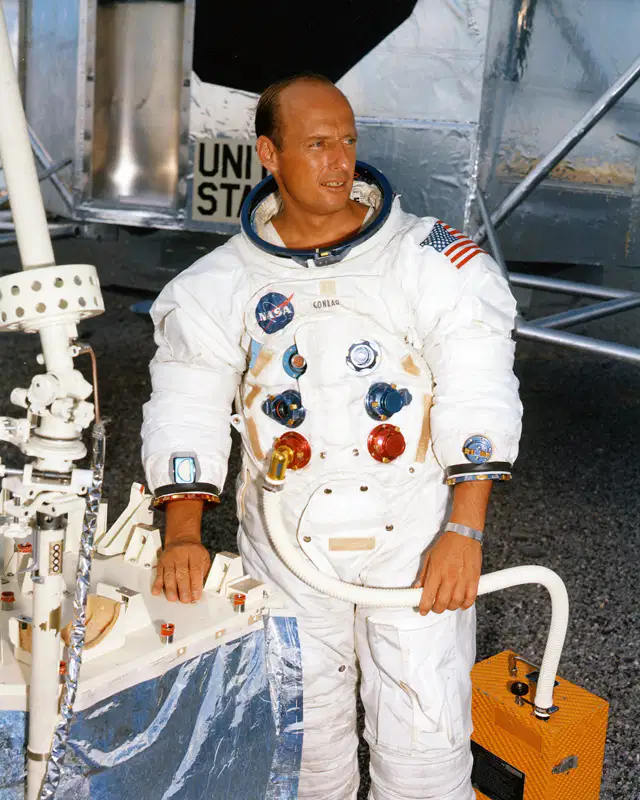
Who was the second man to walk on the moon?
a)
Neil Armstrong
b)
Michael Collins
c)
John Glenn
d)
Buzz Aldrin
47.

Who was the third man to walk on the moon?

a)
John Glenn
b)
Buzz Aldrin
c)
Neil Armstrong
d)
Charles Conrad
48.

Who was the first woman in space?

a)
Sally Ride
b)
Amelia Earhart
c)
Marie Curie
d)
Valentina Tereshkova
49.

What causes the moon to shine?

a)
Bioluminescent organisms on the moon's surface
b)
The moon generates its own light
c)
Reflection of starlight
d)
Reflection of sunlight
50.

What colour is the sunset on mars?

a)
Blue
b)
Yellow
c)
Purple
d)
Green
51.

What colour is Saturn?

a)
Blue
b)
Green
c)
Red
d)
Yellowish-brown
52.

Which planet rotates on it's side?

a)
Mars
b)
Jupiter
c)
Saturn
d)
Uranus
53.

What is the brightest planet in the night sky?

a)
Venus
b)
Saturn
c)
Jupiter
d)
Mars
54.

How long does a solar eclipse last?

a)
A few seconds
b)
All day long
c)
A few minutes to a couple of hours
d)
Only at night
55.

What is the difference between a solar and a lunar eclipse?

a)
A solar eclipse occurs when the earth passes between the sun and the moon, casting a shadow on the moon, while a lunar eclipse occurs when the moon passes between the sun and the earth, blocking the sun's light.
b)
A solar eclipse occurs when the sun passes between the moon and the earth, blocking the moon's light, while a lunar eclipse occurs when the moon passes between the sun and the earth, casting a shadow on the sun.
c)
A solar eclipse occurs when the moon passes between the sun and the earth, casting a shadow on the earth, while a lunar eclipse occurs when the earth passes between the sun and the moon, blocking the moon's light.
d)
A solar eclipse occurs when the moon passes between the sun and the earth, blocking the sun's light, while a lunar eclipse occurs when the earth passes between the sun and the moon, casting a shadow on the moon.
56.

Which planet has the most volcanoes?

a)
Saturn
b)
Venus
c)
Jupiter
d)
Mars
57.

What is a super nova?

a)
A type of pasta dish
b)
A new type of smartphone
c)
A powerful and luminous stellar explosion
d)
A rare flower found in the Amazon
58.

What is a black hole?

a)
A portal to another dimension
b)
A hole that is literally black in color
c)
A type of vacuum cleaner used in space
d)
A region in space where the gravitational pull is so strong that nothing, not even light, can escape from it.
59.

What is it like at the surface of Jupiter?

a)
There is no solid surface on Jupiter.
b)
Jupiter's surface is similar to Earth's
c)
Jupiter's surface is made of solid rock
d)
Jupiter's surface is covered in water
60.

Why does Saturn have rings?

a)
Because aliens placed them there as a decoration
b)
As a result of a collision with another planet
c)
Due to the planet's magnetic field attracting debris
d)
Due to gravitational forces and debris from comets, asteroids, and other objects
61.

How many days does it take the earth to orbit the sun?

a)
365.25
b)
500
c)
100
d)
30
62.

What time of day do you get the shortest shadows?

a)
At midnight
b)
At sunrise
c)
At sunset
d)
At noon
63.

What direction does the sun set?

a)
West
b)
South
c)
North
d)
East
64.

What force holds Earth in orbit around the sun?

a)
Friction
b)
Magnetism
c)
Gravity
d)
Wind
65.

True or false, the moon orbits approximately every 28 days

a)
False
b)
True
66.

What shape is the Earth?

a)
Pyramid
b)
Cube
c)
Cylinder
d)
Sphere
67.

True or false, the sun is a planet

a)
True
b)
False
68.

What planet is closest to the sun?

a)
Jupiter
b)
Mars
c)
Mercury
d)
Venus
69.

Why do we have day and night?

a)
Due to the changing distance between the Earth and the Sun
b)
Because the moon orbits around the Earth
c)
As a result of the Earth's magnetic field
d)
The Earth rotates on its axis, causing different parts of the planet to be in sunlight or darkness at different times.
70.

What is the object at the centre of the solar system?

a)
Moon
b)
Mars
c)
Sun
d)
Jupiter
71.

What kind of food do astronauts eat in space?

a)
Specially prepared and packaged food
b)
Raw meat
c)
Liquid nitrogen ice cream
d)
Fast food
72.

What planet has the biggest ocean?

a)
Earth
b)
Jupiter
c)
Venus
d)
Mars
73.

How many stars make up the big dipper constellation?

a)
7
b)
12
c)
5
d)
3
74.

What is the biggest planet in the solar system?

a)
Saturn
b)
Venus
c)
Mars
d)
Jupiter
75.

What is a galaxy?

a)
A type of rock formation found in deserts
b)
A small insect that glows in the dark
c)
A massive system of stars and other astronomical objects
d)
A type of fruit found in tropical regions
76.

What was the big bang?

a)
A type of firework display
b)
A popular theory in the field of psychology
c)
The name of a famous rock band
d)
The big bang is the initial explosion that started the universe.
77.

What is a planet?

a)
A planet is a man-made satellite
b)
A planet is a large asteroid
c)
A planet is a celestial body that orbits the sun, is spherical in shape, and has cleared its orbit of other debris.
d)
A planet is a type of star
78.

What is gravity?

a)
The study of caves
b)
The color of the sky
c)

The force generated by anything with mass

d)
A type of fruit
79.

What is a solar eclipse?

a)
A solar eclipse is when the Earth passes between the sun and the moon, blocking the moon's light.
b)
A solar eclipse is when the sun passes between the Earth and the moon, blocking the moon's light.
c)
A solar eclipse is when the moon passes between the Earth and the sun, blocking the Earth's light.
d)
A solar eclipse is when the moon passes between the sun and the Earth, blocking the sun's light.
80.

What are the northern lights?

a)
Artificial light displays in the Earth's sky
b)
Reflection of city lights in the atmosphere
c)
Bioluminescent organisms in the ocean
d)

Natural light displays in the Earth's sky generated from the magnetic field.

81.

What protects the Earth from solar radiation?

a)
Magnetic field
b)
Ozone layer
c)
Clouds
d)
Atmosphere
82.

What galaxy are we a part of?

a)
Milky Way
b)
Sombrero
c)
Andromeda
d)
Triangulum
83.

Which planet has no moon?

a)
Mercury
b)
Jupiter
c)
Mars
d)
Venus
84.

How many stars can we see from earth?

a)
10,000 to 15,000
b)
500 to 1,000
c)
100 to 200
d)
2,500 to 3,000
85.

Which way does the earth spin?

a)
From east to west
b)
From west to east
c)
It doesn't spin
d)
It spins vertically
86.

What is an asteroid?

a)
A large, gaseous planet that orbits the Sun
b)
A type of star that emits light and heat
c)
A man-made satellite that orbits the Earth
d)
A small, rocky object that orbits the Sun
87.

What is a solar eclipse?

a)
When the Earth passes between the sun and the moon, blocking the moon's light and casting a shadow on the sun.
b)
When the moon passes between the Earth and the sun, causing the sun to shine brighter.
c)
When the sun passes between the Earth and the moon, blocking the moon's light and casting a shadow on the Earth.
d)
When the moon passes between the sun and the Earth, blocking the sun's light and casting a shadow on the Earth.
88.

What is a lunar eclipse?

a)
A lunar eclipse is when the moon comes between the sun and the Earth, causing the moon to disappear for a short period of time.
b)
A lunar eclipse is when the sun comes between the Earth and the moon, causing the moon to change color.
c)
A lunar eclipse is when the moon moves into the Earth's shadow, causing the moon to rotate on its axis.
d)
A lunar eclipse is when the Earth comes between the sun and the moon, causing the Earth's shadow to fall on the moon.
89.

How many planets are in the solar system?

a)
Ten
b)
Five
c)
Twelve
d)
Eight
90.

What planet is furthest from the sun?

a)
Venus
b)
Mars
c)
Jupiter
d)
Neptune
91.

Where do comets come from?

a)
Created by aliens
b)
Inner core of the Earth
c)
From the moon
d)
Outer regions of the solar system
92.

What is the difference between a comet and an asteroid?

a)
Comets are larger than asteroids.
b)
Comets orbit the sun, while asteroids orbit the moon.
c)
Comets are made of rock, while asteroids are made of ice.
d)
Comets have a tail when close to the sun, while asteroids do not.
93.

Which planet has the most moons?

a)
Jupiter
b)
Mars
c)
Venus
d)
Mercury
94.

What phase of the moon does a lunar eclipse occur?

a)
Full moon
b)
Quarter moon
c)
Half moon
d)
New moon
95.

What is a neap tide?

a)
A neap tide is a tide that occurs when the difference between high and low tide is the greatest
b)
A neap tide is a tide that occurs when the difference between high and low tide is the least.
c)
A neap tide is a tide that occurs when the moon is closest to the Earth
d)
A neap tide is a tide that occurs during a full moon
96.

What is a spring tide?

a)
Tide just after a half moon
b)
Tide just after a quarter moon
c)
Tide just after a new or half moon
d)
Tide just after a new or full moon
97.

What colour is the sun?

a)
Green
b)

yellow

c)

White

d)
Purple
98.

True or false: sound cannot travel in space.

a)
True
b)
False
99.

How far is the Earth tilted?

a)
45 degrees
b)
90 degrees
c)
180 degrees
d)
23.5 degrees
100.

Have aliens ever visited earth?

a)
Yes, and they are living among us
b)
No
c)
Only in ancient times
d)
Yes, multiple times
101.

Do Galaxies rotate?

a)
They move in a straight line
b)
Yes
c)
Only some do
d)
No
102.

How does a black hole form?

a)
A black hole forms when a massive star collapses under its own gravity.
b)
A black hole forms when a comet enters a planet's atmosphere.
c)
A black hole forms when a star explodes.
d)
A black hole forms when two planets collide.
103.

How old is the universe?

a)
13.8 billion years
b)
100 million years
c)
1 billion years
d)
5.5 billion years
104.

How often does a lunar eclipse occur?

a)
Once every 10 years
b)
About every 6 months
c)
Every 2 weeks
d)
Once in a lifetime
105.

How often does a solar eclipse occur?

a)
Every 10 years
b)
Approximately every 18 months
c)
Once every 5 years
d)
Once in a lifetime
106.

What planet is sometimes called the red planet?

a)
Uranus
b)
Mars
c)
Saturn
d)
Jupiter
107.

What planet has the highest mountain in the solar system?

a)
Earth
b)
Venus
c)
Mars
d)
Jupiter
108.

The moon titan orbits which planet?

a)
Mars
b)
Saturn
c)
Jupiter
d)
Neptune
109.

What is a moon?

a)
A natural satellite that orbits a planet
b)
A type of bird that can fly
c)
A large body of water on Earth
d)
A type of cheese that comes from cows
110.

What is a supernova?

a)
A small and dim star
b)
A type of black hole
c)
A planet in our solar system
d)
A powerful and luminous stellar explosion
111.

What is a nebula?

a)
A type of flower found on Earth
b)
A small planet near the sun
c)
A species of bird that migrates long distances
d)
A cloud of gas and dust in outer space
112.

How long between high and low tides on earth?

a)
approximately 48 hours
b)
approximately 12 hours
c)
approximately 6 hours
d)
approximately 24 hours