
 Worksheets
Curriculum Evaluation Quiz
Total questions: 38
Worksheet time: 20mins
What is the purpose of using quantitative methods for curriculum evaluation?
To create a subjective evaluation based on personal opinions
To make the evaluation process more time-consuming and inefficient
To provide numerical data and statistical analysis for measuring effectiveness and efficiency.
To ignore the need for data and rely solely on qualitative analysis
Explain the difference between quantitative and qualitative methods for curriculum evaluation.
Quantitative methods are used for small sample sizes, while qualitative methods are used for large sample sizes.
Quantitative methods involve numerical data and statistical analysis, while qualitative methods involve non-numerical data and in-depth understanding.
Quantitative methods involve non-numerical data and in-depth understanding, while qualitative methods involve numerical data and statistical analysis.
Quantitative methods focus on subjective data, while qualitative methods focus on objective data.
How can stakeholders be involved in the curriculum evaluation process?
Ask the stakeholders to prepare questions to test their knowledge about the curriculum
Seek input through surveys, interviews, focus groups, and feedback sessions
Seek decisions from stakeholders about all aspects of the curriculum
Select a few stakeholders to join all curriculum meetings
What is the importance of feedback and learning in curriculum evaluation?
Feedback and learning are not important in curriculum evaluation.
Feedback and learning are important in curriculum evaluation, but they are not prioritized.
Feedback and learning are important in curriculum evaluation, but they are only considered after the evaluation process is completed.
Feedback and learning are important in curriculum evaluation, and they are emphasized along with the involvement of stakeholders and the intended use of the evaluation findings.
What is the primary focus of outcome-based evaluation in curriculum?
Measuring the length of the curriculum
Assessing the achievement of specific learning outcomes or goals.
Counting the number of students in the curriculum
Evaluating the color of the curriculum
What are the advantages of using quantitative methods in curriculum evaluation?
Qualitative and descriptive analysis
Objective and measurable results
Subjective and immeasurable results
Inaccurate and unreliable data
What are some of the challenges associated with using qualitative methods in curriculum evaluation?
Subjectivity, lack of generalizability, potential for researcher bias
Inability to measure quantitative outcomes
Over-reliance on statistical data
Difficulty in replicating results
Why is stakeholder involvement important in curriculum evaluation?
To make the curriculum more confusing for everyone
To ensure that the curriculum meets the needs and expectations of all parties involved.
To waste time and resources
To ensure that the curriculum only meets the needs of a select few
How can curriculum evaluation benefit from involving teachers, students, and administrators in the evaluation process to gather their input and feedback on the curriculum's effectiveness?
It can provide diverse perspectives and insights into the curriculum's impact on different stakeholders.
It can create a more comprehensive and holistic understanding of the curriculum's strengths and weaknesses.
It can foster a sense of ownership and collaboration among the stakeholders in improving the curriculum.
All of the above
How can outcome-based evaluation help in improving the curriculum?
By ignoring the actual results and impact of the learning outcomes
By relying solely on student feedback for evaluation
By identifying the strengths and weaknesses of the curriculum through focusing on the actual results and impact of the learning outcomes.
By focusing only on the theoretical aspects of the curriculum
What is the strength of Tyler's Model?
Objectives are clearly defined
Uses a small range of performance objectives
Content selection is within a limited range of skills and knowledge
Learning experiences are individual-centric
What is the definition of Program of Study?
Planned learning over a multi-year period for a given discipline or area of study.
Planned learning experiences for period of 1 year of less for a given field of study.
Planned learning over a multi-year period for a given group of learners.
The definition of Field of Study is..
What is the phase in curriculum development that involves putting the planned curriculum into action?
Curriculum Development
Curriculum Implementation
Curriculum Change
Curriculum Evaluation
What approach gives teachers the freedom to determine what they see best to implement in the classroom?
Traditional approach
Modern approach
Laissez-faire approach
Authoritarian control approach
Which approach involves teachers being directed by authority figures through a memorandum to implement a curriculum?
Traditional approach
Modern approach
Laissez-faire approach
Authoritarian approach
It focuses on the gathering of data to determine the extent and nature of the resistance in order to deal with it appropriately.
Organizational development model
Overcoming resistance to change model
Linkage model
Leadership-obstacle course model
Instructional materials must be connected with ___.
the course guide
the curriculum
the teaching technique
students' levels of competencies
Under which phase/s of curriculum development does setting goals and object fall?
Planning
Implementation
Planning and Implementation
Implementation and Evaluation
Preparation for instructional material falls under what phase/s of curriculum development?
Planning and implementation
Implementation and evaluation
Planning
Evaluation
What is the expected role of learners in preparing the aims, goals and objectives of the curriculum?
Act in a make-believe situation
Perform in the real world
Participate as citizens in a democratic country
Engage as expected in the classroom
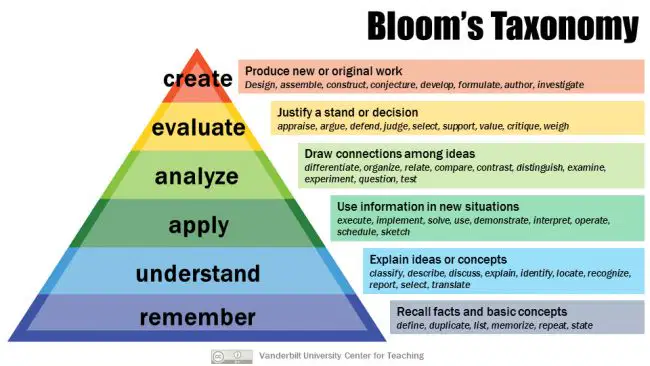
According to Bloom's taxonomy, what is the lowest level of question in the cognitive domain that an educator could use?
comprehension
knowledge
application
analysis
What curriculum is an educator using when students are confronted with a scenario and asked to generate hypotheses and solutions?
program-based
concept-based
computer-based
problem-based

Which evaluation is this?
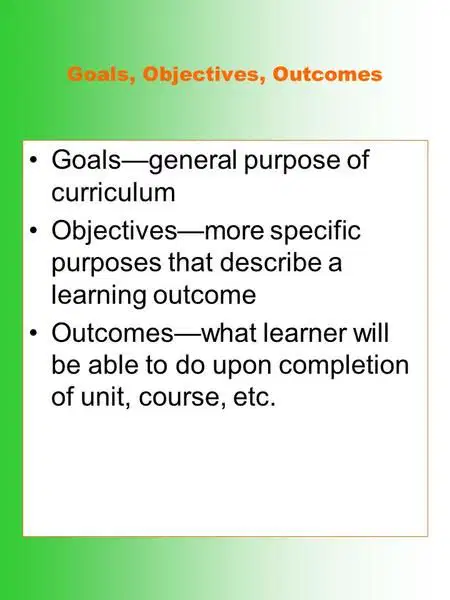
Which evaluation emphasis on the statement above?
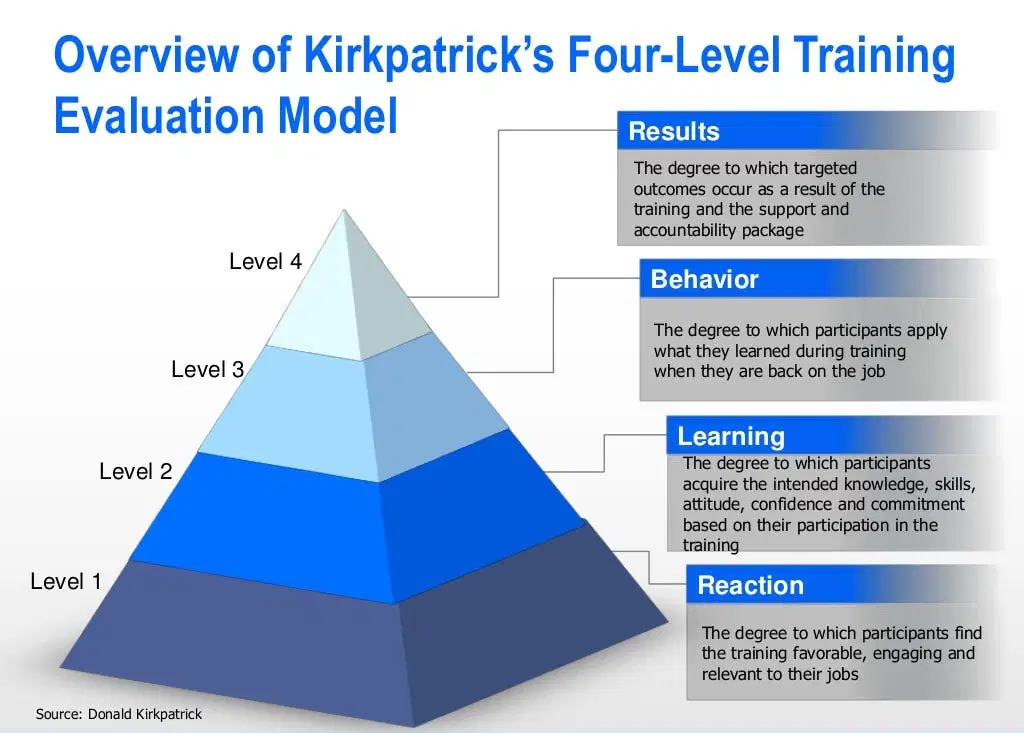
What are the four Kirkpatrick's levels of education?
Fix the perceptions and goals of the curriculum
Judge the pressures for curriculum implementation
What is the main aspect of evaluating a curriculum?
Necessary aspect
Effective aspect
Efficient aspect
Complex aspect
Why is it important to assess the existing curriculum in curriculum development?
To determine the value of the program
To provide information about the educational program
To compare the performance of the curriculum
To review and make changes to the current curriculum
What is the difference between assessment and evaluation in terms of evidence?
Assessment can include homework, evaluation cannot
Assessment can include group marks, evaluation cannot
Assessment can include peer marks, evaluation cannot
Assessment can include rich performance tasks, evaluation cannot
What is a key characteristic of effective assessment?
Identify learning goals, create effective classroom discussions, provide feedback, and empower students
Assign grades, compare students, rely on standardized tests, and ignore student feedback
Follow a rigid structure, use only exams, rely on textbooks, and avoid discussions
Ignore curriculum expectations, discourage student participation, provide vague feedback, and limit student autonomy
What should educators do when planning assessment and instruction?
Identify criteria for assessment, establish performance standards, and communicate learning expectations
Ignore criteria for assessment, establish subjective standards, and keep learning expectations vague
Rely on standardized tests, assign grades without criteria, and avoid communicating learning expectations
Make up criteria for assessment, establish arbitrary standards, and keep learning expectations hidden

