
 Worksheets
7th Grade First Semester Science Final
Total questions: 202
Worksheet time: 6hrs 16mins

Place the following in order
Question
Hypothesis
Experiment
Conclusion
Analyze
The first step in the Scientific Method is ___________?
State your HYPOTHESIS
RESEARCH
MAKING AN OBSERVATION
ANALYZING DATA
After you make an observation you state the ____________?
Problem/Question
Hypothesis
Conclusion
Research
An educated GUESS OR PREDICTION
CONCLUSION
RESEARCH
ANALYZE
HYPOTHESIS
LISTING PROCEDURES AND MATERIALS ARE PART OF THE __________?
EXPERIMENT
QUESTION
HYPOTHESIS
CONCLUSION
A SUMMARY OF YOUR RESULTS
CONCLUSION
HYPOTHESIS
QUESTION
DATA
THE PART OF THE EXPERIMENT THAT DOESN'T CHANGE
CONTROL
INDEPENDENT VARIABLE
DEPENDANT VARIABLE
THE PART OF THE EXPERIMENT THAT YOU ARE INVESTIGATING
CONTROL
INDEPENDENT VARIABLE
DEPENDENT VARIABLE
THE PART OF THE EXPERIMENT THAT CHANGES AS A RESULT.
CONTROL
INDEPENDENT VARIABLE
DEPENDENT VARIABLE
THE PART OF THE EXPERIMENT THAT DOESN'T CHANGE
CONTROL
INDEPENDENT VARIABLE
DEPENDANT VARIABLE
THE PART OF THE EXPERIMENT THAT YOU ARE INVESTIGATING
CONTROL
INDEPENDENT VARIABLE
DEPENDENT VARIABLE
What is the 1st of the scientific method?
observation
question
method
hypothesis
What is the 2nd step of the scientific method?
method
hypothesis
question
observation
What is the 3rd step of the scientific method?
method
result
observation
hypothesis
What is the 4th step of the scientific method?
hypothesis
method
result
observation
What is the 5th step of the scientific method?
result
method
conclusion
question
give step by step instructions to conduct the experiment
hypothesis
result
method
conclusion
ask questions about what you observed
observation
question
method
hypothesis
form an educated guess to your questions
conclusion
observation
hypothesis
method
study something using your five senses
hypothesis
observation
method
question


The illustration shows some of the organisms in an ecosystem.
Which organism is the MOST LIKELY food source for the deer?
mountain lion
plant
hawk
squirrel

These two species of birds, the egret and heron, eat the same types
of fish as their maindiet. They live in the same ecosystem.
How would the egrets in this area MOST LIKELY respond if all of the herons were removed from the area?
They would move to different ponds.
They would change to another diet.
They would build fewer nests.
They would have an increase in population.
What do producers need to make their own food?
Heat, carbon dioxide, and water
Sunlight, oxygen, and water
Heat, carbon dioxide, and oxygen
Sunlight, carbon dioxide, and water

In 2011, fires in Bastrop County, Texas, were the most destructive
wildfires in Texas history.
The fire spread through the Loblolly pine trees and scorched
nearly 5,700 acresof Bastrop State Park.
The majority of the Houston Toad’s habitat was lost, and
the Lost Pines Forest was heavily affected.
A food web of the Bastrop State Park environment is shown below.
The loss of habitat for the Houston Toad most likely affected
the food web by -
causing a decrease in the number
of wildflowers
causing an increase in the number
of insects
causing a decrease in the number
of armadillos
causing an increase in the number
of opossums

Look at the food web of a pond ecosystem.
Which food chain shows the correct flow of energy in the pond
of the food web?


Which of the following statements describes how consumers get food?
Consumers are able to make
their own food.
Consumers must get food
from other organisms.
Consumers make food or get food
from other organisms.
Consumers use sunlight and
carbon dioxide for food.

The diagram shows a grassland food web.
The grassland ecosystem is experiencing a drought where very little
rain has fallen for many years.
How would the organisms in the grassland ecosystem be affected
by the drought?
There would be fewer shrubs
and there would be more deer.
There would be fewer numbers of
each type of organism.
There would be more numbers of
each type of organisms.
There would be fewer hawks and
there would be more mice.

Look at the desert food web.
What organism will possibly die out if the feather grass were removed from the desert?
Jackrabbit
Grasshopper
Desert tortoise
Desert fox

Look at the table.
Based on the Properties of Aquatic Organisms table, which organism is a producer?
Grass Shrimp
Phytoplankton
Water Snail
Zooplankton
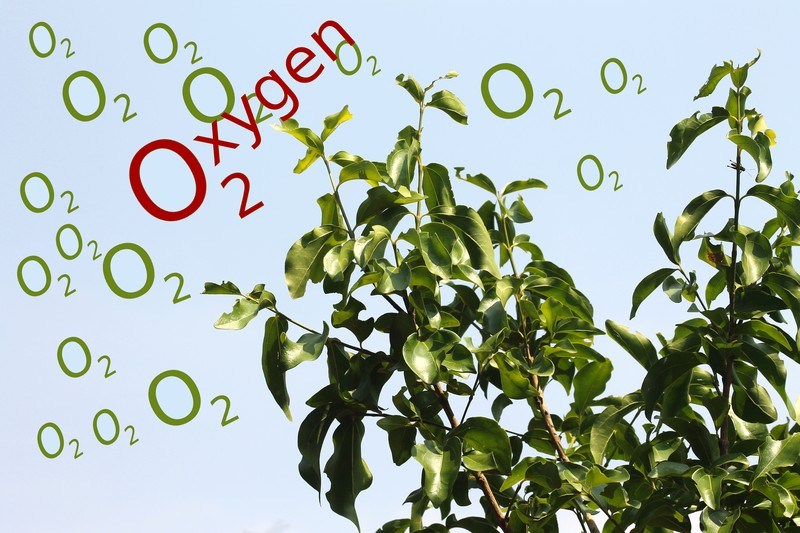
The illustration demonstrates the relationship between plants, their environment, and the Sun. The plant uses the energy from the sunlight to produce glucose from carbon dioxide and water, while oxygen is also produced and released.
What is the purpose of this process?
Producers making their own food
Consumers making their own food
Producers consuming carnivores
Producers consuming herbivores
The leaves of most plants make food, using the Sun's energy, for the plant to grow. But leaves can cause a plant to lose water. This can cause the leaves to wilt, and the plant could die. Which of the following plants has leaves that are BEST adapted to prevent water loss in hot, dry climates?


A grassland food web is shown.
How many organisms obtain their energy only from producers?
3
4
5
6

Look at the picture of the forest.
What prevents the small trees in the forest from growing larger?
Less rain reaches the smaller trees.
Less sunlight reaches the smaller trees.
Less soil reaches the smaller trees.
Less rain, sunlight and soil reaches the smaller trees.
The diagram shows a grassland food web.
The grassland ecosystem is experiencing a drought where very little
rain has fallen for many years.
How would the organisms in the grassland ecosystem be affected
by the drought?
There would be fewer shrubs
and there would be more deer.
There would be fewer numbers of
each type of organism.
There would be more numbers of
each type of organisms.
There would be fewer hawks and
there would be more mice.


Observe the food chain above. Which organism’s population would increase if finches were removed from the ecosystem?
Grass
Grasshopper
Snake
Hawk
A fire destroyed the habitat of the Houston Toad.
The loss of habitat for the Houston Toad most likely affected
the food web by -
causing a decrease in the number
of wildflowers
causing an increase in the number
of insects
causing a decrease in the number
of armadillos
causing an increase in the number
of opossums

The diagram shows an incomplete food chain. Which of the following would best complete this food chain?
Producer
Consumer
Decomposer
Animal

How would the removal of earthworms from the food chain affect the other organisms?
The number of bass will increase.
The number of crayfish will decrease.
The crayfish will get their energy directly from the sun.
The number of bass and ospreys (bird) will increase.

The picture shows the energy flow through a meadow community. Which of the following would most likely occur to the populations within the community of organisms immediately after a wildfire burns the environment?
Hawks would increase and foxes would increase.
Hawks would decrease and foxes would increase.
Meadow plants would increase and rabbits would decrease.
Meadow plants would decrease and rabbits would decrease.

If a disease kills most of the gazelles, what would happen to the zebra population?
The zebra population would decrease because the lions and cheetahs would eat more zebras.
The zebra population would decrease because the gazelles are eating less grass.
The zebra population would increase because the population of lions and cheetahs would increase.
The zebra population would not be affected by a change in the gazelle population

A producer is something that:
Eats plants
Makes its own food
Eats animals
Eats plants and animals
Consumers...
Make their own food
Go through photosynthesis
Eat other organisms
Breathe in carbon dioxide
Which of these things is NOT a consumer
Human
Whale
Tree
Chicken
As you move through a food chain, the amount of energy stored....
Increases
Decreases
Stays the same
It depends on the ecosystem

How much energy does trophic level 2 store from trophic level 1? (and so on..)
1%
10%
50%
100%
Arrows in a food web show the flow of
energy
protein
nutrients
glucose
An autotroph is another word for a ________, meaning it needs to ________
Consumer, eat other animals
Consumer, eat other plants
Producer, make its own food
Producer, survive without water
An heterotroph is another word for a ________, meaning it needs to ________
Consumer, eat other organisms
Consumer, go through photosynthesis
Producer, make its own food
Producer, survive without water

Mushroom (Fungus)
Decomposer
Producer
Consumer

Cactus
Abiotic
Biotic

What are the two REACTANTS in photosynthesis?
Carbon dioxide and oxygen
Water and sunlight
Water and carbon dioxide
Glucose and sunlight

What are the PRODUCTS in photosynthesis?
Sunlight and water
Carbon dioxide and water
Glucose and carbon dioxide
Glucose and oxygen
What are the two REACTANTS in photosynthesis?
Carbon dioxide and oxygen
Water and sunlight
Water and carbon dioxide
Glucose and sunlight

Is wind a biotic or abiotic factor?
biotic
abiotic

Is soil a biotic or abiotic factor?
biotic
abiotic

Are rocks biotic or abiotic factors?
biotic
abiotic

Are producers biotic or abiotic factors?
biotic
abiotic

Are consumers biotic or abiotic factors?
biotic
abiotic

Are decomposers biotic or abiotic factors?
biotic
abiotic
Abiotic factors are ___________.
non-living parts of an ecosystem
living parts of an ecosystem
things that once were alive, but now are dead
not important parts of ecosystems.
An ecosystem is made up of __________.
living things only
non-living things only
both living and non-living things
What does the word root 'bio-' mean?
living
dead
science
study

An angler fish has a fleshy growth on its head that gives off light. This part acts as a lure to help the angler fish catch its prey. An anglerfish is an example of which type of factor?
Biotic
Abiotic

Is a rose an abiotic or biotic factor?
abiotic
biotic
Abiotic means
living
nonliving
Temperature is an example of what kind of factor?
biotic
abiotic
dead
living
Which of the following is a BIOTIC factor?
sun
temperature
soil
grass
What is an example of a BIOTIC factor?
bear
rocks
soil
water
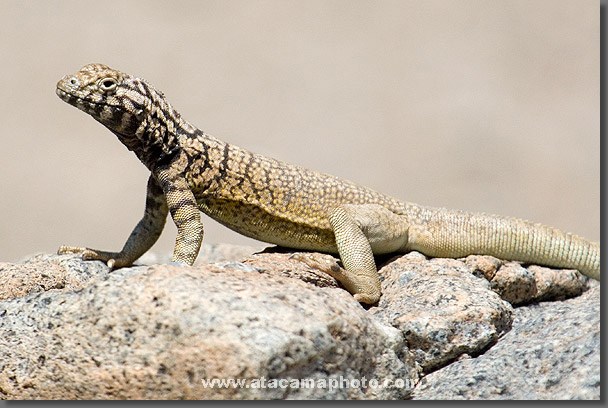
An organisms in an environment is a _______.
abiotic factor
biotic factor
Lizards and cacti are BIOTIC factors in a desert ecosystem. Which ABIOTIC factors to they depend on?
insects and sun
water and insects
snakes and temperature
water and soil
Select all the ABIOTIC factors
bacteria
minerals
sunlight
temperature
mushrooms
Which of the following is an ABIOTIC factor that could affect BIOTIC factors?
Population of rabbits.
Length of daylight.
Presence of harmful bacteria.
Number of herbivores.
Which is an example of a seasonal change to a BIOTIC factor?
Temperatures get cooler in the fall.
Hours of sunlight increase the summer.
Birds fly south for the winter.
Rainfall increases in the spring.
"Bio" is a prefix that means...
not
life
book
science
How do you find the range of a set a data?
the biggest number minus the smallest number in the group
the smallest number minus the biggest number in the group
the biggest number plus the smallest number in the group
the smallest number multiplied by the biggest number in the group
What is the final step in the scientific method?
Write a conclusion about your results
Record and analyze the data
Form a hypothesis
Research your topic
What is the purpose of the scientific method?
To solve problems and create experiments
To research new information
To practice safety
To become a scientist
Why is the following considered a bad hypothesis? "If your plants grew taller, then they were given fertilizer."
It doesn't have "if" and "then"
The prediction is wrong
The independent and dependent variable are in the wrong order
This is a good hypothesis
Jennifer wants to know if students do better on their homework if they listen to classical music or hip hop music. What is the independent variable in this experiment?
Students' grades on homework
The age of the students
The volume of the music
The type of music
A dependent variable is __________.
What is measured in an experiment
What you change in an experiment
A prediction about an experiment
What stays the same in an experiment
What does a good scientific question need to have?
It needs to have an independent variable
It needs to have a dependent variable
It need to be measurable
All of these are needed in a good scientific question
When graphing data, where do you place your independent variable?
y-axis
x-axis
in the title
it does not need to go on the graph
What is an example of an inference?
It is going to rain later today.
The clouds are dark gray.
The temperature is 67 degrees Fahrenheit.
All of these are examples of inferences.
What is a procedure?
Step by step instructions
Safety rules
What stays the same in an experiment
A prediction
"Do new shoes make you run faster?" In this example, why can't the speed of the runner be a constant?
Because the speed of the runner is the independent variable so it cannot be a constant
Because the speed of the runner in the dependent variable so it cannot be a constant
Because the speed is not measurable so it cannot be a constant
The speed of the runner is a constand
What is the first step in the scientific method?
Form a hypothesis
Make an observation and ask a question about it
Research your topic
Record and analyze data
The third step of the scientific method that involves making an educated guess about what will happen.
experiment
conclusion
gather information
question
hypothesis
The first step of the scientific method that involves thinking about what you want to know.
experiment
question
hypothesis
data
gather information
The sixth step of the scientific method that involves using the data gathered from your experiment to explain what happened.
conclusion
question
hypothesis
gather information
data
The fifth step of the scientific method that involves making observations and recording what you see happening in a table, chart, or graph.
gather information
data
hypothesis
conclusion
experiment
The variable that you keep the same to ensure that your experiment is valid.
independent variable
dependent variable
controlled variable
The variable that you are measuring in the experiment (this is where your quantitative data comes from).
independent variable
dependent variable
controlled variable
Data that includes numbers (measurements and amounts).
qualitative data
quantitative data
Data that does not include numbers, but describes things instead.
qualitative data
quantitative data
Which step of the scientific method is this example-
Does the volume of water change when it freezes?
question
hypothesis
experiment
data
conclusion
Which step of the scientific method is this example-
Using clear containers with measurement marks, I will compare the volume of a glass of water at room temperature with a glass of frozen water.
question
hypothesis
experiment
data
conclusion
Which step of the scientific method is this example-
After consistent results, I found that water increases in volume when it freezes.
question
hypothesis
experiment
data
conclusion
Which step of the scientific method is this example-
Container #: State of Water: Height:
1- water =14.0 mL, ice =14.8 mL
2-water=20.0 mL, ice= 20.8 mL
3-water= 24.0 mL, ice=24.9 mL
question
hypothesis
experiment
data
conclusion


Which biome is hot all year with wet and dry seasons?
tropical rainforest
arctic tundra
temperate grassland
desert

Biome with plants and grasses, but no trees.
grassland
desert
forest
arctic tundra


Animals that live in the desert have adapted to live with little water since the desert gets little rainfall.

Which biome has the most biodiversity(variety of life)?
Desert
Temperate Deciduous Forest
Savanna
Tropical Rainforest
__________ are trees that have cones and needle-like leaves.
Canopy
Conifers
Deciduous
Ferns
What is one of the main reasons a biome is different from another?
Sunlight
Altitude
Biodiversity
Precipitation
A group of ecosystems with similar climates and types of organisms is called
Ecosystem
Biome
Community
Hemisphere
Deciduous means
"to fall off"
"to add"
"to stay attached"
"to be active"
__________ are trees that have cones and needle-like leaves.
Canopy
Conifers
Deciduous
Ferns
What is one of the main reasons a biome is different from another?
Sunlight
Altitude
Biodiversity
Precipitation
__________ are trees that have cones and needle-like leaves.
Canopy
Conifers
Deciduous
Ferns
Living factors or organisms that affect an ecosystem...
abiotic factors
species
trophic level
biotic factors

All speckled sting-ray that live in the Pacific Ocean
Jacob is going out to his grandparents farm. On the farm is a stream that he likes to fish in. While he is fishing he sees many different species of fish as well as maple and oak trees and dragonflies. What Jacob is seeing is an example of what level of organization?
organism
population
community
ecosystem
Trees, shrubs, grasses, air temperature, soil pH, water quality, etc. found in a given area are known as a(n)...
population
ecologist
community
ecosystem
One lion within a pride of lions is known as a(n)...
population
organ system
organism
community

A group of the same type of organisms living in the same place at the same time is called a/an ----
ecosystem.
population.
community.
biome.

Which DOES NOT represent an ecosystem?
A
B
C
D
Biomes are ---
Abiotic and biotic factors in an area.
A collection of many ecosystems with similar climates.
Many populations together.
The levels of organization pyramid.
Andrea is on the girls cross country team. She is heading out for a run when she comes across 20 Canadian geese. What level of organization is this group of Canadian geese?
organism
population
community
biome
What is Ecology?
It is the study of the Earth.
It is the study of how organisms interact with each other and their environment.
It is the study of recycling.
Also known as a biome, includes all the living and nonliving features of an environment.
ecosystem
community
population
Nonliving factors that affects an ecosystem are called...
biotic factors
abiotic factors
biome factors
What word best describes the mammals, fish, birds, and plants, as well as the sun, soil, air, and water in an environment?
abiotic
ecosystem
community
The five levels of organization in the environment, from the first to the fifth level are_________________
organism, population, biosphere, ecosystem, community
organisms, population, biotic elements, abiotic elements
organism, population, community, ecosystem, biosphere
A tick and a dog have this type of relationship.
mutualism
commensalism
parasitism
Something that is biotic is...
non-living (never living)
living (or once was alive)
Which of the following images is an example of a community?


What level of organization can be observed in the image?
community
organism
ecosystem
population

What is the correct measurement?
3 1/4"
(3.25 in.)
2 3/4"
(2.75 in.)
3 3/4"
(3.75 in.)
2 1/4"
(2.25 in.)

What is the correct measurement?
3/4"
(.75 in.)
1 1/4"
(1.25 in.)
1 1/2"
(1.5 in.)
1 3/4"
(1.75 in.)

What is the correct measurement?
3 3/4"
(3.75 in.)
3 1/4"
(3.25 in.)
3 1/2"
(3.5 in.)

What is the measurement?
13 1/8"
14 1/4"
13"
14 1/16"

What is the measurement?
1/2"
1"
1 1/2"
0"

What is the measurement?
2 7/8"
2 1/2"
3 1/4"
2 3/4"

5 1/2"
5 9/16"
5 3/4"
5 5/8"

What is the measurement?
2 1/4"
3 3/4"
3 1/2"
2 1/2"


What US customary measurement is closest to the size of a liter?
gallon
cup
quart
pint
Fill in the Blank: There are 2 cups in a ________.
gallon
cup
quart
pint
Which type of measurement below CANNOT be used to measure liquid volume?
inches
cups
quarts
pints
What is a good estimate for how much water it would take to fill up a water bottle?
4 liters
10 cups
20 gallons
2 pints
What is a good estimate for how much liquid a carton of orange juice can hold when it's filled up?
1 cup
1 pint
1 quart
1 gallon
What is a good estimate for how much water a brownie recipe might call for?
1 cup
3 pints
2 liters
15 gallons
How many quarts are there in 2 gallons?
1
6
8
4
How do you feel you did?
Great! I knew all the answers
Pretty good. I knew most of the answers
50/50. I knew about half of the answers
bad. I knew none of the answers
What grade do you believe you earned
A+ 100-95
A- 94-90
B+ 89-85
B- 84-80
Less than a B-

