
 Worksheets
Unit 3 Review US History
Total questions: 74
Worksheet time: 49mins
Where did the Spanish-American war occur?
Korea & Europe
Spain & China
North America & South America
Cuba & the Philippines
What country did the U.S. purchase Alaska from in "Seward's Folly"?
Russia
England
Spain
France


Why did the U.S build the Panama Canal?
to reduce travel/trade time
to explore Panam by sea
to protect from invaders
for fishing
President James Monroe warned European nations not to colonize or otherwise interfere in the Western Hemisphere
Monroe Corollary
Monroe Doctrine
Roosevelt Corollary
Roosevelt Doctrine
President Theodore Roosevelt effectively put the US in the role of the Western Hemisphere's "police officer" by issuing this
Monroe Corollary
Monroe Doctrine
Roosevelt Corollary
Roosevelt Doctrine
United States President who receives the credit for the building of the canal in Panama
William McKinley
Theodore Roosevelt
William Taft
Woodrow Wilson
What did President Roosevelt send off on tour of the world?
the Great White Fleet
the Great Flying Fleet
the White Great Feet
the Great Steel Fleet

(a) is a country’s relations with other nations.
Militarism
Austria-Hungary, Germany, Ottoman Empire
an increase in the importance of the military of a country
to prepare for war
A form of warfare in which opposing armies fight each other from trenches dug in the battlefield.

Central Powers
Britain, France, Russia, Italy and the United States
Mexico
Australia
Austria-Hungary, Germany, Ottoman Empire

Allied Powers (WWI)
Britain, France, Russia, Italy and the United States
Mexico
Australia
Austria-Hungary, Germany, Ottoman Empire
Stalemate
A form of warfare in which opposing armies fight each other from trenches dug in the battlefield.
A situation in which no progress can be made or no advancement is possible
German submarines
British passenger liner sunk in 1915 that helped sway American opinion of the war.

Trench Warfare
to prepare for war
A form of warfare where soldiers fight from trees.
Britain, France, Russia, Italy and the United States
A form of warfare in which opposing armies fight each other from trenches dug in the battlefield.
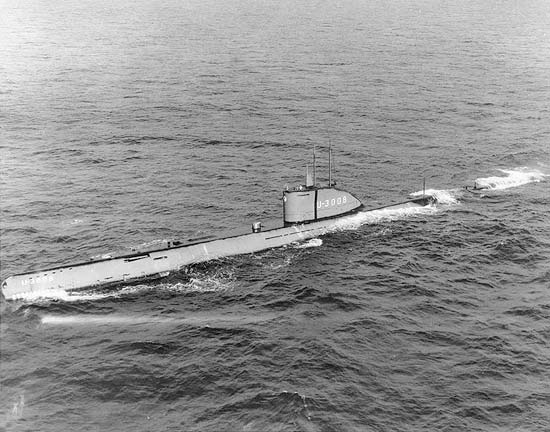
U-boats
German submarines
to prepare for war
Agreement to stop fighting
an increase in the importance of the military of a country

Luisitania
British passenger liner sunk in 1915 that helped sway American opinion of the war.
American citizens were lending money to the government to pay for the war.
Agreement to stop fighting
Treaty that ended WW I. It blamed Germany for WW I and handed down harsh punishment.

Zimmerman Note
A form of warfare in which opposing armies fight each other from trenches dug in the battlefield.
A situation in which no progress can be made or no advancement is possible
1917 - Germany sent this to Mexico instructing an ambassador to convince Mexico to go to war with the U.S.
British passenger liner sunk in 1915 that helped sway American opinion of the war.

Liberty Bonds
American citizens were lending money to the government to pay for the war.
Agreement to stop fighting
British passenger liner sunk in 1915 that helped sway American opinion of the war.
A form of warfare in which opposing armies fight each other from trenches dug in the battlefield.

Armistice
Agreement to stop fighting
As part of the Treaty of Versailles, Germany was ordered to pay fines to the Allies to repay the costs of the war.
Law passed by Congress in 1917 that required all men from ages 21 to 30 to register for the military draft
Treaty that ended WW I. It blamed Germany for WW I and handed down harsh punishment.

Reparations
As part of the Treaty of Versailles, Germany was ordered to pay fines to the Allies to repay the costs of the war.
American citizens were lending money to the government to pay for the war.
Law passed by Congress in 1917 that required all men from ages 21 to 30 to register for the military draft
British passenger liner sunk in 1915 that helped sway American opinion of the war.

Selective Service Act
Law passed by Congress in 1917 that required all men from ages 21 to 30 to register for the military draft
Agreement to stop fighting
American citizens were lending money to the government to pay for the war.
British passenger liner sunk in 1915 that helped sway American opinion of the war.

League of Nations
A world organization established in 1920 to promote international cooperation and peace. It was first proposed in 1918 by President Woodrow Wilson, although the United States never joined the League of Nations.
As part of the Treaty of Versailles, Germany was ordered to pay fines to the Allies to repay the costs of the war.
1917 - Germany sent this to Mexico instructing an ambassador to convince Mexico to go to war with the U.S.
British passenger liner sunk in 1915 that helped sway American opinion of the war.

Treaty of Versailles
Treaty that ended WW I. It blamed Germany for WW I and handed down harsh punishment.
Law passed by Congress in 1917 that required all men from ages 21 to 30 to register for the military draft
American citizens were lending money to the government to pay for the war.
British passenger liner sunk in 1915 that helped sway American opinion of the war.
World War 1 took place from:


World War 1 took place in:


Germany started the war after Franz Ferdinand was:


The United States wanted to remain neutral during the war.
true
false
What year did Woodrow Wilson ask Congress to join World War 1?
1914
1915
1916
1917
What kind of warfare was used on the western front in World War 1?
gorilla
trench
old school
naval

World War 1 was originally called what?
The Best War
the Mother of All Wars
The War to End Empires
The Great War
Austria-Hungary blamed _____ for the assassination of Archduke Franz Ferdinand.
Germany
Serbia
Russia
Belgium
Only the Germans used poison gas.
True
False
After the Russian revolution, President Wilson was able to argue that the Allies were ______.
fighting a war for democracy
defending militarism
fighting a war together with Europe
defending isolationism
Which plan for peace heavily blamed Germany for causing World War I?
Wilson's 14 Points
Treaty of Versailles
This passage describes what agreement approved by the United States Congress?
When did the Communists take over Russia?
1920
1919
1917
1989
Communists wanted
The government to control ownership of property and companies
Private ownership and competition
The ability for people to make a living comparable to their value to society
The end of human existence
What was Greenwood?
A thriving black community in Tulsa, Oklahoma
A city in California
A place where there were no black people
An area in Arkansas where there were no people
What hate group was growing in America at this time?
The Ku Klux Klan
Q-Anon
Antifa
The Republican Party
What was Greenwood's nickname?
Black Wall Street
Massacre Central
The Pride of Oklahoma
Little Tulsa
This is someone who wants to make extreme changes in existing views, conditions, or institutions.
anarchist
subversive
radical
This is someone who rebels against any authority, established order, or ruling power.
anarchist
radical
alien

Which of the following statements is true
Capitalism and communism are types of economic systems
Capitalism allows for private property rights and free enterprise
Communism puts government in control of all resources
All are true
None is true

Which best describes "Red Agitators"
Brotherhood of Sleeping Car Porters
UNIA
Strikers
Red Scare

The Red Scare led to
Palmer Raids
Arrests of suspected Communists
Deportations
All of the above
#1 and #3
The Red Scare was due to a fear of
Communism
Democracy
Monarchy
Monotheism
What event caused the Tulsa massacre?
A black man was accused of assaulting a white woman
There was no cause
White Tulsans didn't like Black Wall Street
Jealousy
What was unique about Greenwood?
It was the wealthiest black community in the country
There was nothing unique about Greenwood
They had a great sports team
What ultimately was the final downfall of the Greenwood community?
Desegregation and the Highway system
Greenwood still thrives to this day
The massacre
Modernization
What is the significance of the 'Bombing of Black Wall Street' in American history?
The 'Bombing of Black Wall Street' was a natural disaster that destroyed the African American community in Tulsa, Oklahoma in 1921.
The 'Bombing of Black Wall Street' was a terrorist attack carried out by a foreign organization in Tulsa, Oklahoma in 1921.
The 'Bombing of Black Wall Street' was a result of a labor strike that turned violent in Tulsa, Oklahoma in 1921.
The 'Bombing of Black Wall Street' was a racially motivated attack on the prosperous African American community in Tulsa, Oklahoma in 1921.

RED SCARE: Limiting the number of immigrants who may enter the US each year specifically from USSR and Italy.
Quota plan
Quota system
Dawes Sytem
Striking American workers led to fears of a (a) revolution in the U.S. One way Congress reacted was to pass (b) laws because foreigners were equated with this threat.
What was the result of Attorney General A. Mitchell Palmer's house being targeted by anarchist bombing?
The federal government began tracking radical movements and organizations
The police arrested the perpetrator
A. Mitchell Palmer and his wife were killed, sparking public outcry
The National Guard started a nationwide search for the culprit
Why did American public opinion turn against A. Mitchell Palmer, the Attorney General behind the Palmer Raids?
Radical violence was still happening
Innocent American citizens were detained and deported
Communists were elected to Congress
He did not deport enough radical agitators
What happened in 1919 that caused it to have the nickname "Red Summer"?
Riots and bloodshed in Midwest cities
The Black Sox Scandal
Economic prosperity and growth in cities
World War I

