
 Worksheets
Advertising Quiz 2
Total questions: 10
Worksheet time: 5mins
What does layout refer to in print media design?
Selection of photographs and illustrations
Choice of font style and size
Technical elements contributing to style
Arrangement of visual elements on a page
What does typography primarily involve in print media design?
Choice of foreground and background
Font style and size
Use of emotive language
Placement of images
What is the mode of address in print media design related to?
Placement of the logo
Choice of font style and size
Formal or informal communication with the audience
Use of persuasive language
What does anchorage refer to in print media design?
The choice of font style and size
The use of imperatives in advertising language
The story constructed through the text and images
The way the written text secures the meaning of an image
What is likely to be included in a print media product?
Specific details of USP/product or service
Selection of photographs and illustrations
Use of emotive language
Choice of foreground and background
What type of language is often used in modern adverts?
All of these
Persuasive language (hyperbole especially)
Facts and information
Wordplay and puns
What does narrative refer to in print media design?
The use of imperatives in advertising language
The way the written text secures the meaning of an image
The choice of font style and size
The story constructed through the text and images
What is intertextuality?
Specific details of USP/product or service
Other media products from different time periods
Choice of font style and size
References to other media forms or genres

This advert is an example of...
Hard Sell
Soft Sell
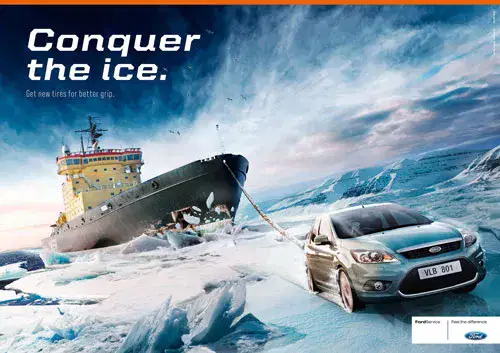
This advert is an example of...
Hard Sell
Soft Sell

