
Font size
 Worksheets
Intro to Architecture Final Review 2023
Total questions: 76
Worksheet time: 55mins
Classical architecture is prolific.
True
False
The ancient Greeks typically utilized the arch in their monumental temple structures.
True
False
Columns in classical architecture are only used in a row supporting a horizontal lintel called a colonnade and they are never employed in a series of arches called an arcade.
True
False
Greek monumental architecture is best described as a trabeated system.
True
False
Framed within a pair of columns and an entablature, an arch in classical architecture has decisive relationship with other building elements at its springing and its crown.
True
False
The Romans sometimes employed decorative freestanding columns and triumphal arches to commemorate great human beings and heroid deeds.
True
False
It can be argues that, to the ancient Romans and Greeks, the orders represent the highest, most essential, most expressive language of architecture.
True
False
The design and proportion of columns in ancient Greece and Rome were governed via treatises by sets of general rules laid out according to types, or genres, or orders.
True
False
In the capitals found in many early Christian churches, acanthus leaves were adapted from classical Greek and Roman types and were often combined with volutes in new and inventive ways.
True
False
Designing with the classical language of architecture means that the proportions and types of the orders have nothing to do with the arrangement of the architectural parts that make up the whole of a building's design.
True
False
The ancient Greeks commonly employed the Composite order in their monumental temple structures.
True
False
An arched monumental architectural expression may be called a trabeated system.
True
False
Vitruvius' Book 1 describes the most opportune layouts of city streets.
True
False
Historically the properly designed and cared-for home provides nothing more than physical shelter.
True
False
According to Vitruvius, temples may be circular
True
False
The Athenians built the Parthenon with both Doric and Ionic columns because Athena is a masculine and female goddess.
True
False
The acanthus leaf symbolizes good luck.
True
False
The Palladian style is unique as it refers to a specific person's employment of classical architecture.
True
False
Beauty is subjective.
True
False
According to Vitruvius, a certain type of marsh may provide a reasonable place to start a city.
True
False
The Greek work "arkhiteckton" literally means ___________.
Lead designer
Chief builder
Designer and constructer of buildings
Professional
The Renaissance-based 'orders' of architecture are:
Tuscan, Doric, Ionic, Corinthian, and Composite
Doric, Tuscan, Corinthian, Acolian, and Composite
Tuscan, Minoan, Doric, Ionic, and Corinthian
Egyptian, Doric, Ionic, Greek, and Roman Composite
According to the Renaissance architect Alberti, the movements of the soul are made known by the movements of the ____.
Heart
Bowel
Body
All of the above
As a professional today, part of the architect's job is described as protecting the public's ______.
Wealth
Morality
Welfare
All of the above
The motifs in the entablature of the _____ order seem to be the most mysterious, and - unlike the common motifs of the other orders --- are often mistakenly attributed soley to construction tectonic practices of ancient wood temple buildings.
Tuscan
Doric
Ionic
Corinthian
The ancient Roman architect Vitruvius wrote that an architect should focus primarily on this/these core quality/qualities when preparing a design for a building:`
Firmitas (strength)
Utilitas (functionality)
Venustas (beauty)
All of the above
The classical orders provide a deisnger the perfect mean, the gamus, of architectural character from the _____ to the _____.
Transcendent / iridescent
Rough / smooth
Geometric / figural
Silly / sad
From Why Beauty Matters, by Sir Roger Scruton, at any time between 1750 and 1930, if you had asked educated people to describe the aim of poetry, art, or music, they would have replied (a) .
For Thomas Aquinas, beauty has these three very important characteristics: ___________, ___________, and ___________.
(a)
Flat, pointed, and horseshoe are types of these _______.
Columns
Arches
Domes
Atlantes
"Le Corbusier" means (a) .
What are Aristotle's four causes?
(a)
Vitruvius writes that the origin of the (a) classical order was an acanthus plant flowering out of a basket atop a young maiden's grave.
The typical Roman house includes the following rooms (circle all that apply):
Tablinum
Vestibulum
Atrium
Peristylium
According to Virtuvius, altars must always face this direction so that those who are praying and sacrificing may look upwards towards the divinity.
(a)
"In accordance with the forgoing investigation on mathematical principles, let (a) vessels be made, proportionate to the size of the theater..."
What is the name of the Ancient Roman Sacred Procession?
(a)
What was the name of the Ancient Greek Sacred Procession in Athens?
(a)
How often was the Ancient Greek processino celebrated in honor of Athena's Birthday?
Every September
Every other June
Every four years
Every ten years
Something that supports a lintel or a beam can be called a[n] _____________.
column
pillar
post
All of the above
Literally translated, the 'architrave' is the ____________.
chief beam
lintel
string course
Horizontal
What is present in a Roman house shrine?
Salt
Libations
Image of patron diety(ies)
All of the above
The _______ are found all around the opening of a stone arch.
loadstones
voussoirs
keystones
entablatures
The 'frize' of a classical entablature provides the optimum location for an architect to express ____________.
structure
ornamentation and/or inscriptions
a water-shedding roofline
none of the above
A fully-sculpted column that represents a statue of a clothed female figure is referred to as ____________ and is a reminder of the Ancient Greek Battle of Marathon.
an atlantes
a caryatid
engaged
buttressed
In this book Vitruvius expounds on urban residences as well as houses in the country:
Book 3
Book 4
Book 5
Book 6
In this book Vitruvius wazes about the importance for an architect to have a liberal arts education:
Book 1
Book 2
Book 3
Book 4
In this book Vitruvius mentions the typical civic public places typically located around the forum:
Book 2
Book 3
Book 4
Book 5
An architect should be trained to be a _______________ of resources
Specifier
Consumer
Whisperer
Steward
What are the big blocks of stone used to reinforce the corners of buildings?
Voussoirs
Buttresses
Quoins
Granite
Who is Vitruvius writing to in his treatise?
Julius Ceasar
Cassius
His Apprentice
Augustus Ceasar
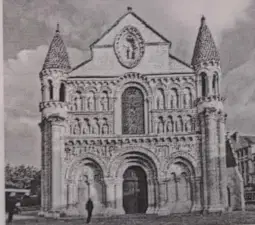
What style is this?
(a)
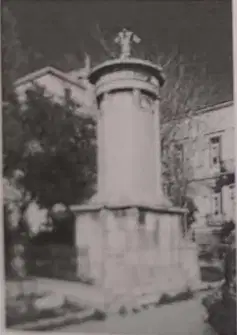
What style is this?
(a)
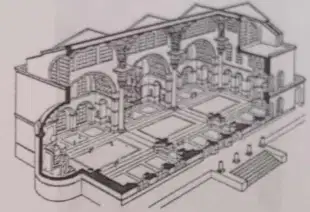
What style is this?
(a)
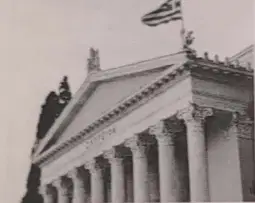
What style is this?
(a)
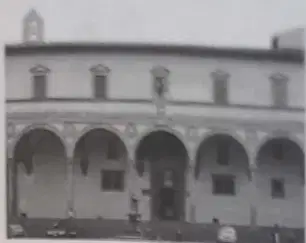
What style is this?
(a)
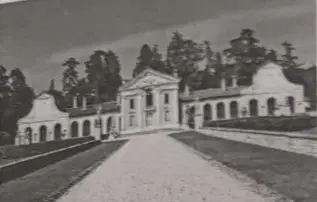
What style is this?
(a)
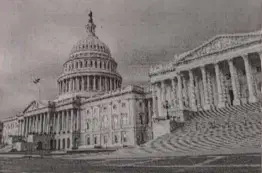
What style is this?
(a)
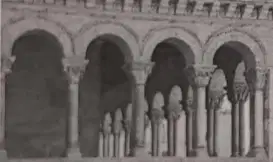
What style is this?
(a)
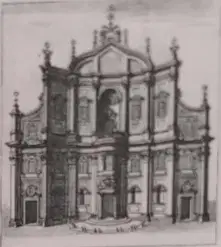
What style is this?
(a)
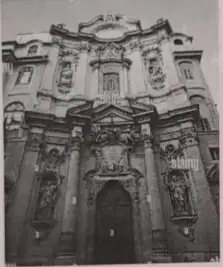
What style is this?
(a)
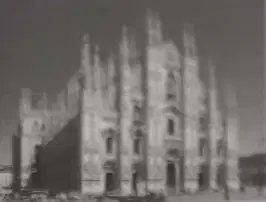
What style is this?
(a)
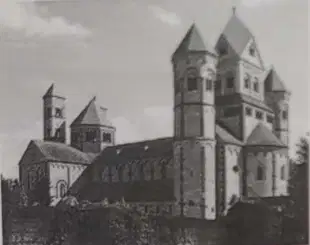
What style is this?
(a)
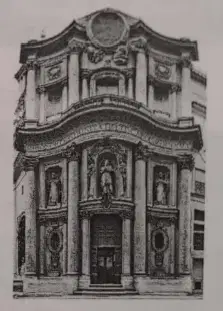
What style is this?
(a)
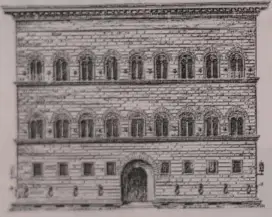
What style is this?
(a)
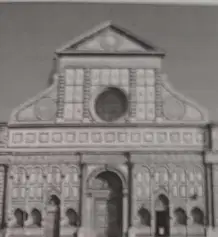
What style is this?
(a)
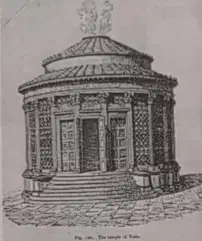
What style is this?
(a)

What style is this?
(a)
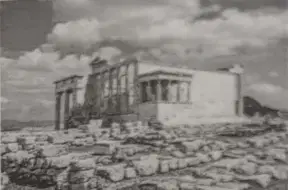
What style is this?
(a)
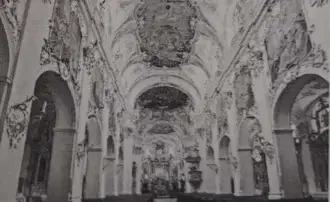
What style is this?
(a)

What style is this?
(a)
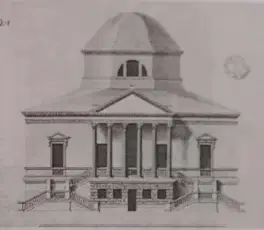
What style is this?
(a)
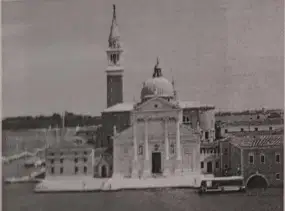
What style is this?
(a)

What style is this?
(a)
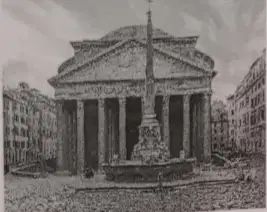
What style is this?
(a)
What is the Latin name for "house"?
(a)

