
 Worksheets
Review: Acids and Bases
Total questions: 20
Worksheet time: 10mins
What does pH stand for?
potential of Hydroxide
potential of Hydrogen
potential of Hydronium ion
potential of Helium
What is the best course of action when someone accidentally ingested a strong acid?
ask them to vomit
ask them not to do anything
ask them to drink water
ask them to drink a basic substance
Steven used a red cabbage as an indicator for the solution his using in his experiment. He noticed that the solution changed color from purple to bluish-green. Is the solution a neutral, acid, or basic substance?
none of the above
neutral
acid
base
Albert used a pH meter to detect whether a compound is an acidic, neutral, or basic substance. The pH meter showed a 2.35 pH value. Is the compound acidic, basic, or neutral?
acid
base
neutral
none of the above
What is the relationship of the H+ concentration of a solution to its pH value?
directly proportional
inversely proportional
equal
H+ concentration is always lower than pH.
Based on Arrhenius's theory, how is an acid defined?
It is a substance that delivers the H+ ion in a solution.
It is a substance that delivers the OH- ion in a solution.
It is a substance that delivers the NH4+ ion in a solution.
It is a substance that delivers the H2O in a solution.
Based on Arrhenius's theory, how is a base defined?
It is a substance that delivers the H+ ion in a solution.
It is a substance that delivers the OH- ion in a solution.
It is a substance that delivers the NH4+ ion in a solution.
It is a substance that delivers the H2O in a solution.

Based on the following pH scale, which of the following substances is an acid?

coffee

bleach

ammonia

baking soda
Which of the following options is NOT a characteristic of a base substance?
pH > 7
red litmus paper turns blue
tastes sour
reacts with acids producing salt & water
If a substance has a pH value of 14, how will you describe the substance's H+ concentration?
high
low
pH = H+
cannot be described
Based on the following pH scale, which of the following substances is a base?

tomato

soap
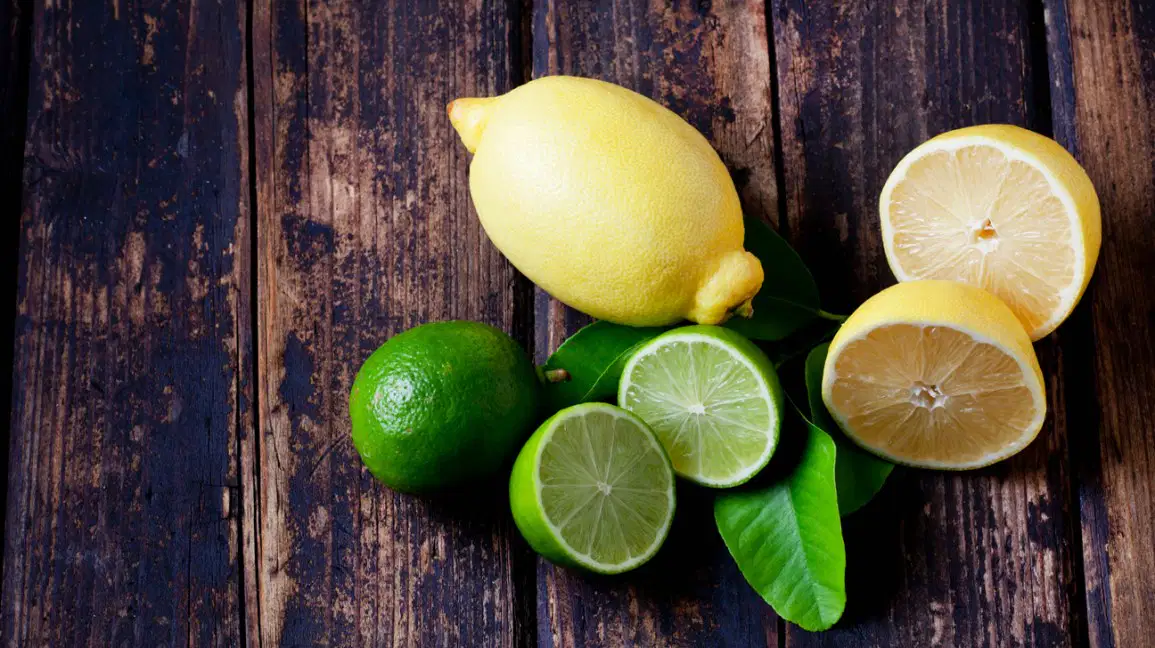
lemon

battery
Hanna used a litmus paper as an indicator for the solution she is testing. When she dipped the blue and the red litmus paper in her sample solution, she DID NOT observed any color change from both the blue and the red litmus paper. Is the solution acid, base, or neutral?
acid
base
neutral
none of the above
Which of the following substances is a STRONG ACID?
sulfuric acid
acetic acid
formic acid
nitrous acid
Which of the following substances is a STRONG BASE?
ammonia
pyridine
potassium hydroxide
ammonium hydroxide
Which of the following describes an acid?
proton donor
proton acceptor
pH = 7
pH > 7
Study the following chemical reaction below. What type of acid-base reaction is shown in the example equation?
H2SO4 + 2 NaOH → NaSO4 + 2 H2O
acid reacts with metal
base reacts with metal
weak acid-weak base reaction
neutralization reaction
In the following chemical reaction, which compound is the conjugate base?
CH3COOH + H2O ↔ CH3COO- + H3O+
CH3COOH
H2O
CH3COO-
H3O+
Study the following chemical reaction below. What type of acid-base reaction is shown in the example equation?
Zn (s) + 2 HCl (aq) → ZnCl2 (aq) + H2 (g)
acid reacts with metal
base reacts with metal
weak acid-weak base reaction
neutralization reaction
In the following chemical reaction, which compound is the conjugate acid?
CH3COOH + H2O ↔ CH3COO- + H3O+
CH3COOH
H2O
CH3COO-
H3O+
Which of the following describes a base?
proton donor
proton acceptor
pH < 7
pH = 7

