
 Worksheets
6th Grade Exam Review
Total questions: 45
Worksheet time: 21mins

Which way did this item travel in the Columbian Exchange?: Cattle, Sheep and Pigs
From the "Old World" to the "New World"
From the "New World" to the "Old World"
Which way did this item travel in the Columbian Exchange?: influenza (flu), small pox, measles
From the "Old World" to the "New World"
From the "New World" to the "Old World"
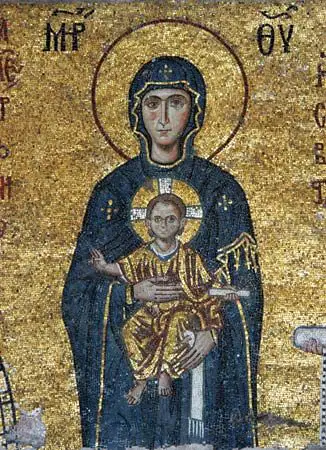
Which way did this idea travel in the Columbian Exchange?: Catholic Christianity
From the Europe-Africa-Asia to "the Americas"
From the "the Americas" to the "Europe-Africa-Asia"
Which way did this idea travel in the Columbian Exchange?:
WHEAT
From the Europe-Africa-Asia to "the Americas"
From the "the Americas" to the "Europe-Africa-Asia"
Which way did this idea travel in the Columbian Exchange?:
ALPACAS and LLAMAS
From the Europe-Africa-Asia to "the Americas"
From the "the Americas" to the "Europe-Africa-Asia"

Which way did this idea travel in the Columbian Exchange?: tomatoes
From the Europe-Africa-Asia to "the Americas"
From the "the Americas" to the "Europe-Africa-Asia"
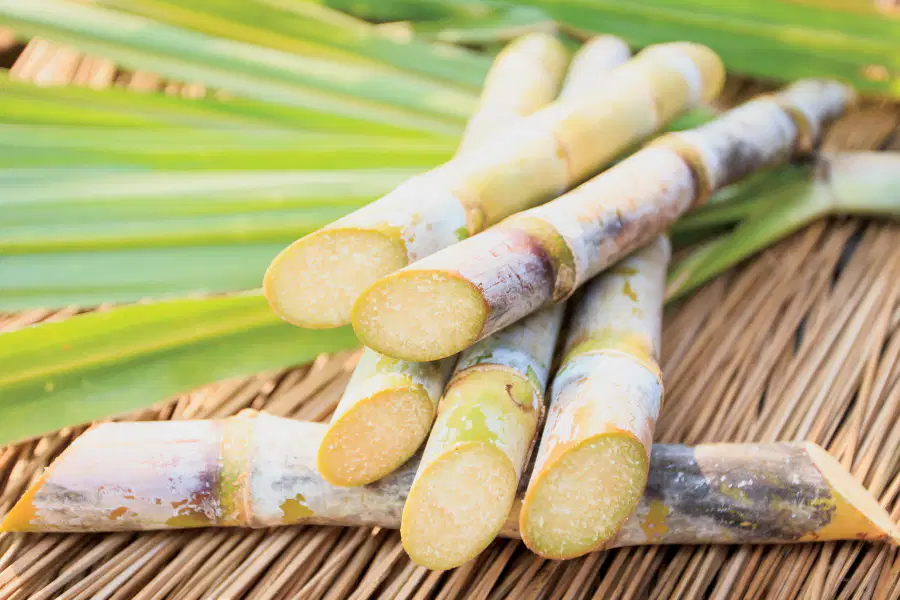
Which way did this item travel in the Columbian Exchange?: Sugar Cane
From the "Old World" to the "New World"
From the "New World" to the "Old World"

Which way did this item travel in the Columbian Exchange?: cacao
From the "Old World" to the "New World"
From the "New World" to the "Old World"

Which way did this item travel in the Columbian Exchange?: Horses
From the "Old World" to the "New World"
From the "New World" to the "Old World"
In which direction did the trans-Atlantic slave trade flow?:
From the "Old World" to the "New World"
From the "New World" to the "Old World"
In which direction did the trans-Atlantic slave trade flow?: Corn or Maize
From the "Old World" to the "New World"
From the "New World" to the "Old World"

Which way did this item travel in the Columbian Exchange?: goats
From the "Old World" to the "New World"
From the "New World" to the "Old World"
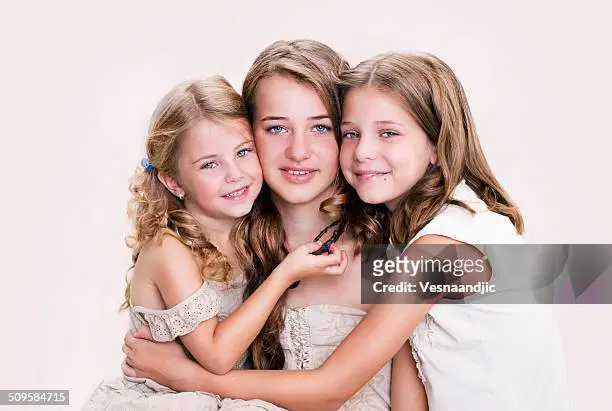
Which way did this item travel in the Columbian Exchange?: "Three Sisters"
From the "Old World" to the "New World"
From the "New World" to the "Old World"

Which way did this idea travel in the Columbian Exchange?: potatoes
From the Europe-Africa-Asia to "the Americas"
From the "the Americas" to the "Europe-Africa-Asia"

Which way did this idea travel in the Columbian Exchange?: chickens
From the Europe-Africa-Asia to "the Americas"
From the "the Americas" to the "Europe-Africa-Asia"
Which way did this idea travel in the Columbian Exchange?: peanuts
From the Europe-Africa-Asia to "the Americas"
From the "the Americas" to the "Europe-Africa-Asia"
Which way did this idea travel in the Columbian Exchange?: rice
From the Europe-Africa-Asia to "the Americas"
From the "the Americas" to the "Europe-Africa-Asia"
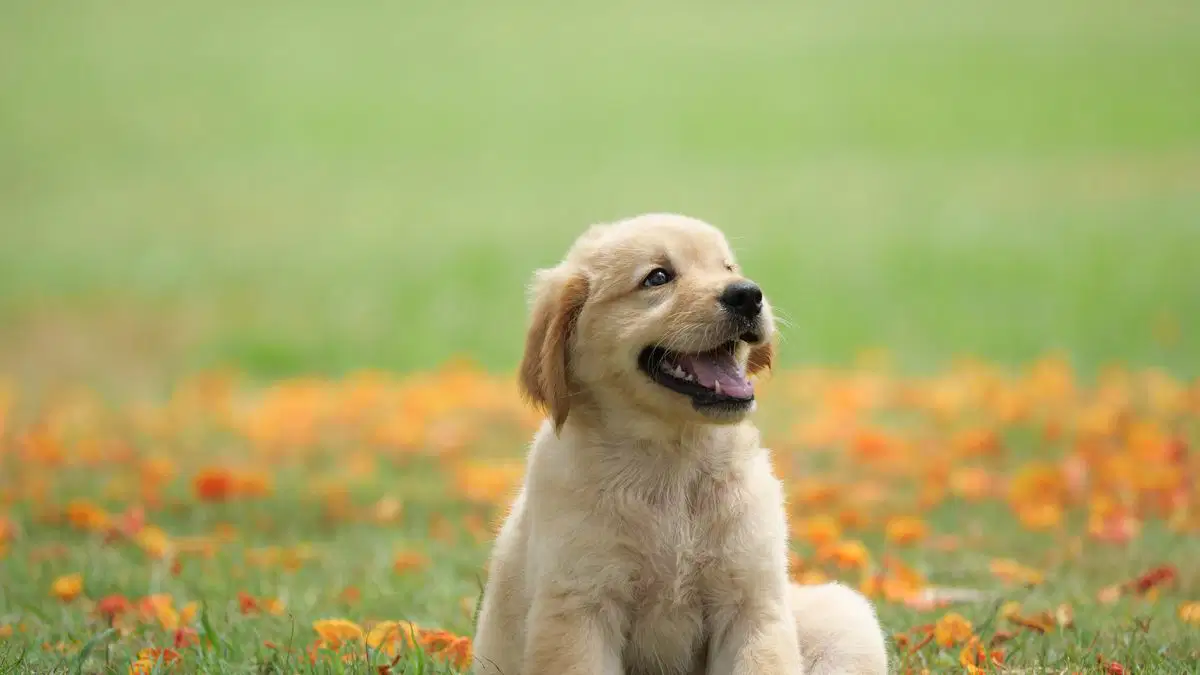
Which way did this animal travel in the Columbian Exchange?: dogs
From the Europe-Africa-Asia to "the Americas"
From the "the Americas" to the "Europe-Africa-Asia"
In what year was the first, permanent English colony founded?
1605
1607
1609
1611
We know that Jamestown was started for economic reasons because it was the Virginia Company of London that began it. What did the Virginia Company of London need from the King in order to start the colony?
Constitution
chatter
Mayflower Compact
Charter
Of the 100 English settlers that went to Jamestown, how many were noblemen-gentlemen?
1/2
1/4
1/3
3/4
While Jamestown was NOT started specifically for religious reasons, they did have a church. What was the type of church that the settlers would attend?
Roman Catholic
Protestant Lutheran
Catholic Christian
Anglican
One of the most serious problems about the location chosen for the Jamestown location was that the area
had no Indians to trade with
The soil was horrible for planting crops
the drinking water was either too salty (brakish) or too slimy
There was too much gold to mine and transport back to England
The settlers at Jamestown started their own law-making body (government) in 1619. The name of their legislature was the
House of Parliament
House of Burger King
House of Protestants
House of Burgesses
I was the second President of the Jamestown colony. When we were short on food, I put a strict rule in place that said, "he who does not work, shall not eat". (this was a biblical idea from II Thess. 3:10). Who am I?
John Rolfe
John Guttenberg
John Smith
Jacob Carter
I discovered land off of the coast of present-day Canada and named it new-found-land. I claimed this land for England. Who am I?
Giovanni Verrazano
Robert LaSalle
Bartholomeu Dias
John Cabot
I traveled down the Mississippi River, reached the Gulf of Mexico, claimed the land for my King, land it became known as Louisiana. Who am I?
Giovanni Verrazano
Marquette and Joliet
Robert LaSalle
Samuel de Champlain
I successfully rounded the tip of Africa and by doing this, I proved that there was an all-water route to Asia by traveling southward. Who am I?
Vasco de Balboa
Bartholomeu Dias
Vasco de Gama
Jacques Cartier
I sailed up the St. Lawrence River and settled a new colony for France named Mount Royale or later known as Montreal. Who am I?
Samuel de Champlain
Marquette and Joliet
Jacques Cartier
Ferdinand Magellan
I was the first person from Europe to sail into the New York Bay. Who am I?
Giovanni Verrazano
Vasco de Balboa
Henry Hudson
Hernando de Soto
My crew were the first Europeans to circumnavigate the globe.
Ferdinand Magellan
Hernando de Soto
Robert LaSalle
Bartolomeu Dias
I am an Italian explorer who sailed for Spain and wanted to find an all-water route to Asia by sailing westward. Instead, I found what became known as 'the Americas'. Who am I?
John Cabot
Bartolomeu Dias
Christopher Columbus
Henry Hudson
The narrow passage of water where the Atlantic and Pacific Oceans meet is named after me. Who am I?
Vasco de Balboa
Robert LaSalle
Ferdinand Magellan
Louis Joliet
Based on a story from the Indians, this explorer left his colony in New Spain and went westward in search of a large body of water.
Bartolomeu Dias
Vasco de Balboa
Hernando de Soto
Father Jacques Marquette
This explorer was looking for a northwest water passage to Asia. Because of his land claims, later the English began settling colonies in North America.
Jacques Cartier
Giovanni Verrazano
Henry Hudson
John Cabot
I explored for the English and the Dutch and have a river and a bay that is named after me. Who am I?
Robert La Salle
Henry Hudson
Samuel de Champlain
Jacques Cartier
The best definition of circumnavigate is
To build a circular path or structure.
To navigate through a circle of obstacles.
To sail around the world or travel completely around a large area.
To travel in a straight line without any deviations
What is the definition of the word "mutiny"?
A sudden and uncontrollable outburst of anger or emotion in a naval court.
A deliberate and organized rebellion against authority, often within a military or naval group.
A formal ceremony or event for a specific purpose or occasion.
The act of making a false statement with the intent to deceive.
Around 1523, I was the first European to explore the east coast of present-day United States in current-day North Carolina, Rhode Island and Maine.
Robert LaSalle
Henry Hudson
Giovanni Verazzano
Samuel de Champlain
I sailed farther up the St. Lawrence River and settled a new colony for France named Quebec. Who am I?
Giovanni Verazzano
Samuel de Champlain
Jacques Cartier
Robert LaSalle
I was missionary from New France who traveled 700 miles down the Mississippi. Along my journey, I preached the Good News to nearly 2000 Native Americans.
Louis Joliet
Jacques Marquette
Jacques Cartier
Bartolomeu Dias
I was sent out by New France and on my journey I explored around the Great Lakes. Who am I?
Jacques Marquette
Robert LaSalle
Samuel de Champlain
Vasco de Balboa
On my fourth and final voyage, I explored a bay in present-day Canada. My crew mutinied and set me out to sea in a boat to die.
Henry Hudson
Hernando de Soto
Louis Joliet
Jacques Marquette
I was a fur-trapper in New France who was tasked with finding out if the Mississippi River flowed South or West. Along with my travel companion who was a French missionary, I discovered the answer to be South.
Jacques Cartier
Louis Joliet
Jacques Marquette
Robert LaSalle
hat is the definition of the term "Columbian Exchange"?
A system of trade routes established by Christopher Columbus to facilitate the exchange of goods between Europe and Asia.
An economic theory proposed by Colombian economist Hernando de Soto to promote global economic development.
The exchange of crops, animals, and diseases between the Old World (Europe, Asia, and Africa) and the New World (the Americas) after Christopher Columbus's arrival in 1492.
political alliance formed by Colombian and Venezuelan leaders in the early 19th century to combat colonial oppression.

